- 25 Long Pixie Formal Hairstyles Ideas for Elegant Events and Polished Evenings
- 23 Long Hairstyles With Layers And Bangs To Refresh Your Look
- 23 Long Hairstyles With Layers Side Part Lovers Will Want to Save
- 28 Shag Hairstyles Long Curly Hair Looks With Beautiful Shape
- 28 Very Long Bob Hairstyles Ideas That Look Modern, Soft, And Easy To Style
Long layers can make a familiar length feel newly alive: a little more swing around your shoulders, a softer frame for your face, or a bouncy shape that looks lovely whether you’re heading out or keeping things easy at home. The right cut should still feel like you—only lighter, more polished, and more fun to style.
You Are Watching: 21 womens haircuts long layers trending hairstyles to Refresh Your Look
From airy butterfly layers to softly shaped curls and sleek, subtle framing, these ideas offer different ways to wear long hair without losing its graceful length. Use them as inspiration, then talk with your stylist about your natural texture, face shape, daily routine, and how much trimming and styling you’re happy to keep up with.
20 Long-Layered Haircuts To Make Your Own
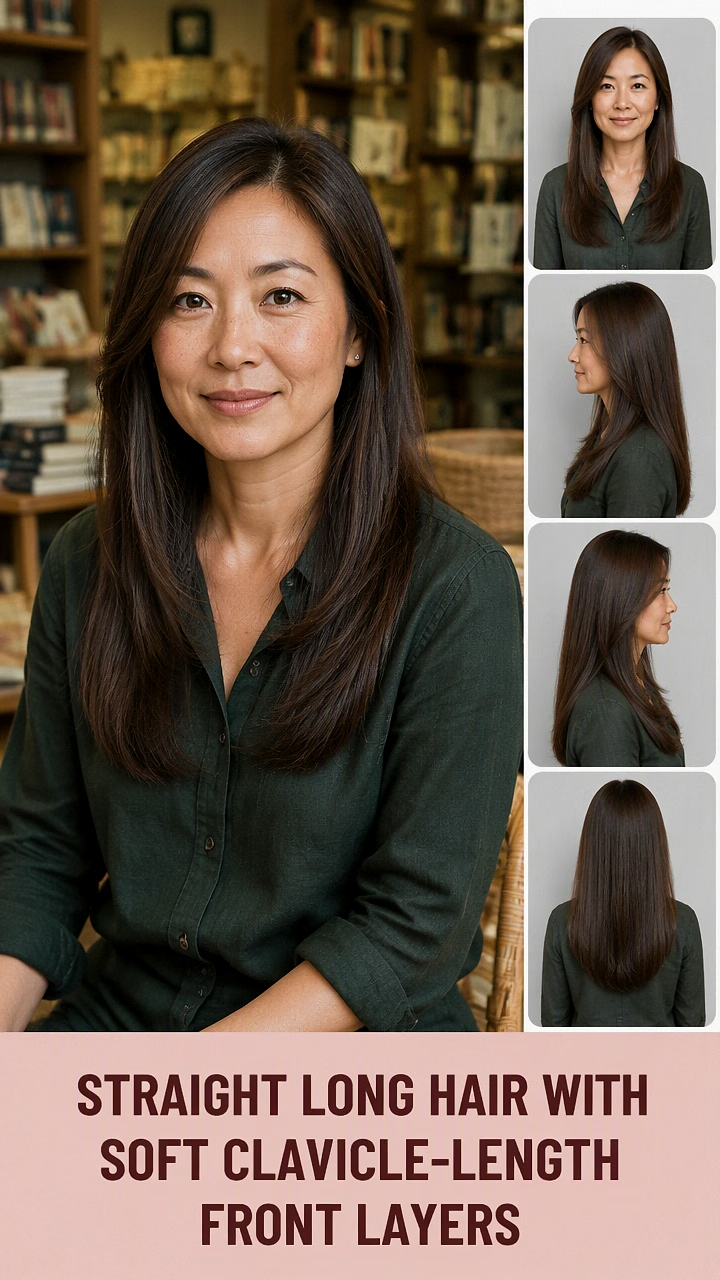
Classic Long Layers With Soft Blended Ends
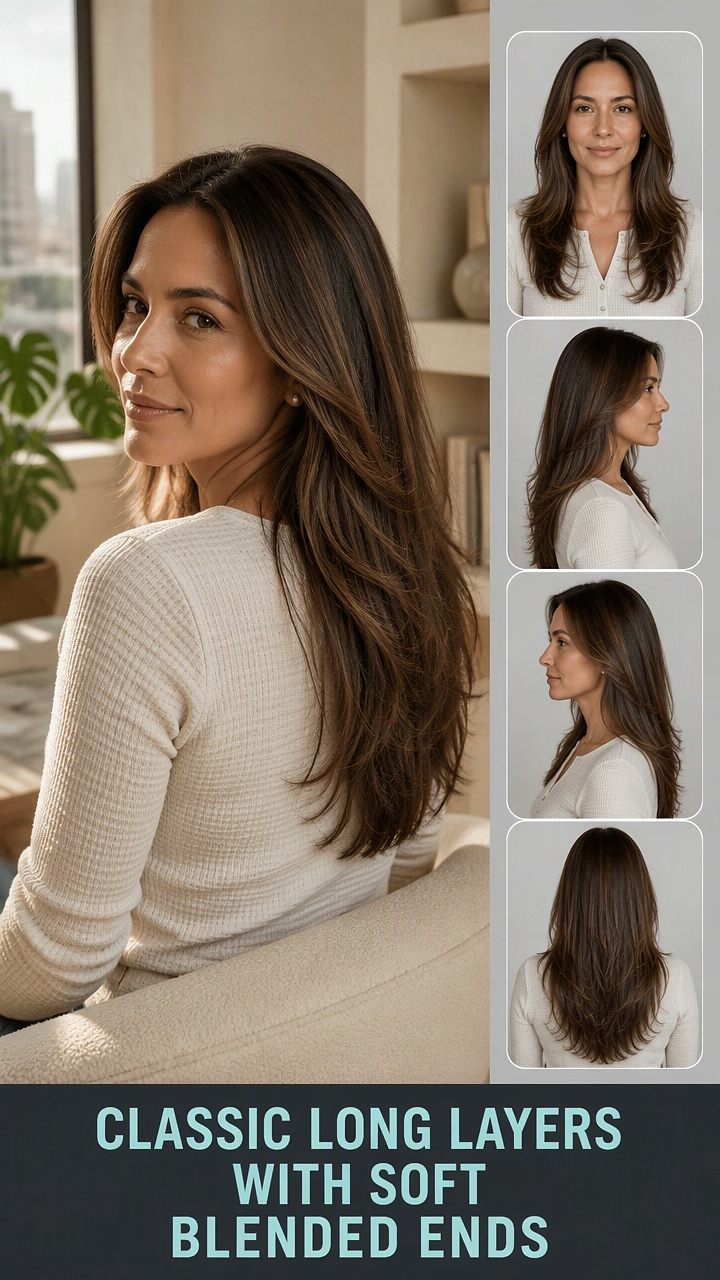
This timeless cut keeps most of the length intact, with long, softly blended layers beginning around the collarbone and flowing toward the ends. The perimeter can stay gently rounded or nearly straight, depending on whether you prefer a fuller-looking edge or a little extra swing.
It works on straight and wavy hair, and the light layering can ease bulk in thick hair without making the shape feel choppy. A center part gives a balanced finish, while a side part adds a swoop. Try a quick blow-dry with a round brush, or smooth the ends with a little serum. Ask for long, connected layers and a weight line that suits your density. Trim every 8–12 weeks to tidy the outline; this is an easy grow-out, though subtle layers need occasional reshaping to stay visible.
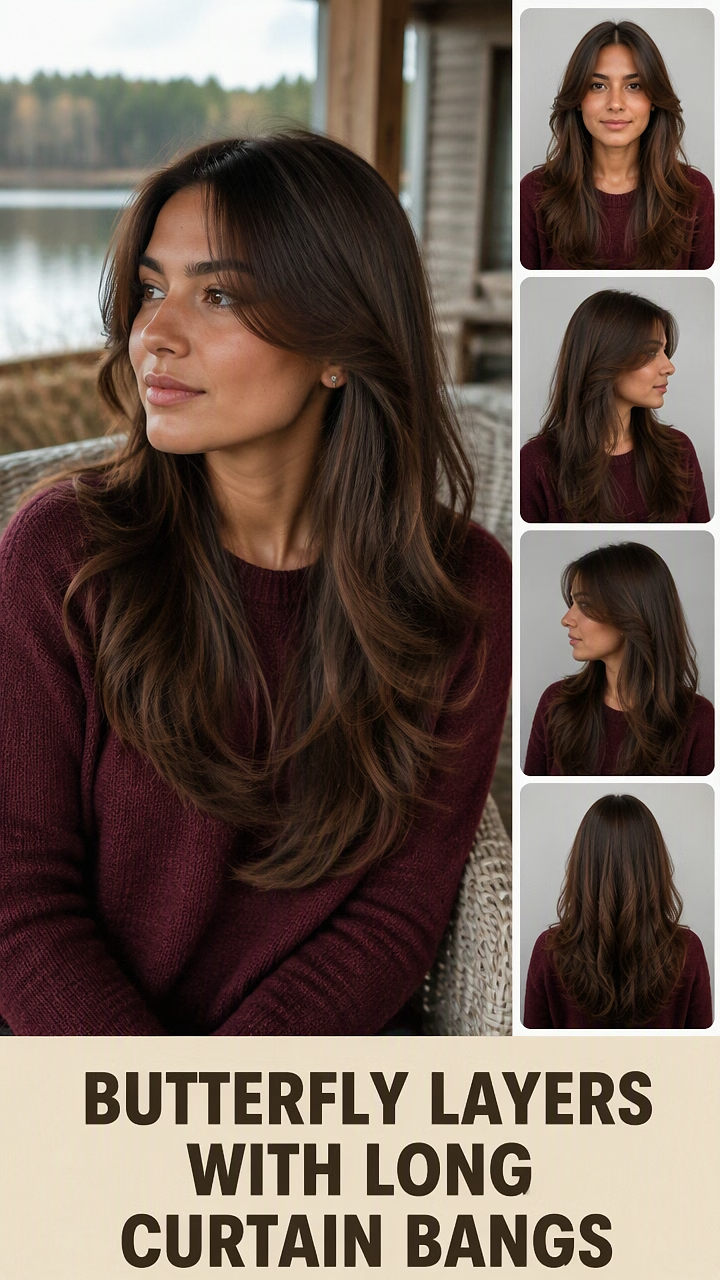
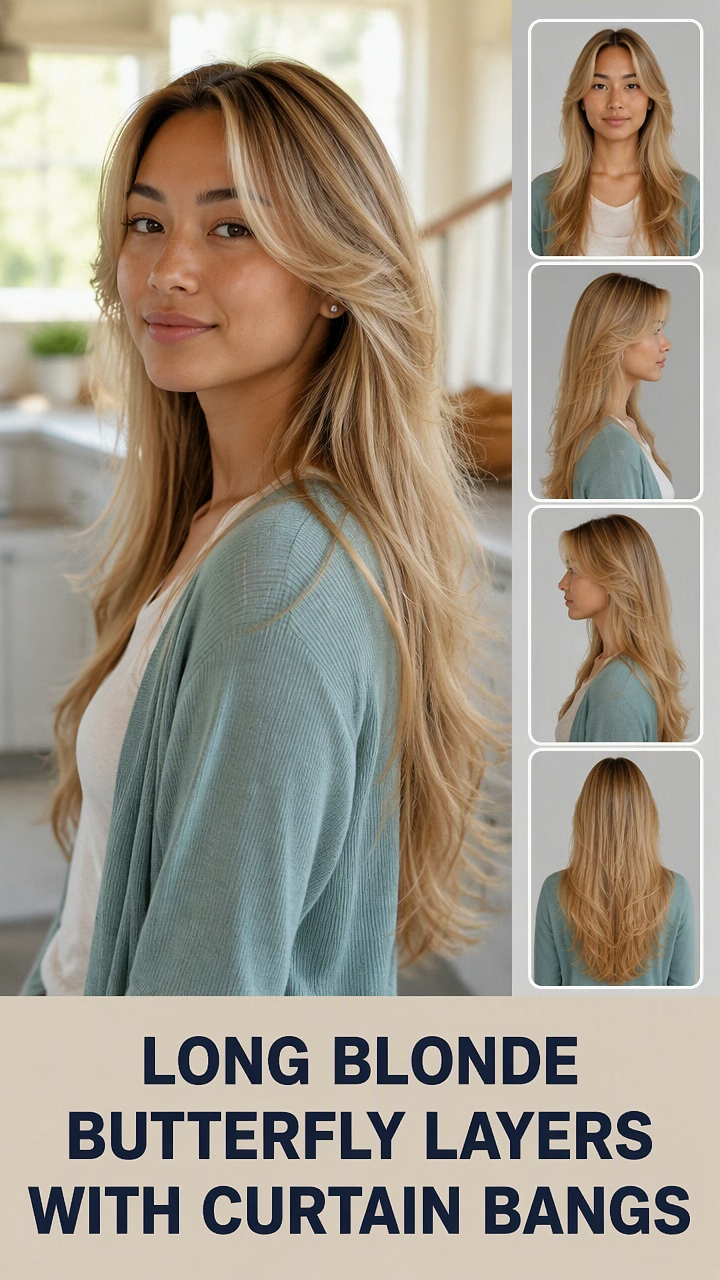
Voluminous Butterfly Cut With Face-Framing Wings
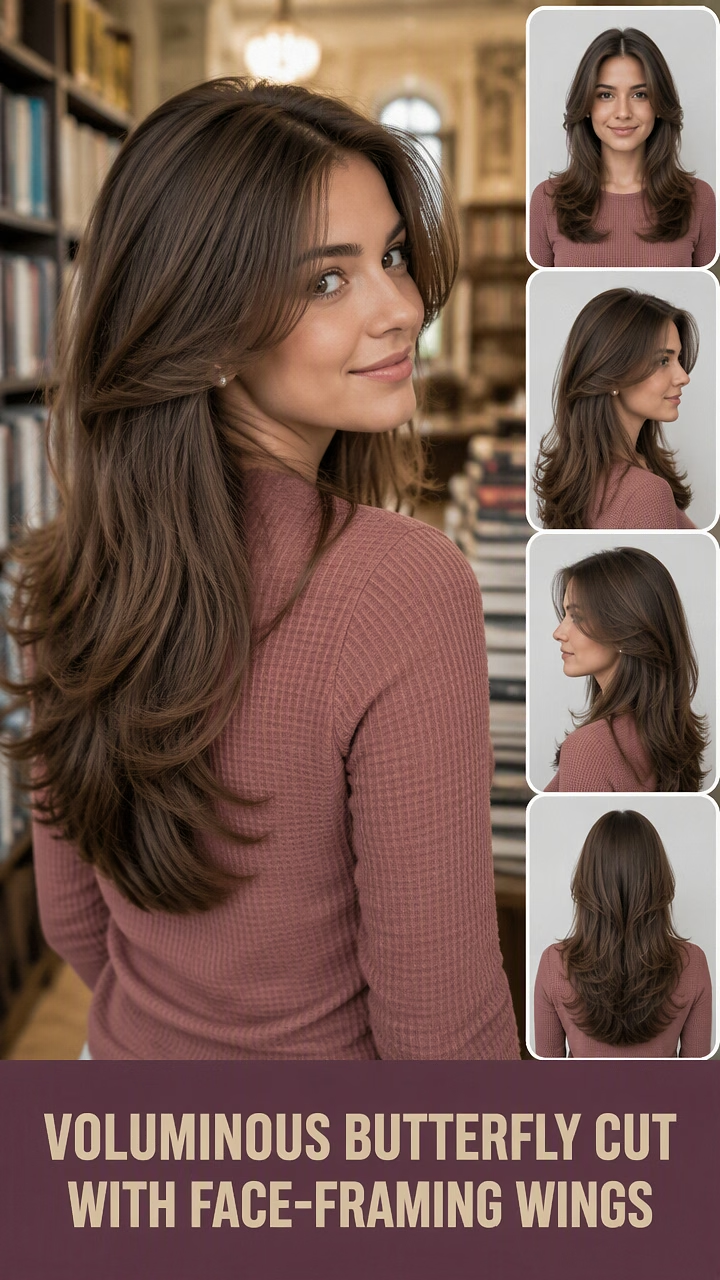
The butterfly cut pairs shorter, airy layers around the crown and face with long lengths underneath, creating a lifted, wing-like outline. The front pieces usually start around the cheekbones or chin, then blend into longer layers while the back keeps its drama.
It’s especially striking on medium to thick straight or wavy hair, where a round-brush blowout helps show off the shape. Oval and heart-shaped faces can enjoy the open, face-framing movement; longer front pieces can soften a wider jawline too. Use a heat protectant and a large round brush, or add loose bends with a curling iron. This cut looks most defined when styled, so it may take more time than subtle layers. Ask your stylist to preserve a long back and connect the shorter front sections gradually. Refresh the outline every 8–10 weeks.
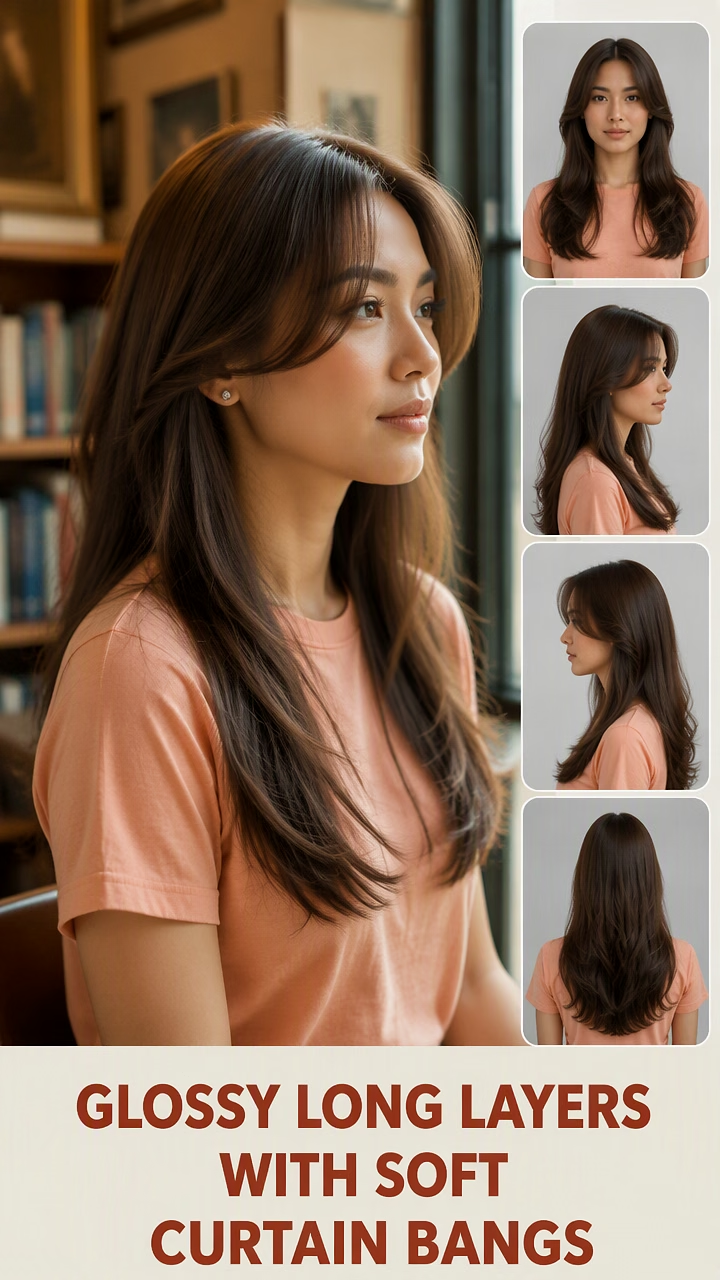
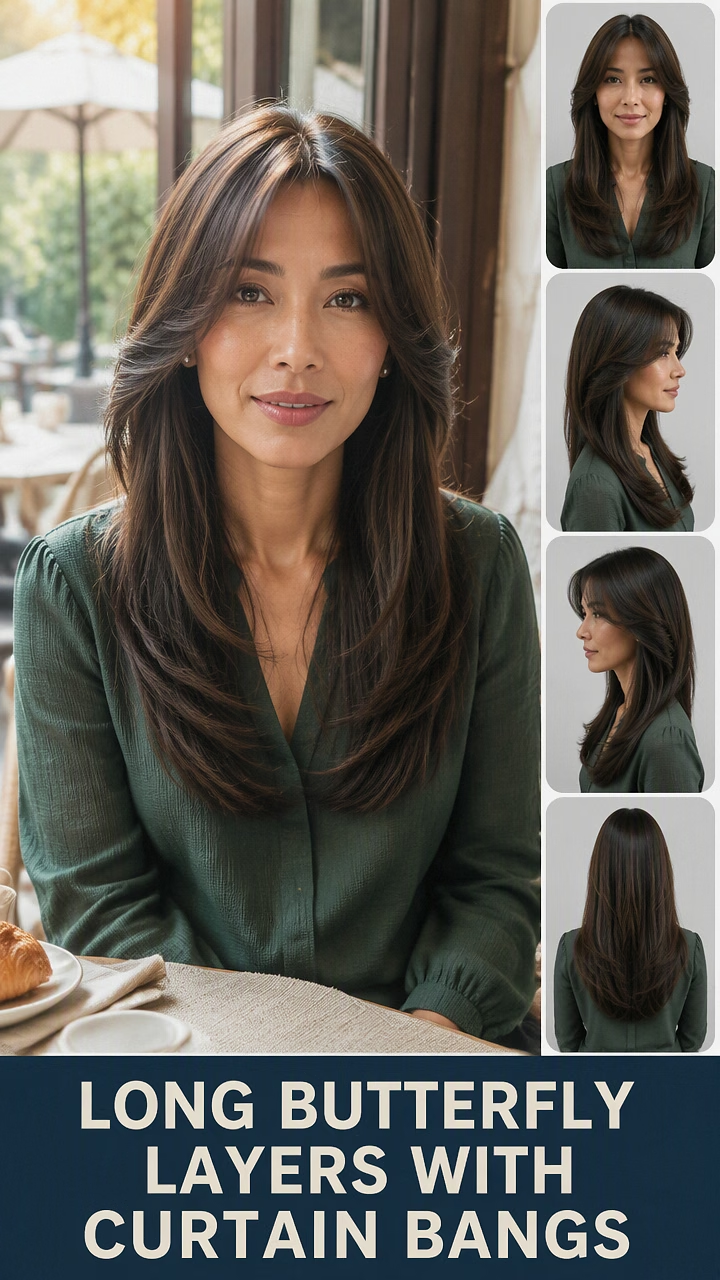
Center-Parted Long Layers With Curtain Bangs
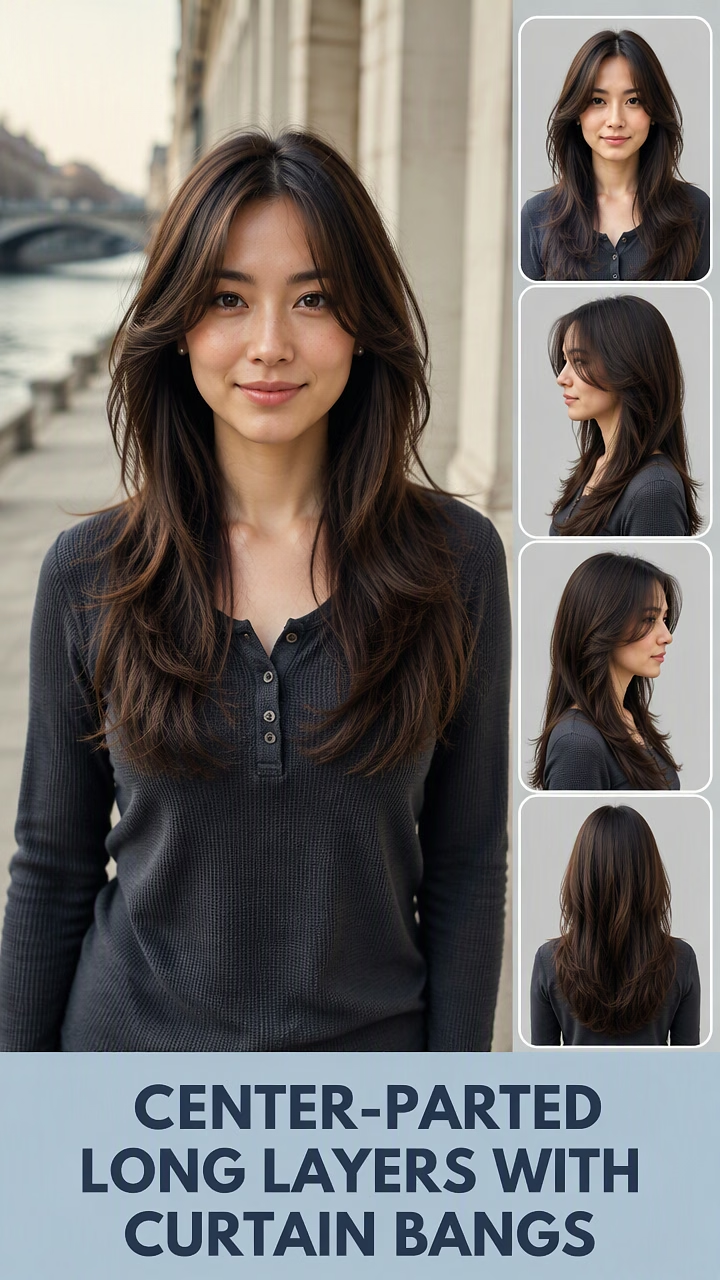
A center part and parted curtain fringe bring gentle structure to flowing long layers. The bangs sweep away from the forehead, usually beginning around the brows and lengthening toward the cheekbones, then melt into the face-framing sections. The rest of the cut can stay softly layered to keep the ends moving.
This look suits straight, wavy, and some loose curly textures, though natural shrinkage should be considered before cutting the fringe. It can complement oval and heart-shaped faces and create a soft frame around square features. Blow-dry the bangs forward, then direct each side away from the face with a round brush. A touch of lightweight mousse can help hold the sweep. Bangs require trims every 4–6 weeks, while the lengths can go longer. Ask for a curtain fringe that blends into long layers and can still tuck behind your ears.
Long Wavy Shag With Piecey Fringe
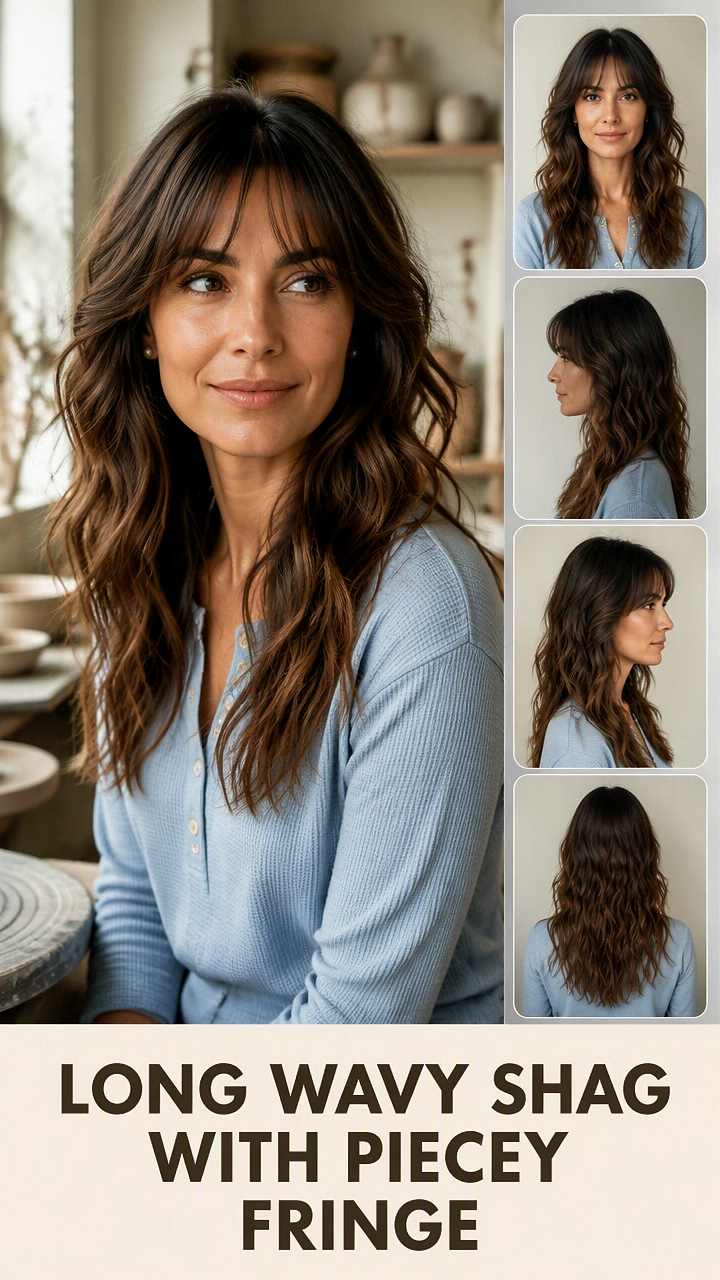
This lived-in cut mixes long, choppy layers with a textured outline and a relaxed, piecey fringe. The shorter crown sections add lift, while the layers around the sides and back keep the length from feeling heavy. Ends are deliberately less uniform than in a polished, blended cut.
Natural waves show off the shag’s movement with minimal effort, and thick hair can benefit from the weight being spread through the shape. Fine hair can wear a softer version with fewer, longer layers to preserve fullness. Scrunch in a light mousse or texture spray and air-dry, or diffuse for more definition. A fringe may need regular shaping, and the choppy outline can take patience to grow out evenly. Ask for a long shag tailored to your texture, with soft rather than overly short crown layers. Refresh it around every 8–10 weeks.
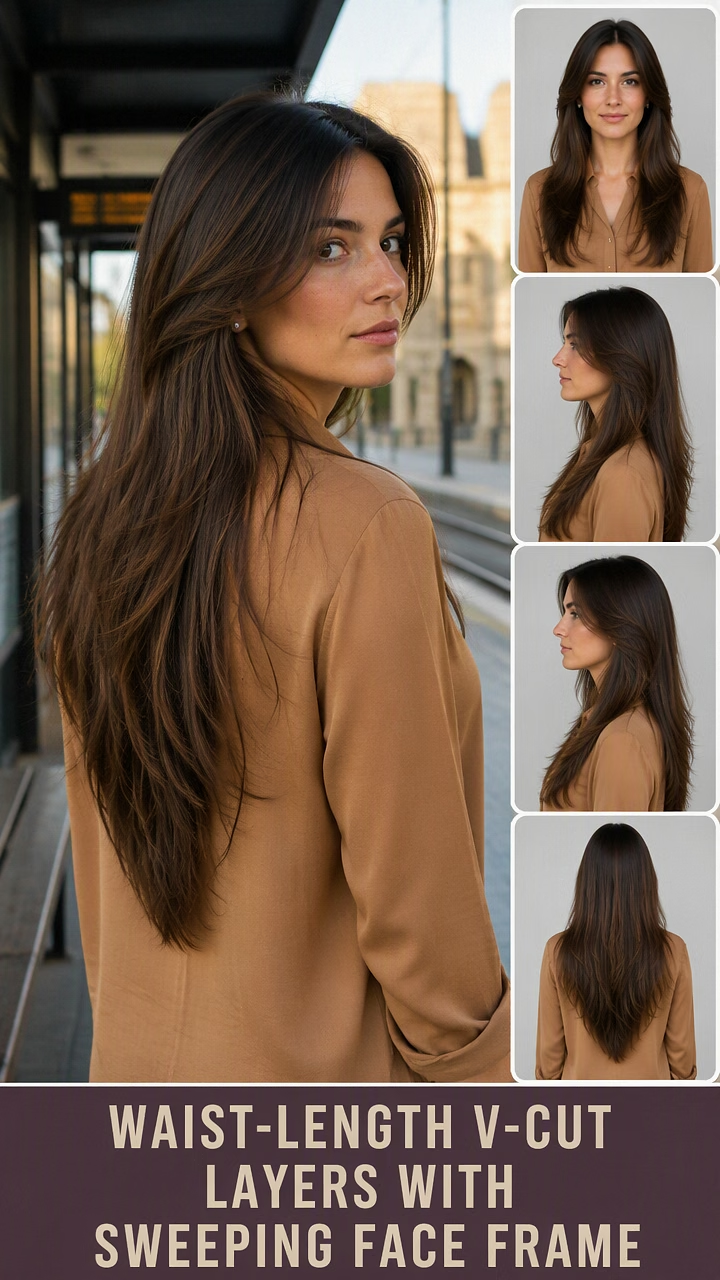
Long V-Cut Layers With A Pointed Back
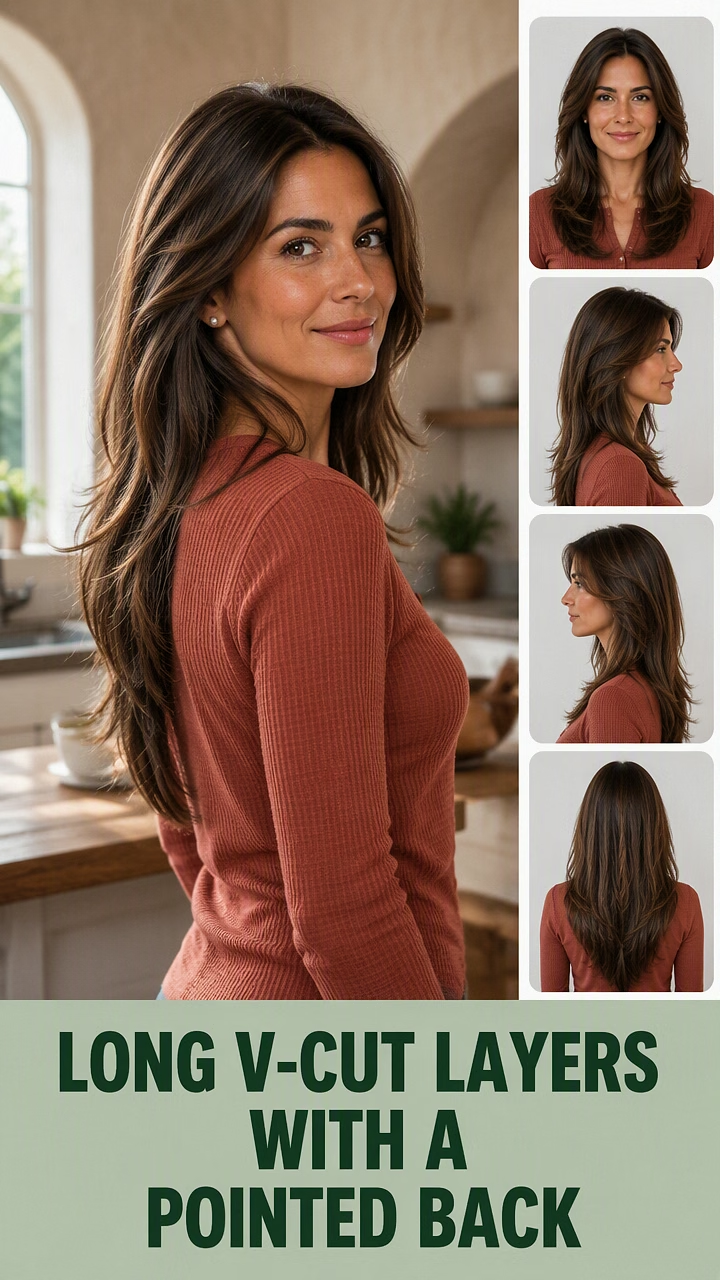
A V-cut creates a distinct, tapered point at the back, with the sides appearing shorter as they angle toward the center. Long internal layers add movement through the lengths while preserving a dramatic cascade, making the silhouette especially noticeable when the hair is worn down.
Straight and wavy hair show the shape clearly, while thick hair can benefit from carefully placed layers that reduce heaviness without thinning the ends too much. A center part emphasizes symmetry; a side part softens the outline. Wear it smooth or add loose waves to reveal the angled edges. Because a strong V needs a little styling to show its shape, very fine hair may prefer a gentler taper. Ask your stylist to demonstrate how pronounced the point will look from behind. Trim every 8–12 weeks to keep the back outline crisp.
Rounded U-Cut With Airy Long Layers
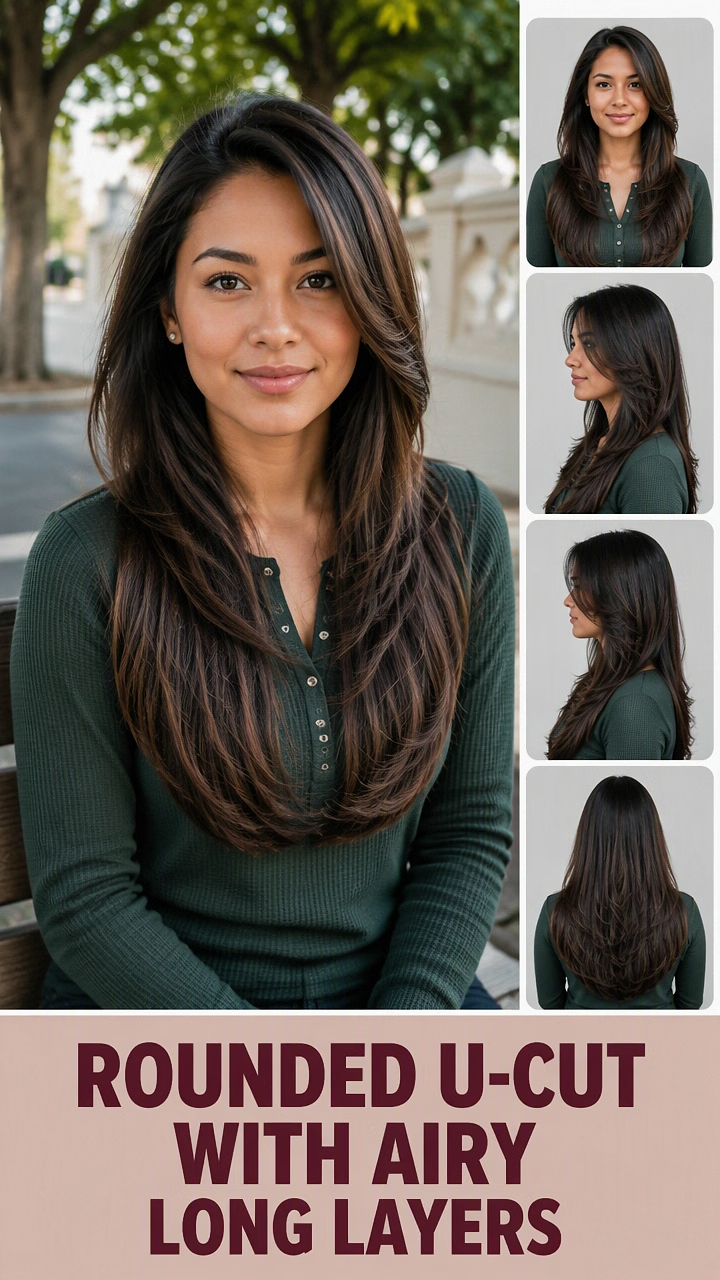
For a softer alternative to a pointed back, a U-cut curves gently around the perimeter, leaving the center back slightly longer than the sides. Long, airy layers begin below the shoulders and blend into the rounded outline, lending movement without a sharply sculpted finish.
The curve works well on straight and wavy hair and can help thick lengths feel less dense. It also suits anyone who wants a graceful shape that still looks natural when tied back. Blow-dry with a paddle brush for a smooth, easy finish, or add a few loose bends through the mid-lengths. Keep the ends lightly conditioned so the rounded edge looks polished. Ask for a soft U-shaped perimeter with long, connected layers—not a short, heavily layered crown. A trim every 8–12 weeks helps maintain the curve, and the grow-out is generally forgiving.
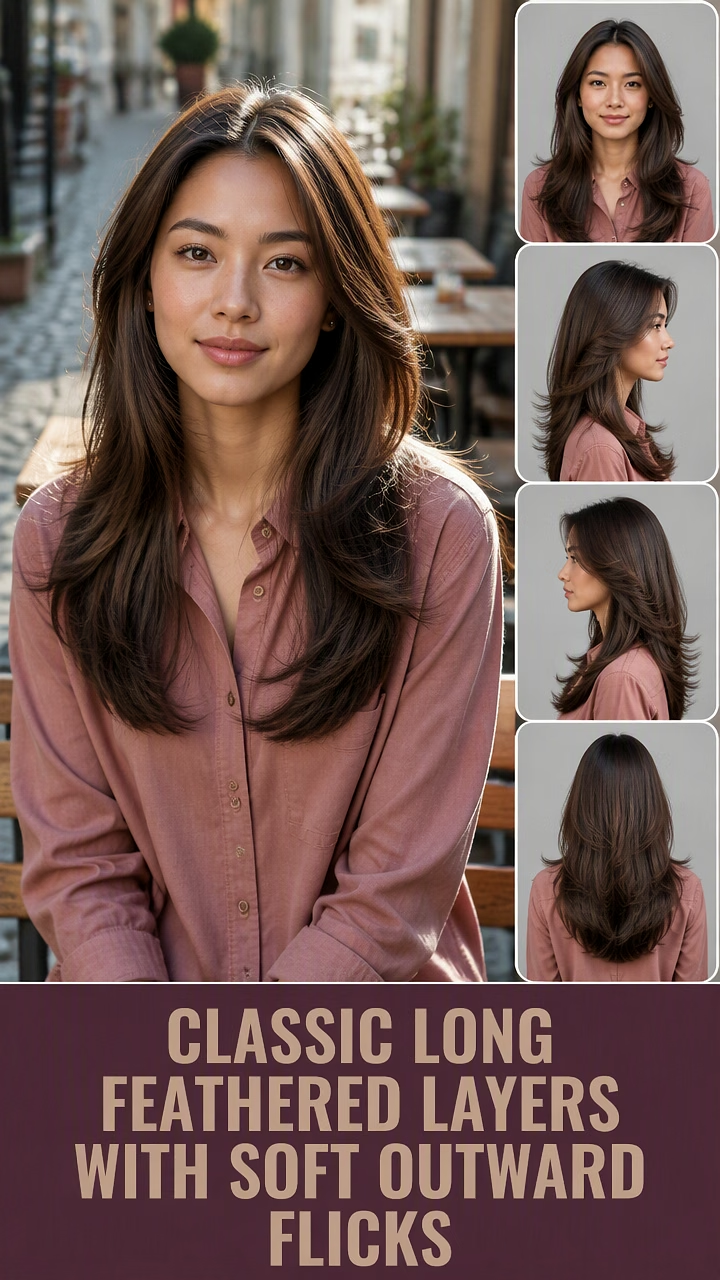
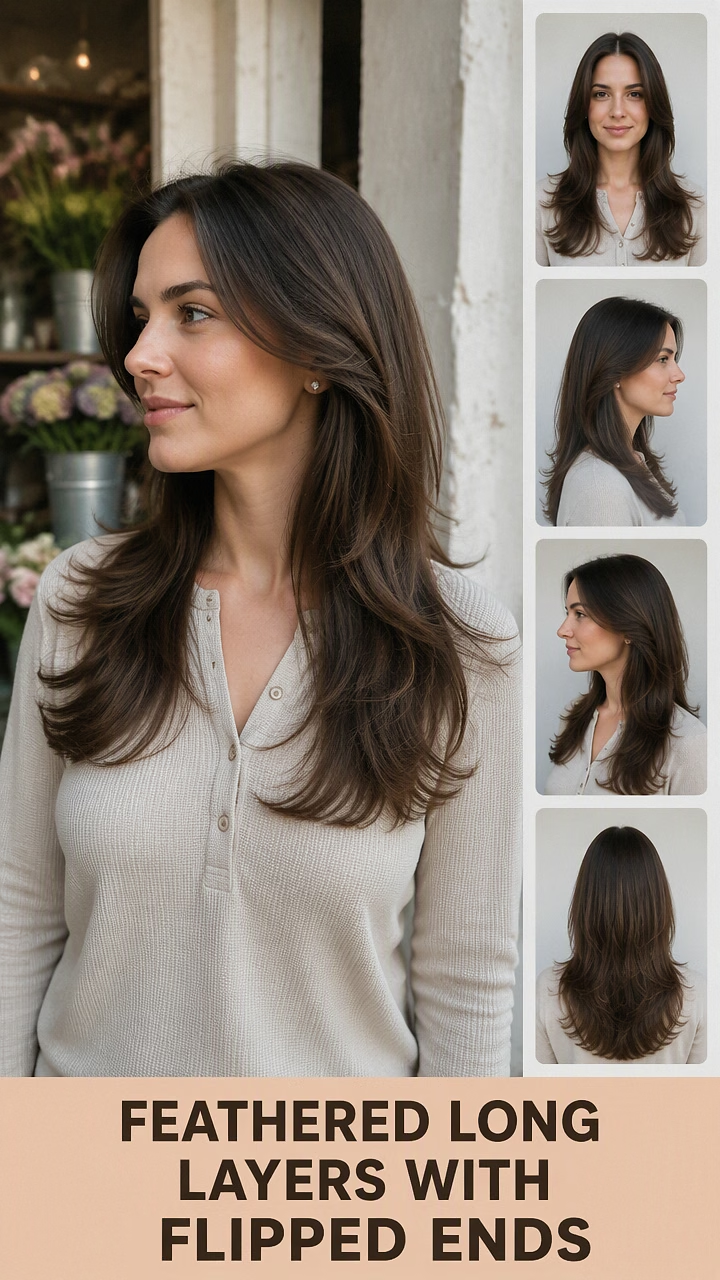
Feathered Long Layers With Flipped Ends
Read more : 27 Long Bob Hairstyles Asian Ideas That Feel Fresh, Soft, And Easy To Style
Feathered layers create a soft, airy edge, with front pieces and lower lengths styled outward for a gentle retro flip. The cut can remain long, with the most visible layers starting around the shoulders and feathering toward the face. The back keeps a flowing outline rather than a blunt, heavy edge.
This finish is especially pretty on straight or loosely wavy hair, and medium-density hair often shows the feathering clearly. It can soften angular features and add movement around the cheeks. Use a round brush to turn the ends away from the face, or wrap a few sections around a large curling iron. A smoothing cream can help keep the finish controlled. The flipped shape usually needs some heat styling, so it is less wash-and-go than a natural-wave cut. Ask for blended, feathered layers that still leave enough length at the ends. Trim every 8–10 weeks.
Whisper-Soft Hush Layers For Fine Hair
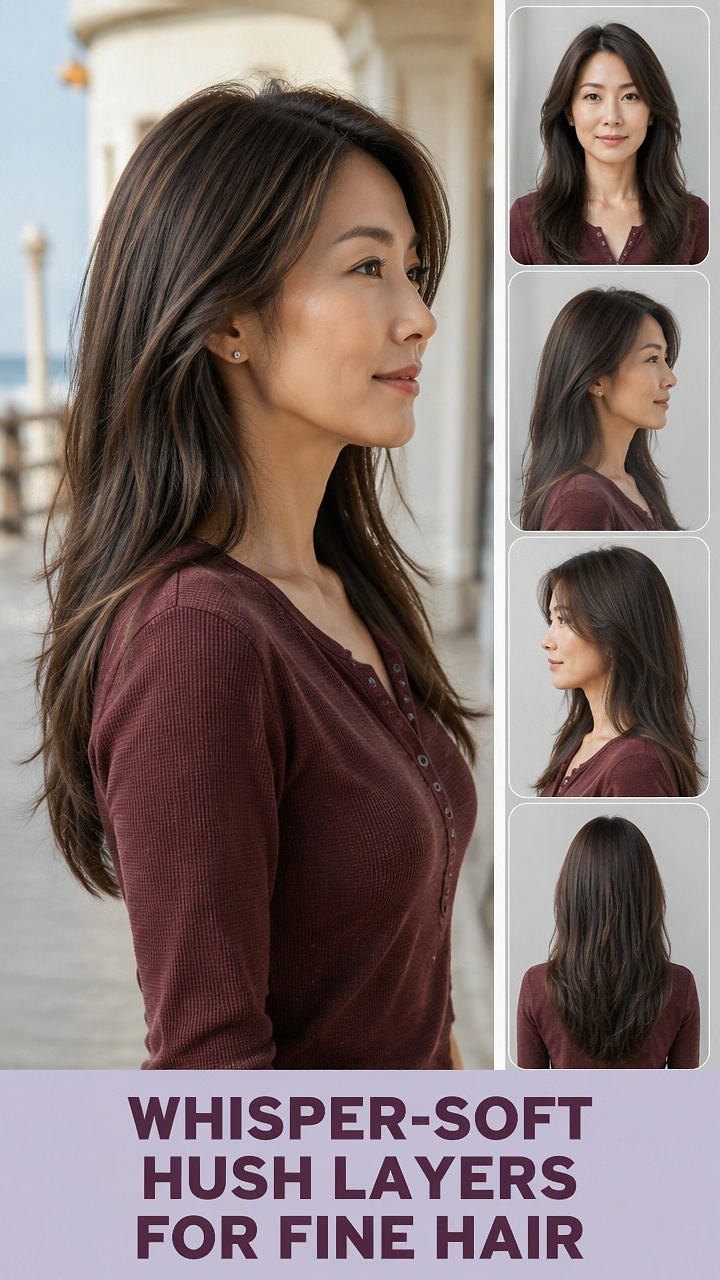
Hush layers are subtle and close to the overall length, with delicate framing around the face and only a small amount of layering through the ends. The result is a quiet, flowing shape rather than a dramatic transformation, allowing fine hair to keep a fuller-looking perimeter.
Straight and softly wavy textures suit this approach particularly well. A center part keeps the finish understated, while a gentle side part gives the front a little lift. Try a light volumizing mousse at the roots and a relaxed blow-dry; avoid heavy products that can weigh down fine strands. Ask your stylist to keep the layers long and sparse, focusing on movement near the face rather than removing too much density. This cut is low-fuss, but fine ends can show wear, so schedule trims around every 8–10 weeks. Its subtle shape grows out softly, making it a practical choice between salon visits.
Long Curly Layers With A Rounded Silhouette
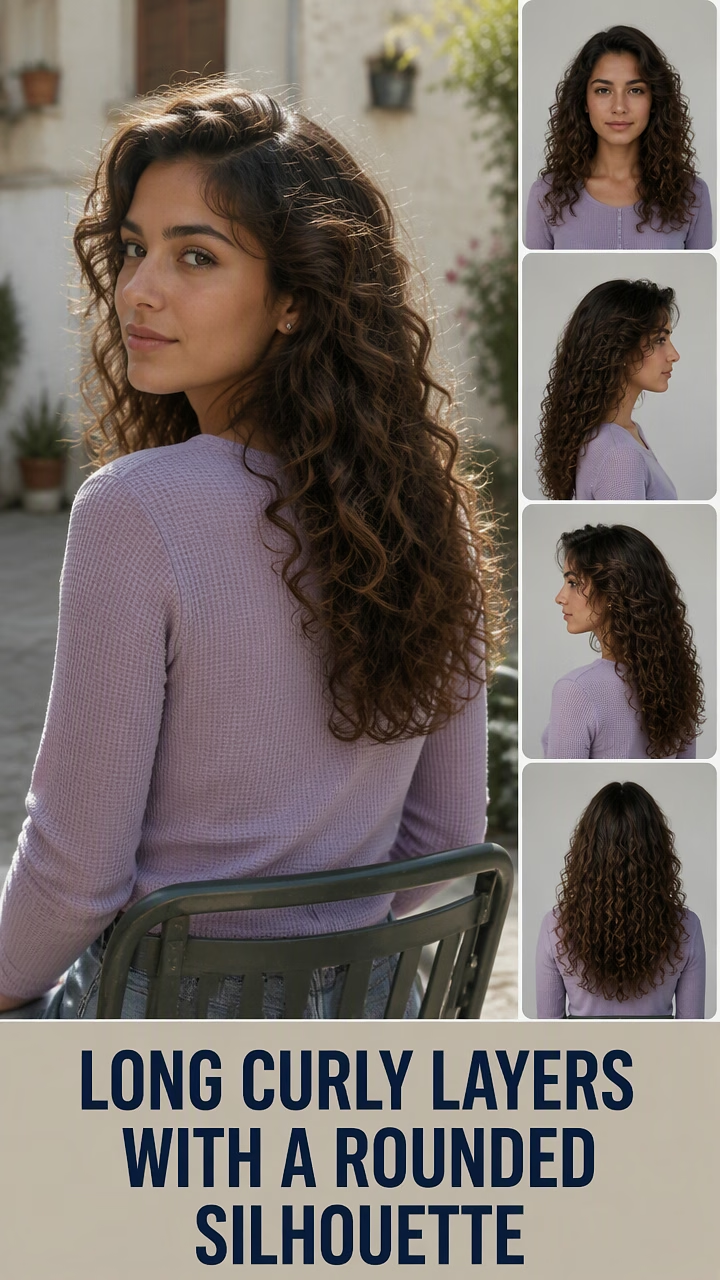
Long layers can give curls a rounded, buoyant shape by removing weight from selected sections while keeping enough length for the pattern to fall comfortably. The outline is softly curved rather than sharply pointed, and the layers should be planned around how each curl naturally springs up.
This is a lovely option for loose to tight curls that feel weighed down at the roots or too triangular at the ends. It can flatter many face shapes; a few longer pieces near the cheeks allow you to personalize the frame. Ask for a curl-aware cut, ideally assessed in its natural texture, and be clear about how much length you want to keep. Style on damp hair with leave-in conditioner or curl cream, then air-dry or diffuse. Curly shapes may need a refresh every 8–12 weeks, depending on the outline. Shorter layers can be more demanding to grow out.
Long Coily Layers With A Defined Halo Shape
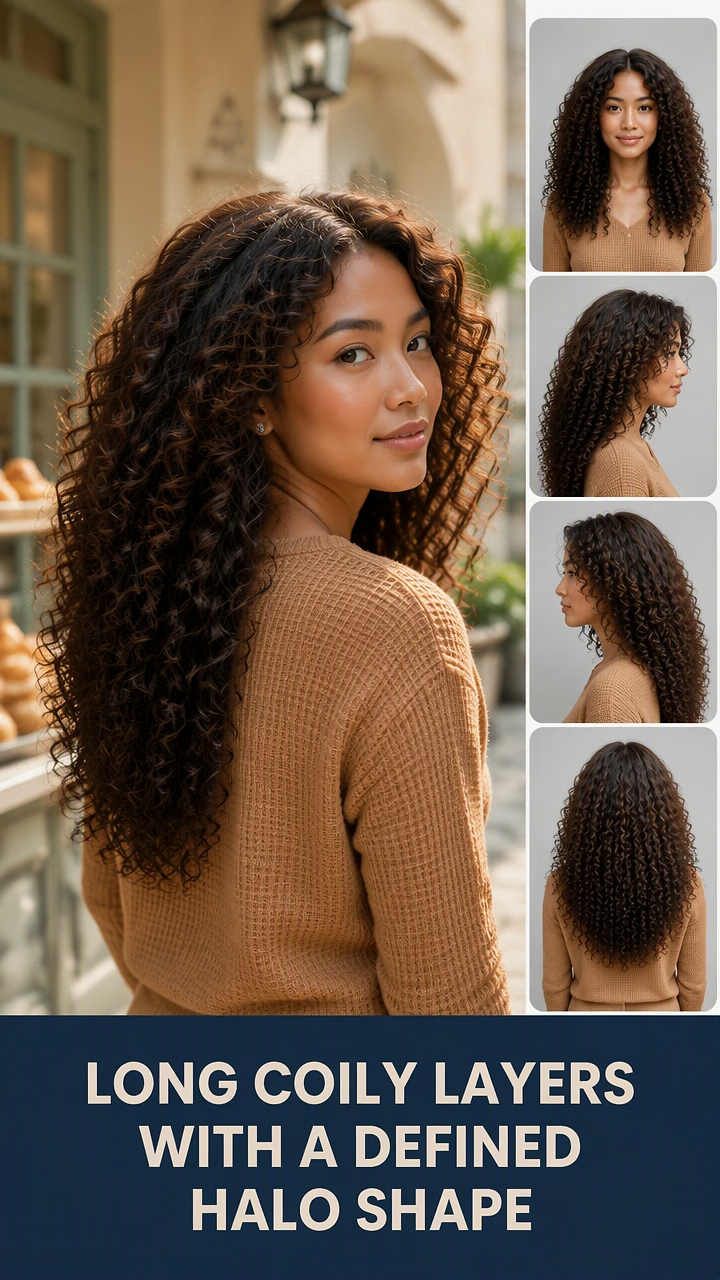
A rounded halo shape gives long coils a balanced outline, with carefully placed layers that let the texture build softly around the head instead of hanging heavily at the ends. The back remains long, while the sides and crown are shaped to encourage an even, expressive silhouette.
This cut is designed for coily textures and should be tailored to the way your hair sits when dry. A stylist experienced with coils can help account for shrinkage and preserve the density you want. Oval and heart-shaped faces may enjoy the framing, but the overall volume can be adjusted to suit personal preference. Apply a moisturizing leave-in and a styling cream in sections, then allow the coils to set without excessive handling. Ask for a rounded shape with long, strategic layers—not a thin, wispy finish. Refresh the perimeter every 8–12 weeks or as the shape softens; daily styling may take time when defining individual sections.
Sunlit Balayage Waves With Long Swooping Layers
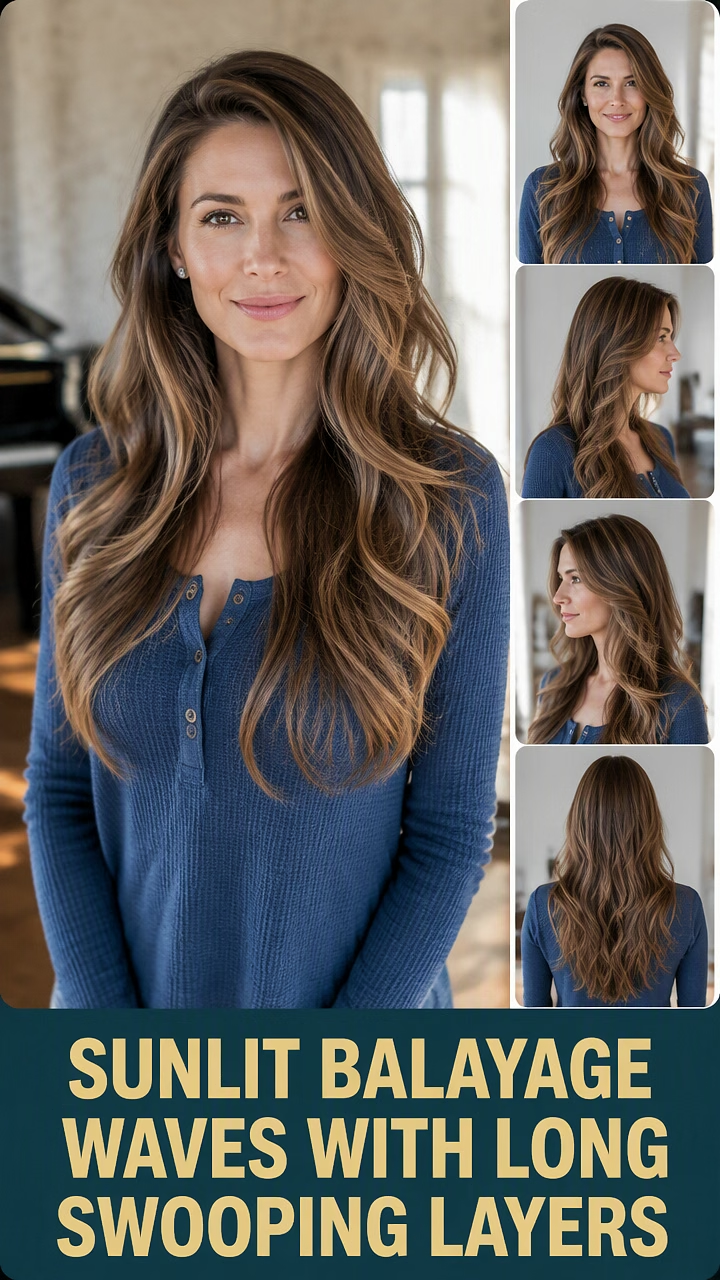
Long, swooping layers create a cascading outline that pairs beautifully with loose waves and softly blended balayage. The front pieces can begin around the chin, then sweep back into the longer sides; the back stays long enough to show a gradual fall of color and movement.
Warm caramel, honey, or beige ribbons can add dimension to a brunette or dark blonde base, while a softer tonal blend keeps the result understated. Wavy and medium-to-thick hair make the shape especially visible; straight hair can use a curling wand for a similar effect. Apply heat protectant before styling, then brush through loose curls for a relaxed finish. Color upkeep depends on the chosen contrast, so ask for a low-contrast blend if you prefer fewer salon refreshes. Request long, connected layers and balayage placed to complement your natural base. Trim every 8–12 weeks to keep the ends healthy-looking.
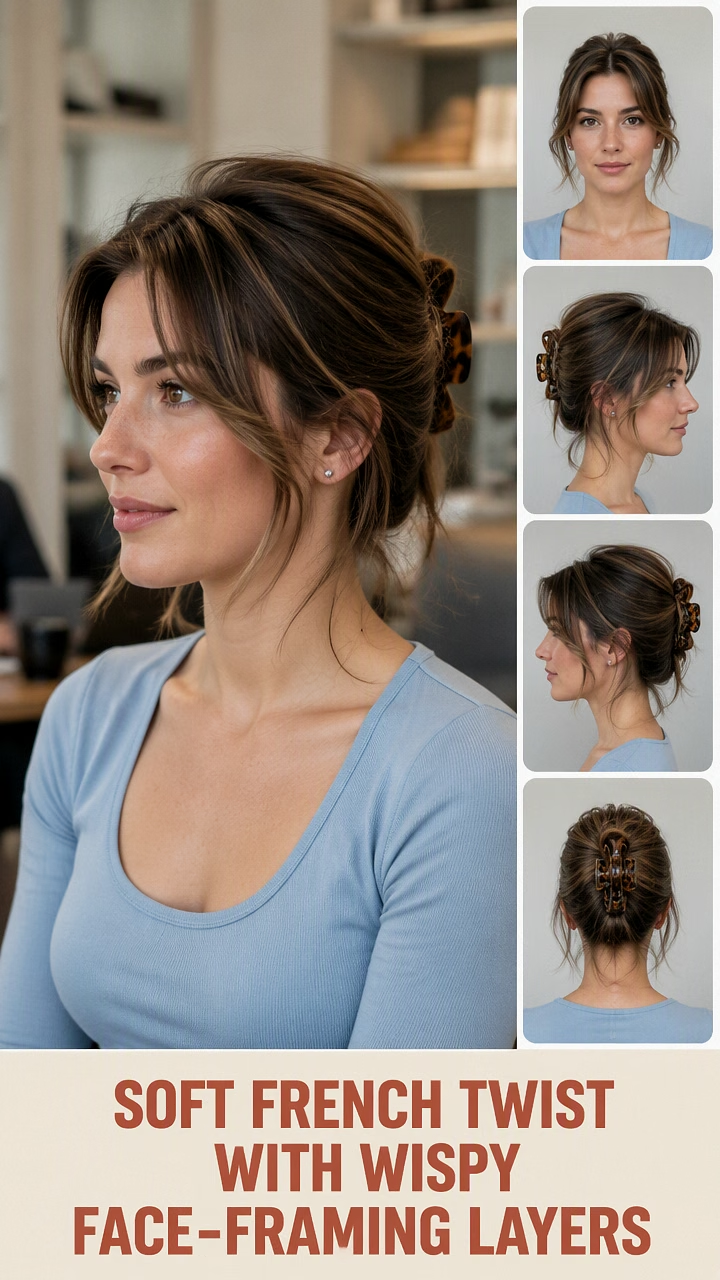
Sleek Long Layers With Chin-Length Face Framing
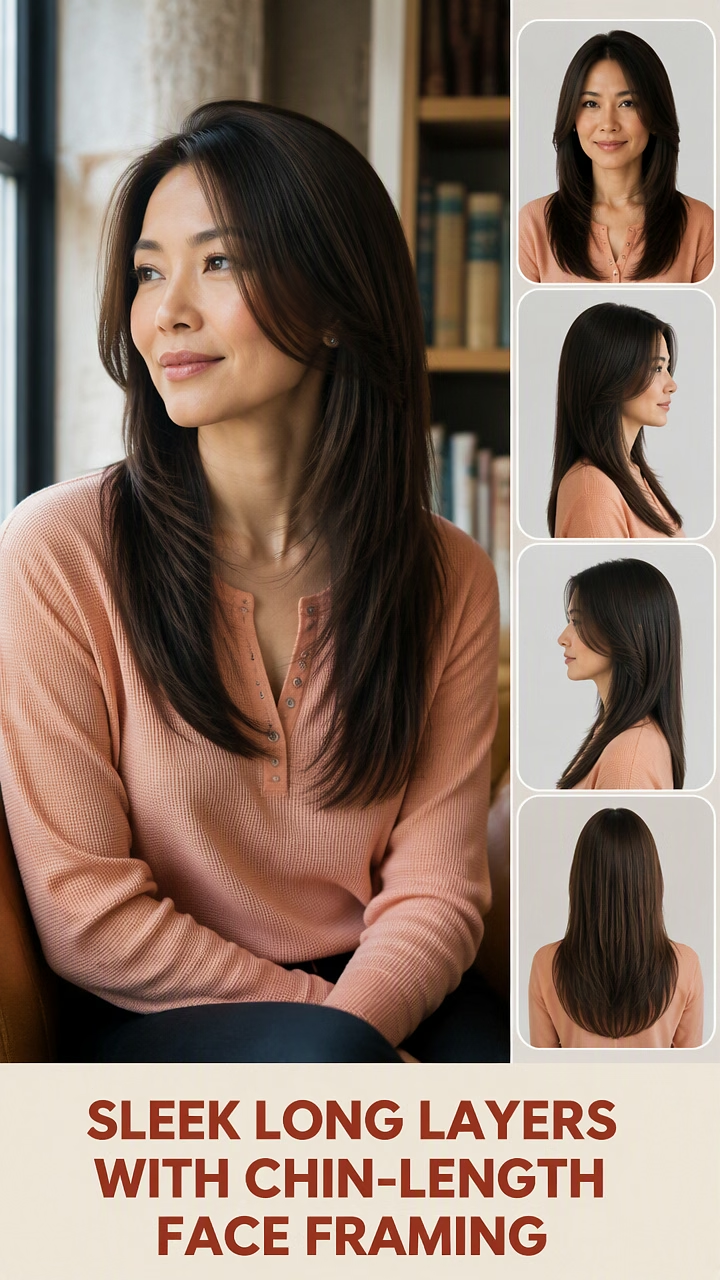
This polished cut keeps the main length long and smooth, with front sections beginning around the chin and blending gradually into the rest of the hair. The back stays streamlined, while the face-framing pieces create a clear outline that remains visible even when the hair is worn straight.
It suits straight and slightly wavy hair, especially if you enjoy a neat, glossy finish. A center part emphasizes symmetry; a side part makes the frame feel more swept and relaxed. Use a heat protectant and a blow-dryer with a nozzle, then smooth only where needed with a flat iron. A lightweight serum can finish the ends without making them look oily. Ask for long, chin-length framing with minimal layers through the back. This cut is versatile, but sleek styling can take time and needs heat care. Trim every 8–10 weeks to keep the front pieces crisp.
Side-Parted Long Layers With A Sweeping Fringe
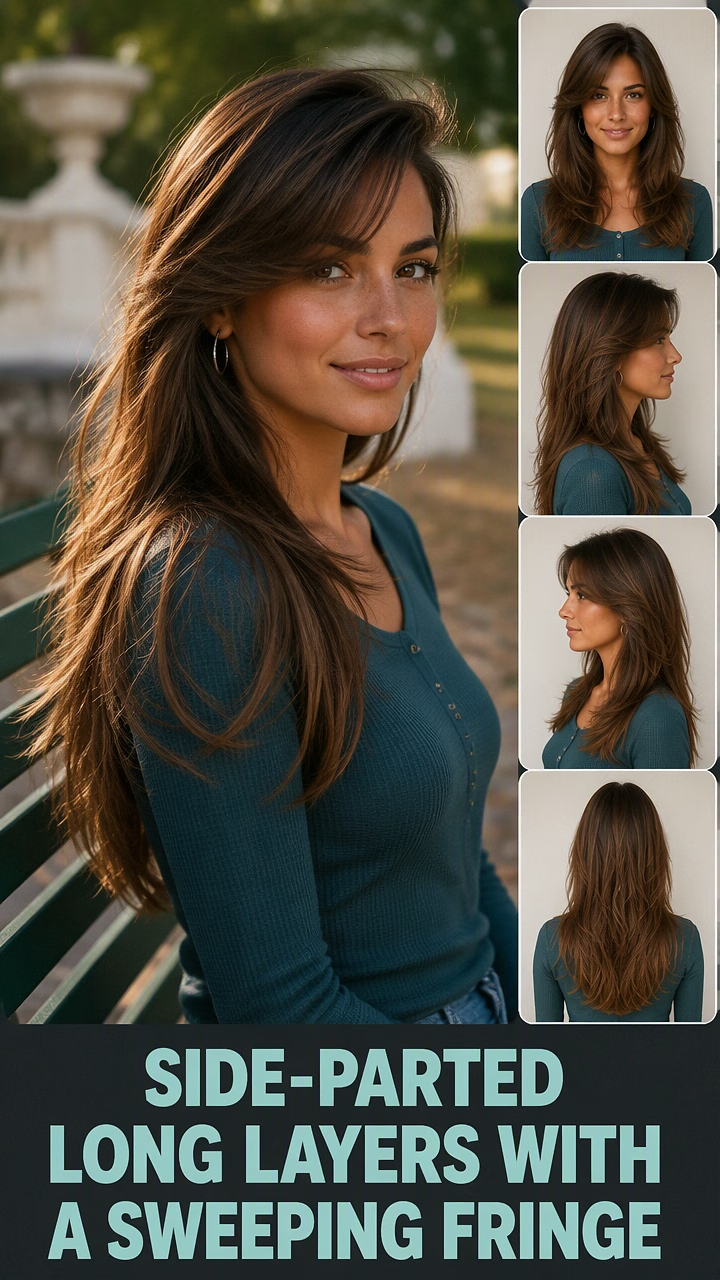
A deep or natural side part brings a sweeping fringe across the forehead and into long layers. The heavier side falls softly beside the cheek, while the opposite side stays tucked or swept back. Long, blended layers through the back preserve the overall length and give the front movement.
This adaptable shape works on straight, wavy, and some curly hair, depending on how the fringe is cut. It can add softness around a square jaw or create an angled frame for rounder features. Blow-dry the fringe in the direction you want it to fall, then let the lengths air-dry or add loose waves. Ask for a long fringe that can still be tucked away, especially if you are new to bangs. It needs more frequent trims than a fringe-free cut, and a side part may need resetting after washing. Refresh the fringe every 4–6 weeks and the layers every couple of months.
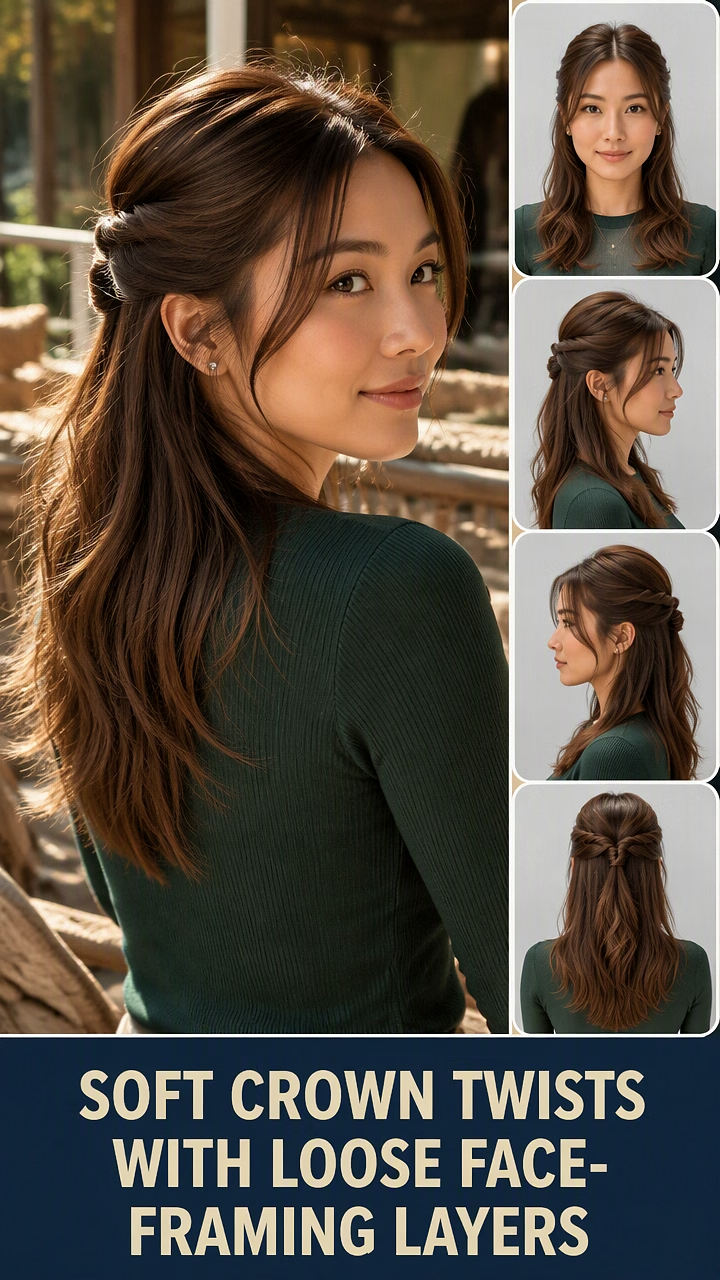
Long Wispy Bangs With Delicate Face-Framing Layers
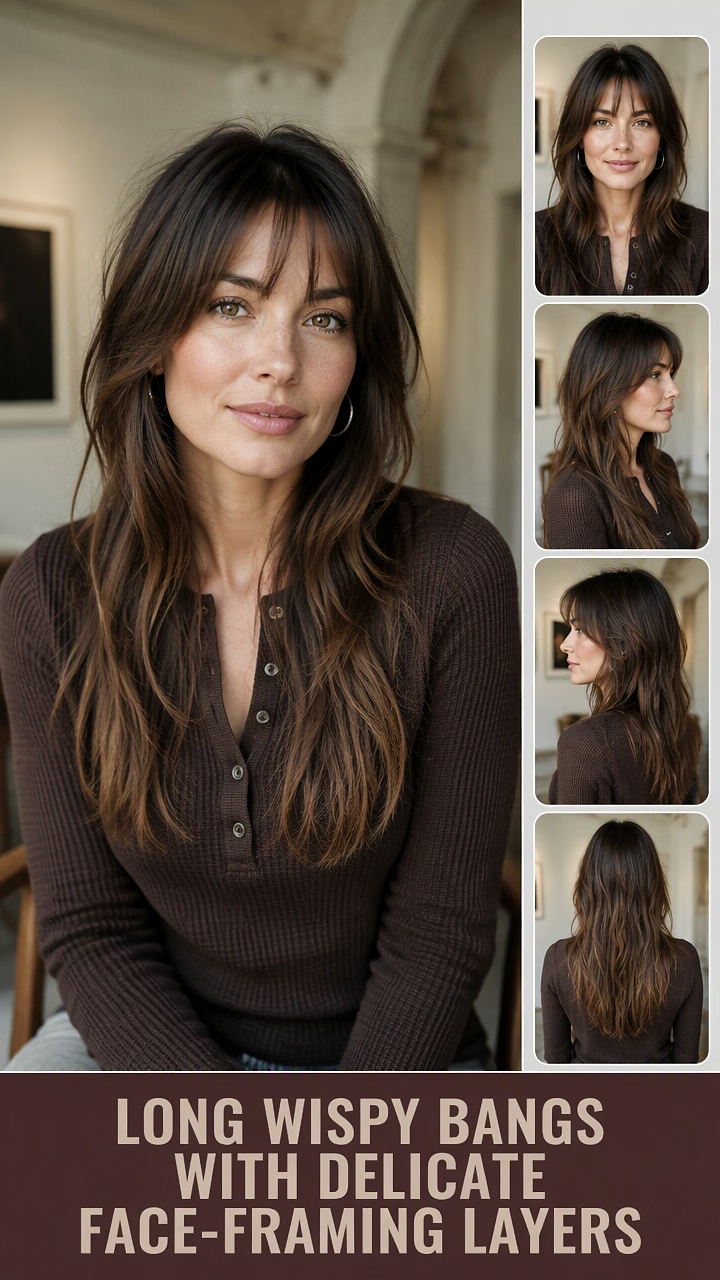
Light, wispy bangs offer a softer alternative to a full fringe, leaving small spaces between the strands so the forehead remains partly visible. They connect to delicate face-framing layers around the temples and cheeks, while the rest of the hair stays long with minimal, blended layering.
The look is especially lovely on straight and loose wavy textures, though a stylist can adapt the fringe to natural curl patterns. It suits anyone who wants a gentle change without committing to a dense bang. Blow-dry the front with a small round brush or let it fall naturally with a little lightweight styling cream. Ask your stylist to cut the fringe dry or carefully account for your natural texture and cowlicks. Wispy ends need periodic shaping and can separate in wind or humidity, so keep a small brush handy. Trim every 4–6 weeks, with a longer interval for the rest of the cut.
Long Wolf Cut With A Lifted Crown
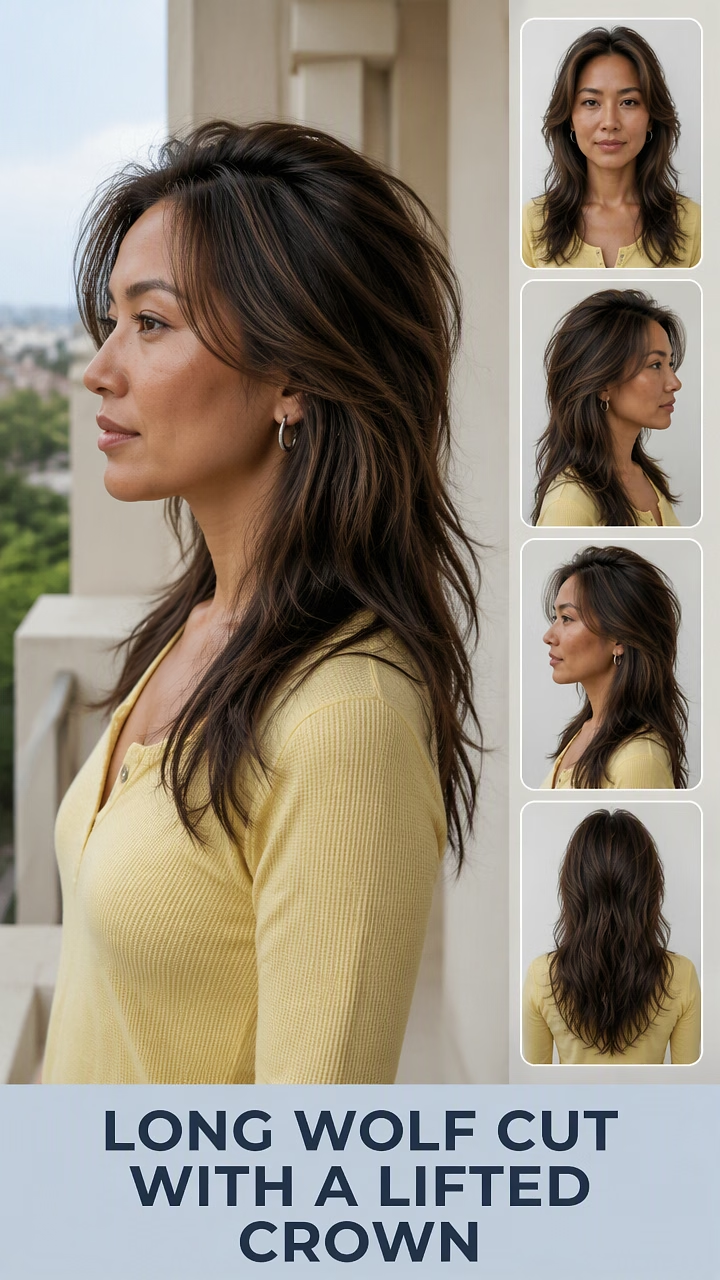
The long wolf cut combines a fuller, more textured crown with longer lengths and a tapered, shag-inspired outline. Layers are shorter near the top and around the face, then stretch into longer ends at the back. The overall look is more piecey and dramatic than a softly blended long shag.
It tends to show best on thick, wavy, or naturally textured hair, while fine hair may need a gentler version to avoid losing too much weight. A diffuser and mousse can emphasize natural movement; a curling wand can create loose, separated bends on straighter hair. Ask your stylist to keep the back length and explain how short the crown layers will sit. This cut often benefits from styling to hold its lifted shape, and its shorter sections can take patience to grow out. Refresh every 8–10 weeks if you want to maintain the silhouette.
Long Layered Cut With Smooth Outward Flicks
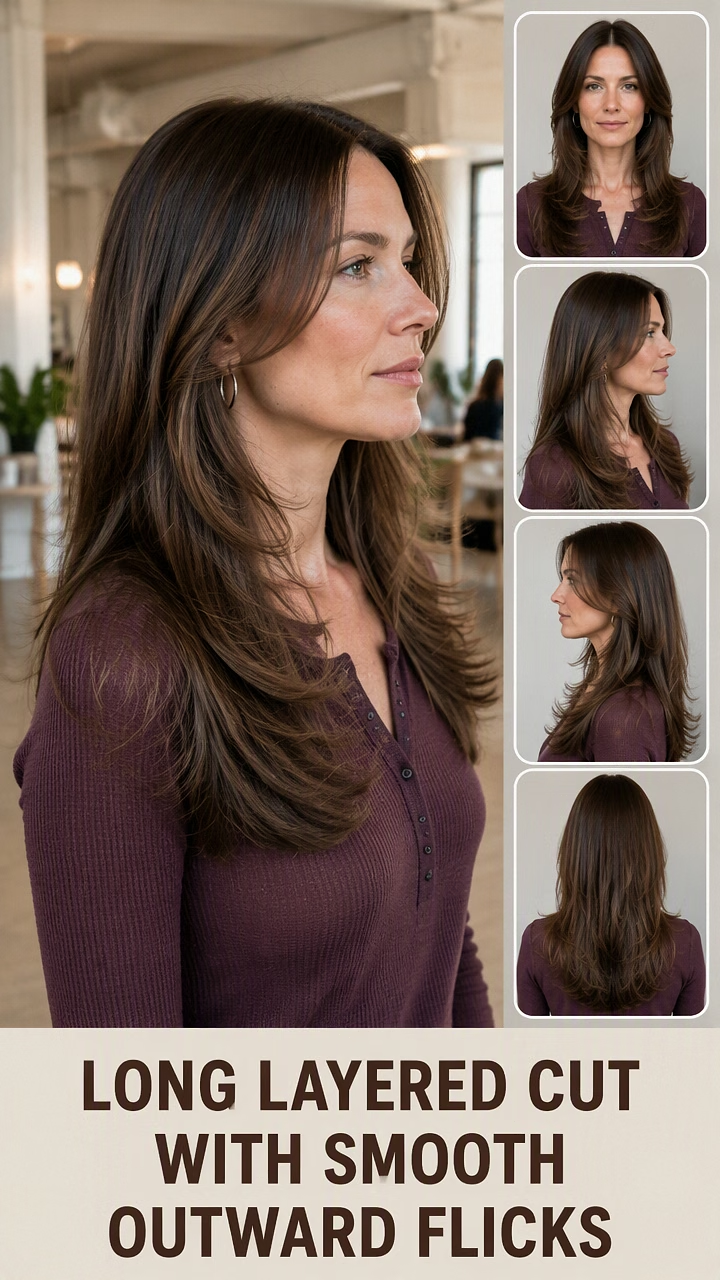
This polished, playful shape keeps the hair long while adding layers that turn outward through the mid-lengths and ends. The face-framing pieces can begin at the cheekbones or jaw, with longer sections through the back so the flicks look connected rather than sharply stacked.
Straight and lightly wavy textures make the curved finish easiest to create. It can bring softness to an oval or heart-shaped face and add a little width beside a longer face. Blow-dry with a round brush, turning the ends outward, or use a large-barrel iron for a few controlled bends. A flexible-hold spray can help keep the flick without making the hair stiff. Ask for long, smooth layers designed to flip at the ends, with the exact starting point chosen for your face and length. This look requires styling time; trims every 8–10 weeks keep the ends neat.
Waist-Length Layers With A Flowing Mermaid Shape
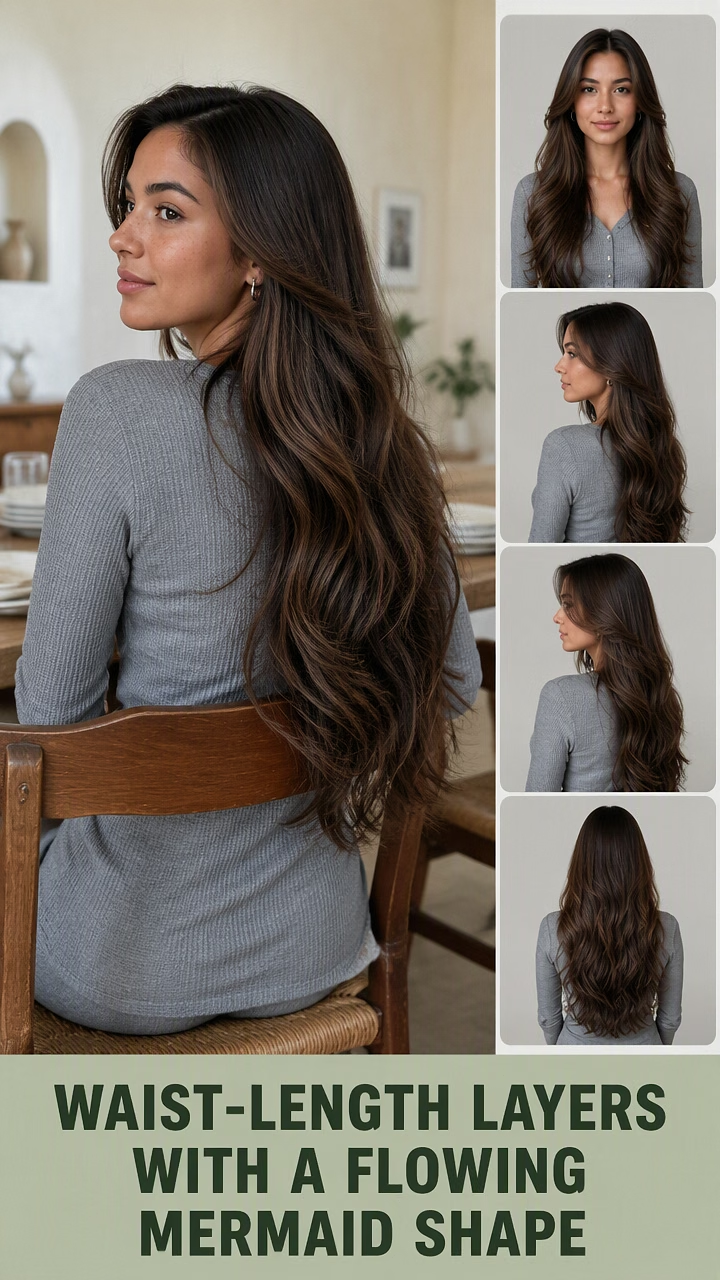
Waist-length hair gets a more deliberate silhouette when long, gradual layers begin below the shoulders and flow toward a softly tapered or rounded perimeter. The top stays largely intact, while the lower lengths gain enough movement to sway instead of hanging as one solid curtain.
This dramatic length suits straight and wavy textures, and thick hair can benefit from selective weight removal. Fine hair may prefer fewer layers to keep the ends looking substantial. Wear it loose and sleek, or braid it overnight for relaxed waves. A detangling brush and lightweight leave-in can make daily care easier, especially after washing. Ask for long layers that preserve fullness at the bottom and a shape that will still look good tied back. Extra-long hair takes time to dry and can feel heavy, so consider your routine. Trim every 8–12 weeks to maintain the outline.
Long Layers With A Full Blunt Fringe
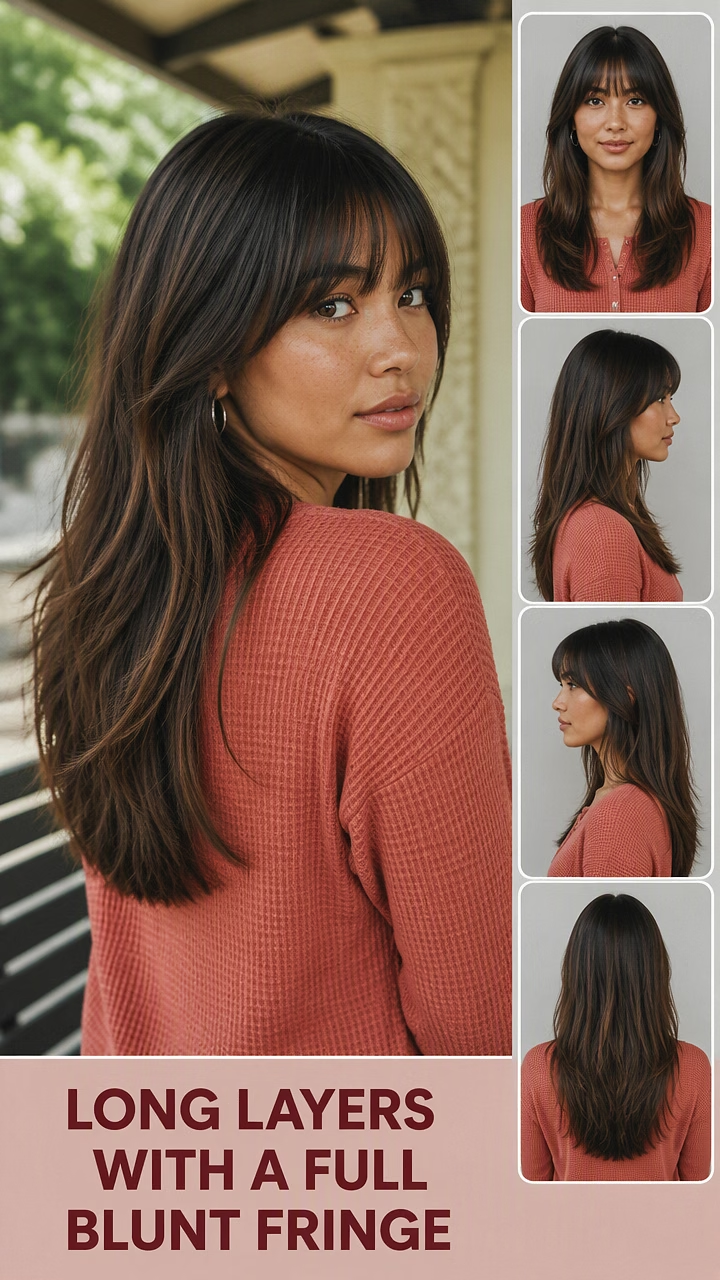
A full, straight-across fringe creates a bold focal point against long, flowing layers. The fringe usually sits near the brows, while the sides lengthen into face-framing pieces and the back remains softly layered. The contrast between a clean fringe and moving lengths gives the cut a balanced, modern feel.
Straight and medium-to-thick hair can make the fringe easiest to maintain, though a stylist can tailor the density for other textures. The look can emphasize the eyes and add a strong frame to oval faces; a lighter fringe may feel more comfortable on a smaller forehead. Blow-dry the fringe soon after washing to guide its shape, then style the lengths as desired. Ask for a fringe density that suits your hairline and daily routine. Bangs need trims every 3–5 weeks and can require daily attention; the long layers are more forgiving.
Thick Long Hair With Internal Layers And A Full Edge
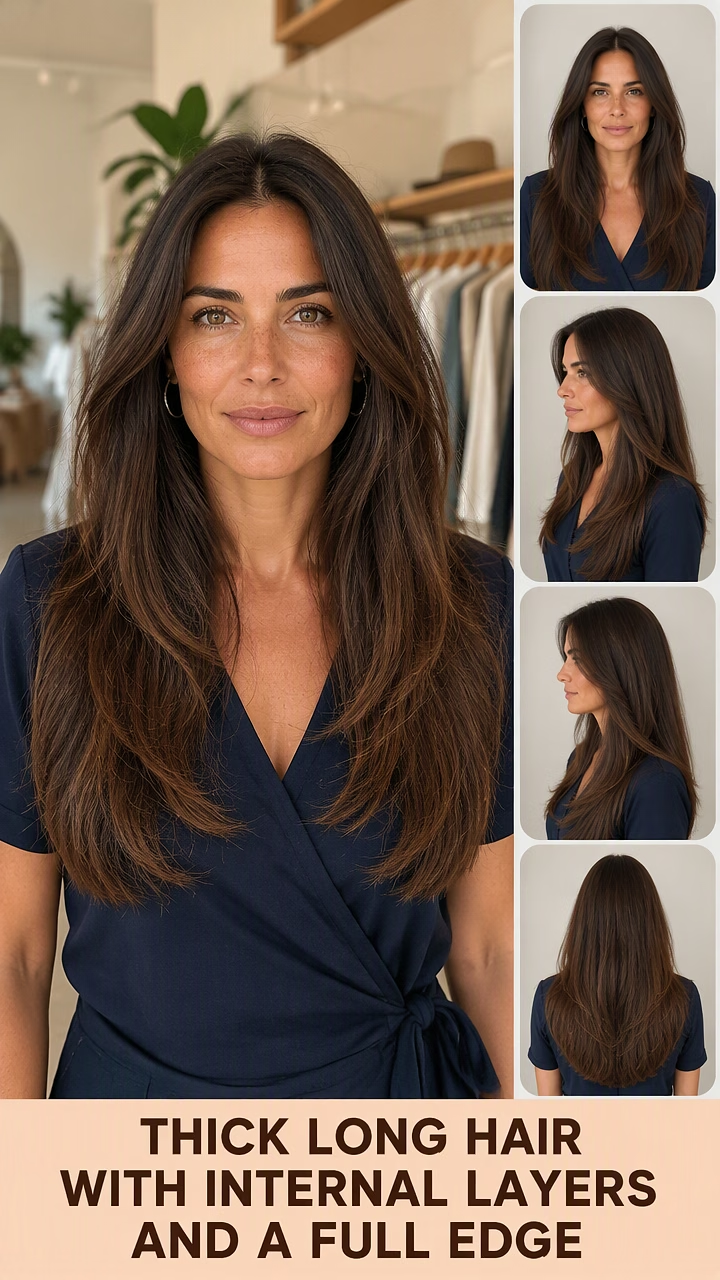
This cut keeps a substantial, nearly blunt perimeter while using internal layers to loosen dense hair from within. The outside still looks full and smooth, but the hidden shaping lets the lengths move more easily and helps prevent a heavy, block-like finish. Face-framing sections are optional and can be kept long.
It is particularly useful for thick, straight or wavy hair that feels bulky, but the stylist should avoid over-thinning the ends. A center part and sleek finish highlight the full edge; loose waves reveal the internal movement. Use a smoothing cream or heat protectant before blow-drying, and a paddle brush for a simple everyday finish. Ask for discreet internal layering with a strong perimeter, and show how much fullness you want to retain. The result is relatively easy to wear, though very thick hair can take longer to dry. Trim every 8–12 weeks to preserve the edge.
Long Beach Waves With Textured Layered Ends
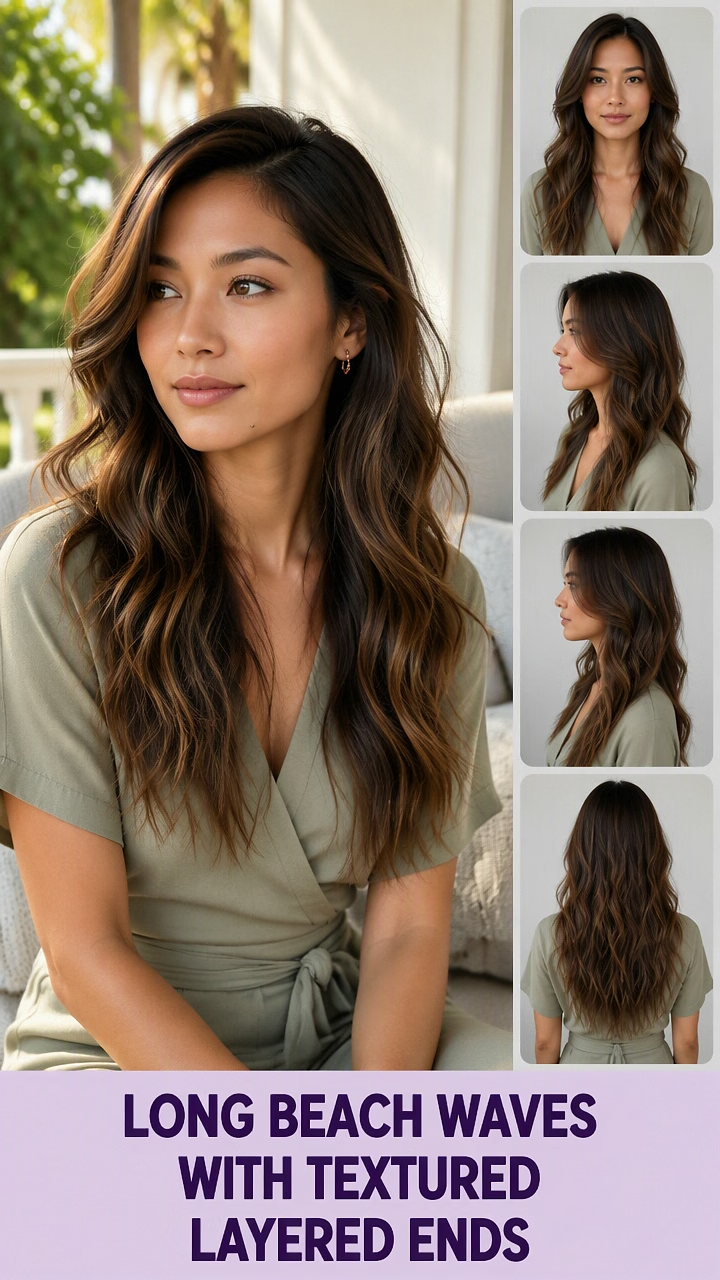
Long, textured layers add separation through the lower half of the hair, while a relaxed, gently irregular perimeter keeps beach waves from looking overly arranged. The face-framing pieces remain blended, and the back is left long enough for a carefree, flowing outline.
This look suits natural waves and medium-to-thick hair particularly well. Straight hair can achieve the texture with a braid or curling wand, though that adds styling time. Work a small amount of mousse or salt-free texture product through damp lengths, then air-dry or diffuse; scrunching can encourage definition. A heat protectant is useful if creating waves with hot tools. Ask for soft texture at the ends rather than short, disconnected layers, especially if you want easy ponytails. The undone finish is forgiving, but textured ends can feel dry if over-layered. Trim around every 8–10 weeks to keep the outline fresh.
Long Step Layers With A Dramatic Swooping Shape
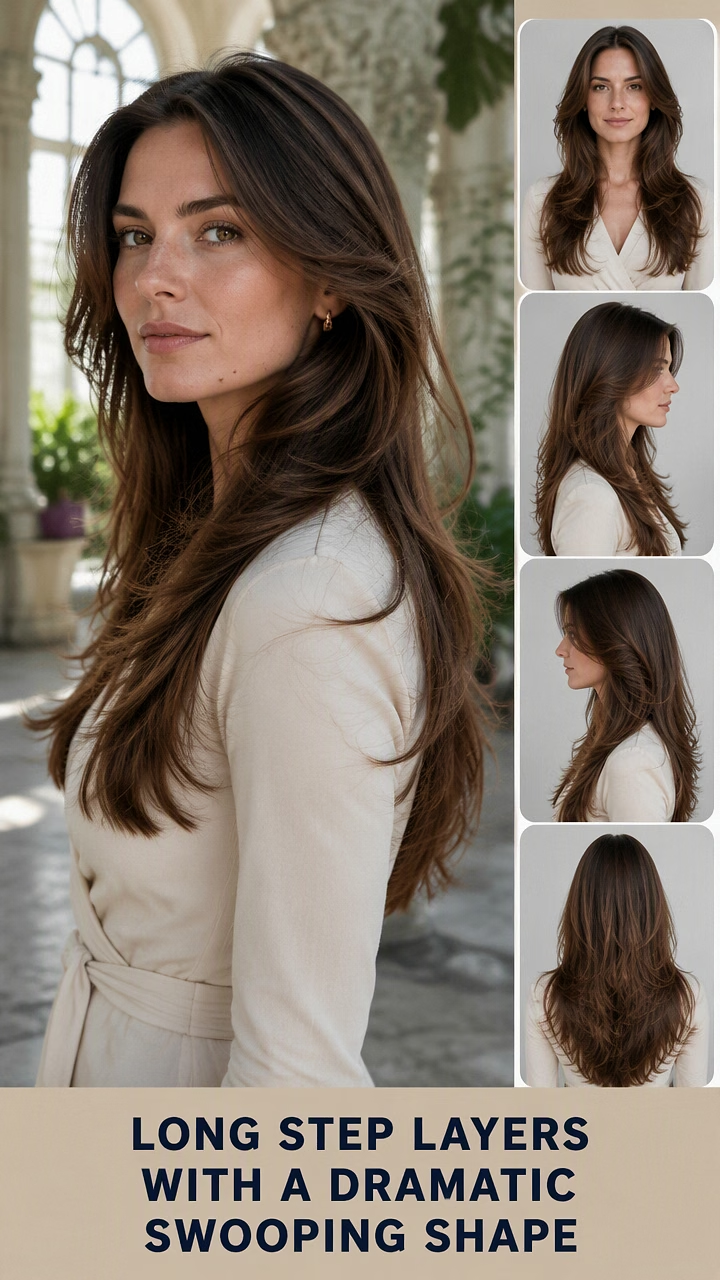
Step layers create more visible tiers than a seamless, blended cut, with sections that fall in distinct sweeps from the upper lengths toward the ends. The front can start around the jaw or collarbone, while the back remains long, giving the silhouette a bouncy, sculpted quality when styled.
This look works best on medium-to-thick hair that can support the separate sections; finer hair may prefer softer transitions. A round-brush blowout or large curling iron helps the steps curve and show their shape. Ask for connected step layers with a clear but not overly abrupt separation, and decide together where the first tier should begin. The layered outline is expressive, but it can take longer to style than a subtle cut and may need reshaping as it grows. Schedule a trim every 8–10 weeks, or choose a softer version if low maintenance is your priority.
Find Your Long-Layered Look
The best long-layered haircut is the one that feels beautiful on your real hair and still fits the way you like to get ready. Bring your favorite shape to a stylist, then adapt the layers, fringe, and perimeter to your texture, face shape, styling habits, and trim schedule. A thoughtful adjustment can make a trend feel entirely your own.
Sources: https://www.hairstyleeditor.com
Category: Long