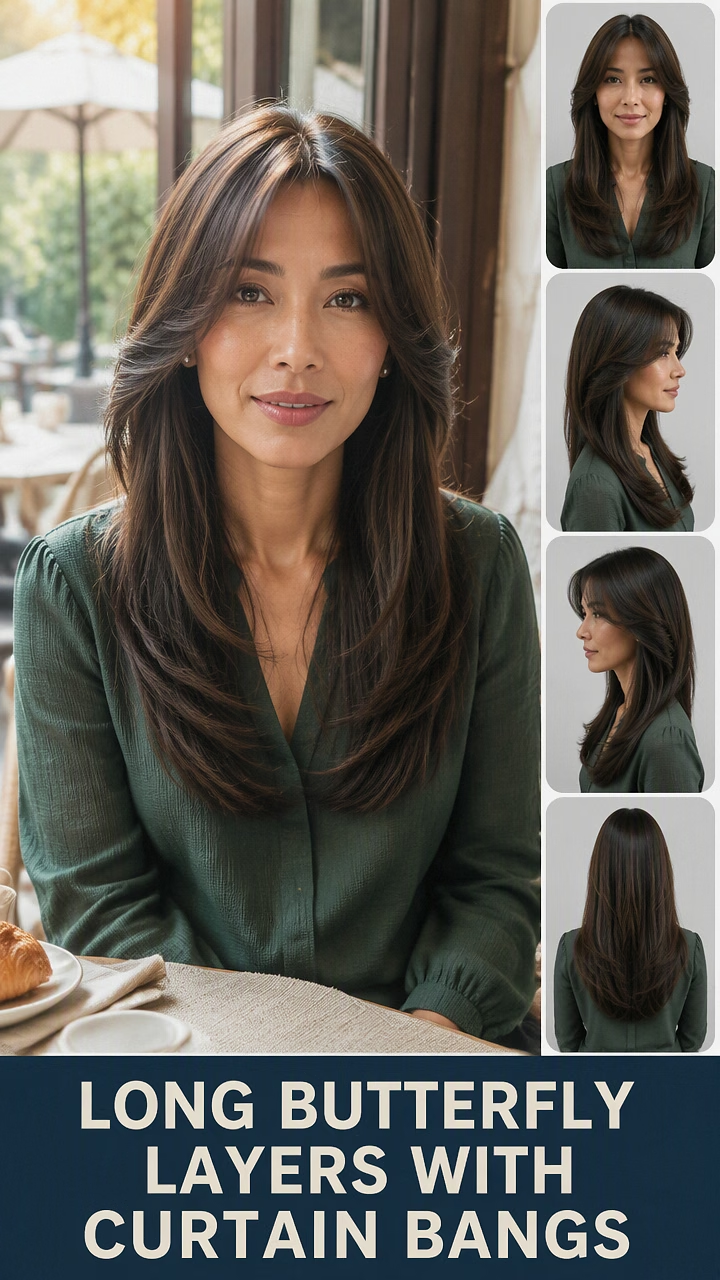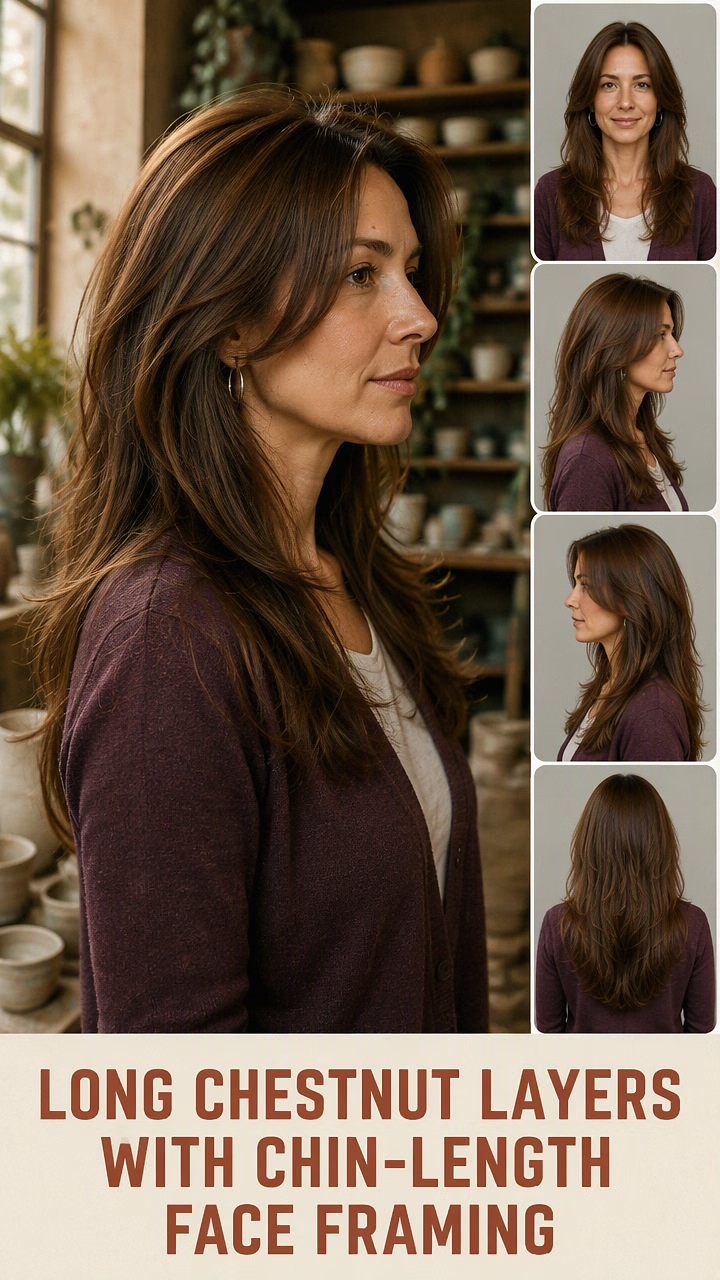
- 26 Long Bob Hairstyles For Thick Hair Straight Medium Length Haircuts Ideas That Look Sleek, Fresh, And Easy To Style
- 26 Long Bob Hairstyles Korean Ideas That Look Soft, Modern, And Easy To Style
- 21 Long Shag Hairstyles No Bangs For Effortless, Flattering Movement
- 21 Long Shag Hairstyles Round Face Ideas For Soft, Flattering Movement
- 21 Layered Long Blonde Hairstyles For Soft, Flattering Movement
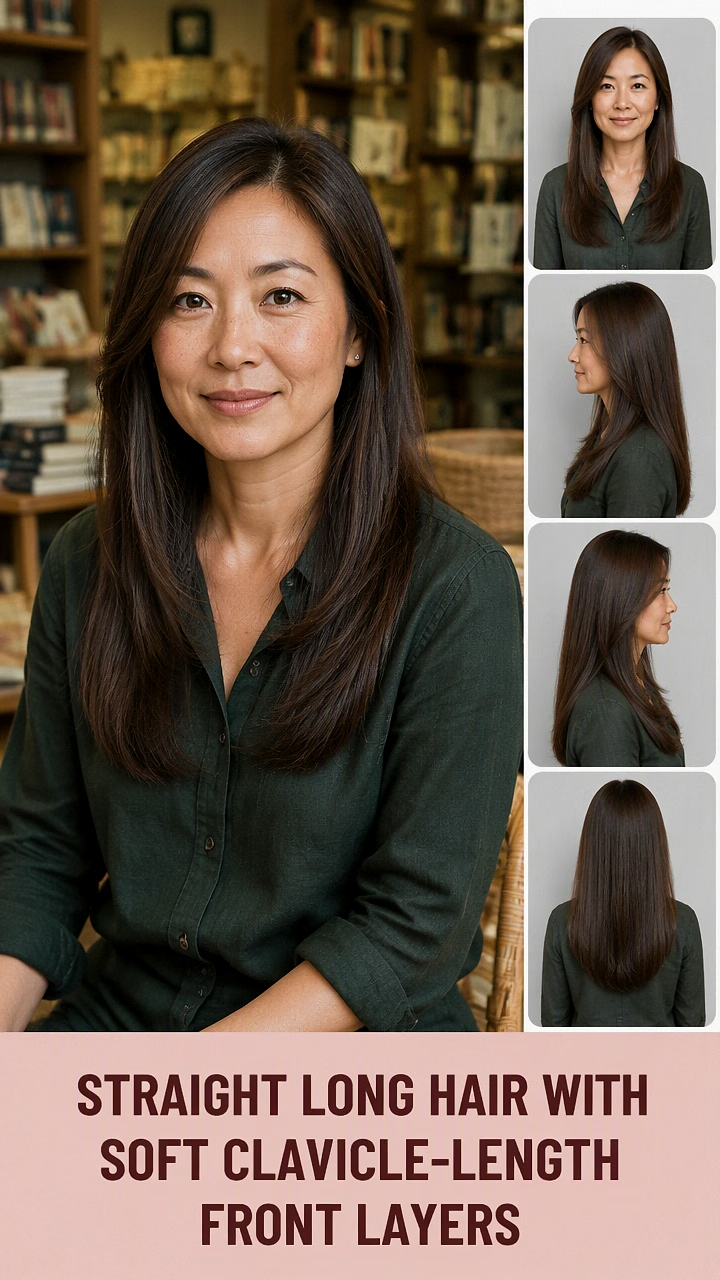
Long hair can feel like part of who you are: familiar, beautiful, and wonderfully versatile. But when it starts to feel heavy or a little too predictable, short layers can bring the shape back to life without asking you to give up your length. Think airy pieces around your face, a soft swing through the ends, and a cut that feels polished while still looking like you.
You Are Watching: 22 Long Hairstyles With Short Layers For Soft, Flattering Movement
The right version depends on your texture, styling habits, and how much change you want. Some of these looks are subtle and easy to grow out; others are deliberately shaggy, bouncy, or bold. Save a favorite and bring it to your stylist as a starting point—the best cut will be tailored to your hair and your everyday routine.
20 Long Hairstyles With Short Layers To Refresh Your Look
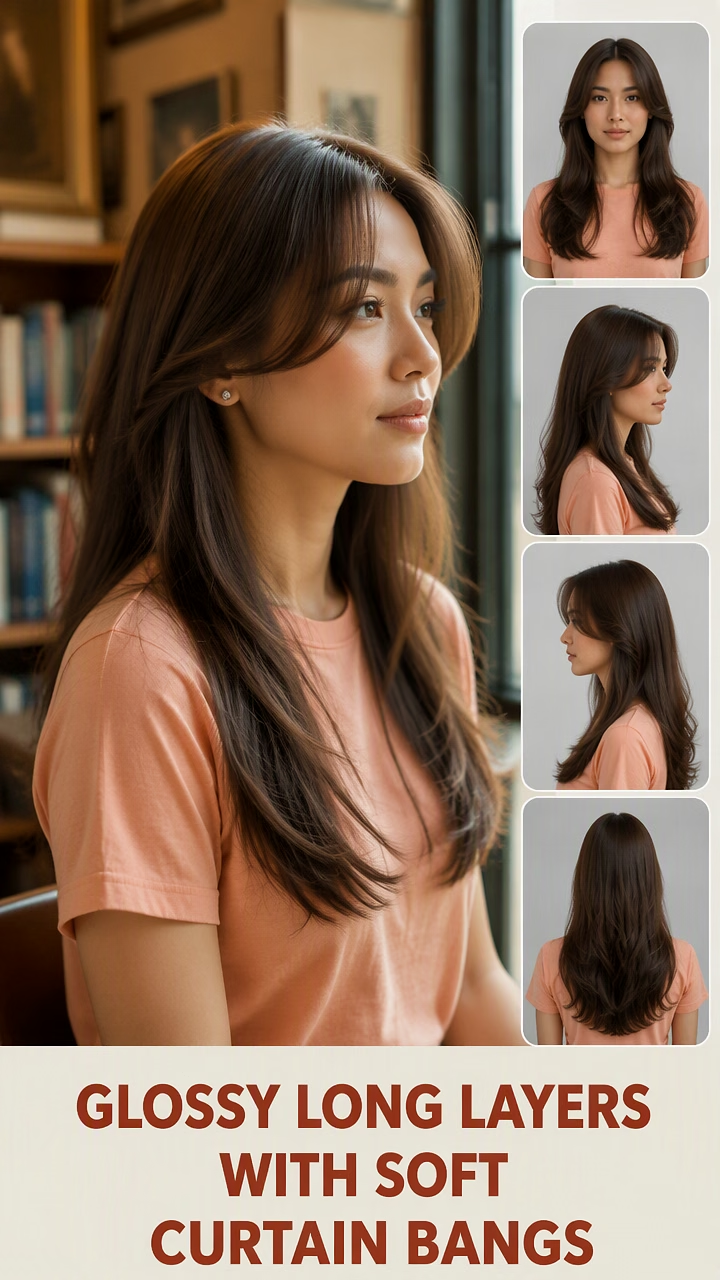
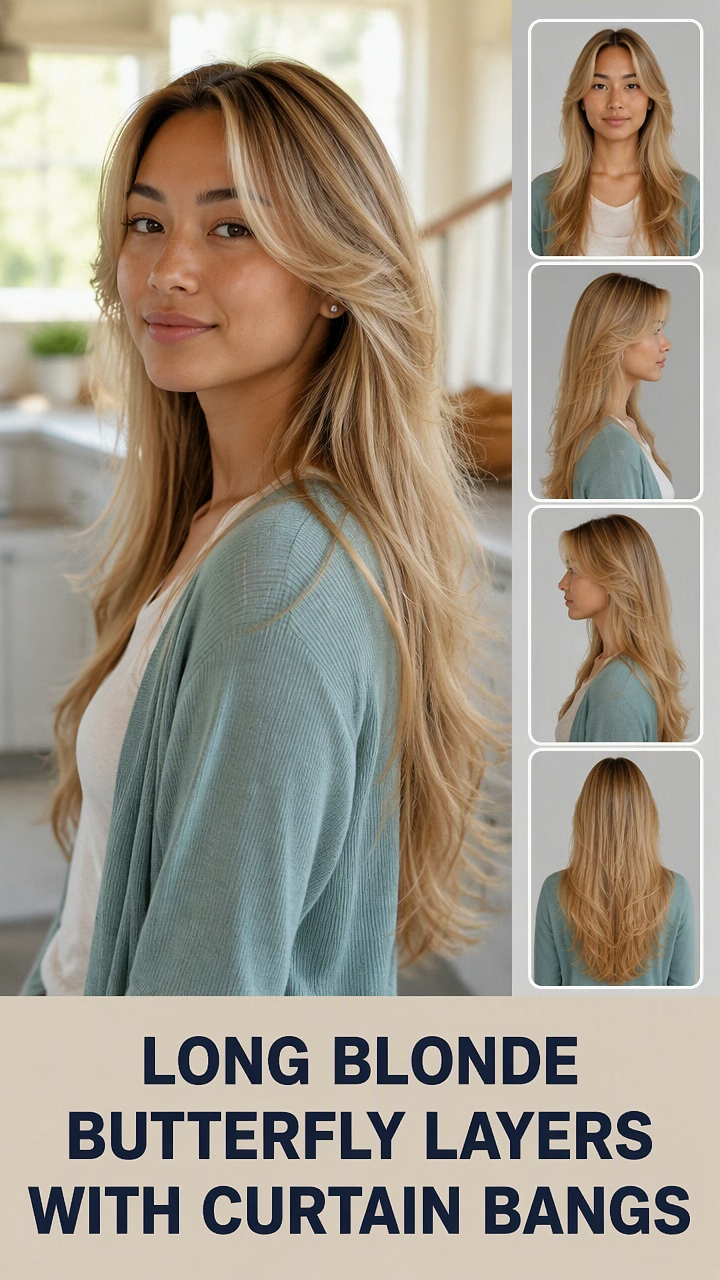
Butterfly Layers With Long Curtain Bangs
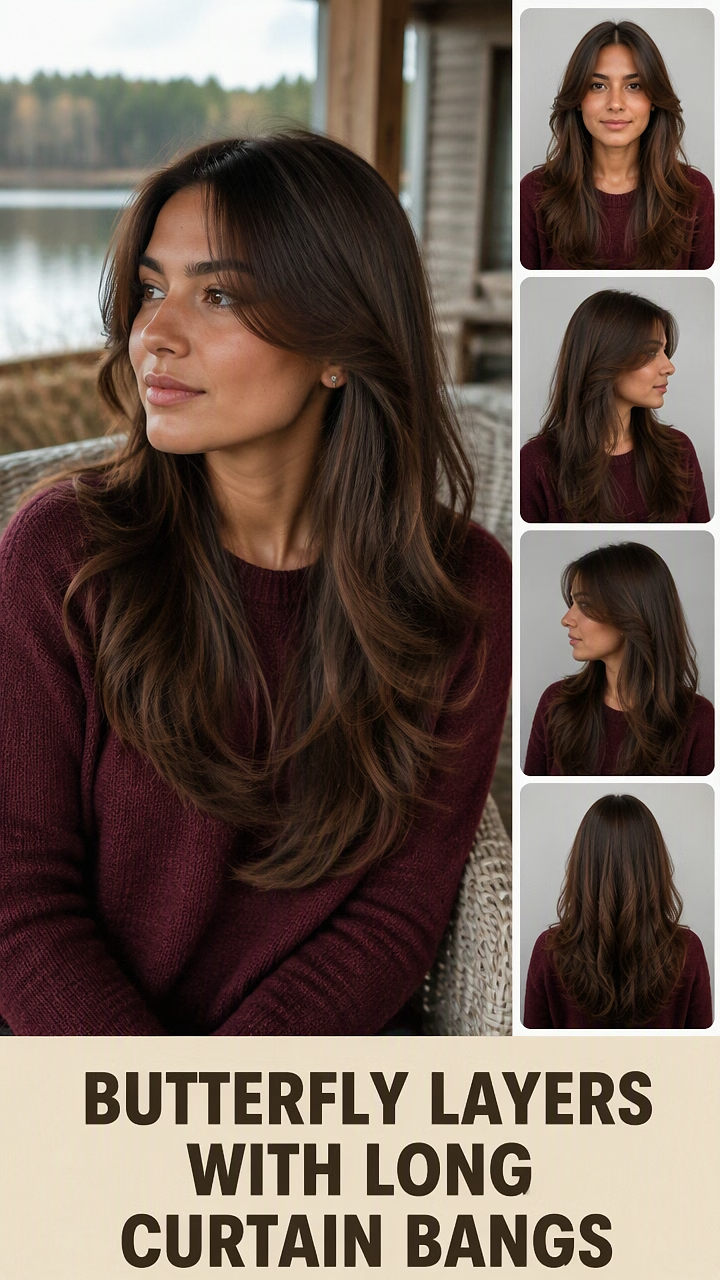
This airy butterfly cut keeps the back long while creating shorter, cheekbone-to-jaw-length pieces that open around the face. Longer layers blend down the body of the hair, so the silhouette feels lifted rather than heavily stepped.
It suits straight and wavy hair, especially medium or thick strands, and the curtain fringe can soften square or heart-shaped features. A round brush or large hot brush helps flick the front sections away from the face; a light mousse adds hold without flattening the movement. Warm brunette, caramel balayage, or dimensional blonde makes the layers especially visible.
Ask for a long butterfly shape with the shortest pieces around your cheekbones. A trim every 8–12 weeks helps preserve the outline. The bouncy finish takes some styling, and the shortest layers may not stay in a ponytail.
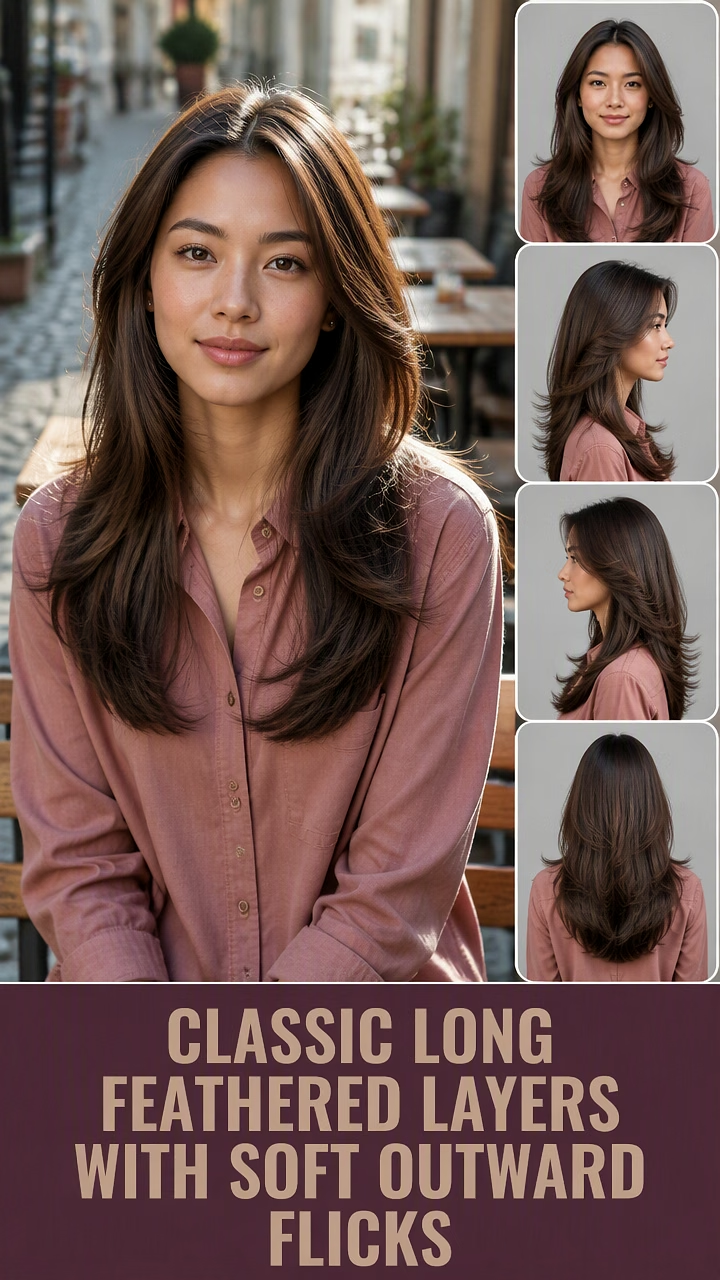
Long Feathered Layers With A Side Part
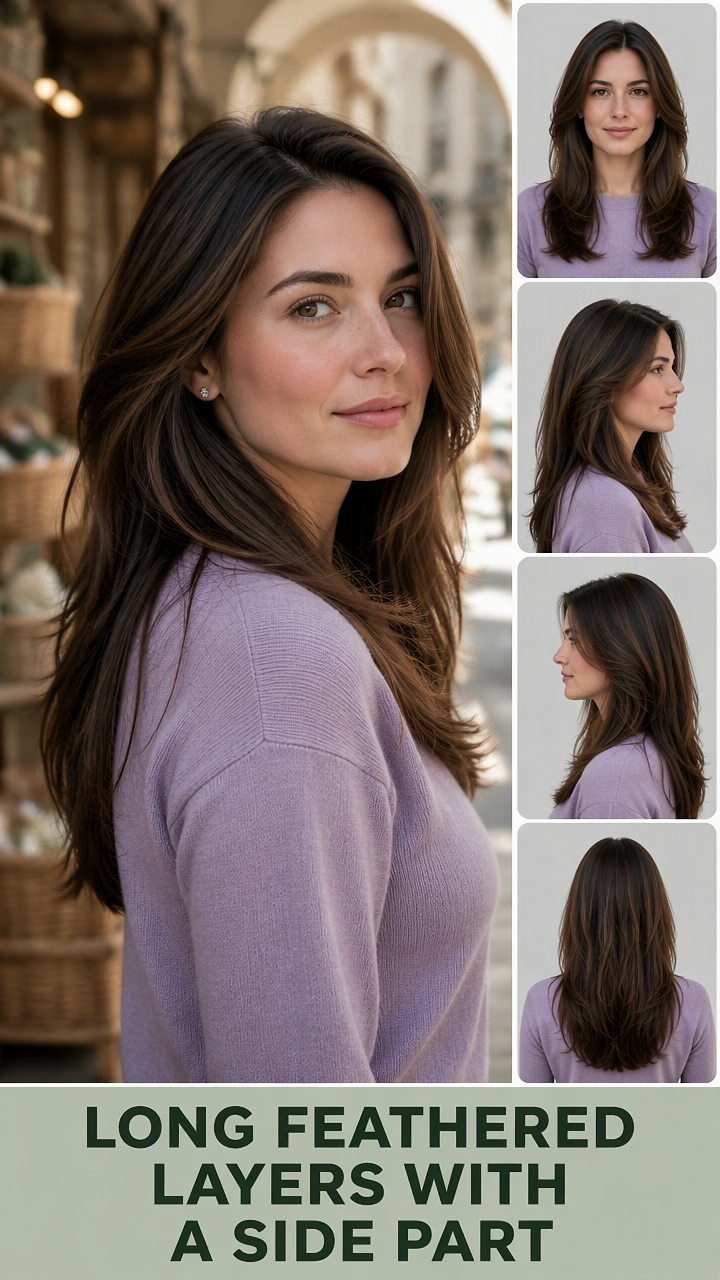
Feathered layers create a soft, tapered outline, with the shortest pieces beginning around the cheek or chin and blending into long, light ends. A deep side part gives the front a graceful sweep, while the back stays full enough to preserve the sense of length.
This look is lovely on straight or softly wavy hair and can make fine-to-medium strands appear more buoyant. Oval and long face shapes often wear the sweeping front beautifully; adjust the part and starting length to suit your features. Blow-dry with a round brush, directing the front away from the face, then finish with a touch of flexible hairspray. Beige blonde, chestnut, or subtle babylights emphasize the feathering.
Ask for blended, not choppy, face-framing layers. Refresh the ends every 8–12 weeks. A smooth blowout gives the clearest shape, so air-dried hair may look less defined.
Long Shag With Wispy Curtain Fringe
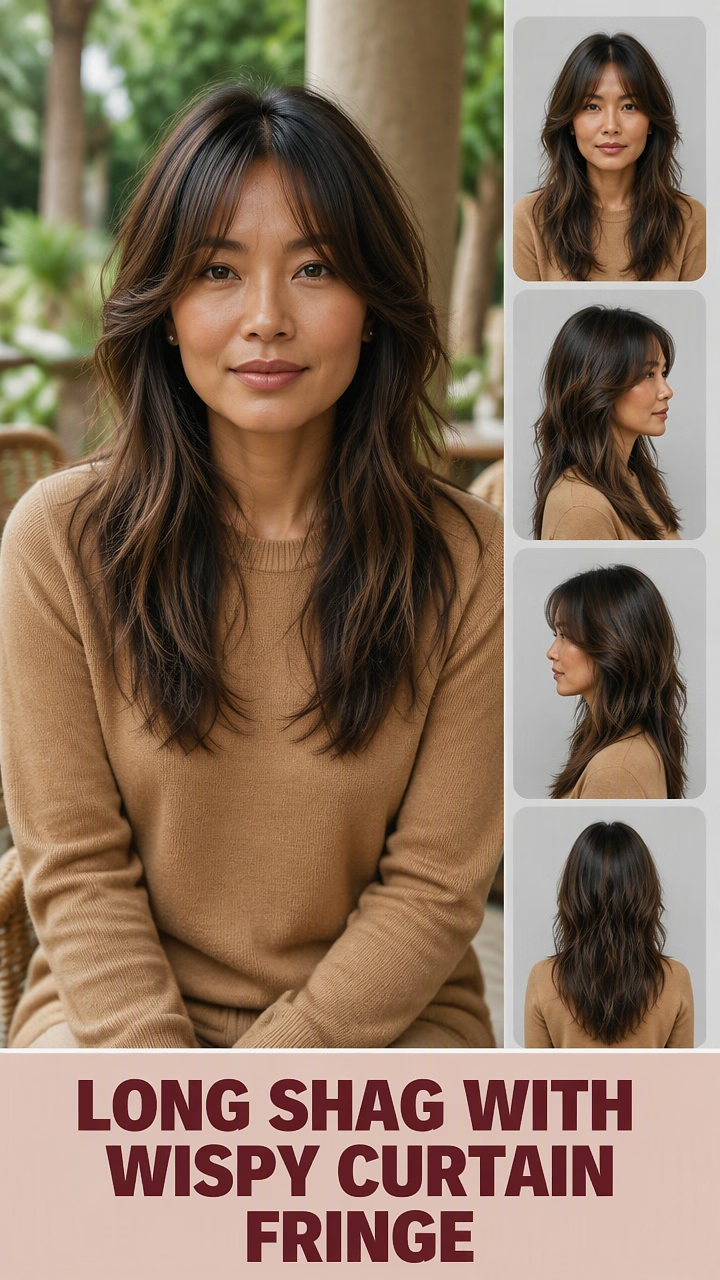
A long shag pairs a generous amount of short, piecey layers through the crown with a long, textured perimeter. Wispy curtain fringe connects to the face-framing sections, giving the cut its relaxed, slightly undone character without sacrificing the long back.
Natural waves show off the texture with little effort, while straight hair can be scrunched or diffused for a tousled finish. The airy fringe can balance a broad forehead and soften angular features. Try a curl cream or texturizing spray on damp hair, then let it air-dry or use a diffuser. Copper, soft auburn, and lived-in brunette tones bring extra dimension to the separated pieces.
Ask your stylist for a long shag customized to your density, with a fringe that blends into the sides. Plan a fringe tidy-up every 4–6 weeks and a shape refresh around 8–12 weeks. It is intentionally less sleek than a classic layered cut.
Rounded Curly Shag With Brow-Grazing Bangs
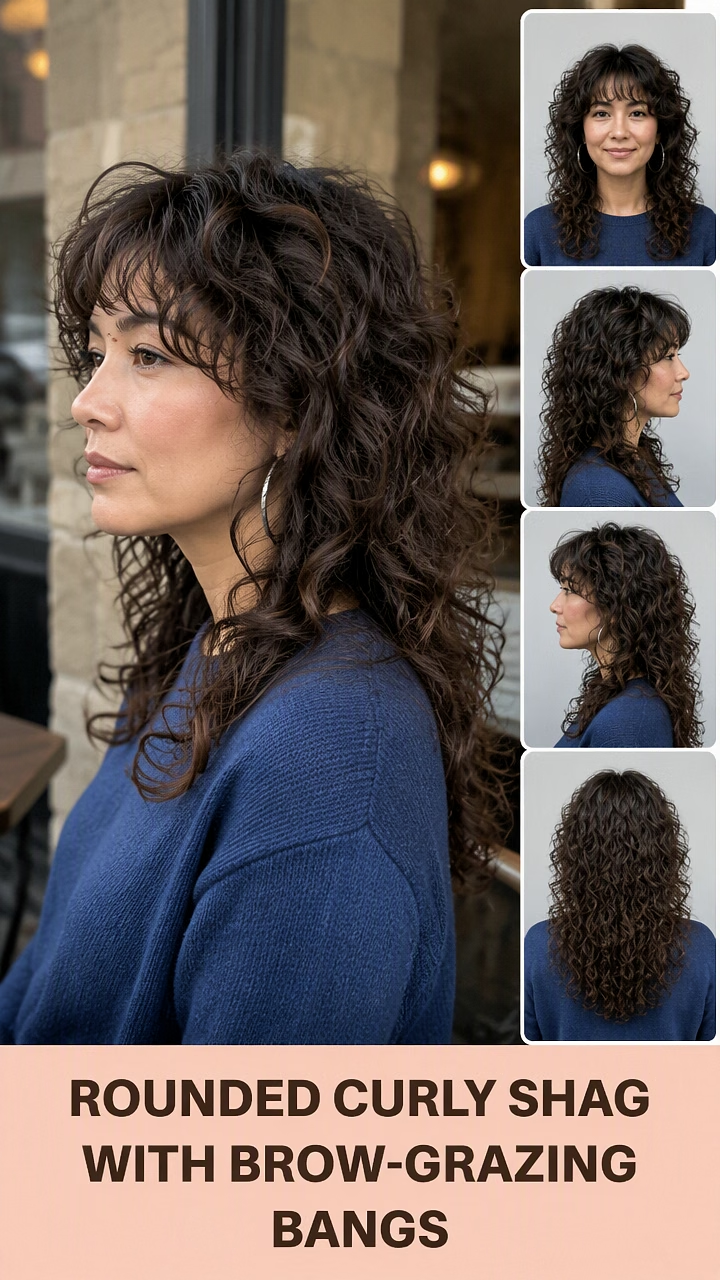
This curl-focused shag builds a rounded shape with short layers around the crown and sides, while the longest curls continue below the shoulders. Brow-grazing bangs blend into the shorter face-framing curls rather than forming a hard, separate line.
The shape can give dense curls a lighter, more balanced outline and help avoid a heavy, triangular finish. It works best when the stylist accounts for how much each curl springs up as it dries. Apply leave-in conditioner and curl cream in sections, then diffuse gently or air-dry without disturbing the curl pattern. Rich espresso, warm brown, or subtle highlights make the rounded silhouette glow.
Ask for a dry or curl-aware consultation and show your usual natural texture. Refresh the fringe as needed and the overall shape every 8–12 weeks. Shrinkage and day-to-day curl variation mean the finished length may not look identical every morning.
Blunt Long Cut With Chin-Length Front Layers
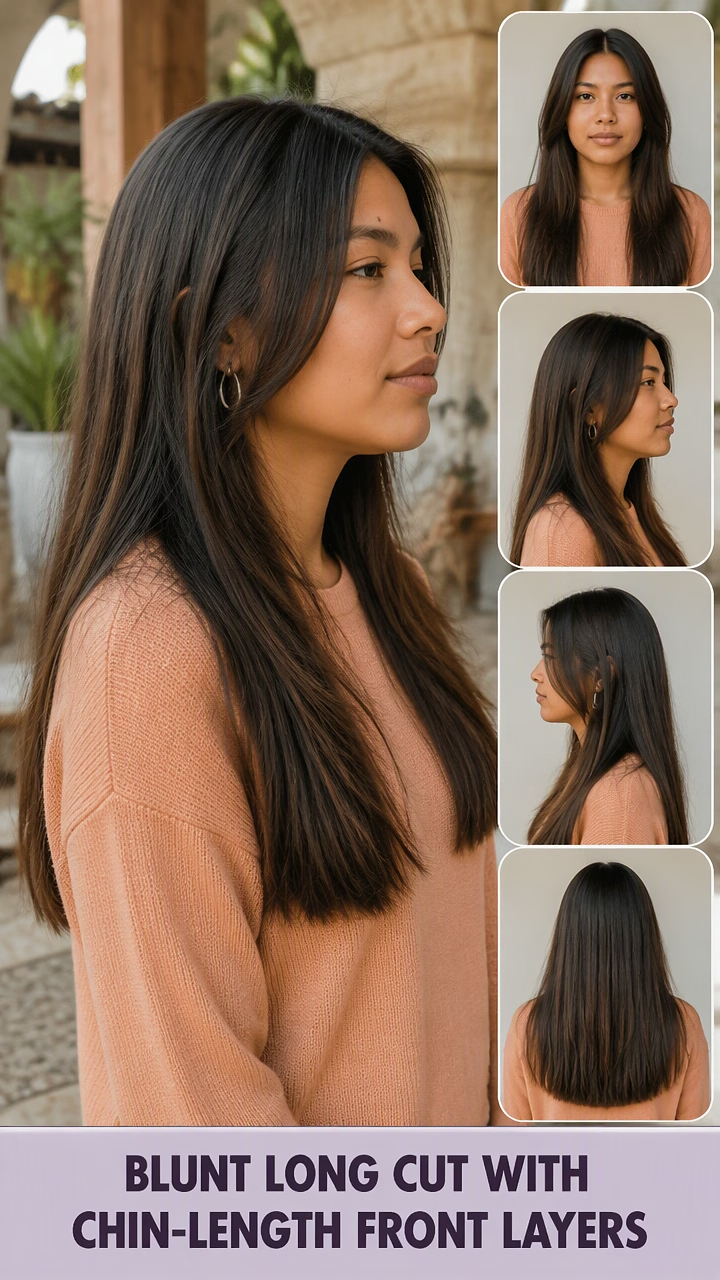
For a restrained change, keep the back almost one-length and add only a few short, angled pieces in front. The shortest layer sits near the chin, with each section gradually lengthening toward the long, blunt ends. The result frames the face but keeps the perimeter looking full.
This is especially appealing for fine or straight hair that can look wispy when too many layers are added. It flatters many face shapes; the exact starting point can be moved to highlight cheekbones or soften the jaw. Wear it straight with a middle part, or bend the front pieces with a flat iron. Espresso, glossy black, and rich chestnut show off the clean outline.
Ask for minimal front layers and a solid long baseline. Trim the ends every 8–12 weeks, with less frequent shaping if you prefer to grow them out. The front sections need a little attention when tied back.
Long U-Cut With Short Face-Framing Layers
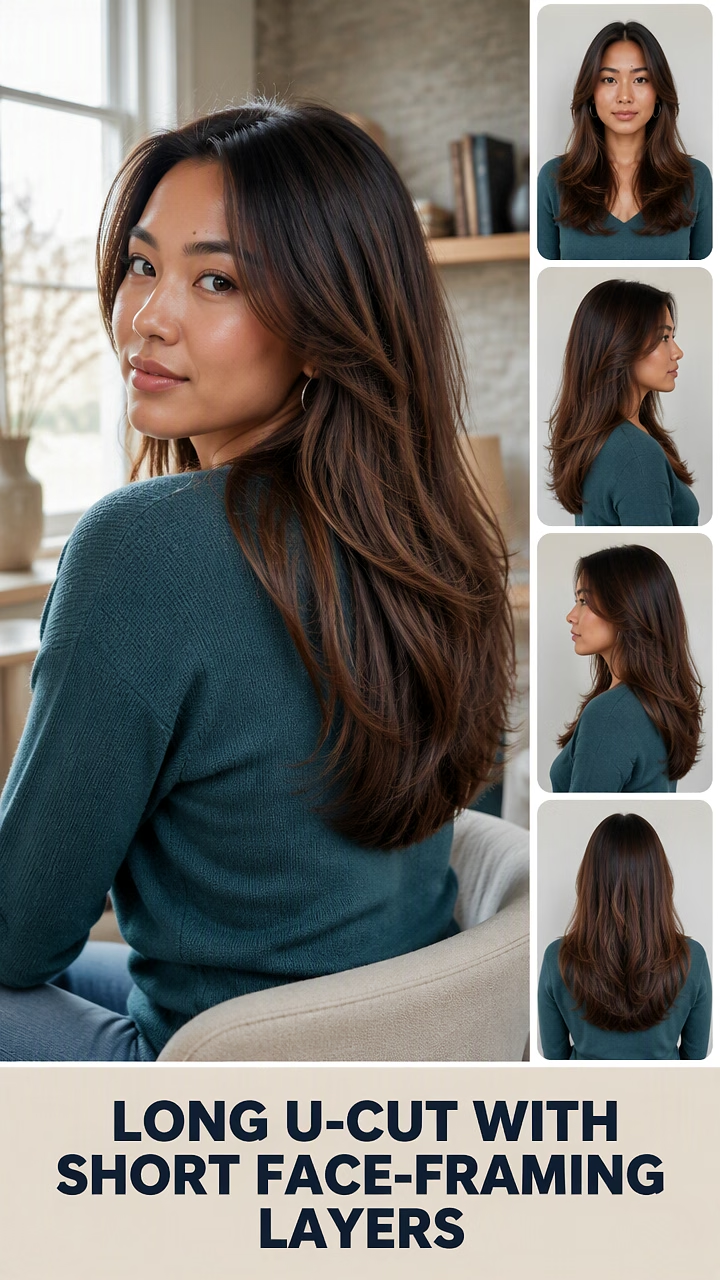
A U-shaped perimeter curves gently down at the back, preserving a soft, rounded finish instead of a sharp point. Short layers begin around the face and flow into longer ones, creating movement while leaving enough length to feel lush and easy to gather.
The shape suits medium to thick hair particularly well, though a careful, lighter version can work on finer strands. It is adaptable for oval, round, and heart-shaped faces because the front pieces can be tailored around the jaw or collarbone. Blow-dry with a round brush for a soft bend, or use a large-barrel iron on a few sections. Honey brunette and subtle balayage make the U-shaped layers more dimensional.
Ask for a soft U-shaped hemline and blended face-framing layers. A trim every 8–12 weeks keeps the curve tidy. Layers can make the ends feel less dense than a blunt cut, so discuss how much fullness you want to retain.
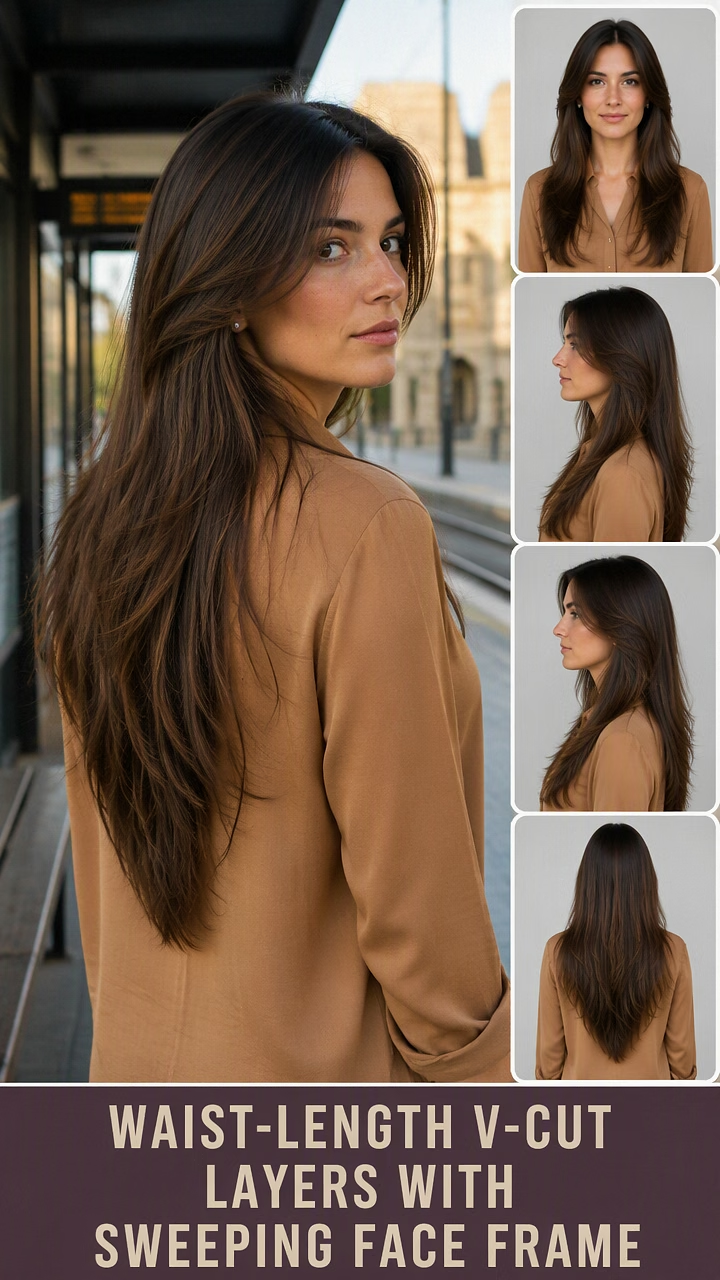
Long V-Cut With Graduated Short Layers
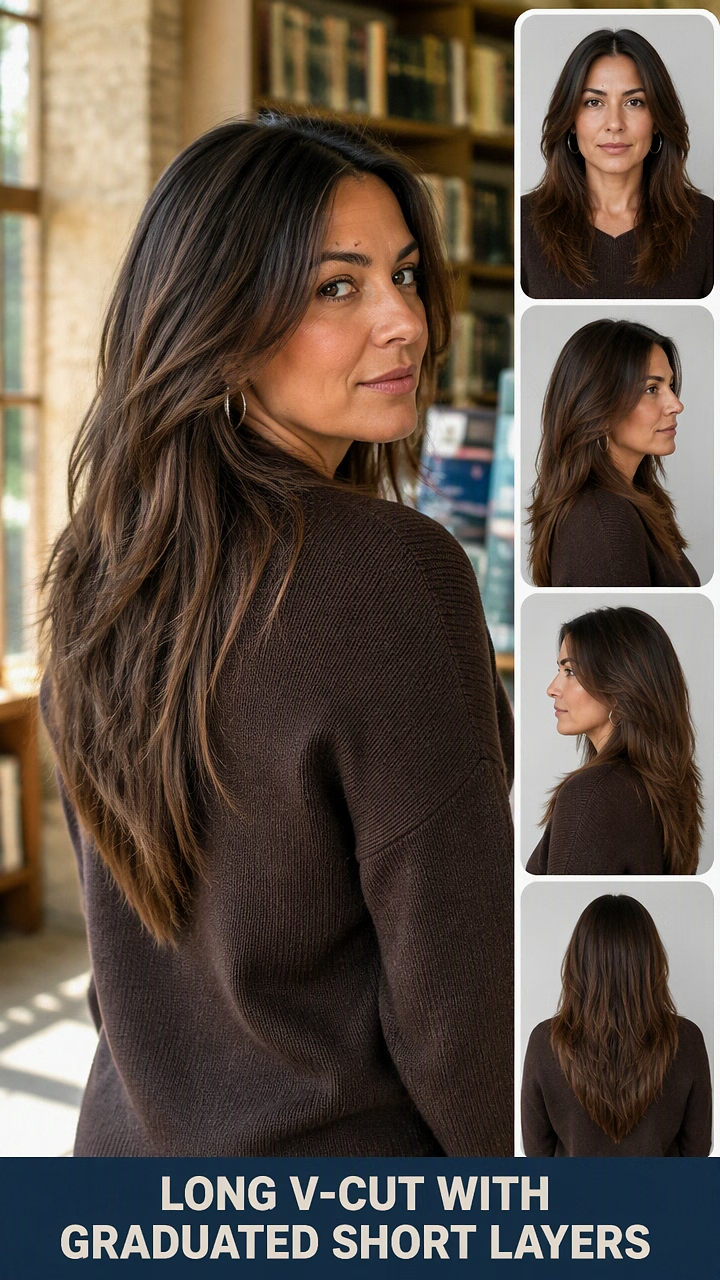
This cut tapers into a distinct V at the back, with shorter layers graduating toward the center and long sides that preserve the overall length. Face-framing pieces can begin at the collarbone, while the layered back creates a dramatic, flowing shape when viewed from behind.
It works especially well on long, thick, straight or wavy hair, where the stacked lengths can move without creating a bulky hemline. A center part keeps the front balanced; a soft side part adds a little sweep. Blow-dry with a paddle brush for a smooth finish or add loose waves to reveal the V. Deep brown, mahogany, and dimensional highlights emphasize the descending shape.
Read more : 26 Long Bob Hairstyles Brunette Ideas That Feel Soft, Modern, And Easy To Style
Ask your stylist to show you how pronounced the V will look from the back. Refresh every 8–12 weeks. This outline can make the sides appear finer, so it may not suit anyone seeking a very full, blunt perimeter.
Hime-Inspired Long Hair With Blunt Side Layers
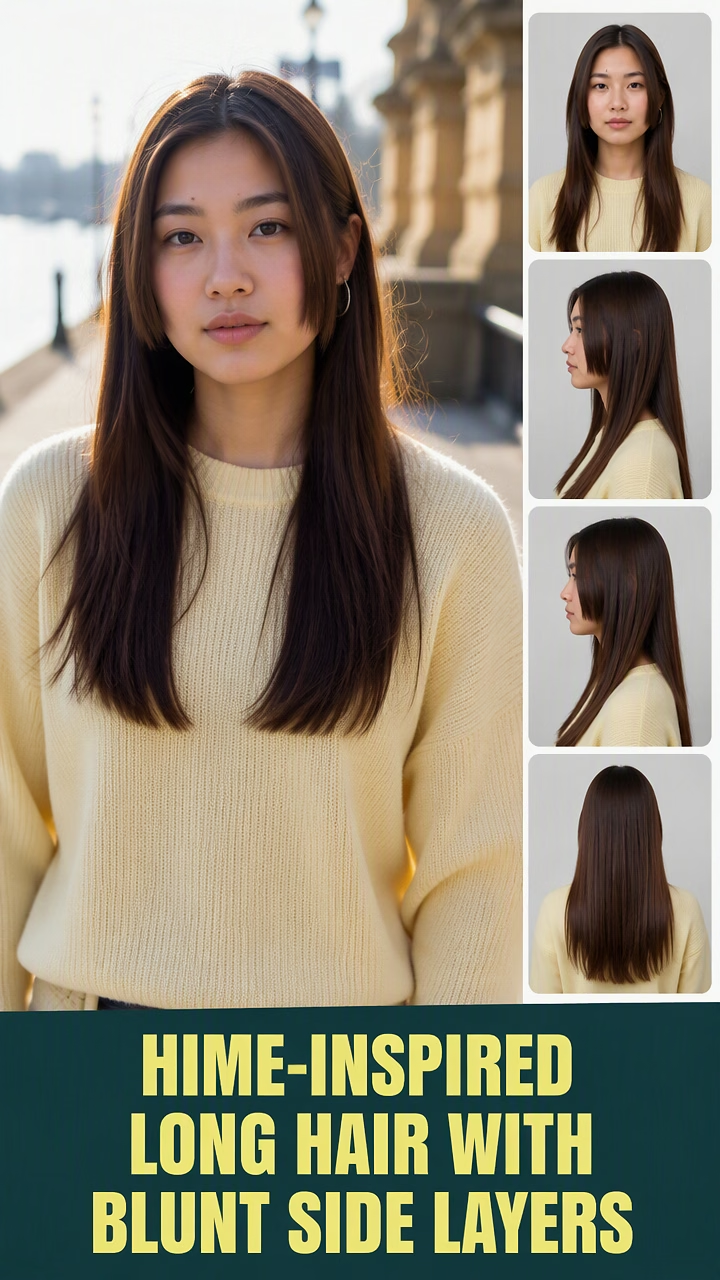
The hime-inspired shape contrasts very long hair with blunt, cheek-to-jaw-length side sections and a clean, long back. Unlike softly blended layers, those front pieces form a clear, graphic line. A straight fringe is optional; a center part without bangs gives the cut a gentler, more adaptable feel.
Naturally straight hair shows off the shape most easily, while wavy or thick hair may need a smoothing routine to keep the sides crisp. The strong framing can highlight cheekbones and suit oval or longer face shapes; ask to adjust the side length if you prefer a softer jawline. A flat iron and heat protectant help polish the front. Glossy black, dark brown, or a subtle contrasting panel adds definition.
Ask for disconnected, blunt side sections that preserve your long back length. Trim the front every 6–8 weeks if you want its sharp edge. The distinct panels take commitment and may need extra styling to sit neatly.
Long Wolf Cut With Airy Crown Layers
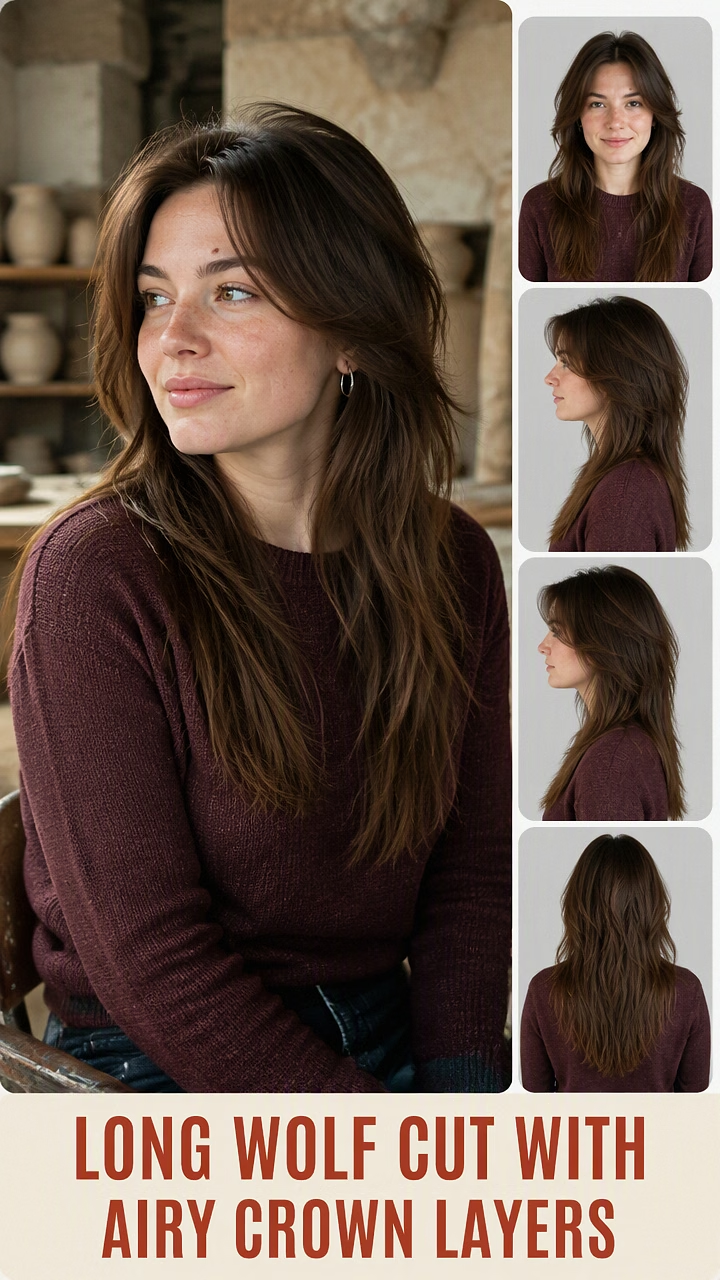
A long wolf cut has short, textured layers concentrated at the crown and upper sides, with a noticeably longer, often piecey tail. The outline is more tousled and top-heavy than a traditional shag, giving the cut its unmistakable lift and wild, modern shape.
It is a natural match for wavy hair and can also work on straight hair with styling, particularly when there is enough density to support the crown layers. A diffuser, sea-salt or texturizing spray, and a little scrunching encourage separation. Soft black, dark brown, or copper makes the layered texture stand out without demanding a complex color plan. The shape can complement oval faces and add width around the upper face.
Ask for a long wolf cut with a clear but wearable contrast between crown and length. Refresh every 8–10 weeks to maintain the silhouette. Short crown sections may escape ponytails, and a sleek finish takes more effort.
Long Butterfly Layers With A Deep Side Sweep
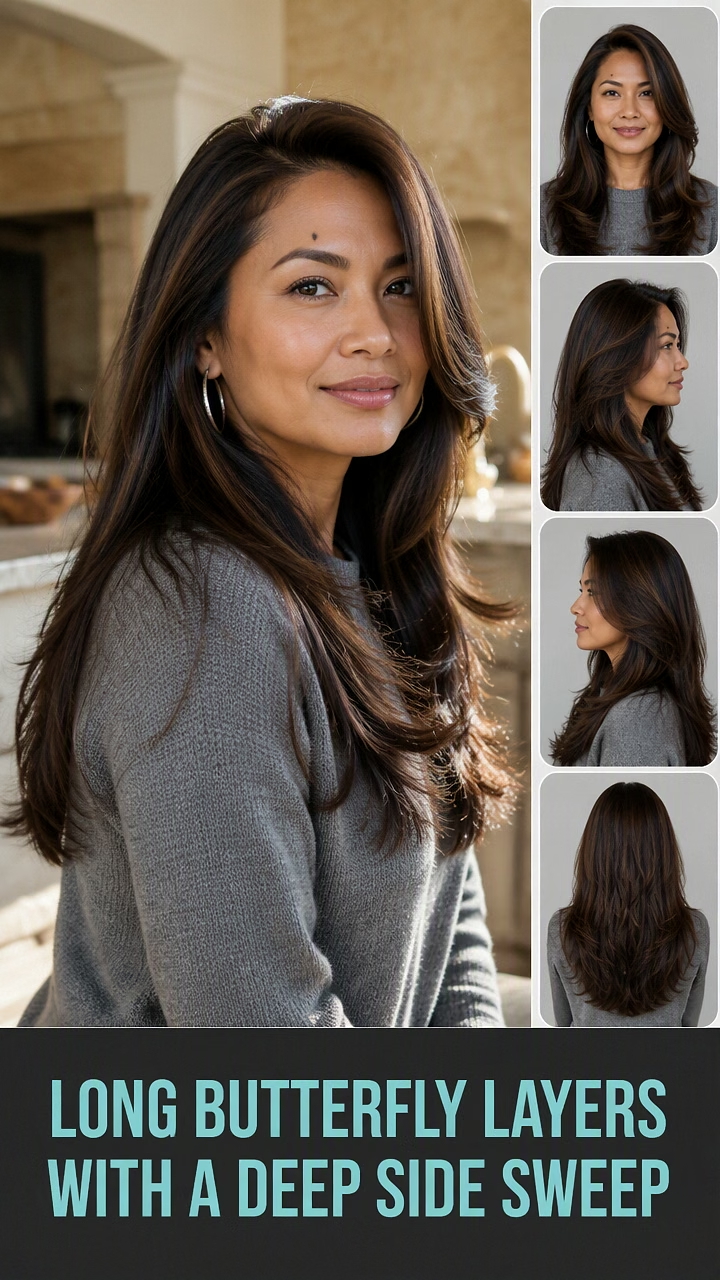
This version of the butterfly cut uses a deep side part to create a dramatic sweep across the forehead and lift at the roots. Short layers begin around the cheekbones on the fuller side and curve into long, blended lengths, while the back retains a soft, full finish.
The sweeping shape is especially flattering on straight or wavy hair with medium density. It can soften angular features and bring balance to a longer face, though a stylist can adjust the part and starting point for your proportions. Use a round brush or hot rollers at the front, then brush the lengths into a loose, airy finish. Rich brunette with fine caramel ribbons gives the sweep extra depth.
Ask for long blended layers that still work when you switch your part. Maintain the outline every 8–12 weeks. The dramatic lift usually needs a short blow-dry, and the front may fall flat in very humid weather.
Long Layers With Short Wispy Straight Bangs
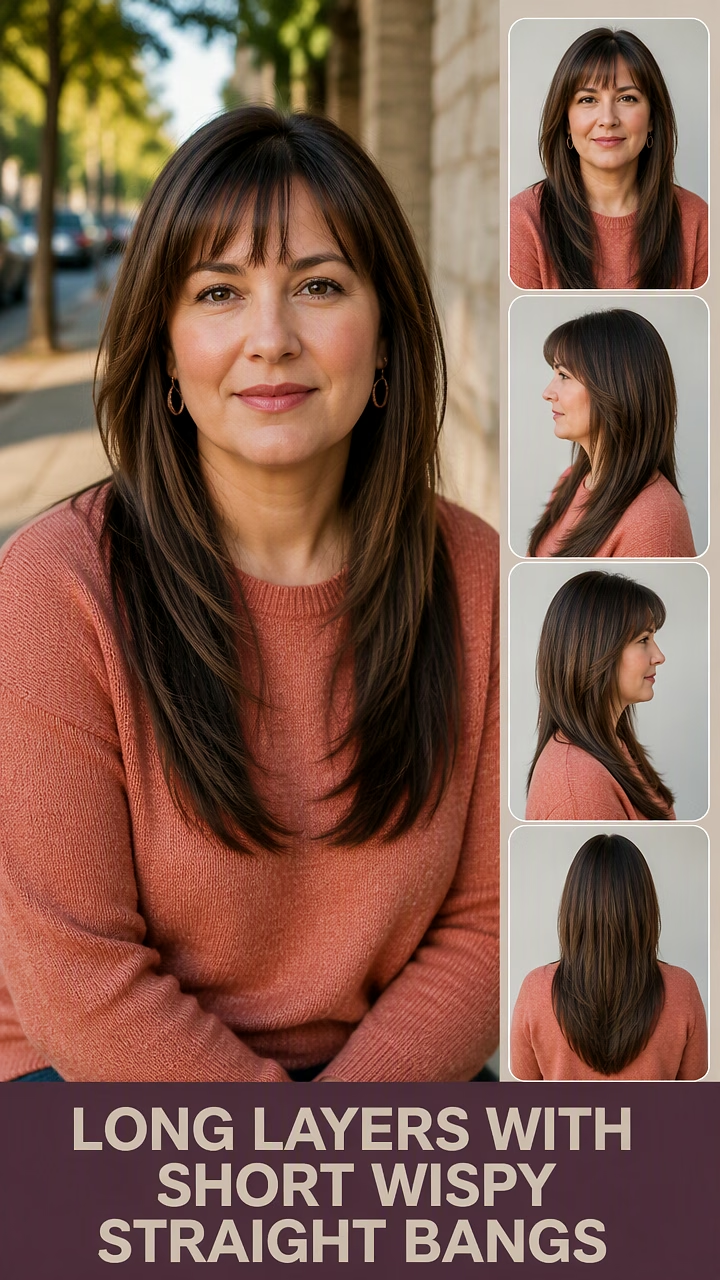
A light, brow-skimming fringe gives this long layered cut a fresh focal point. The bangs are cut wispy rather than dense, while short layers frame the temples and blend into longer lengths through the sides and back. The ends stay soft, with enough length for a ponytail or loose braid.
Fine and straight hair often makes the airy fringe easiest to wear; wavy hair can suit it too if you are comfortable styling the front. The bangs draw attention to the eyes and can balance a taller forehead. A small round brush and low-heat blow-dry help direct them into place, while a light styling cream smooths flyaways. Warm blonde, soft brunette, or natural gray keeps the look wearable.
Ask for see-through bangs and face-framing layers, not a heavy fringe. Bangs may need trimming every 4–6 weeks; the rest can wait 8–12 weeks. Daily fringe styling is the main trade-off.
Long Feathered Layers With Flipped Ends
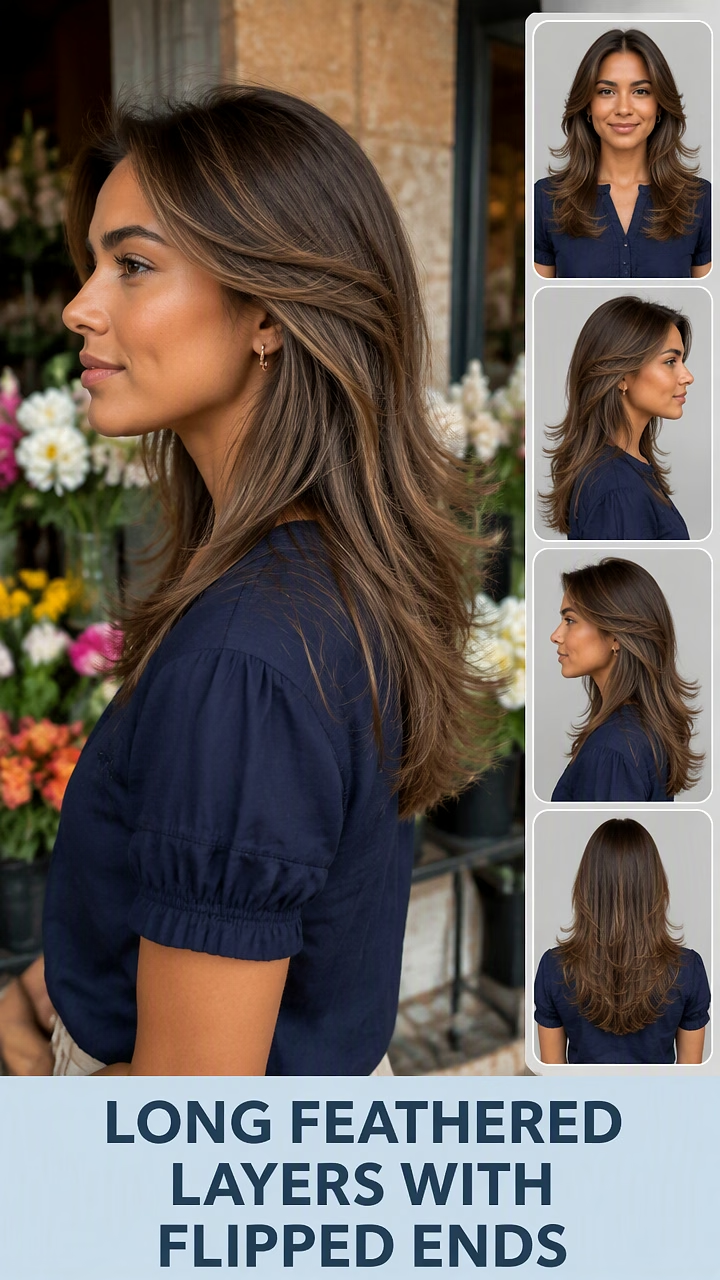
Short, feathered layers sweep away from the face, then continue into longer sections that finish with playful outward flips. The long back stays softly graduated, so the movement feels connected rather than like a collection of disconnected steps. A middle or gently off-center part keeps the look balanced.
Straight and slightly wavy hair show the flip particularly well, and medium-to-thick density gives the ends enough body. A round brush or thermal brush can shape the front and ends; use heat protectant and a flexible hairspray to help the finish last. Golden brown, copper, or fine blonde highlights bring a nostalgic, blowout-inspired shine.
Ask for short feathered layers that can be styled both away from and toward the face. A trim every 8–10 weeks keeps the ends light. The signature flip needs heat styling, and naturally curly hair may require more smoothing.
Long Wavy Layers With A Soft Center Part
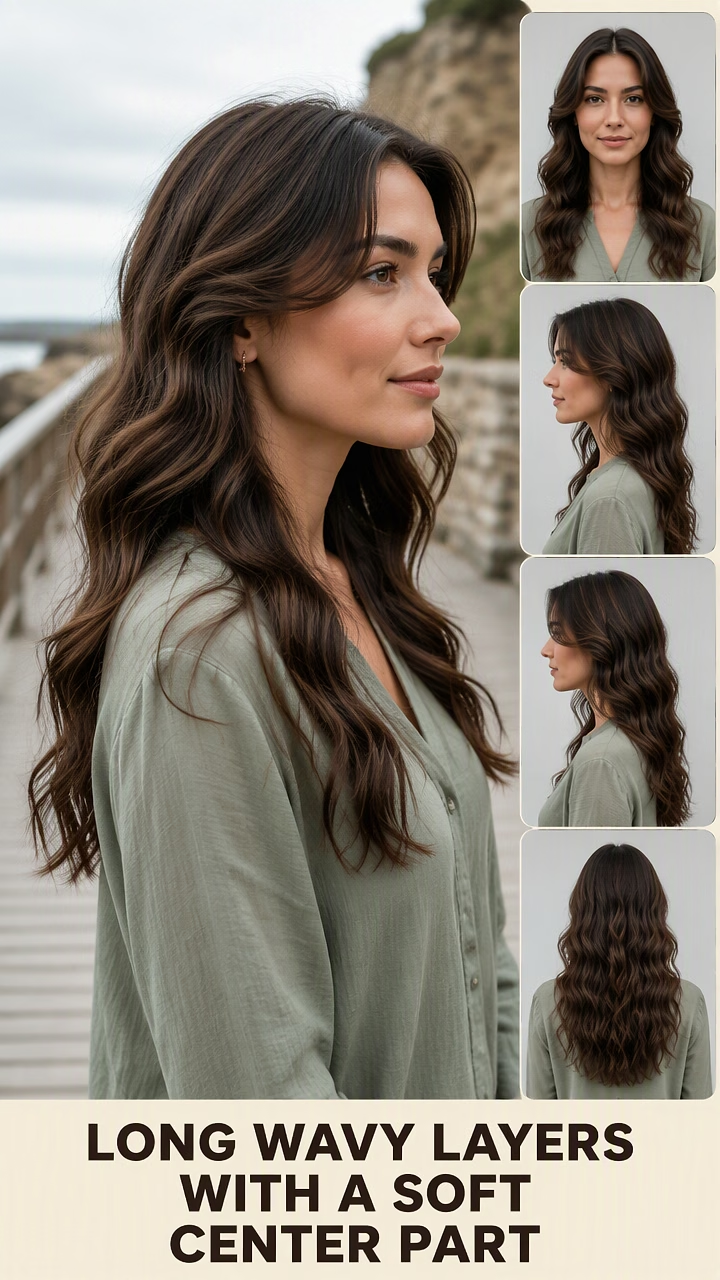
A gentle center part and short, cheekbone-to-collarbone layers give this long cut an easy, symmetrical frame. The layers are blended through the sides and back, with a softly curved perimeter that lets the waves fall naturally instead of forming a heavy block at the bottom.
It is a particularly wearable option for medium or thick hair with a natural wave. Fine hair can wear a lighter version with fewer, longer layers to preserve fullness. Scrunch a small amount of curl cream or mousse into damp hair and air-dry, or use a diffuser for more definition. Bronde, caramel, and sunlit brown tones emphasize the wave pattern without requiring a dramatic color change.
Ask for soft face-framing layers that begin where your natural wave starts to bend. Shape it every 8–12 weeks. The center part looks relaxed but may need a little root lift if your hair lies very flat.
Long Curly Layers With A Rounded Halo Shape
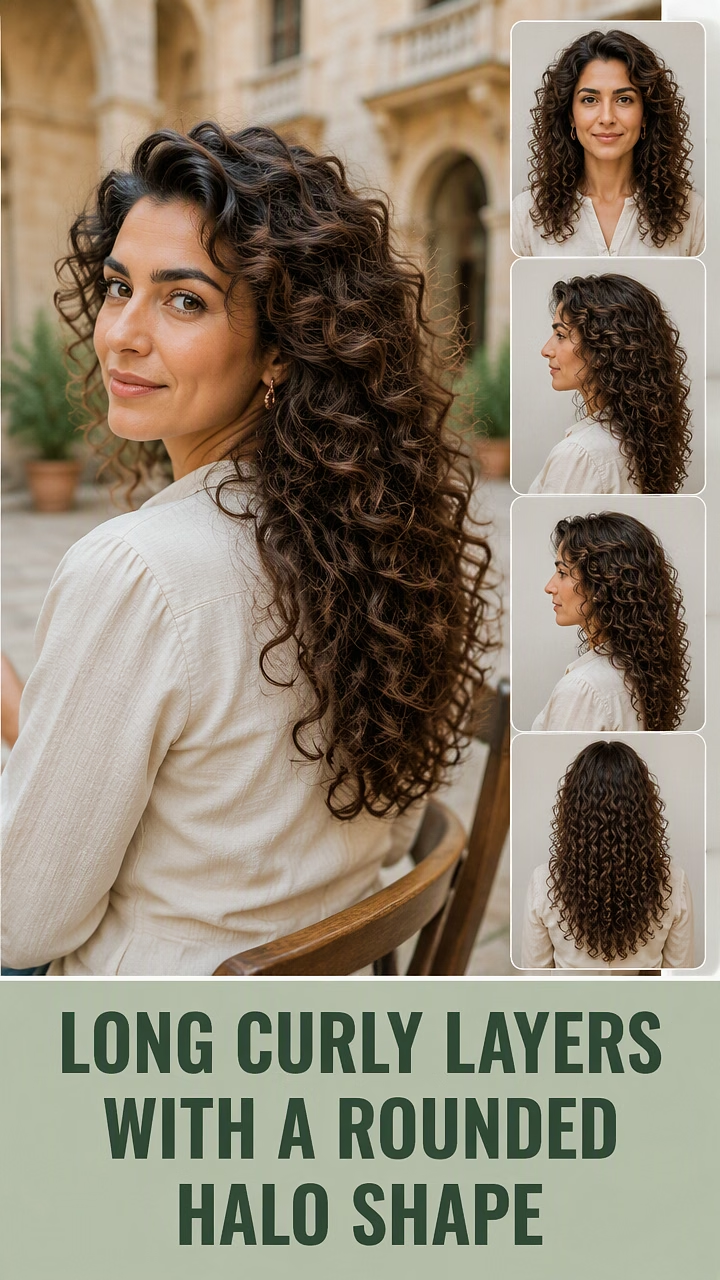
This cut gives long curls a rounded outline, with shorter layers at the crown and sides and longer curls forming a softly curved lower edge. The layers are shaped to support the natural curl pattern, not simply cut to match straight-hair references, so the finished silhouette feels balanced from every angle.
It suits loose waves through tighter curls, especially when a blunt, heavy base makes the hair look bottom-weighted. A curl cream or leave-in conditioner can help define sections; diffuse on low airflow or let curls dry undisturbed. Dark chocolate, warm auburn, or subtle dimensional color adds depth between the curls. The shape can soften angular features and add width around a narrow face.
Ask for a curl-aware cut with the length and shrinkage discussed before cutting. Refresh the shape every 8–12 weeks, depending on how quickly it loses its outline. Curly layers can sit differently after each wash, so expect some natural variation.
Long Razored Layers With A Piecey Fringe
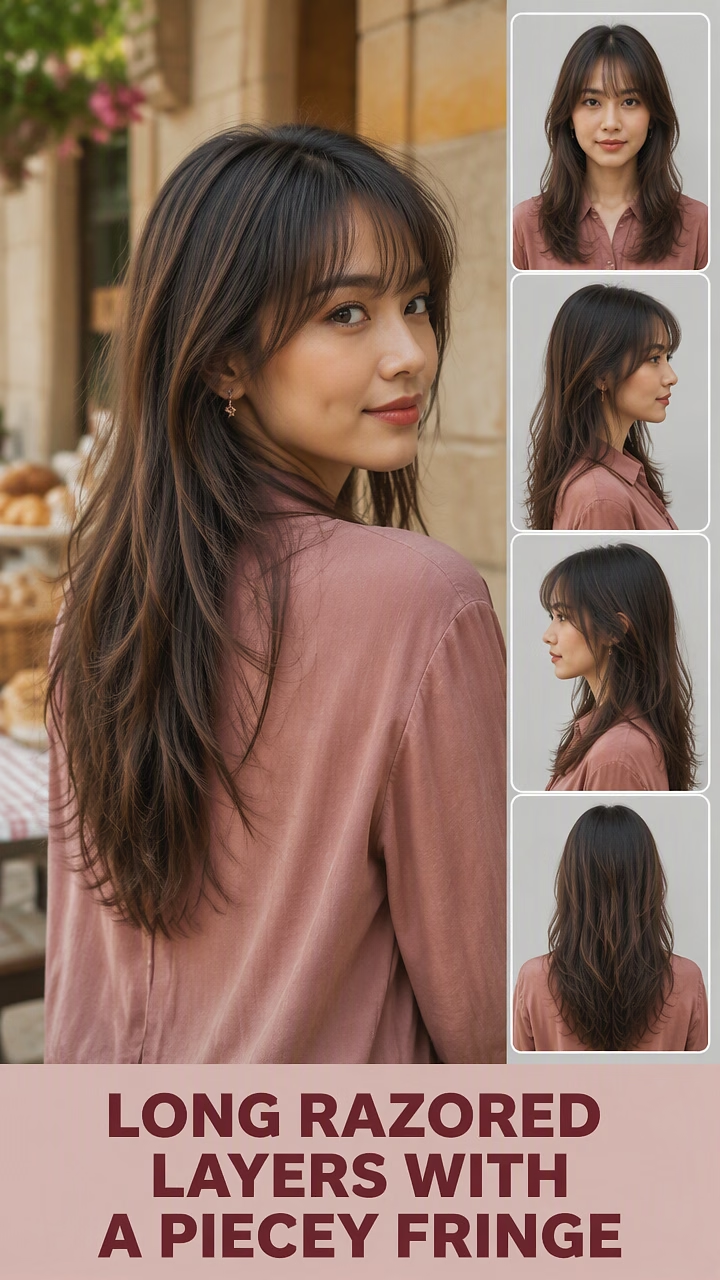
Razored layers give long, thick hair a lighter, separated finish, with short pieces around the face and textured lengths through the sides and back. A piecey fringe blends into the front layers instead of forming a heavy curtain. The ends are tapered and relaxed, rather than sharply blunt.
Read more : 25 Long Curly Hairstyles With Layers To Bring Out Your Best Curls
This style is best discussed with a stylist familiar with your texture; it can be lovely on thick, straight or wavy hair, but very fine or fragile-looking ends may need a gentler approach. Work a small amount of texturizing cream through dry hair and let the pieces fall naturally. Espresso, deep brunette, or soft cinnamon highlights bring out the definition.
Ask for controlled texture and a fringe that connects to the sides, explaining how often you wear your hair up. Shape every 8–10 weeks. The piecey finish can look less polished than a smooth cut and needs occasional product to stay separated.
Long Layers With A Chin-To-Collarbone Cascade
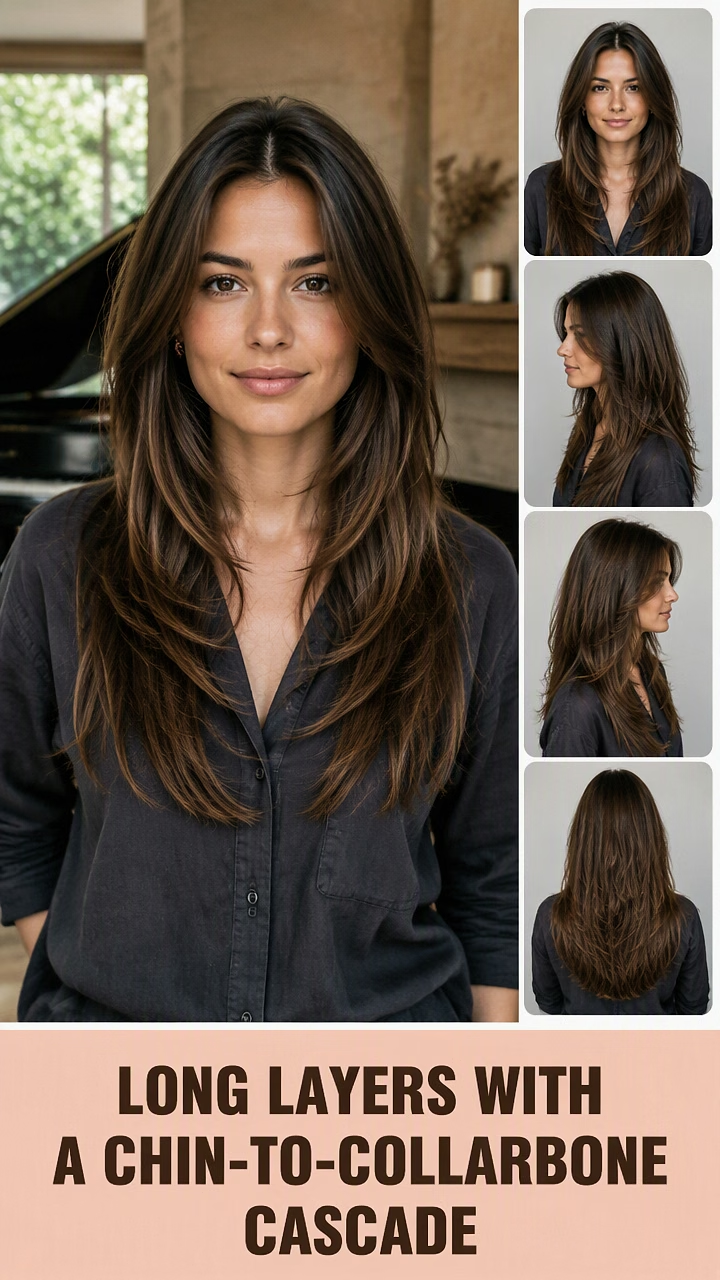
This face-framing cascade starts with short sections near the chin and continues through collarbone-length layers before blending into the long back. The front forms a visible staircase of soft, descending curves, while the perimeter remains long enough to preserve a flowing silhouette.
It works on straight, wavy, and medium-to-thick hair, and the starting point can be chosen to highlight cheekbones or soften the jaw. A round brush creates a smooth curve; a large iron gives the layers a relaxed, swept finish. Caramel ribbons on brunette hair or a soft blonde balayage can trace the cascade without making it look striped.
Ask your stylist to demonstrate where the shortest pieces will sit when dry. Trim every 8–12 weeks. The more pronounced the cascade, the more noticeable it may be when pulled into a ponytail, so request a subtle blend if versatility matters.
Long Blonde Layers With A Shadow Root
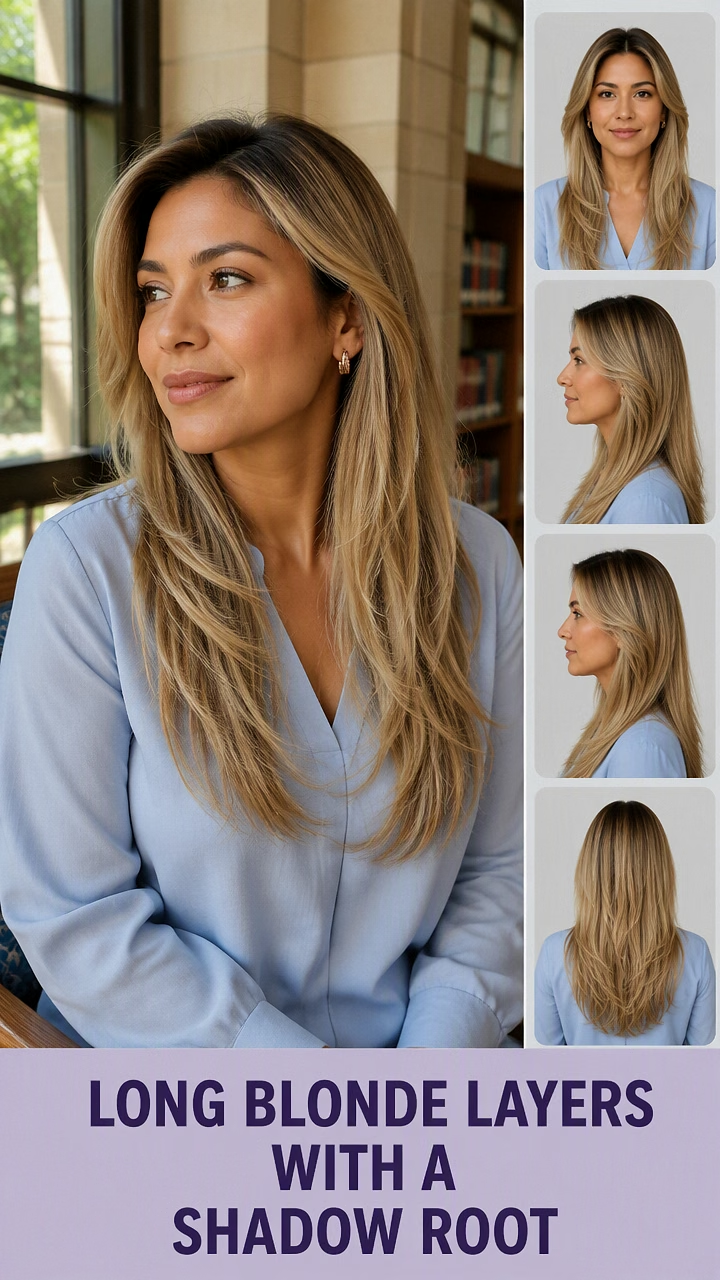
Short, airy layers around the face and crown give this long blonde style extra movement, while the lengths stay soft and flowing. A shadow root leaves the root area deeper than the blonde mids and ends, creating a lived-in color transition that complements the layered shape.
The cut can work on straight or wavy fine-to-medium hair; restrained layering helps keep the ends from appearing sparse. A round brush lifts the shorter pieces, and a light mousse can add body before blow-drying. Choose beige, honey, or cool blonde according to your skin tone and natural base rather than chasing a single shade. The root depth makes the overall effect less sharply uniform.
Ask for delicate face-framing layers and a blended shadow root suited to your starting color. Haircut timing is usually 8–12 weeks, while color refreshes depend on the look you want. Blonde upkeep and heat styling can take extra time.
Long Copper Layers With A Chin-Length Frame
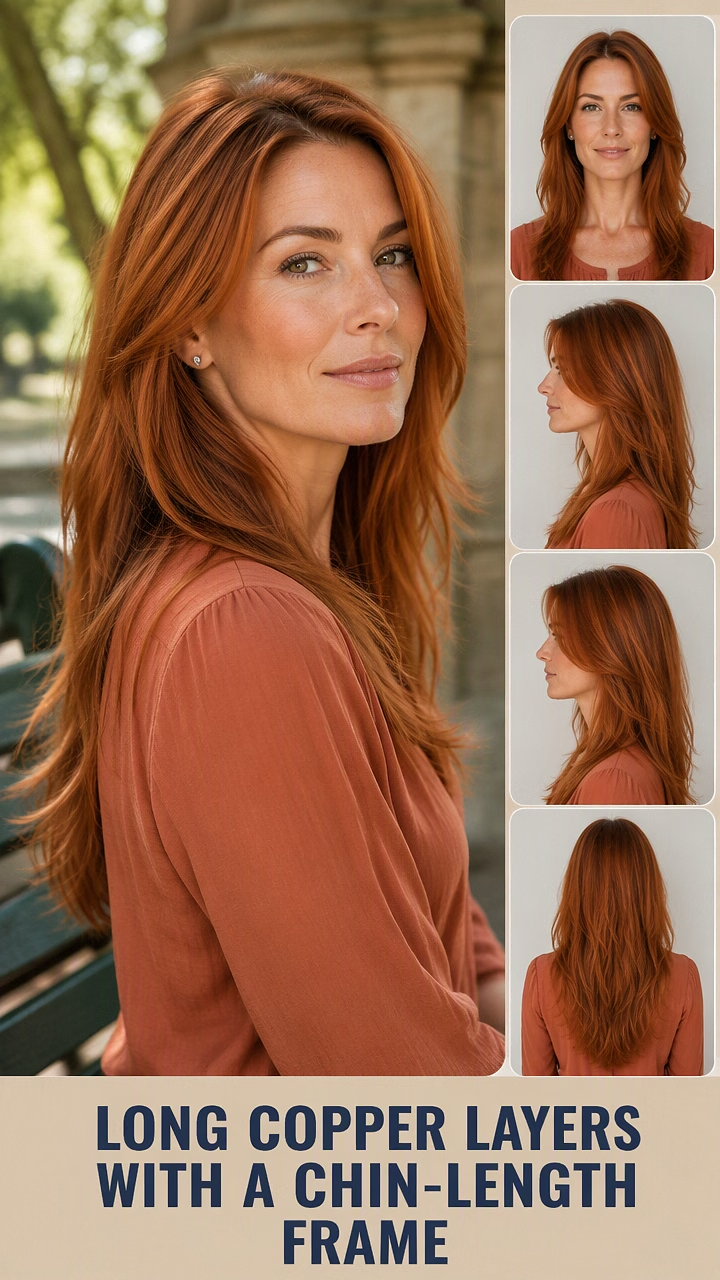
A vivid copper tone brings warmth to this long cut, while chin-length front layers create a clear frame that gradually lengthens toward the back. Soft layers through the body keep the hair from feeling like one dense curtain, and the ends remain long with a gentle, tapered finish.
Straight and wavy textures both wear the shape well, especially at medium or thick density. The framing can flatter round or heart-shaped faces when the shortest pieces sit just below the cheekbones or chin. A blow-dry with a round brush or a few loose bends from a curling iron shows off the copper dimension. Use a heat protectant and color-safe products to help maintain the finish.
Ask for copper tones that suit your natural base and a face frame that does not begin too high. Refresh the cut every 8–12 weeks; vivid color may need more frequent attention. Bright copper can fade, so color upkeep is part of the commitment.
Long Hime Layers With A Contrasting Front Panel
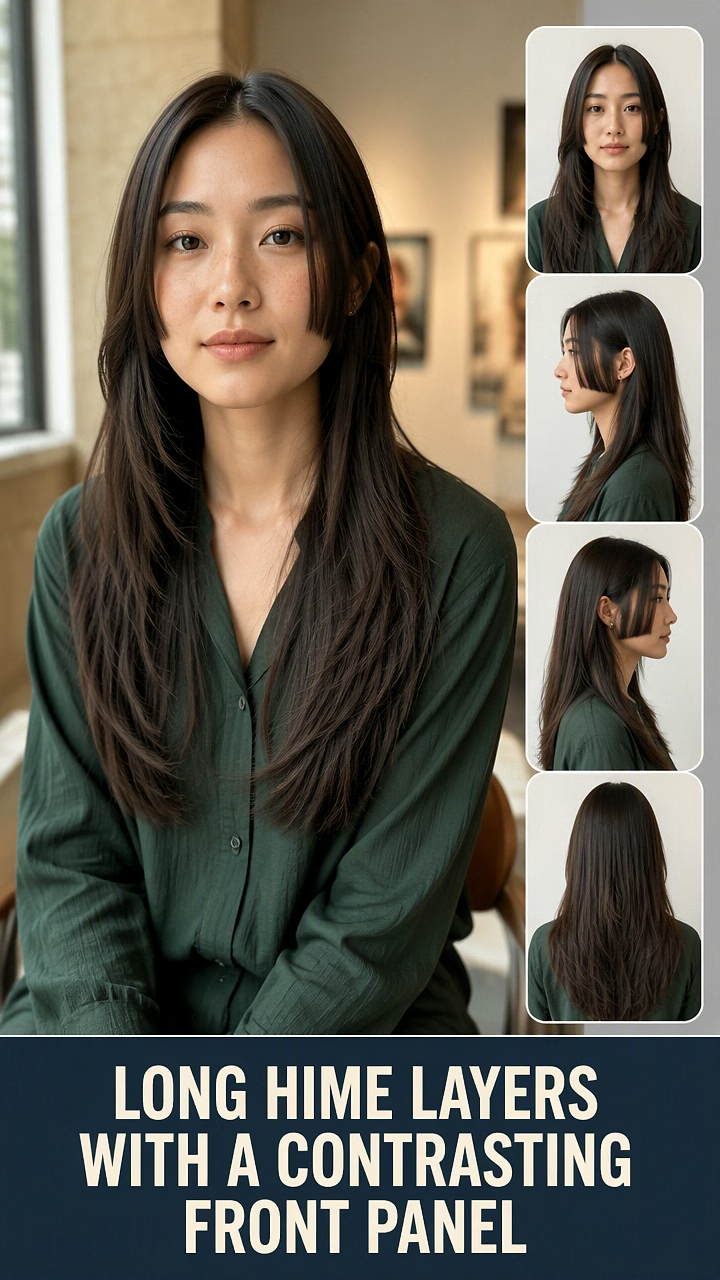
This graphic variation of the hime cut keeps the back very long and adds blunt, jaw-length side panels with a contrasting color at the front. A matching or split-color fringe is optional. The defined panels sit visibly apart from the long lengths, making this look more editorial than softly blended layers.
Straight hair shows the geometry most clearly, while thicker hair may need careful shaping so the panels do not feel bulky. Oval and heart-shaped faces can wear the strong framing, but the length of the panels should be adjusted to your comfort. Smooth the sides with a flat iron and heat protectant; keep the long back sleek or slightly waved. A dark base with a lighter front accent creates clear contrast.
Ask for a hime-inspired outline and discuss color placement before the cut. Maintain the blunt panels every 6–8 weeks. The contrast is striking but less flexible to grow out, and color may need separate upkeep.
Long Layers With A Sweeping Side Fringe
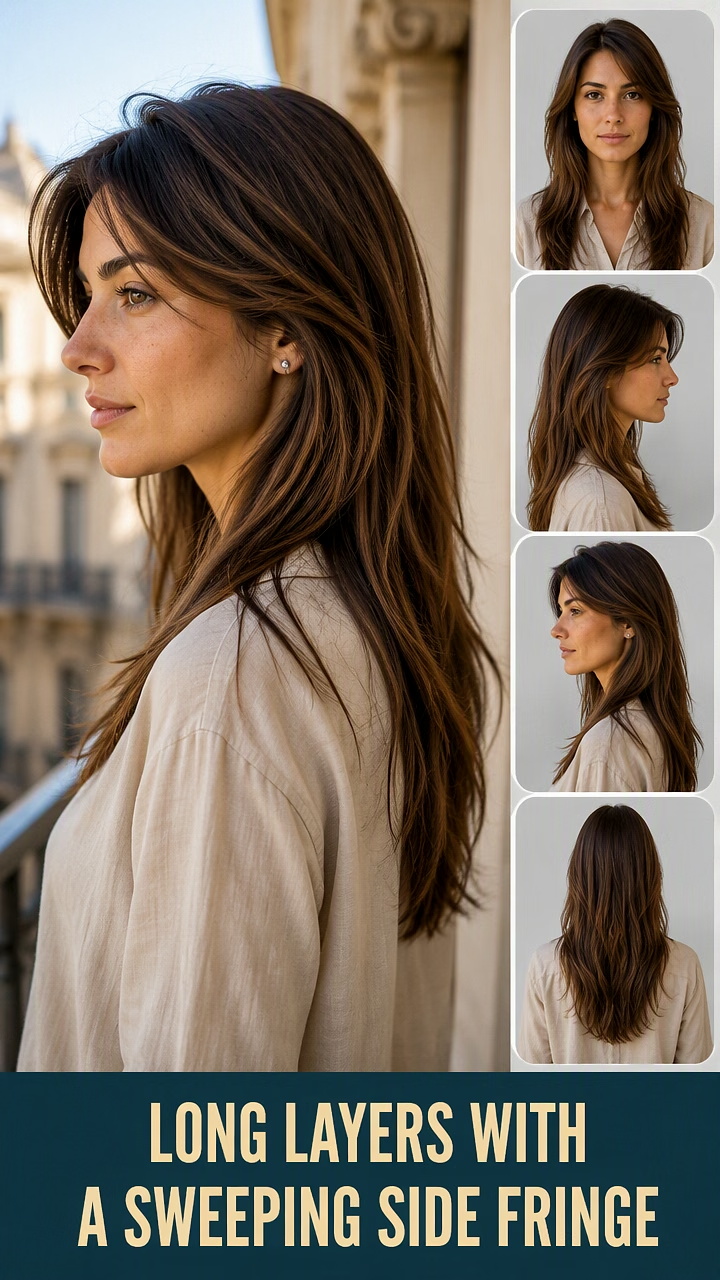
A side fringe sweeps diagonally across the forehead and merges into short, graduated layers along one side of the face. The rest of the hair remains long, with blended layers through the back and a softly tapered hemline. This asymmetry adds movement without committing to a full, even fringe.
It suits straight and wavy textures and is easy to tailor for a round, square, or heart-shaped face by changing the fringe length and angle. Blow-dry the front with a small round brush, directing it across the forehead; a dab of lightweight cream helps control flyaways. Chestnut, deep brown, or subtle face-framing highlights complement the soft sweep.
Ask for a long side fringe that can be tucked behind the ear as it grows. The fringe may need a tidy every 4–6 weeks, with a full cut every 8–12. It can fall into your eyes until you learn its preferred direction.
Long Fine Hair With Subtle Crown Layers
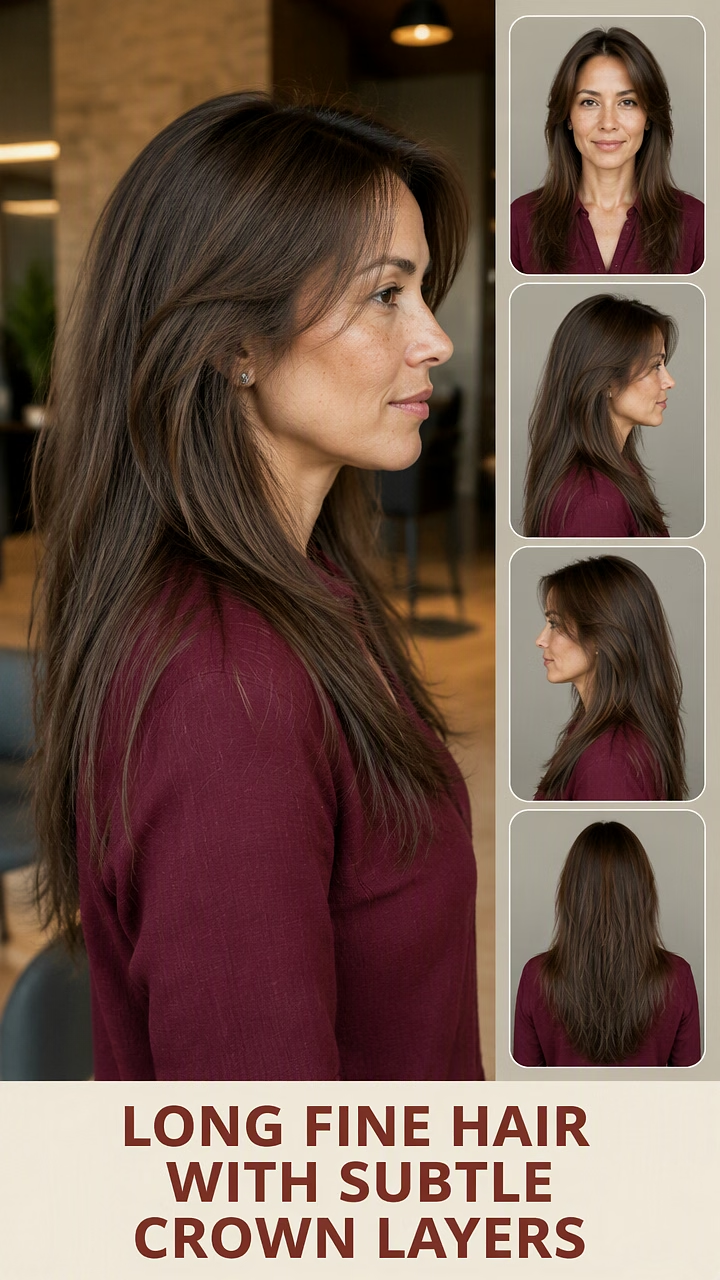
This delicate cut adds a few short, discreet layers at the crown and around the face while keeping the long perimeter mostly solid. The back looks full and smooth, and the shorter sections provide a little lift rather than a dramatic shaggy shape. It is a thoughtful choice for anyone who wants movement without losing the appearance of density.
Fine, straight hair often benefits from this restrained approach, though medium hair can wear it too. A side part and root-lifting mousse can create extra height; use a round brush just at the crown and front. Soft brunette, dark blonde, or fine babylights add dimension without distracting from the clean outline.
Ask for minimal internal and face-framing layers, with a full-looking baseline. Trim every 8–12 weeks to keep the ends neat. The volume effect is subtle, and too many short layers can make fine ends look thinner, so agree on a conservative plan.
Long Thick Hair With Short Internal Layers
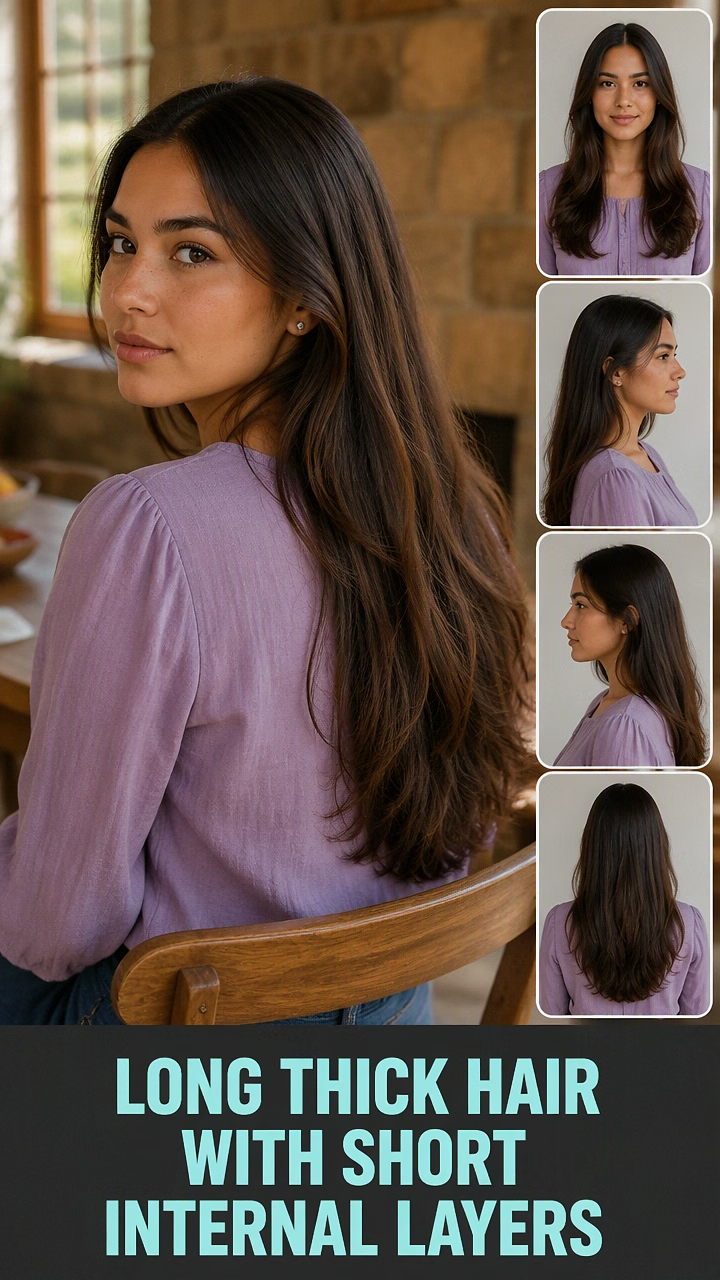
Internal layers remove some of the weight from thick, long hair without changing the visible outer outline much. Shorter sections sit beneath the top layer, allowing the hair to bend and move while the perimeter stays long and full. The sides and back keep a smooth, continuous finish rather than a heavily stepped appearance.
This approach suits dense straight or wavy hair that feels bulky, and it can be customized around the face or kept almost invisible. Blow-dry with a paddle brush for a sleek finish, or add loose waves to reveal the hidden movement. Rich brunette, glossy black, or subtle balayage keeps the look dimensional without making the layers the only feature.
Ask for weight removal through internal layers while preserving your outer length and ends. Refresh every 8–12 weeks. Internal layering is not always visible in a reference photo, so explain how much bulk you want reduced and how you style your hair.
Finding Your Best Long Hairstyle With Short Layers
The most flattering cut is the one that feels lovely on an ordinary day, not just in a salon blowout. Bring your favorite idea to your stylist, then tailor the layer placement to your texture, face shape, preferred styling time, and how often you want to trim or refresh your color. If you are unsure, start with a few face-framing pieces; you can always add more movement at your next appointment.
Sources: https://www.hairstyleeditor.com
Category: Long