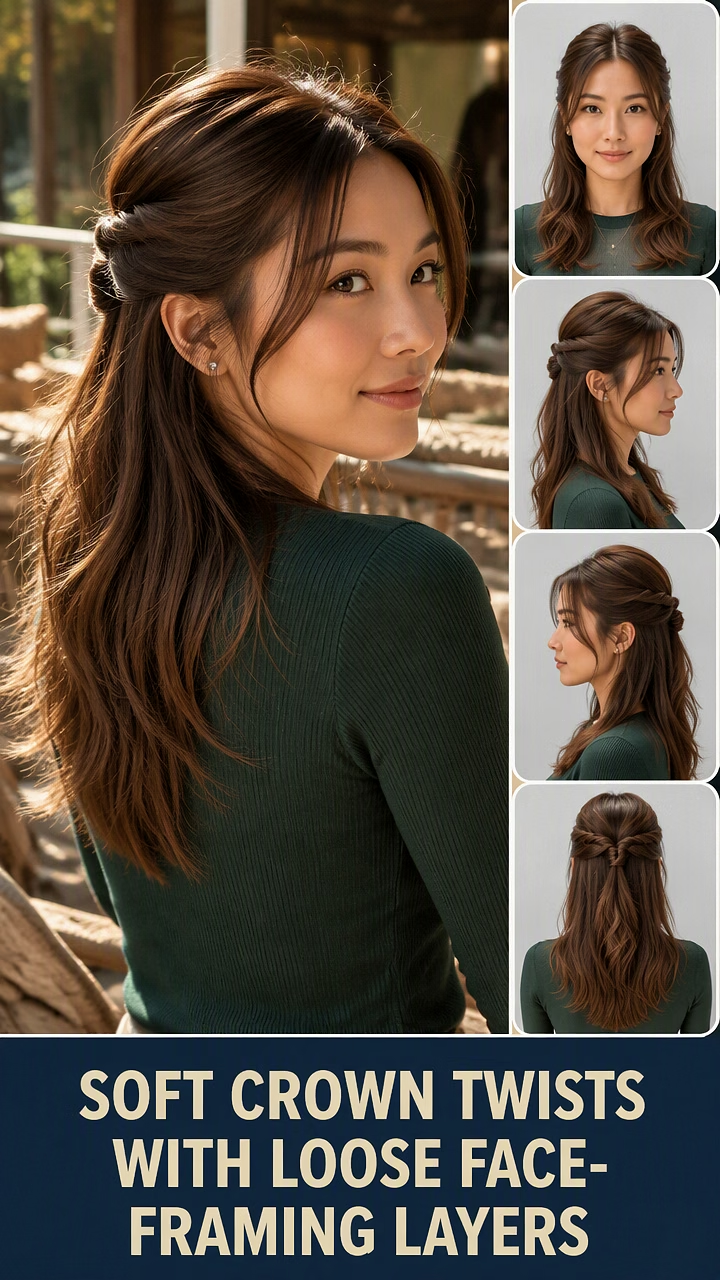
- 26 Shaggy Long Bob Hairstyles Ideas That Feel Fresh, Textured, And Easy To Style
- 26 Extra Long Bob Hairstyles Ideas That Feel Fresh, Polished, And Easy To Wear
- 22 Long Shag Hairstyles With Bangs For Beautiful, Easy Movement
- 23 Long Grey Shag Hairstyles For Soft, Modern Movement
- 22 Long Hairstyles With Layers Straight Dark Brown Black Hair
Long hair can feel like part of your signature, but a few thoughtfully placed front layers can make it feel new again. They bring softness around your face, add movement when you turn your head, and help long lengths look styled without losing their easy, familiar appeal.
You Are Watching: 22 Long Hairstyles With Front Layers That Feel Fresh And Flattering
The best version is the one that works with your natural texture and your real routine. Whether you love a polished blowout, relaxed waves, or air-dried curls, these long hairstyles with front layers offer wearable inspiration and practical details to discuss with your stylist.
20 Long Hairstyles With Front Layers To Inspire Your Next Cut
Straight Long Hair With Soft Clavicle-Length Front Layers
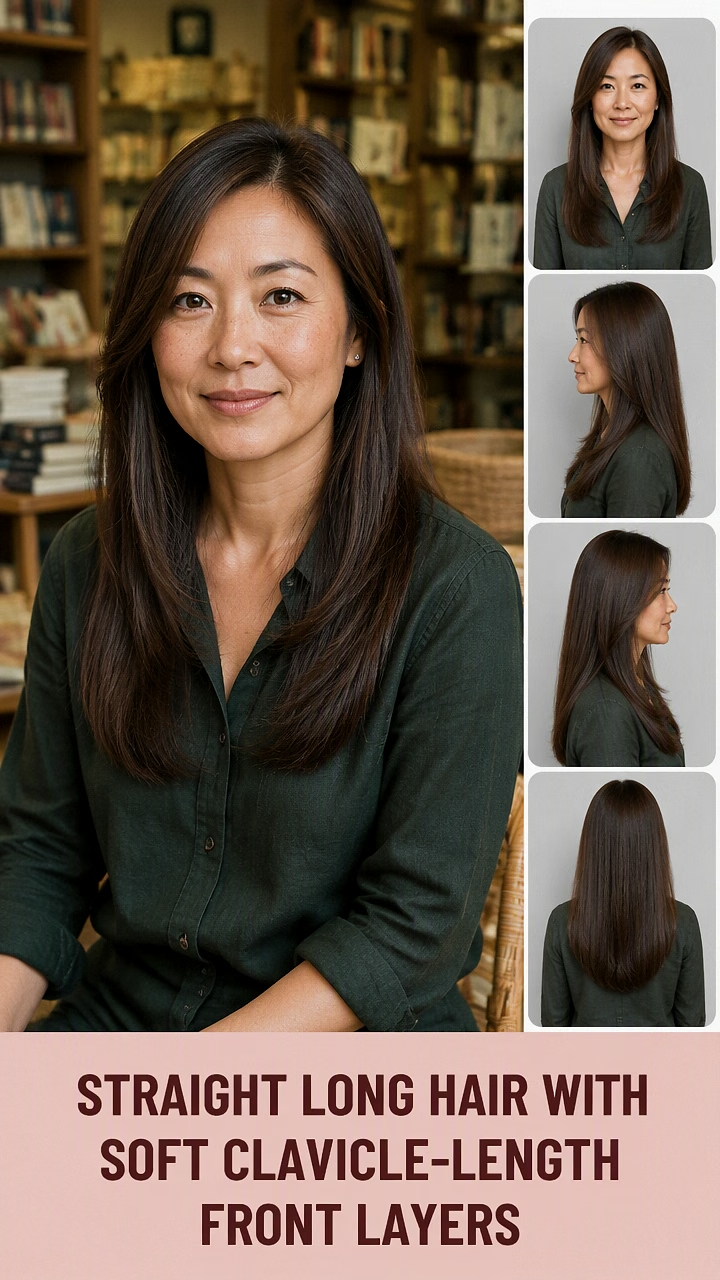
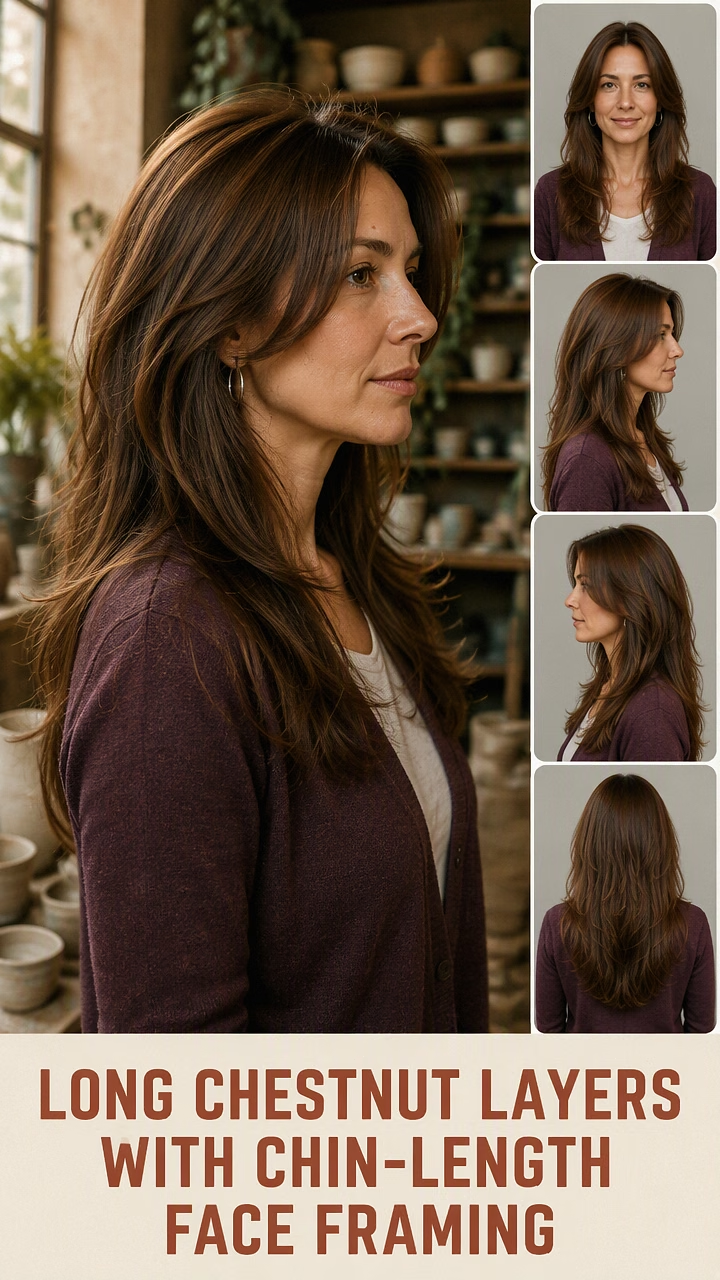
This understated cut keeps the back long and full, with a gentle face frame that begins around the collarbone and blends into the ends. On straight hair, the angled front pieces show clearly; on fine hair, keeping the shortest layer low helps preserve density through the bottom.
A center part gives the frame a balanced, graceful sweep, while a slight side part adds a little asymmetry. Try a smoothing cream and a quick pass with a round brush or flat iron, turning the front ends inward. Natural brunette, glossy black, and dimensional brown all suit this simple shape. It flatters oval, heart, and round faces without relying on a dramatic fringe.
Ask for long, blended face-framing layers and minimal removal of length at the back. Refresh the shape every 10 to 12 weeks, or as the ends need it. It is easy to grow out, though the front pieces look most intentional when lightly styled.
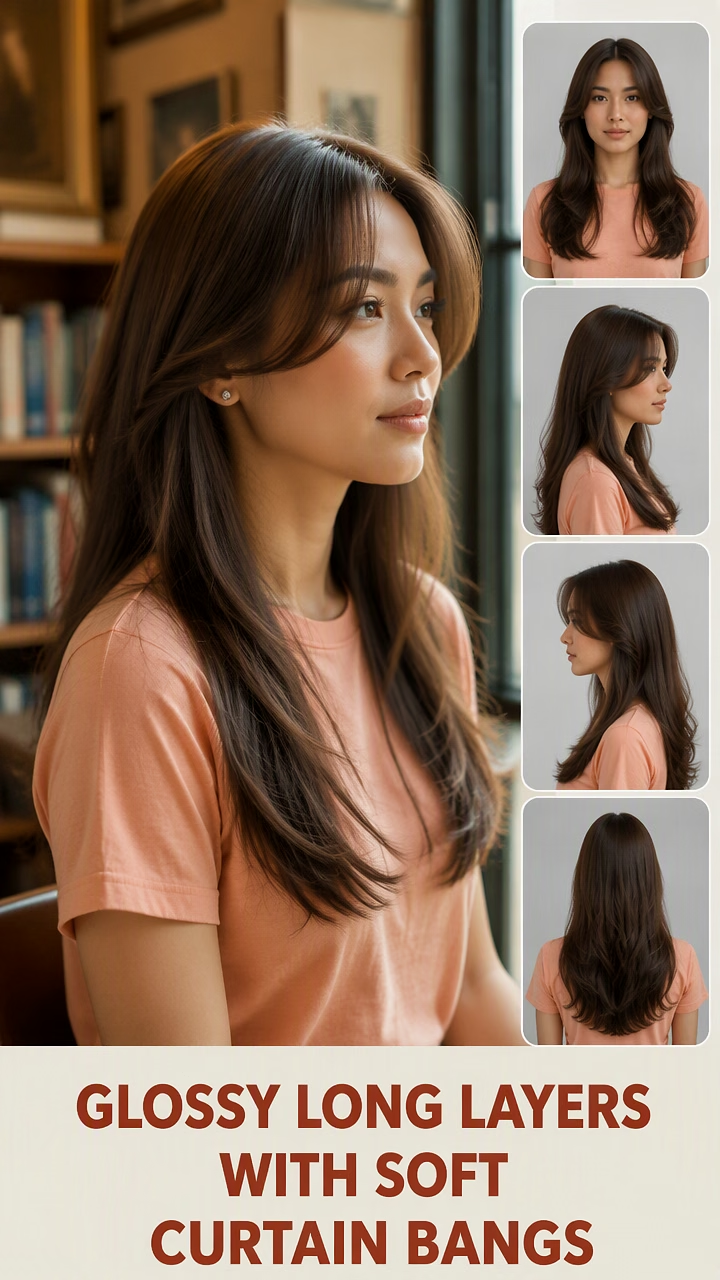
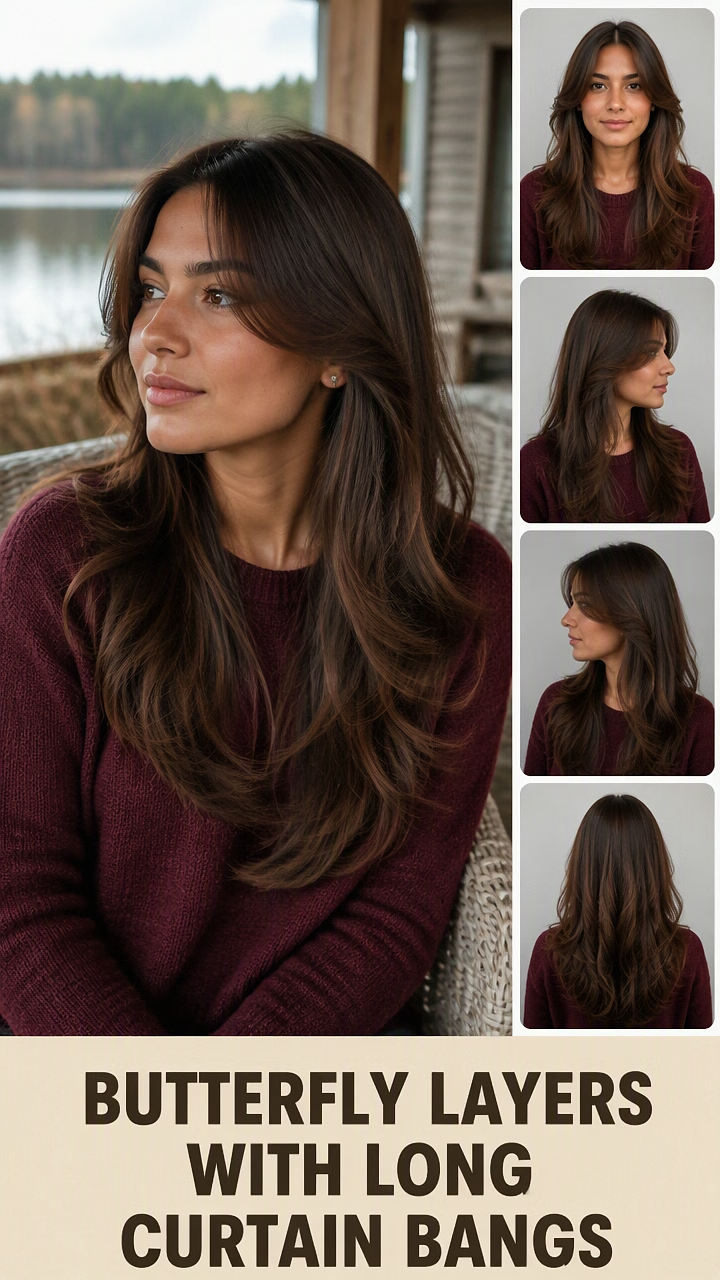
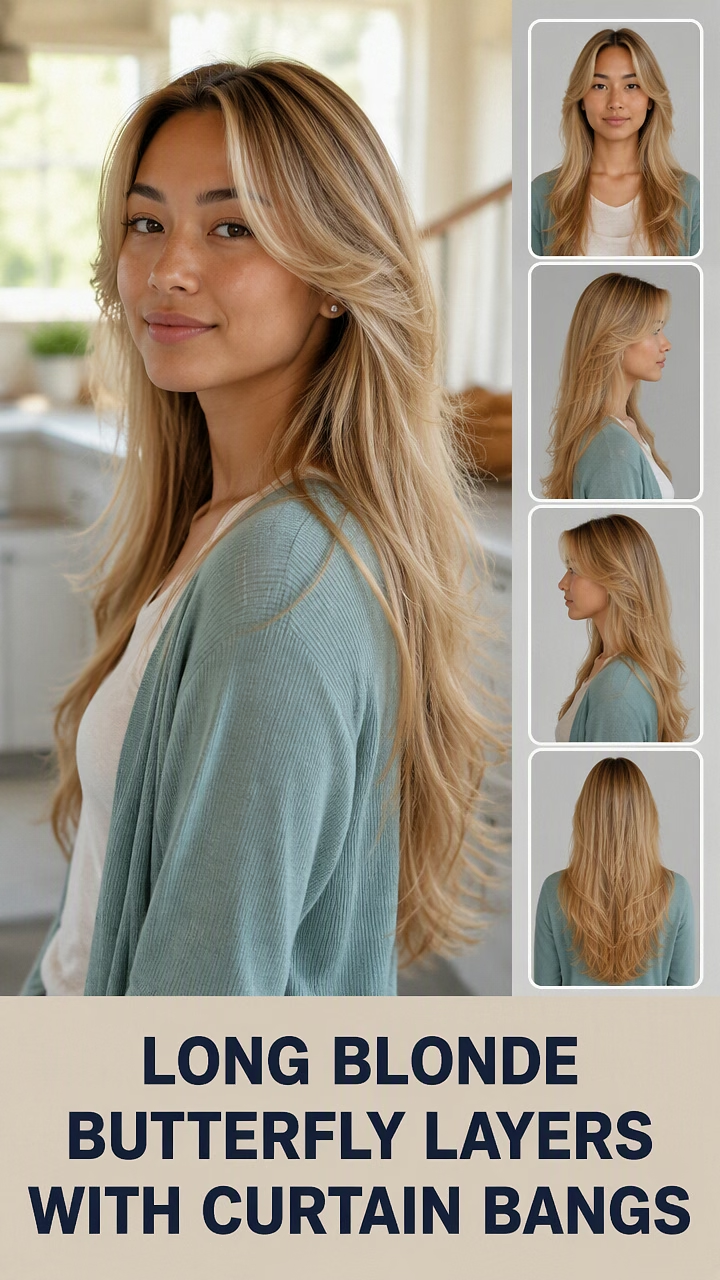
Butterfly Layers With Long Curtain Bangs And Airy Volume
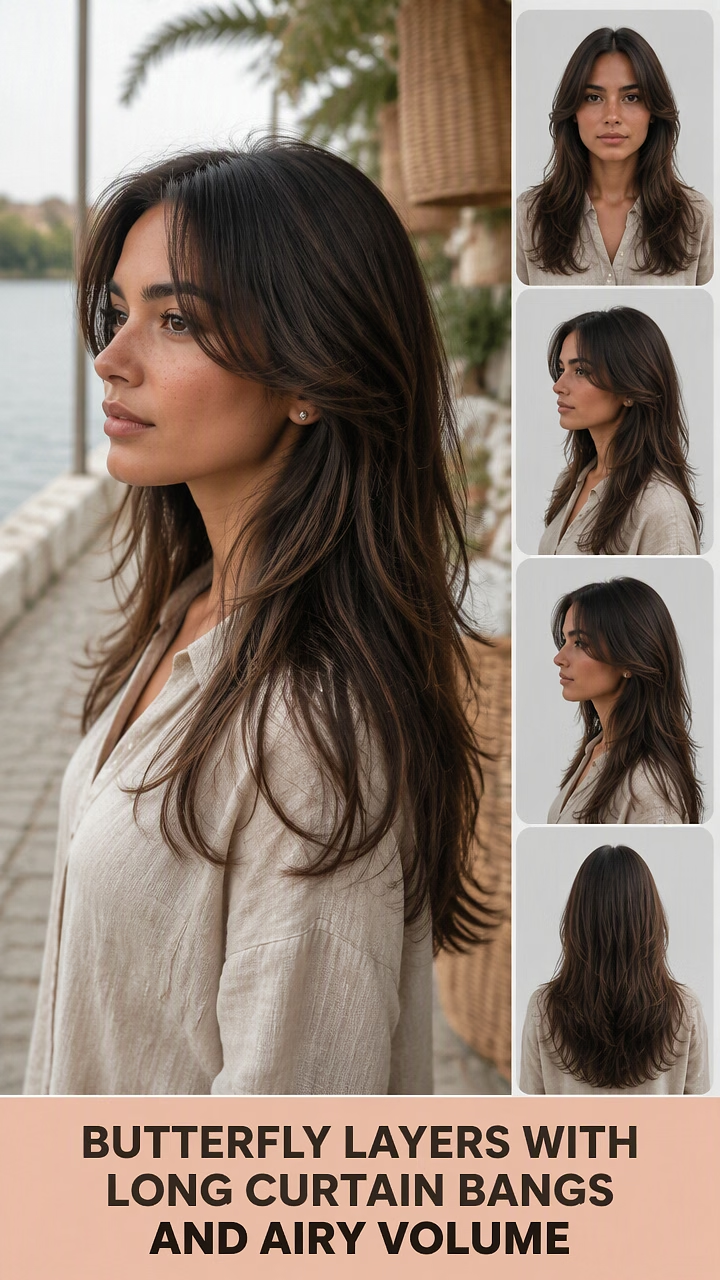
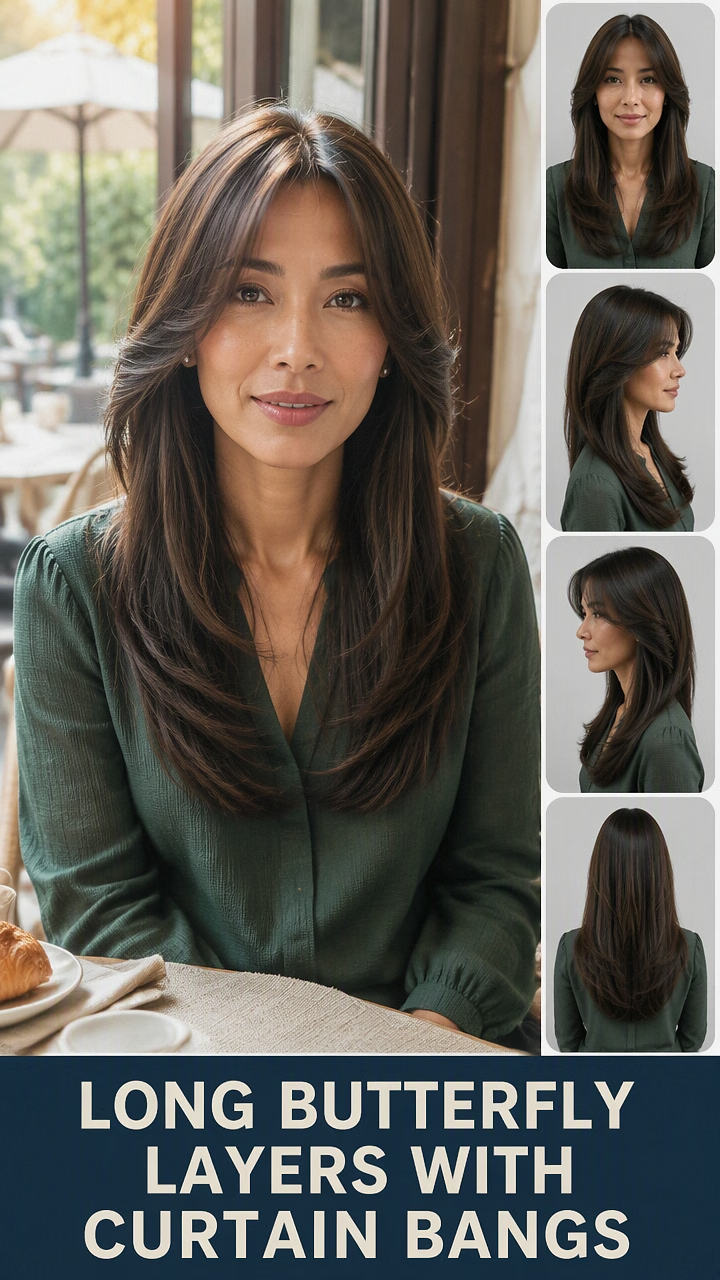
A butterfly cut pairs shorter, feathered layers around the crown and face with long lengths that remain visible underneath. Long curtain bangs open at the middle and curve toward the cheekbones, making the front look lively while the back retains its length. The layered outline creates a bouncy, winged silhouette, especially on medium or thick hair.
Use a round brush or large rollers to direct the fringe away from the face and lift the crown; a light mousse can help support the shape. Soft caramel ribbons or a dimensional bronde emphasize the movement, but a solid shade works beautifully too. Oval and heart-shaped faces suit the airy frame, while a stylist can adjust the bang length for other proportions.
Request crown layers that blend into long face-framing pieces, not short choppy steps. Expect more styling than with subtle layers, and plan a bang refresh every six to eight weeks if you want the curtain shape to stay crisp.
Bouncy Long Round Layers With A Polished Blowout
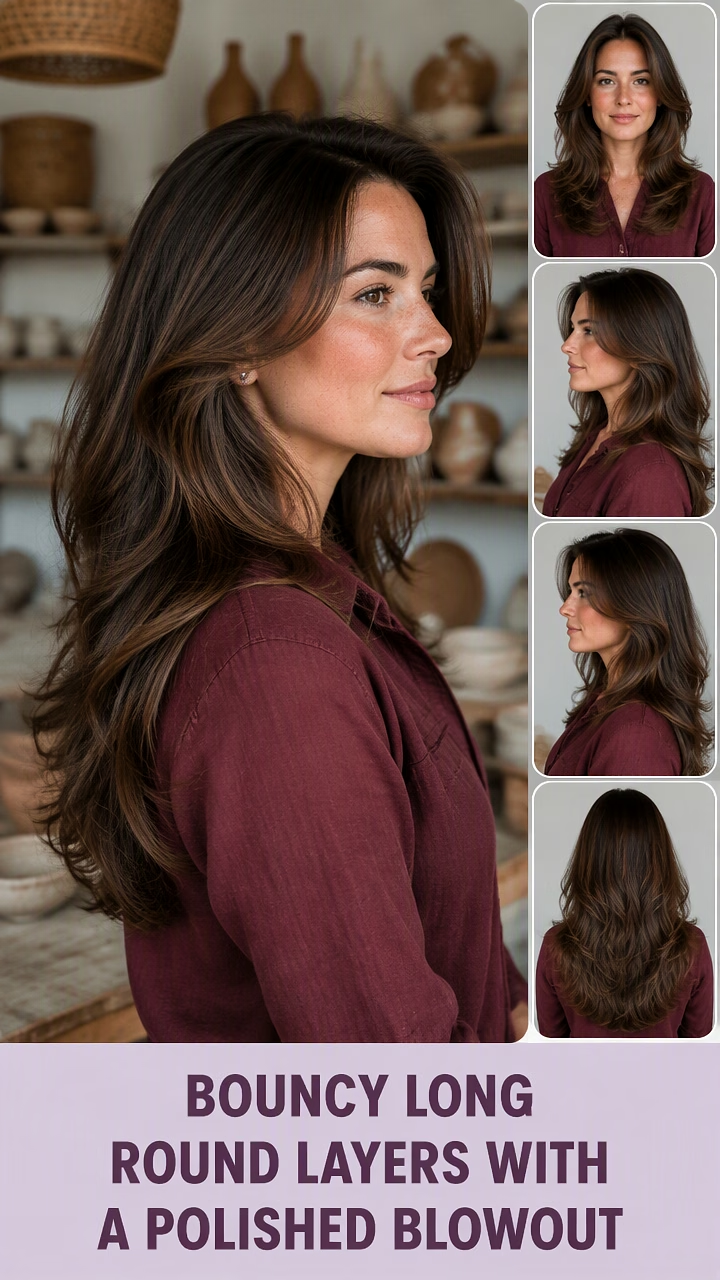
Long round layers are cut to curve around the head, with shorter pieces near the face gradually joining longer lengths at the back. Styled into a smooth, full blowout, they create a soft cascade rather than a sharply layered outline. This shape brings movement to thick hair and can make straight, medium-density hair look more buoyant.
Work in heat protectant and a small amount of mousse, then use a round brush to lift the roots and roll the front sections away from the face. Velcro rollers can hold the shape while the hair cools. Warm brunette, honey blonde, and natural-looking highlights catch the curved layers nicely. The sweep is especially lovely on oval and heart-shaped faces.
Ask your stylist for long, rounded layers with fullness at the ends and a face frame beginning near the jaw. A trim every 8 to 12 weeks helps keep the shape even. This is a more styling-dependent option, so it may feel less effortless when air-dried.
Long Wavy Shag With Shaggy Curtain Fringe
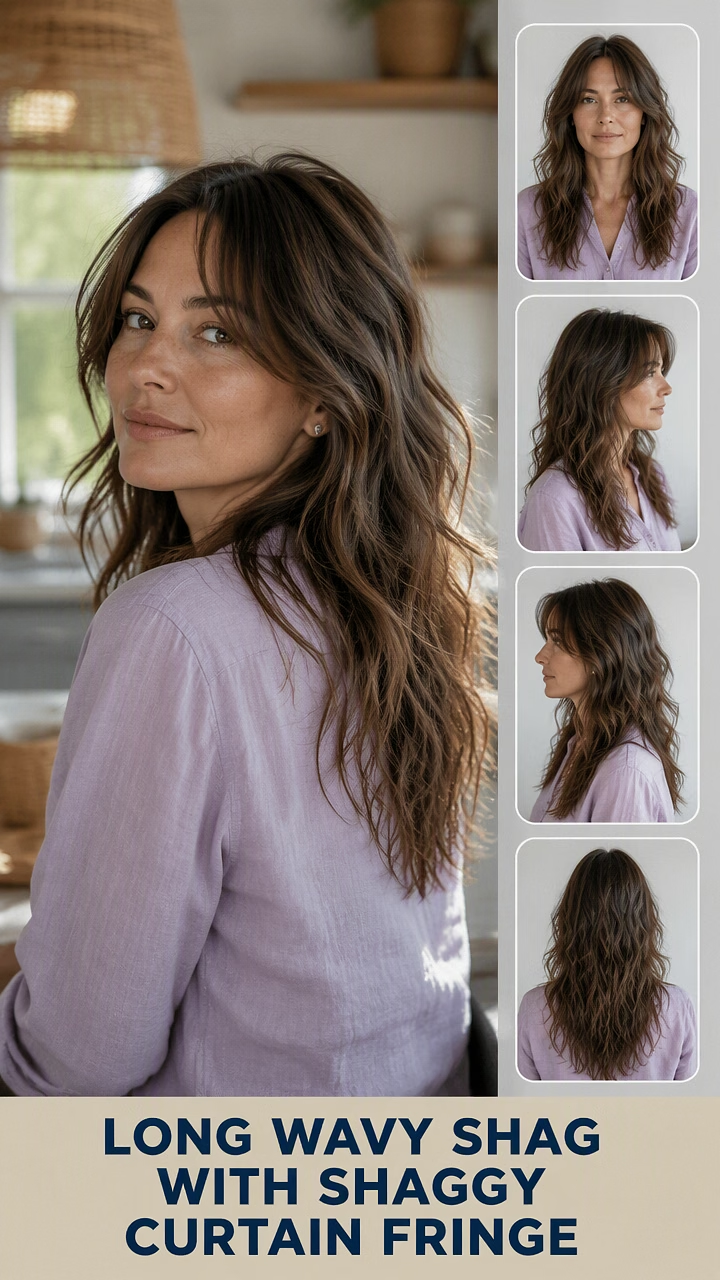
This relaxed shag keeps plenty of length while adding choppy, varied layers from the crown through the sides. A soft curtain fringe connects to cheekbone-skimming pieces, and the ends remain wispy rather than blunt. Natural waves bring out the cut’s undone texture; thick hair can benefit from the lighter outline, while fine hair may need gentler layering to avoid sparse ends.
Scrunch damp hair with a light texturizing cream or mousse and let it air-dry, or use a diffuser for extra definition. A center or slightly off-center part both work. Rich copper, chocolate brown, and lived-in highlights give the uneven layers extra dimension. The feathery frame can soften angular faces and add width around longer face shapes.
Ask for a long shag with controlled crown layers and a fringe that blends into the sides. It grows out casually, but the fringe may need reshaping every couple of months. The trade-off is an intentionally textured finish rather than a sleek, uniform line.
Long Curly Hair With Rounded Face-Framing Layers
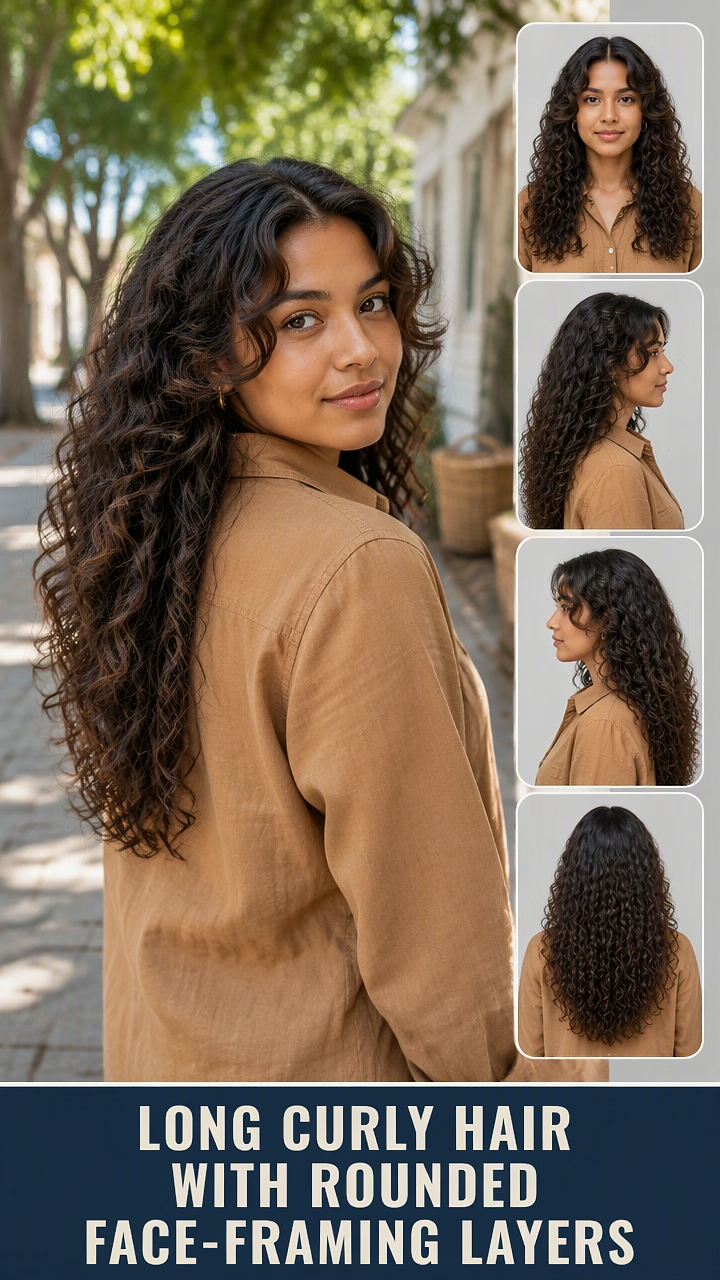
Rounded front layers can give long curls a lifted shape without taking away their length. The shortest pieces sit around the cheekbones or chin, then lengthen toward the back, creating a softer outline than a one-length cut. This approach suits loose curls and waves as well as tighter patterns, provided the stylist considers how much each curl springs up when dry.
A curl cream or leave-in conditioner, applied to soaking-wet hair and scrunched gently, helps curls settle into their natural pattern. Diffuse on low airflow or air-dry, and avoid brushing the finished shape. Deep espresso, warm chestnut, or subtle copper tones make the curl definition stand out. Rounded layers can balance longer faces and complement oval or heart-shaped features.
Ask for a curl-aware cut with a gradual front frame, ideally assessed in your natural texture. Refresh every 10 to 14 weeks depending on your ends and shape. Curly layers need thoughtful placement; too-short front pieces may shrink higher than expected.
Corkscrew Curls With A Long Diamond-Shaped Layered Cut
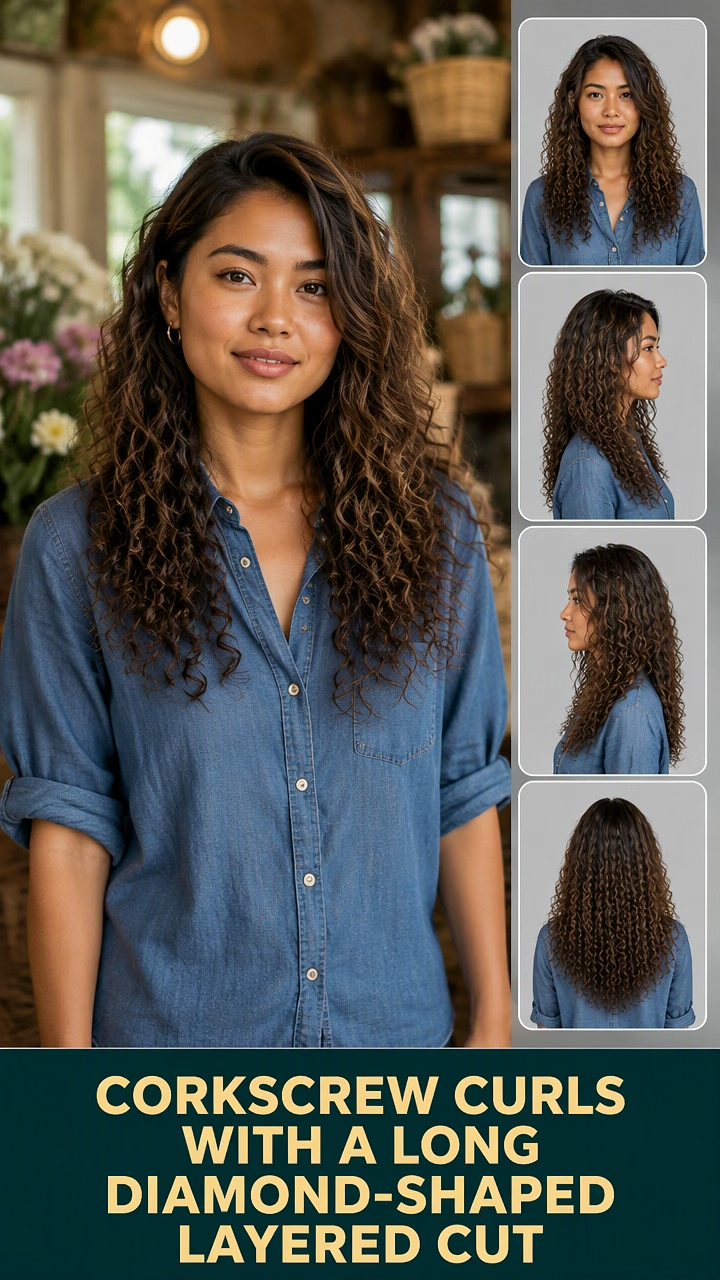
For tight corkscrew curls, a diamond-shaped silhouette brings fullness through the sides while keeping the longest length in the back. Face-framing layers begin around the cheekbones and chin, then blend into the long perimeter. This gives dense curls room to form rather than gathering into a heavy, triangular shape at the bottom.
Work a curl-defining cream through damp sections and let the curls dry with minimal handling. A diffuser can shorten drying time, but use gentle airflow to limit disruption. Dark, glossy shades show off the sculpted shape, while subtle ribbons of color can reveal individual spirals. The width at the sides can be flattering on long or angular faces; ask for a customized outline if you prefer less volume.
Request a dry or curl-by-curl approach if that suits your stylist’s method, with the front pieces tailored to your shrinkage. Shape maintenance is often needed every 10 to 14 weeks. The cut looks best with consistent curl styling, and its volume may feel bold if you usually wear hair very sleek.
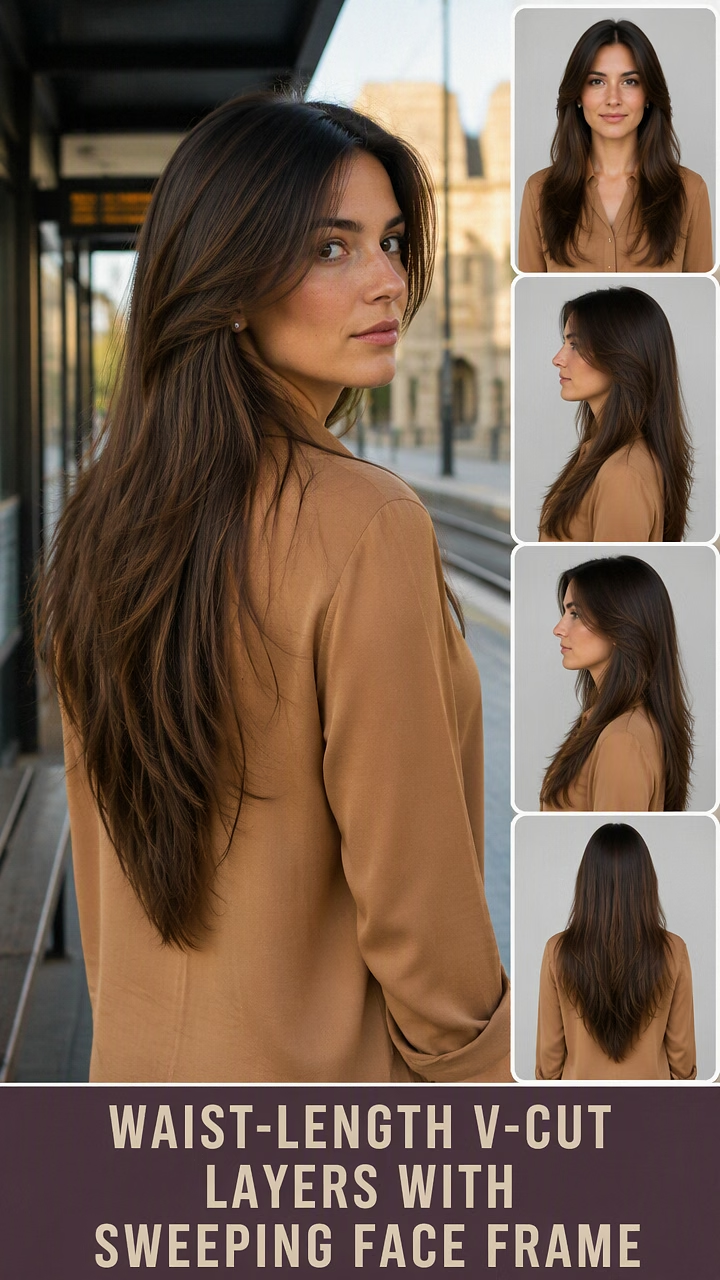
Thick Long V-Cut Hair With Dramatic Front Layers
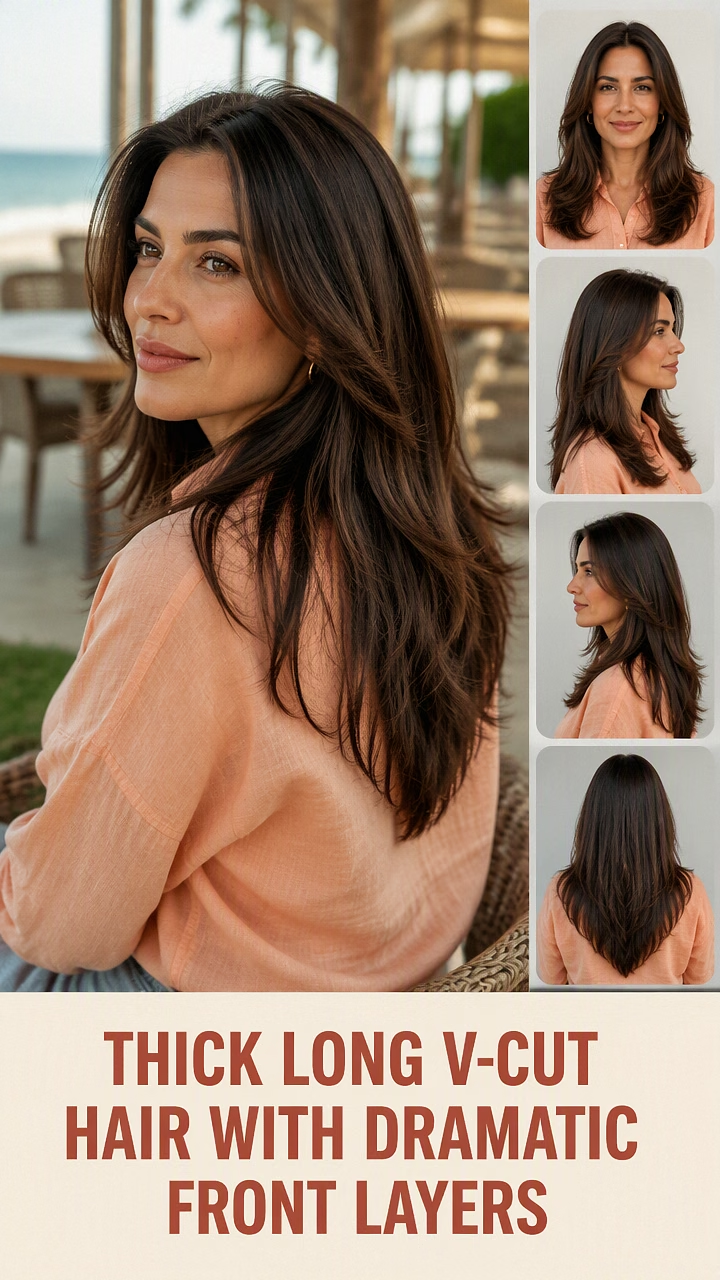
A V-shaped perimeter leaves the center-back lengths longest while the sides angle upward, creating a pointed finish. Strong front layers can begin around the chin and sweep back into that outline, removing some visual weight without sacrificing the dramatic length. This cut is especially striking on thick, straight or wavy hair, where the angled shape remains visible.
Blow-dry the front sections with a round brush, then add loose bends through the lengths with a large-barrel iron if you want more separation. A glossy dark brown or dimensional brunette gives the V shape depth; fine highlights can emphasize the angles. The front sweep frames oval and heart-shaped faces and can soften a broader jaw.
Ask for a clear V perimeter and long, connected face-framing layers, specifying how much fullness you want to keep. Trim every 10 to 12 weeks to maintain the point. It is less suitable if you want a thick, blunt-looking hemline, since the sides are intentionally shorter.
Soft U-Cut With Long Balayage-Framed Layers
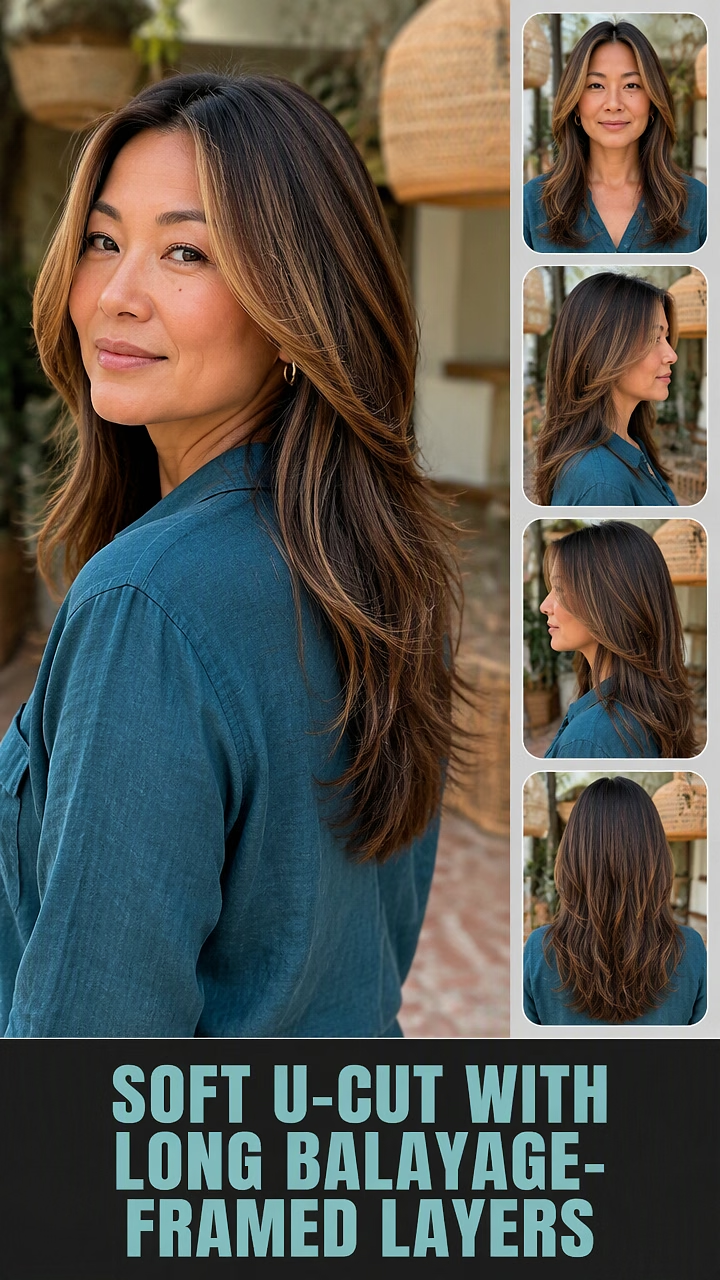
A U-shaped perimeter makes a gentle curve across the back, retaining a fuller appearance than a deep V. Long front layers gradually sweep from the jaw or collarbone toward the curved ends, giving the hair a fluid outline. This adaptable cut works on straight, wavy, and medium-to-thick textures, and can be kept subtle for finer hair.
Loose waves reveal the rounded shape, while a smooth blow-dry gives it a polished, flowing finish. Balayage in caramel, beige blonde, or soft copper can brighten the face frame without creating a sharp stripe; a natural single shade keeps the result understated. The gentle curves complement oval, heart, and square faces.
Ask for a soft U-shaped hemline with blended layers that do not thin the ends too much. A trim around every 10 to 12 weeks keeps the curve tidy. Balayage requires color upkeep as it grows, even though the cut itself can be refreshingly easy to wear.
Fine Long Hair With Blunt Ends And Subtle Front Angles
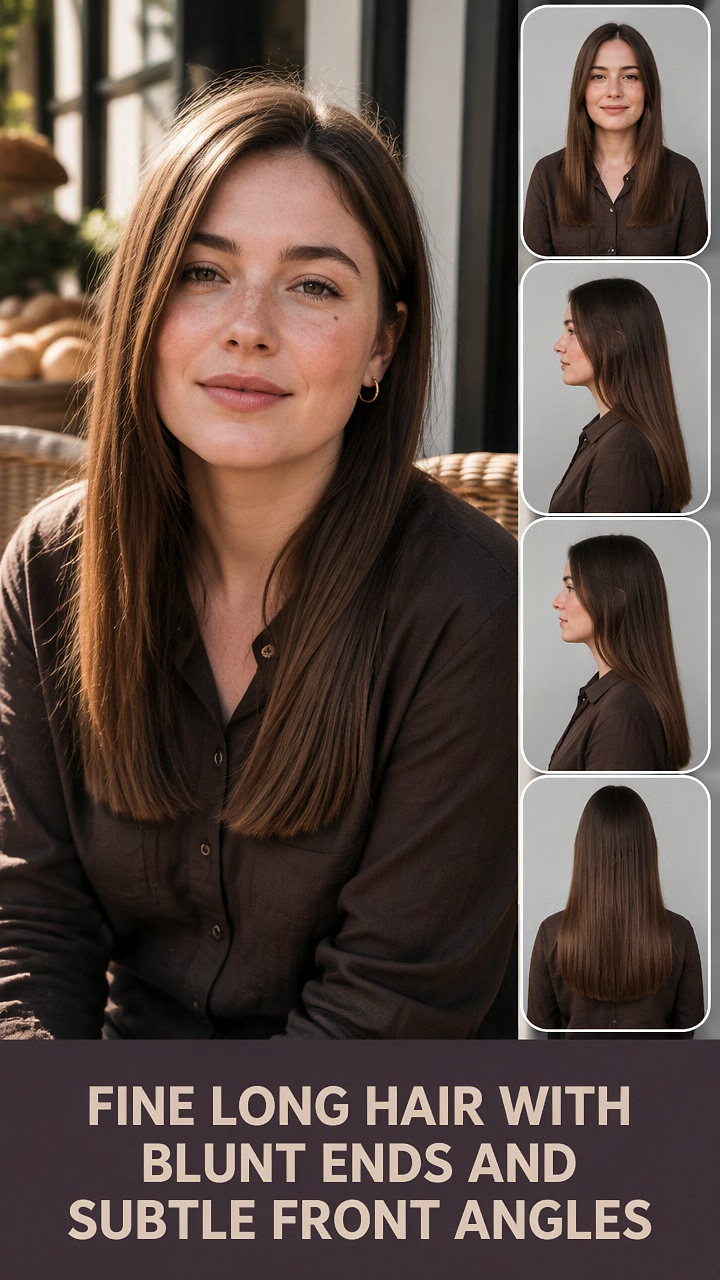
Fine hair can look airy without losing the impression of fullness. This cut keeps the back mostly one length with a crisp, blunt perimeter, then adds only a few long angles around the front. The shortest pieces might begin below the chin, creating movement near the face while protecting the delicate-looking ends from excessive layering.
A volumizing mousse at the roots and a round-brush blow-dry can lift the front without overworking the lengths. If you prefer a quick routine, smooth the hair and turn just the front sections slightly inward. Cool beige blonde, soft brown, or a glossy natural shade keeps the clean outline looking polished. The long angles suit most face shapes and are especially adaptable with a center part.
Ask your stylist to preserve density through the back and keep the front layers long and sparse. A trim every 8 to 12 weeks helps maintain the blunt edge. This cut offers less built-in movement than a heavily layered style, so styling may be needed for visible bounce.
Side-Swept Long Fringe With Flowing Face-Framing Layers
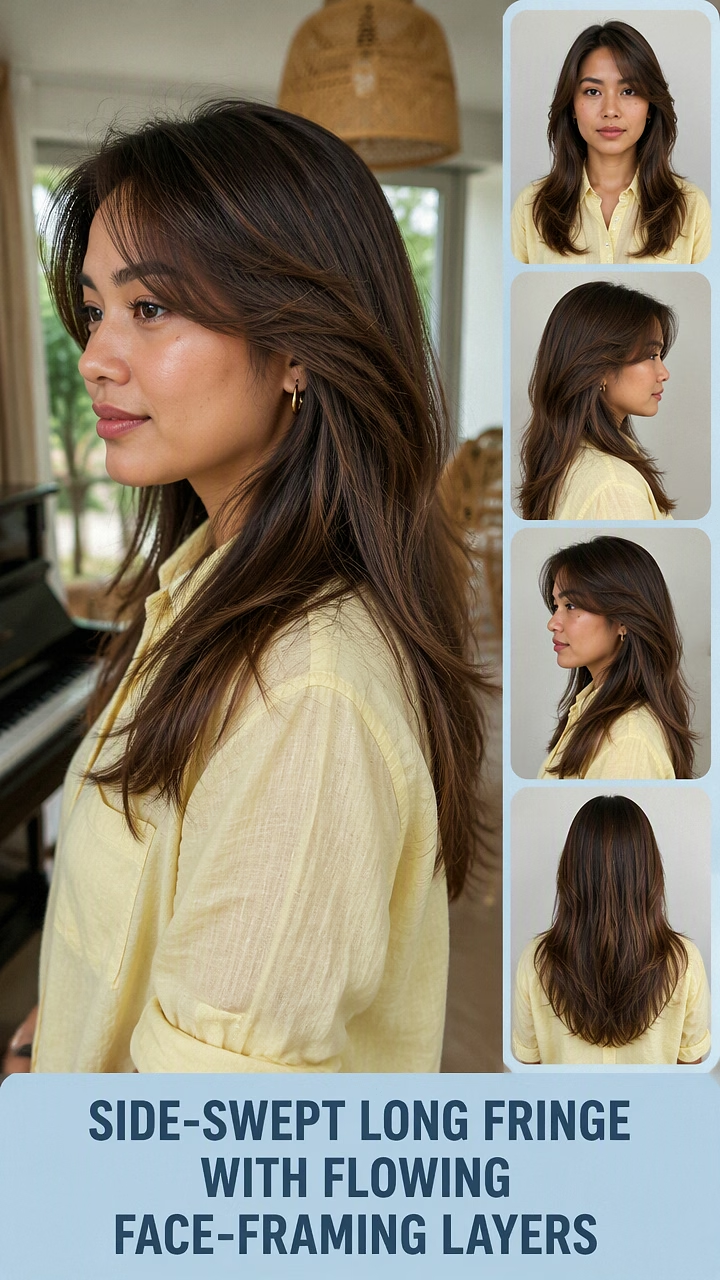
A long fringe swept across the forehead blends into angled front layers, creating a soft diagonal line instead of a full curtain opening. Keep the rest of the hair long with gentle layering through the sides and back. This look works on straight and wavy textures, and the fringe can be adjusted from a subtle brow-skimming sweep to a longer cheekbone-length piece.
Blow-dry the fringe first, brushing it from side to side before directing it into place; this helps it sit smoothly. A lightweight styling lotion can add polish without flattening fine hair. Chestnut, glossy black, and warm blonde all suit the graceful finish. The diagonal line can soften square features and bring attention to the eyes, while a side part adds natural lift.
Ask for a side fringe that connects seamlessly to long face-framing layers. Bangs need more frequent trims, often every six to eight weeks; the rest can wait longer. A fringe can fall forward during exercise or humid weather, so pinning it back should remain an option.
Long Wispy Bangs With Feathered Front Layers
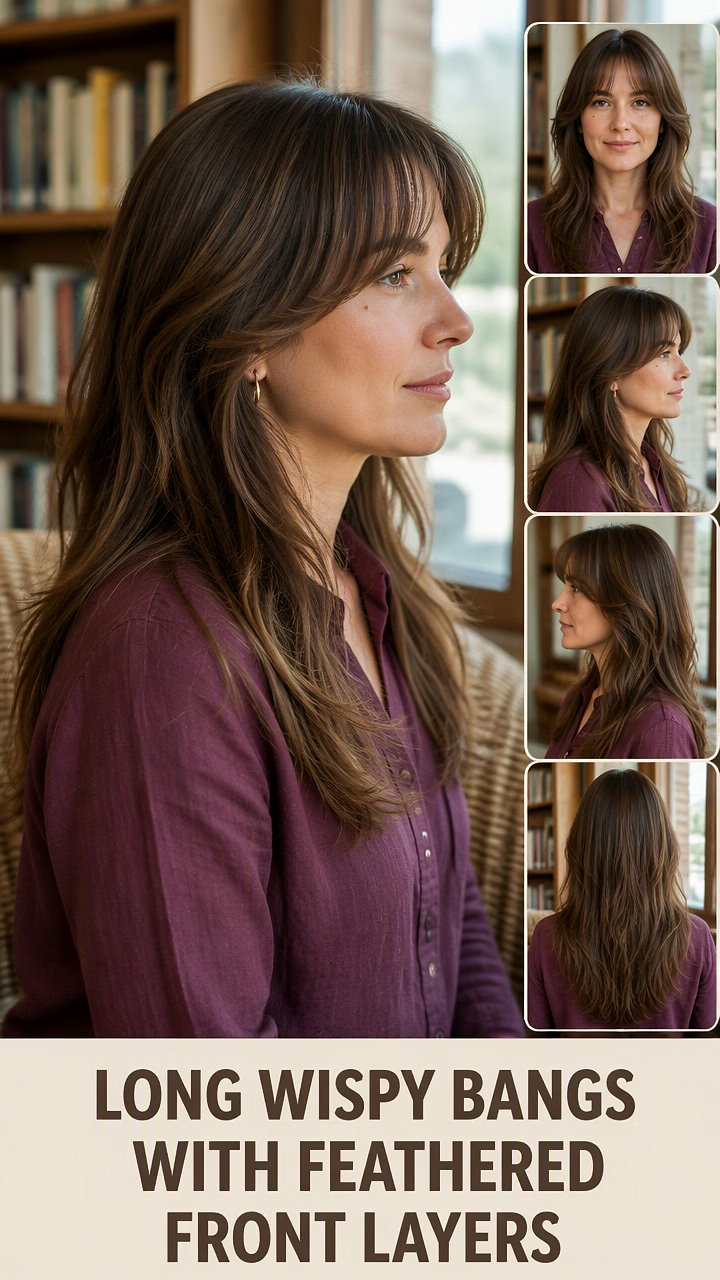
Wispy bangs create a light veil across the forehead, with separated ends that blend into cheekbone and jaw-length front layers. The remaining hair stays long, with soft layering to keep the finish from looking too heavy. This delicate fringe is a gentler alternative to a solid bang and suits straight, wavy, and finer textures particularly well.
Use a small round brush to shape the fringe, then let the longer sections fall naturally or add a loose bend with a curling iron. A touch of flexible-hold spray keeps wispy pieces from separating too much. Natural brunette, soft copper, or fine face-brightening highlights complement the airy look. The fringe can soften a high forehead and pair beautifully with oval or heart-shaped faces.
Ask for a light, textured fringe that can still be tucked aside, plus blended front layers. Bangs usually need reshaping every six to eight weeks. Because the fringe is delicate, it can require a little daily attention and may separate in wind or humidity.
Long Blunt Bangs With Layered Lengths And Soft Movement
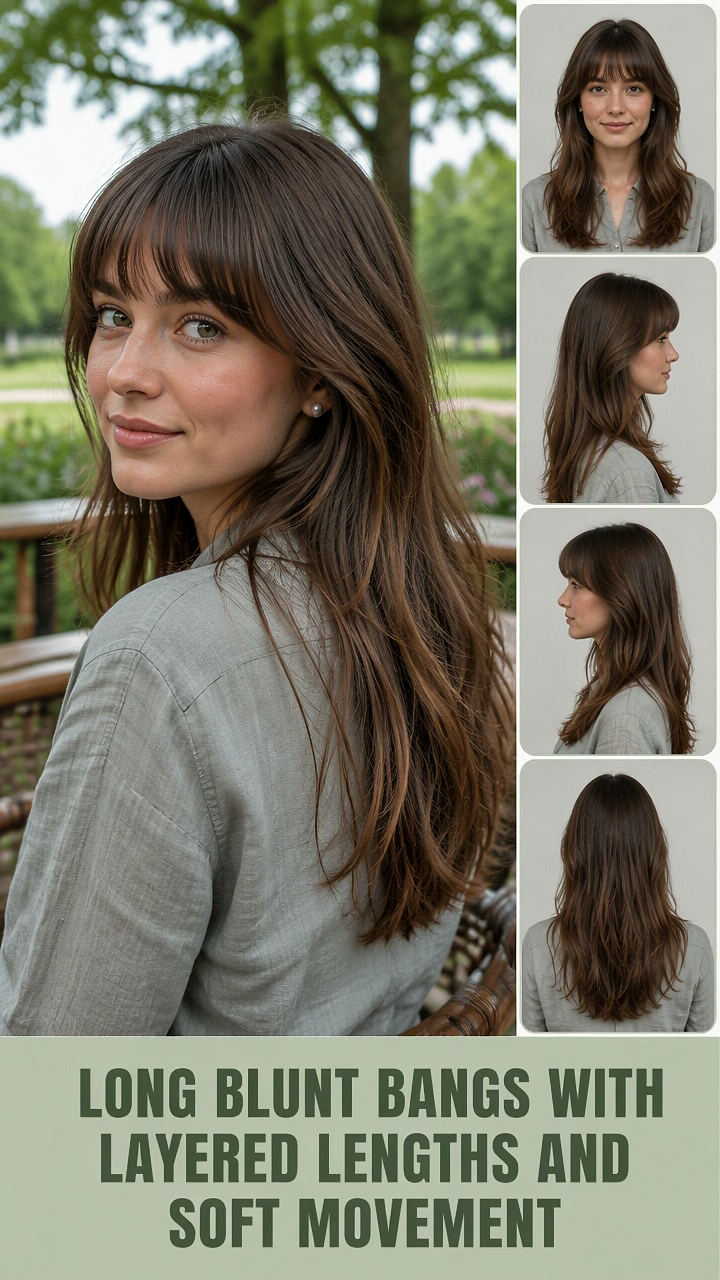
Full, brow-skimming bangs provide a strong frame, while long layers through the rest of the hair prevent the overall shape from feeling blocky. Keep the layers concentrated around the sides and lower lengths, finishing in a soft U or mostly blunt outline. This contrast looks striking on straight or gently wavy hair and can suit thick or medium-density strands.
Blow-dry bangs with a paddle brush for a smooth finish, then use a round brush to add a slight curve at the ends. A smoothing serum helps manage flyaways, while a simple shine spray can emphasize the clean fringe. Deep brunette, natural black, and rich auburn make the contrast especially defined. A full fringe can balance a longer face and draw focus to the eyes.
Ask your stylist to tailor the bang width and length to your features and cowlicks. Plan fringe trims every four to six weeks; the long layers need less frequent attention. This style is more committed than a curtain fringe because growing out a full bang takes patience.
Beachy Long Waves With Midshaft Front Layers
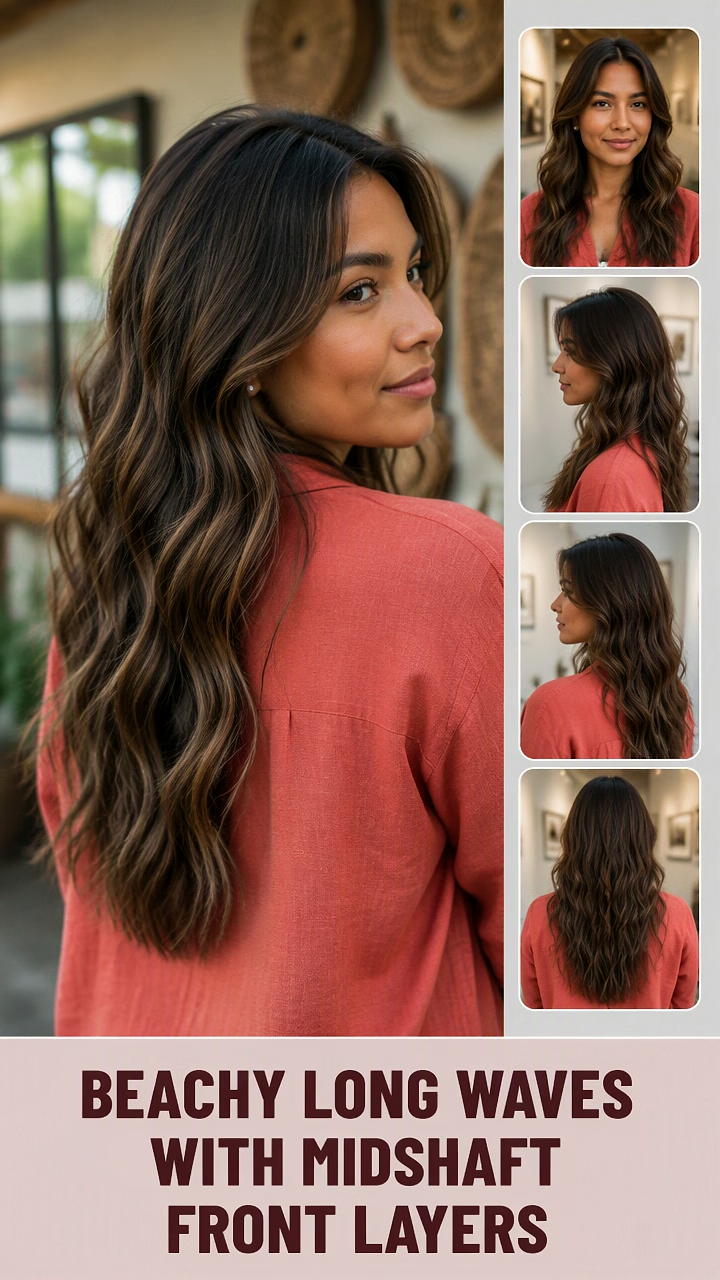
These layers start around the mid-lengths, leaving the crown and roots relatively calm while adding movement through the front and lower sections. The ends stay soft rather than heavily thinned, and the face frame blends into the wave pattern. It is an easygoing choice for naturally wavy hair and works on straight hair that holds a loose bend.
Mist damp lengths with a light wave product, then scrunch and air-dry or diffuse. For straighter hair, use a medium-barrel iron on a few sections, alternating directions and leaving the ends relaxed. Sunlit caramel, sandy blonde, or subtle bronde color picks up the texture. The flowing waves soften angular faces and add width around the cheeks.
Ask for long layers placed to support your natural wave, with the shortest front pieces chosen for how you wear a part. A trim every 10 to 12 weeks is usually enough. Heat styling adds definition but takes time; the air-dried version will look more relaxed and less uniform.
Sleek Center-Parted Long Hair With Angled Front Layers
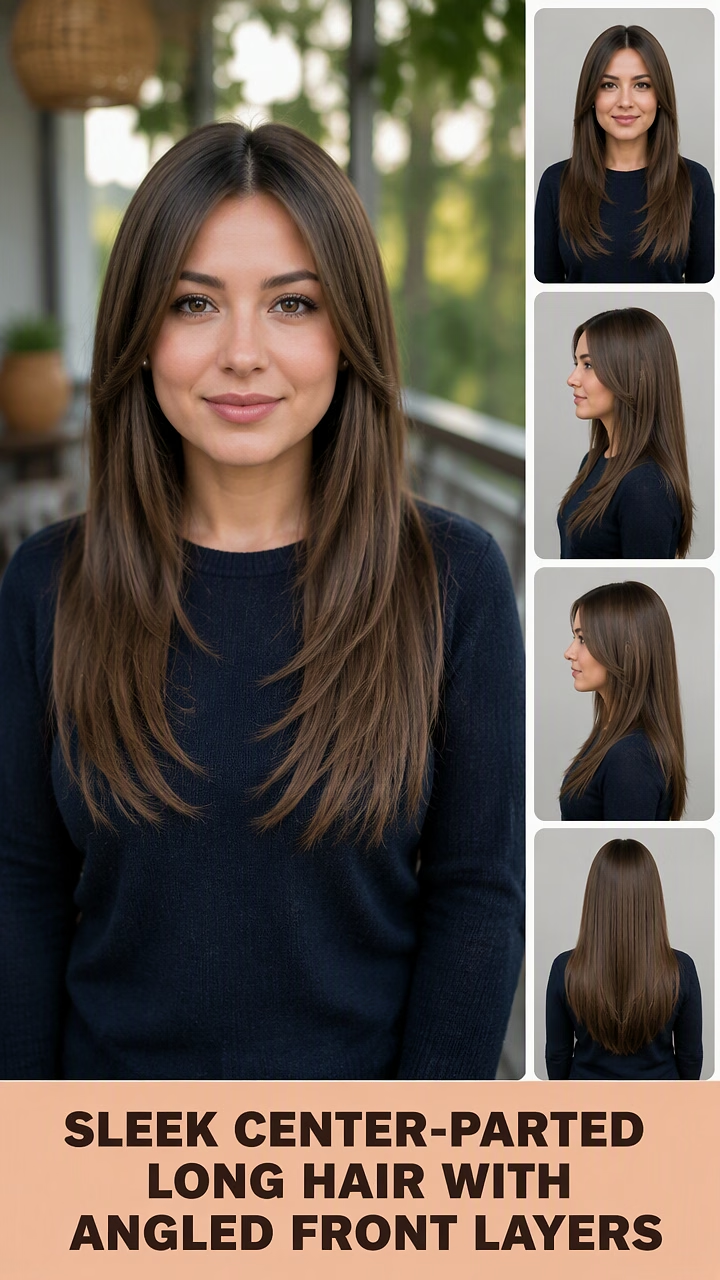
A precise center part lets long, angled front pieces frame both sides evenly. The back stays long and relatively smooth, with subtle layers near the ends so the hair retains a clean, streamlined fall. This look suits straight hair especially well, though a flat iron can smooth a gentle wave when you want a glassy finish.
Apply heat protectant and a small amount of smoothing cream, then blow-dry with a paddle brush before refining sections with a flat iron if needed. Glossy espresso, inky black, or a single rich brown shade emphasizes the sharp lines. The symmetry works beautifully on oval faces; longer front pieces can be adjusted to flatter round or heart-shaped features.
Ask for a center-parted face frame that begins below the cheekbone and blends gradually into the ends. Trim every 8 to 12 weeks to keep the perimeter neat. This polished style shows frizz and uneven ends more readily, so it may require more smoothing than a textured cut.
Deep Side-Parted Bombshell Layers With Sweeping Volume
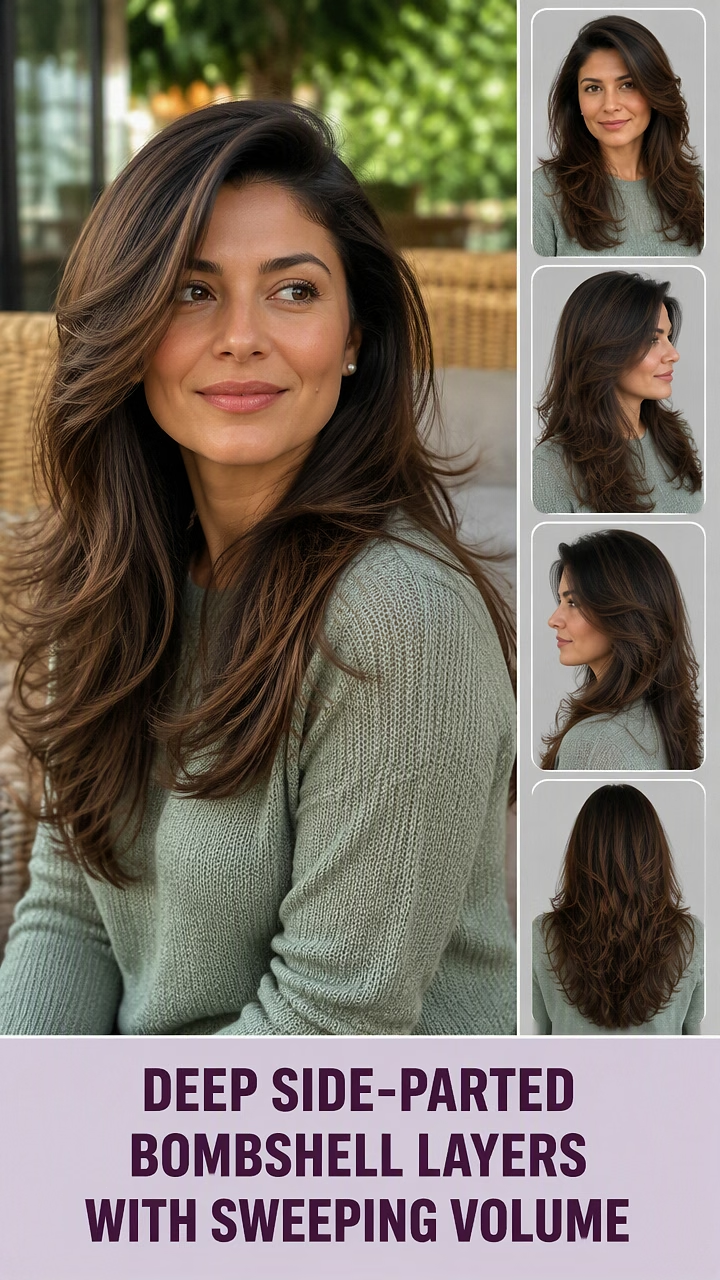
A deep side part shifts the front layers into a dramatic sweep, while long rounded layers through the sides create the fullness associated with a classic bombshell blowout. The back remains long, with soft, curved ends rather than choppy texture. Medium and thick hair create the most natural volume, while fine hair can use careful layering and root lift.
Read more : 28 Long Bob Braids Hairstyles Ideas That Feel Fresh, Modern, And Easy To Style
Apply mousse at the roots and heat protectant through the lengths, then blow-dry in sections with a round brush. Large rollers set the lift while the hair cools. Warm blonde, honey brown, or dimensional brunette shades make the curves glow. The sweeping front frame can balance a longer face and soften a square jaw.
Ask for long, blended layers that support a deep side part without leaving short, disconnected pieces. Shape trims every 8 to 12 weeks keep the flow fresh. This is a more time-intensive choice if you want full volume every day, but a looser version wears well between blowouts.
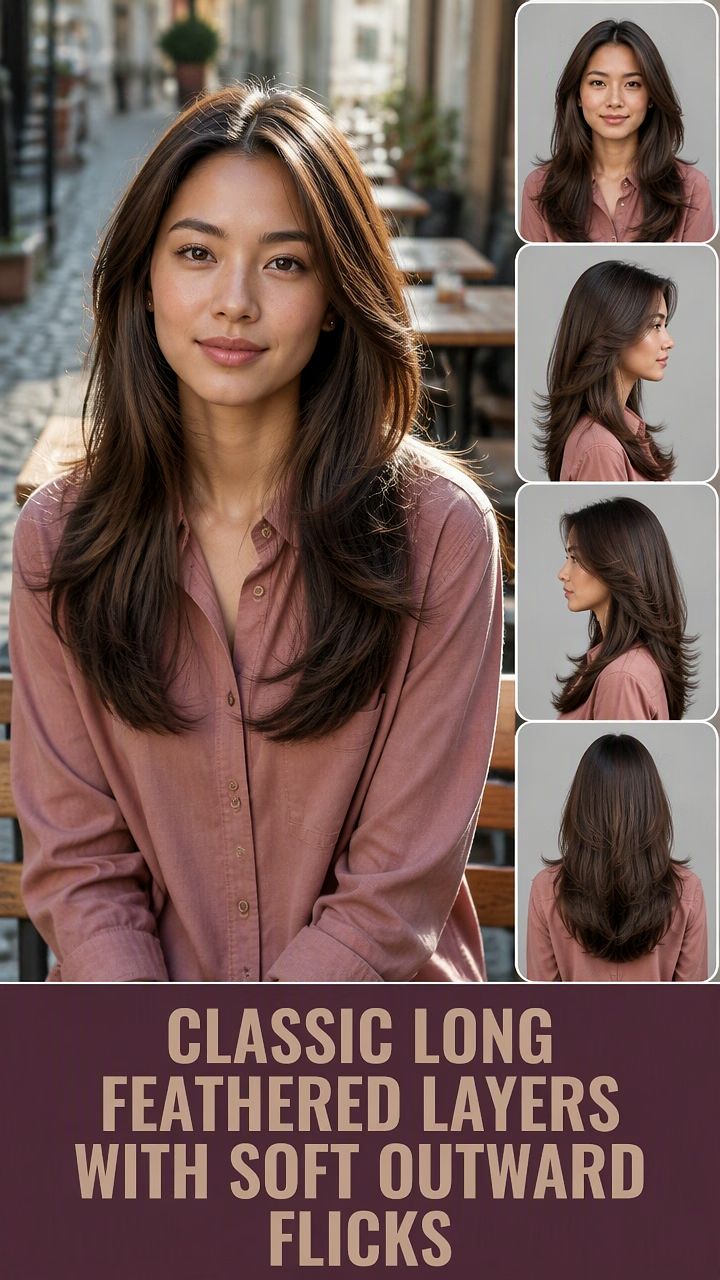
Long Feathered Layers With Flipped-Out Ends
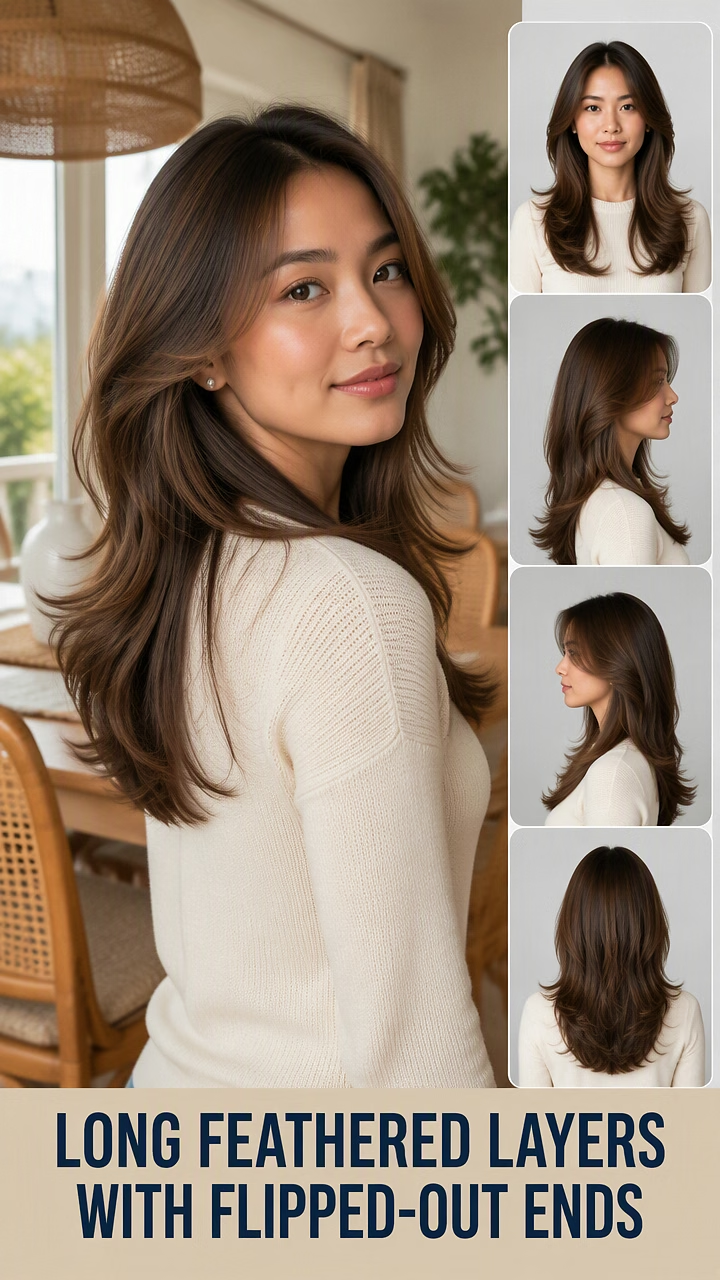
Feathered front layers curve away from the face and finish in lightly flipped ends, giving long hair a breezy, retro-inspired shape. The layers begin around the cheekbones or jaw and continue into the sides, while the back keeps enough length for a flowing outline. Straight and softly wavy hair show the feathering most clearly; thick hair can carry a more pronounced flip.
Use a round brush to roll the front pieces outward, then direct the ends away from the face with a blow-dryer or large-barrel iron. A flexible hairspray helps the shape last without making it stiff. Warm honey, copper, or softly highlighted brown emphasizes the movement. The outward sweep adds width around the cheek area and can balance longer face shapes.
Ask for blended feathering rather than short, disconnected layers, and show your stylist how much flip you plan to wear. Trim every 8 to 12 weeks. The signature finish needs a little heat styling, though the cut still looks soft when worn naturally.
Long Modern Wolf Cut With Piecey Face-Framing Fringe
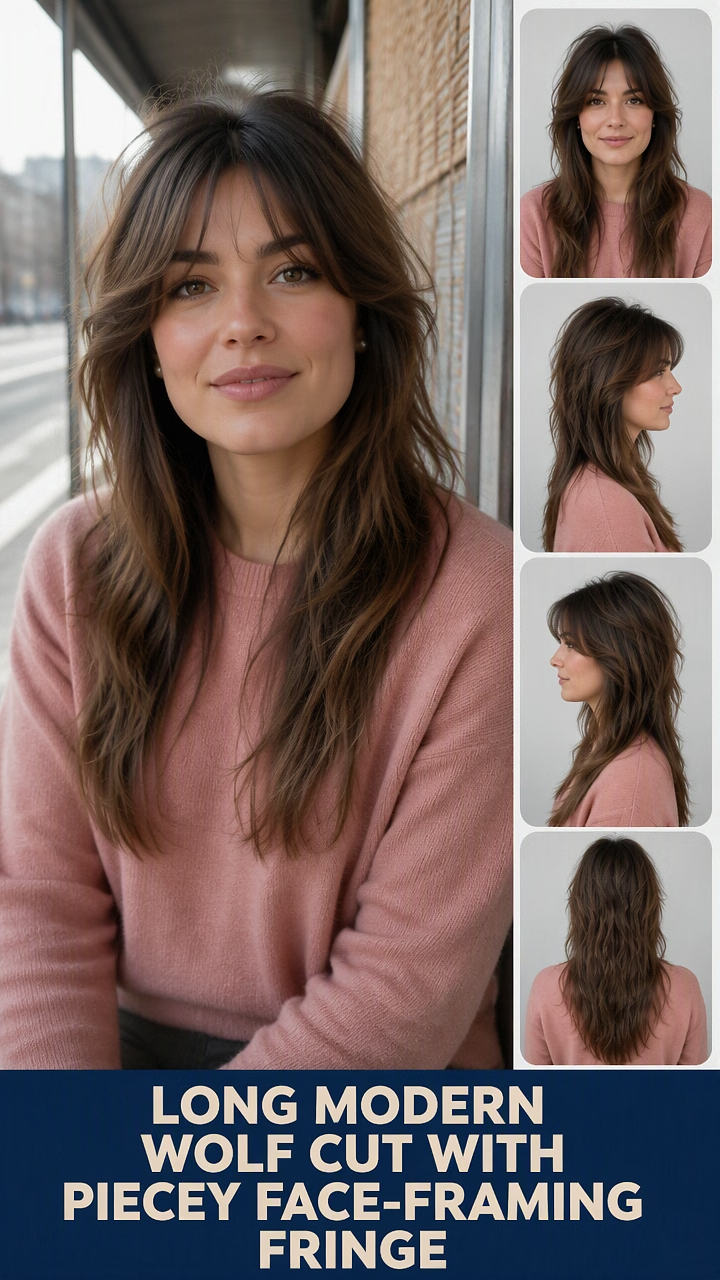
A long wolf cut combines shaggy crown layers with a more extended back, creating a deliberately undone shape. Piecey fringe and shorter front sections frame the eyes and cheekbones, while the ends remain textured and uneven. Wavy or thick hair shows the choppy movement especially well; fine hair can try a softer, less aggressively layered version.
Work a texturizing cream or mousse through damp hair and scrunch, then air-dry or diffuse for a relaxed finish. A few sections can be bent with an iron if you want extra separation. Smoky brunette, copper, and lived-in highlights suit its casual texture. The volume at the crown can balance a longer face, while a stylist can customize the fringe for a rounder shape.
Ask for a long wolf shape with a connected fringe and a back length you want to preserve. The cut grows out with a deliberately tousled feel, but its shorter layers can need reshaping every 8 to 10 weeks. It is less suited to a sleek, uniform finish.
Thick Long Hair With Choppy Three-Tier Front Layers
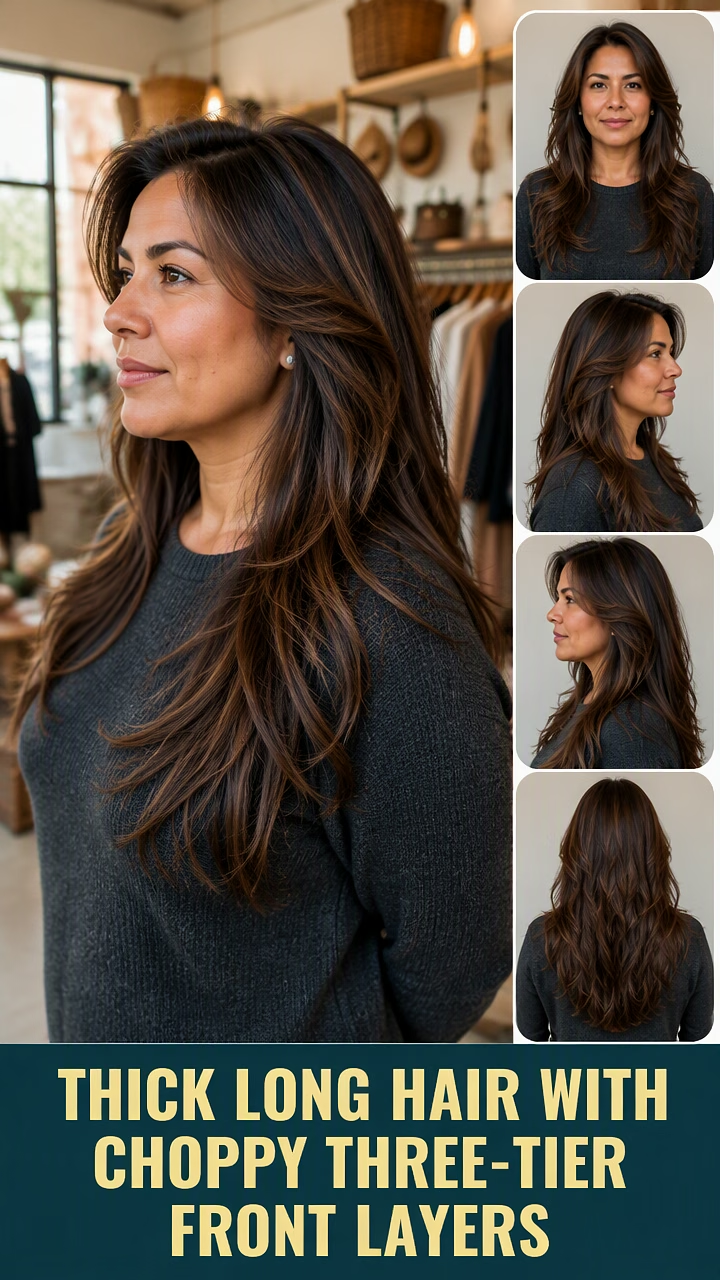
Three distinct tiers create a bolder, more graphic look than seamless blending. The shortest front layer sits around the cheekbone or jaw, a middle layer falls near the shoulders, and the longest length anchors the back. Choppy transitions show best on thick, straight hair, where each level has enough fullness to read clearly.
A smooth blow-dry makes the tiers look sculptural, while loose bends soften their edges. Use heat protectant and a round brush to direct the front sections away from the face. Solid brunette or a tonal gloss keeps attention on the cut; fine highlights can trace the separate layers. The strong horizontal movement can add width to a long face, while the front length can be adjusted to suit the jaw.
Ask for visible, intentionally separated tiers and bring a reference image to clarify how dramatic you want them. Trim around every 8 to 12 weeks to preserve the lines. This is a statement cut, and its sharp layering may not appeal if you prefer seamless, low-profile ends.
Long Octopus Cut With Curved Curtain Fringe And Flared Ends
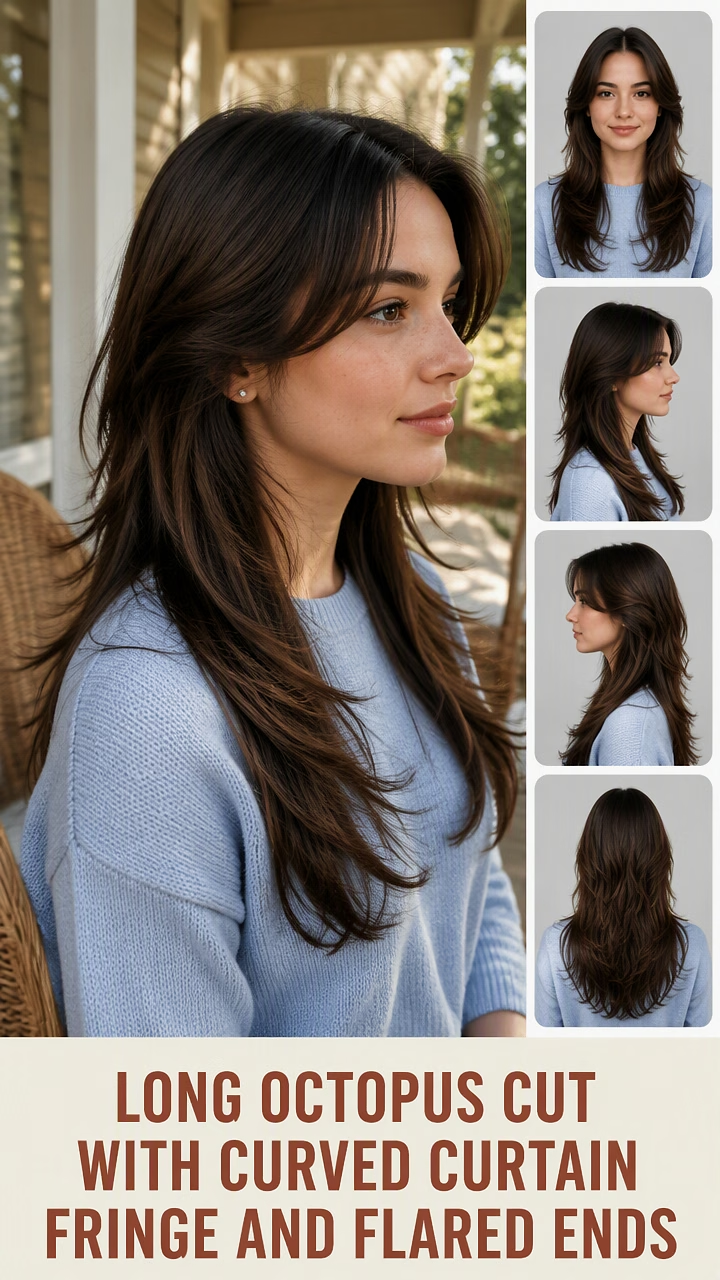
An octopus-inspired cut keeps substantial length at the back while using shorter, rounded layers around the crown and face. A curved curtain fringe connects to these shorter sections, and the ends flare outward for a distinctive, airy silhouette. The look is more sculpted than a classic shag and works especially well on straight-to-wavy hair with some natural body.
Blow-dry the fringe away from the face with a round brush, then turn the shorter layers outward for a lifted finish. A light styling cream can define the ends without weighing them down. Dark brown, copper, or a soft color melt brings out the curved outline. The cheekbone framing suits oval and heart-shaped faces; face-framing lengths can be customized for other shapes.
Ask for a long octopus silhouette with a clear distinction between the rounded top layers and the extended back. Refresh every 8 to 10 weeks to keep the flare. Its signature shape benefits from styling, and the crown layers can take time to blend as they grow.
Low-Maintenance Long Razor Layers With Relaxed Front Pieces
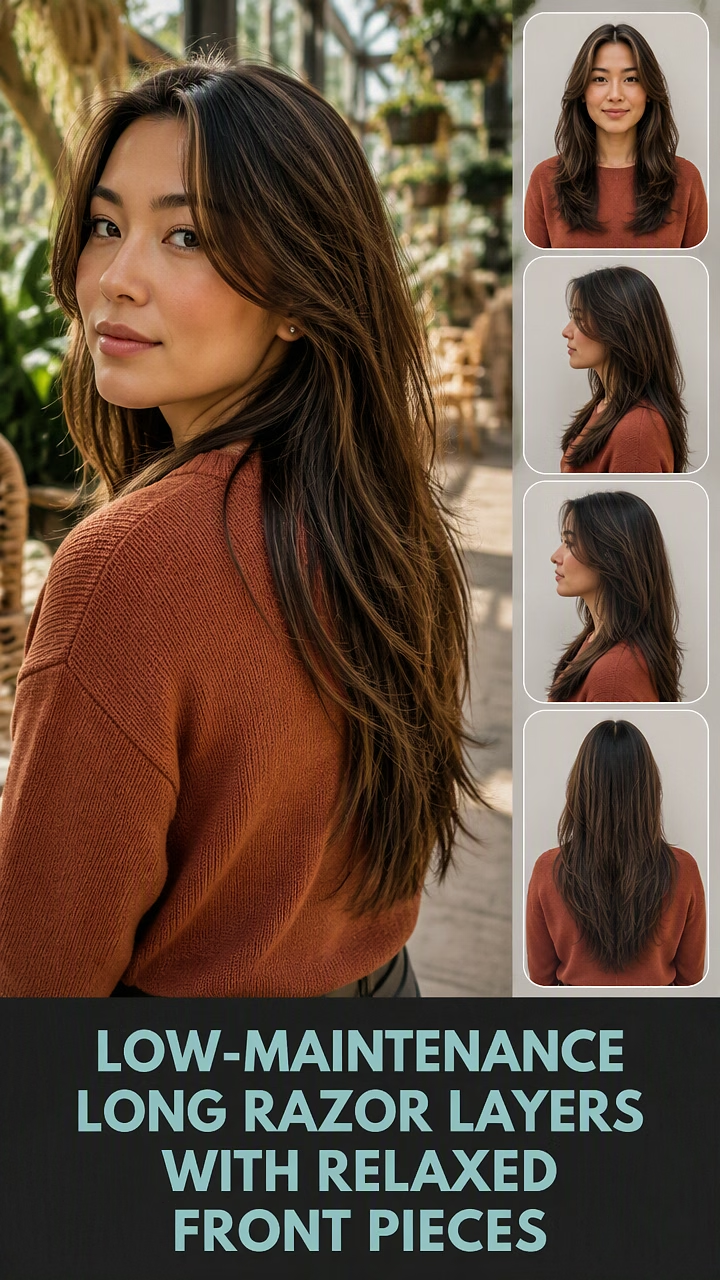
Soft razor-cut layers create a light, lived-in edge, with relaxed face-framing pieces that blend into long lengths. The outline is less polished than a blunt cut and more subtle than a shag, making it a practical middle ground for someone who wants movement without a dramatic transformation. It suits medium-density straight or wavy hair; the technique should be adapted to hair that is very fine or tightly curled.
Apply a small amount of texture cream to damp ends and let the hair air-dry, or use a diffuser to encourage a natural wave. A center or off-center part keeps the front casual. Natural brunette, soft blonde, or a sun-kissed balayage all complement the undone finish. The loose frame works with many face shapes because it can be kept long and adjustable.
Ask whether a razor is appropriate for your texture and request long, blended front pieces rather than excessive thinning. Shape the cut every 10 to 12 weeks, or when the ends feel untidy. It is low effort, but will not give the same crisp edge as a blunt finish.
Long Layers With A Bright Face-Framing Money Piece
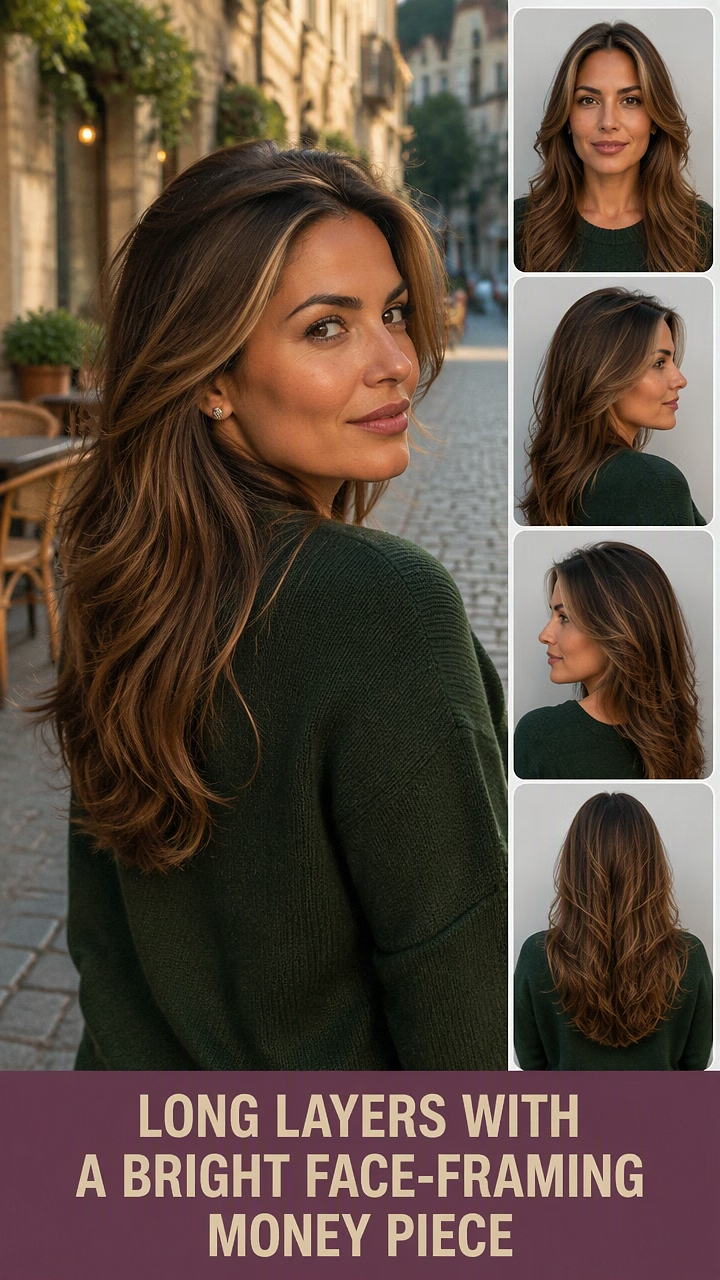
This look pairs long, blended layers with two brighter sections at the front that trace the face. The cut itself stays soft and flowing, with the shortest layers starting around the cheekbones or chin and the back retaining long, sweeping lengths. The color contrast makes the frame more noticeable, particularly on brunette or darker blonde bases.
A quick blow-dry with a round brush brings the front pieces forward, while loose waves show off the layers throughout. Use heat protectant and a color-safe conditioning routine recommended by your stylist. Caramel, beige blonde, or copper tones can be chosen to complement your base color and skin tone. The brighter frame draws attention to the eyes and cheekbones; keep it subtle if you prefer a more blended result.
Ask for long face-framing layers and discuss how bold or soft you want the front color to appear. A cut refresh every 10 to 12 weeks is practical, while the lightened pieces may need separate color appointments as they grow. Brightness can require more upkeep than an all-over natural shade.
Long Layered Hair With A Soft Curved Face Frame
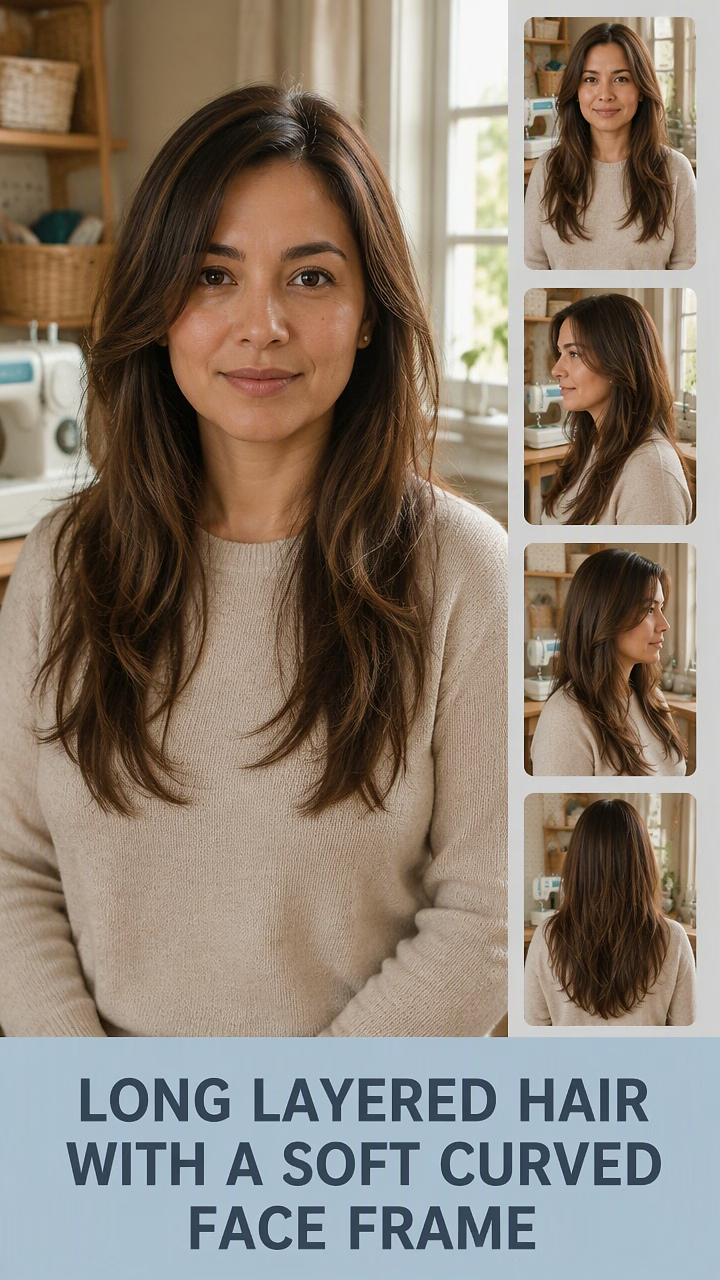
A curved face frame follows the cheekbones and jaw before blending into long, understated layers. Unlike a fringe, it leaves the forehead open and gives you room to change your part or tuck the pieces behind your ears. The back can remain mostly long and full, making this a flexible choice for straight, wavy, and medium-density hair.
For an effortless finish, apply leave-in conditioner or light styling cream and let the hair dry naturally. To make the curve more visible, wrap the front sections around a round brush or large iron, directing them inward toward the face. Soft brown, natural black, and subtle caramel tones keep the shape wearable. It suits many face shapes because the starting point and curve can be personalized.
Ask your stylist to map the shortest pieces to your preferred part and the features you want to highlight. Trim every 10 to 12 weeks, or let the front grow longer for an easy transition. The understated cut offers natural movement, but its shape is clearest with a little front styling.
Finding Your Best Long Hairstyle With Front Layers
The right front layers should feel like a natural extension of your hair, not a daily styling project you did not ask for. Consider your texture, face shape, preferred part, and how often you want to trim or style, then bring a reference photo to your stylist and talk through the finish you want. A subtle frame can refresh long hair beautifully, while bangs, curls, or bolder layers can make the change feel more expressive.
Sources: https://www.hairstyleeditor.com
Category: Long