- 26 Pixie Hairstyles Long Face Ideas That Create Soft, Balanced Proportions
- 26 Long Bob Formal Hairstyles Ideas That Feel Polished, Elegant, And Easy To Style
- 22 Long Chunky Layers Hairstyles for Beautiful, Lively Length
- 28 Bob Hairstyles For Long Face Shape Ideas That Feel Fresh, Balanced, And Easy To Style
- 21 womens haircuts long layers trending hairstyles to Refresh Your Look
Thick, naturally wavy hair has a beautiful kind of presence: it catches the light, moves as you walk, and can look polished without feeling overly styled. The right long layers make that fullness easier to wear, giving waves room to bend instead of bunching into a heavy shape. Whether you love a relaxed, just-back-from-the-coast finish or a more refined side part, there is a cut here to help your hair feel like you—only a little more intentional.
You Are Watching: 20 mens hairstyles medium wavy thick hair long layered Looks To Wear With Confidence
These mens hairstyles medium wavy thick hair long layered ideas range from medium-length flow to shoulder-skimming shapes, with practical notes on styling, face framing, color, upkeep, and what to ask your stylist. Use them as a starting point, then tailor the length and layer placement to your wave pattern, routine, and personal style.
Layered Wavy Hairstyles To Bring Your Hair To Life
Shoulder-Length Flowing Layers With Natural Waves
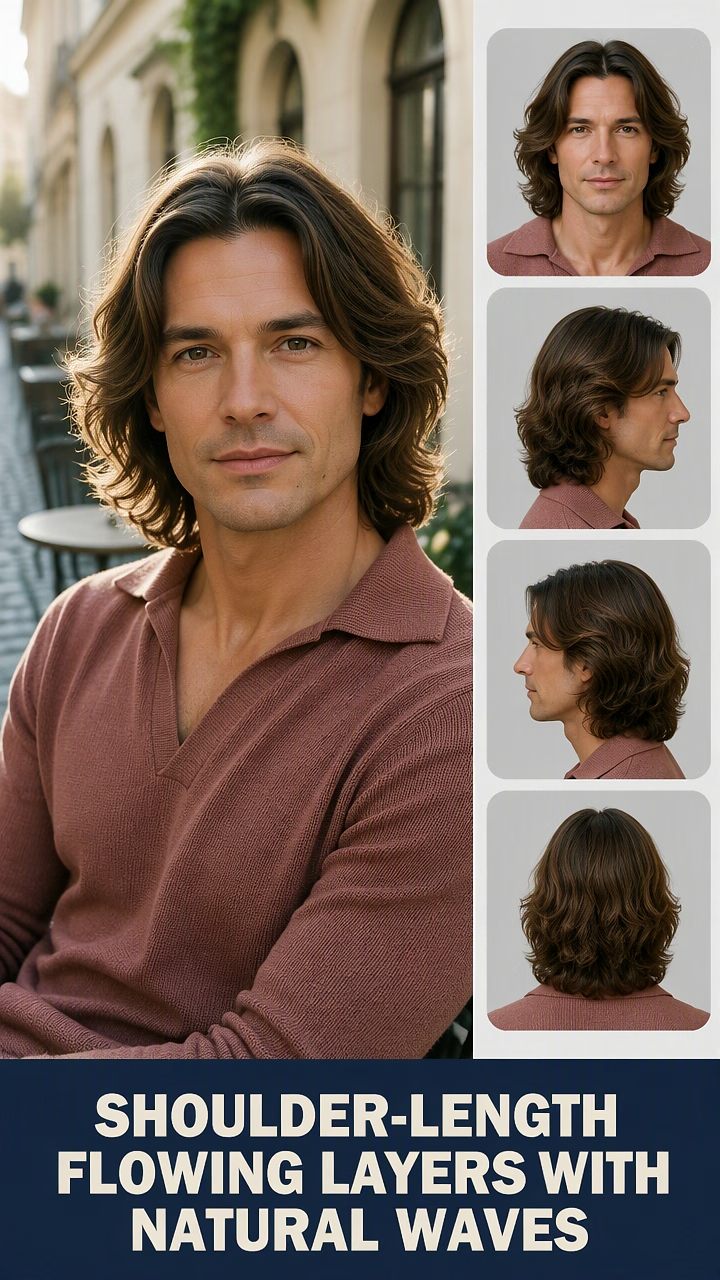
This easygoing cut keeps the sides and back close to shoulder length, with long, blended layers that release weight through thick hair without making the ends look thin. A soft center or slightly off-center part lets the waves fall freely around the face.
It especially suits medium-to-thick 2A–2C waves and oval, square, or longer faces. Work a little lightweight styling cream through damp hair, scrunch, and air-dry, or use a diffuser on low heat for more definition. Natural dark brown, warm chestnut, and subtle sunlit ribbons all show the movement beautifully.
Allow a few minutes for detangling and shaping; this is low-fuss, not no-fuss. Ask your stylist for long, internal layers that preserve a substantial perimeter. A shape-up every 10–14 weeks helps the ends stay fluid while growing it longer.
Wavy Bro Flow With Feathered Face-Framing Layers
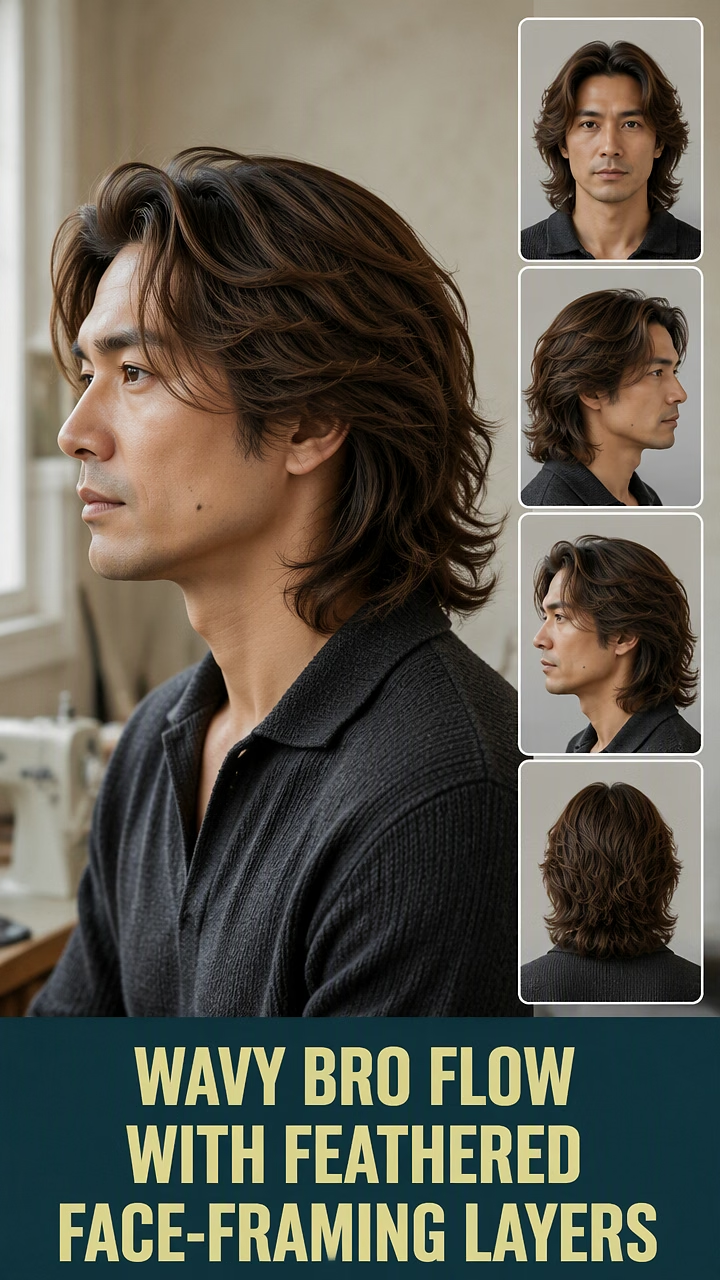
The bro flow sweeps medium-long hair back from the forehead, then lets it curve naturally around the ears and neck. Feathered layers through the front and crown keep thick waves buoyant, while the back retains enough length to create that soft, moving silhouette.
This is a flattering choice for oval and square faces, and the sweep can soften a broad forehead or strong jaw. Use fingers to guide damp hair away from the face, then apply a small amount of flexible cream or mousse. A low-heat blow-dryer can encourage lift at the roots, but air-drying keeps the finish more relaxed.
It works best when the waves have enough length to bend, so very short grow-out stages may feel awkward. Ask for long, blended layers and a natural outline around the ears. Refresh every 10–12 weeks to keep the front from becoming too heavy.
Textured Wavy Shag With Choppy Crown Layers
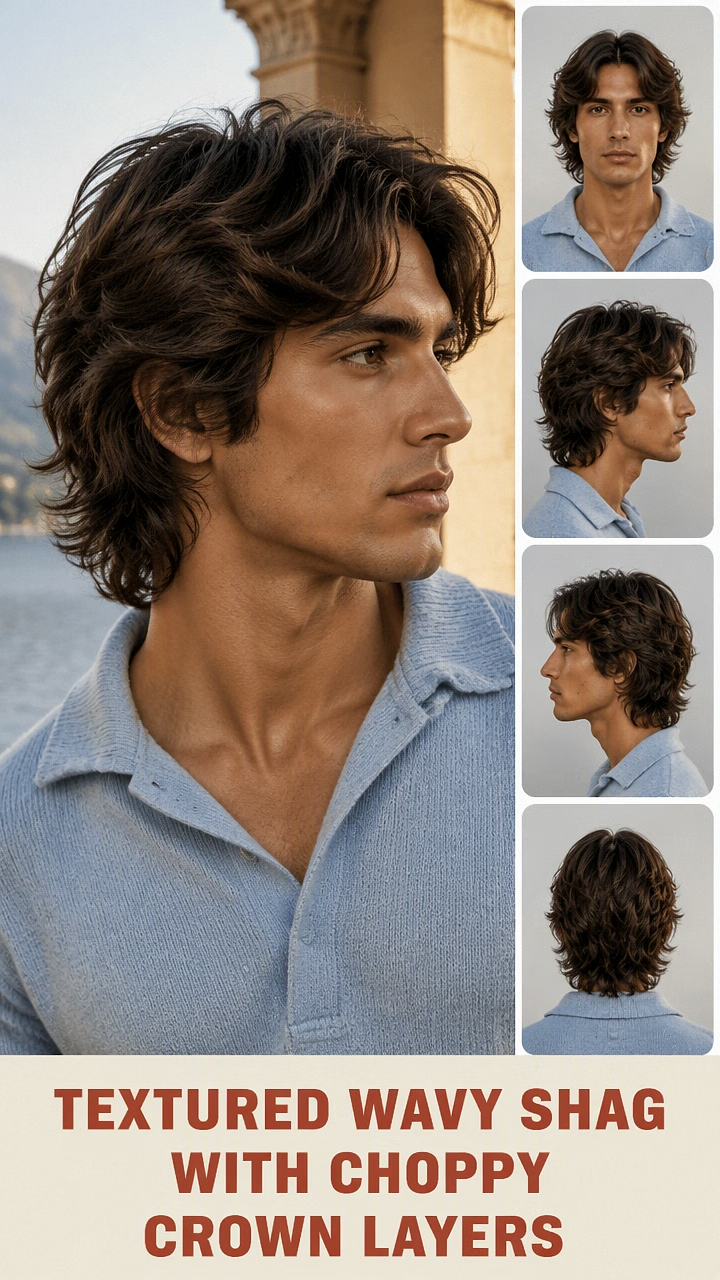
A modern shag brings shorter, choppier layers at the crown and longer pieces through the sides and back. The result is lively rather than bulky: thick waves separate into visible pieces, and the ends look airy instead of forming a solid curtain. A soft, broken fringe completes the shape.
It suits naturally wavy, medium-to-thick hair and adds flattering width to longer or narrower faces. Oval faces can wear the fringe in several ways; round faces may prefer a little height at the crown and less width at the cheeks. Scrunch in texturizing spray or mousse, then let the waves dry with minimal handling.
The deliberately undone finish is forgiving, though the fringe needs occasional shaping. Ask for a shag with connected, choppy layers—not excessive thinning at the ends. A trim every 8–12 weeks keeps its movement intentional.
Curtain Waves With A Soft Center Part
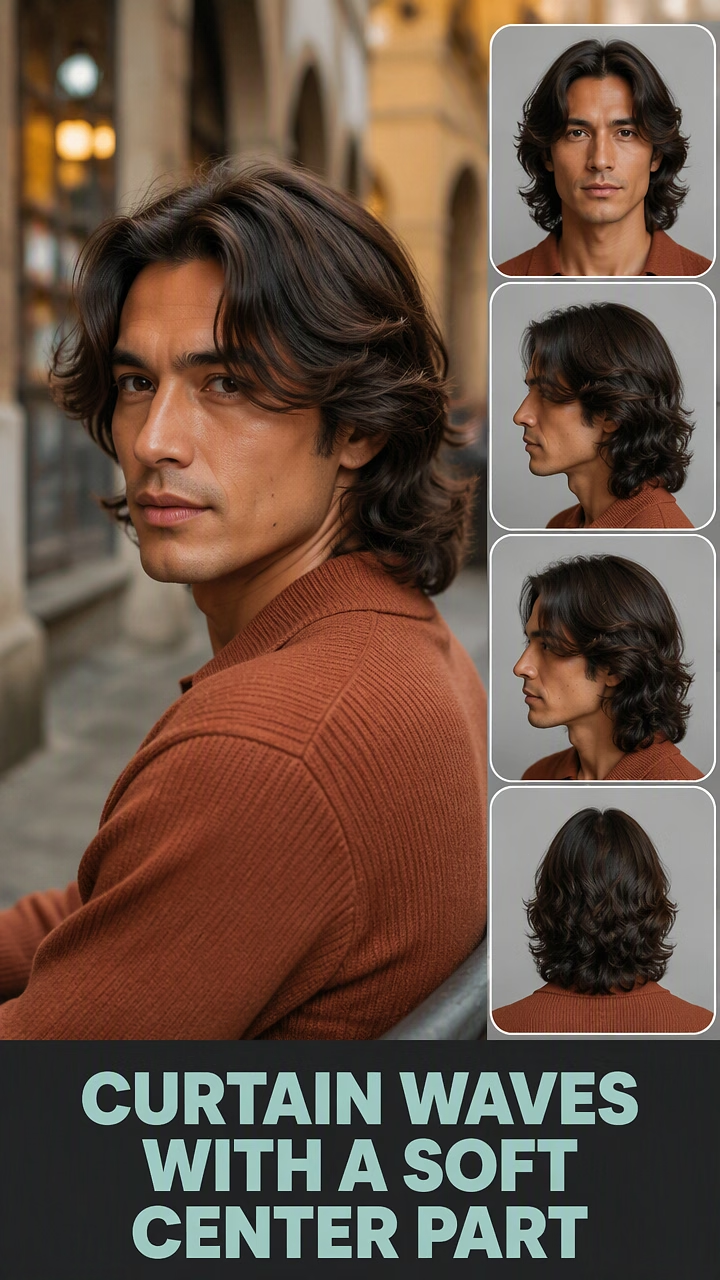
Longer front layers part at the center and curve outward like curtains, while the sides and back remain medium-long and gently layered. On thick wavy hair, the part creates a clear frame without flattening the natural texture, and the ends can skim the cheekbones or jaw.
This style often complements oval, heart, and longer face shapes. For a round face, ask for curtains that begin below the cheekbones to create a lengthening line. Apply light mousse to damp roots, make the part, and use a diffuser or round brush to encourage the front pieces to open away from the face.
It takes a little more morning attention than a loose flow, especially if the part shifts overnight. Ask your stylist to leave enough length at the front for a relaxed bend, with long layers that remove bulk underneath. Revisit the fringe every 8–10 weeks.
Deep Side-Parted Waves With Tapered Neckline
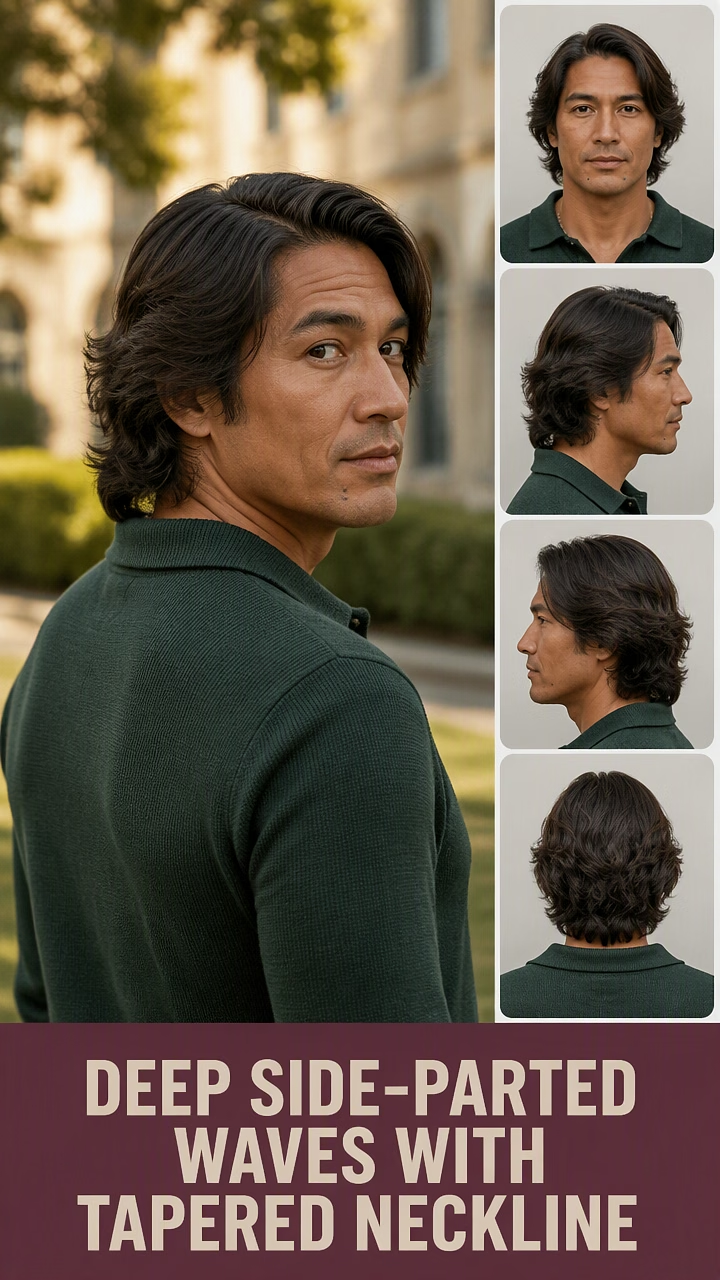
A deep side part gives medium-to-long waves a more composed shape. The heavier side sweeps across the forehead, while long layers keep the top connected to the sides and back. A softly tapered neckline tidies the silhouette without making the overall cut feel short or sharply disconnected.
It is especially lovely on thick 2A–2C hair and can balance a square jaw or soften a high forehead. Oval and heart-shaped faces have plenty of flexibility with the part depth. To style, comb the part into damp hair, add a small amount of cream, and blow-dry on low heat while guiding the front across.
This look appears polished, but the part may need resetting each day. Ask for a side part that follows your natural growth pattern, long layers, and a subtle nape taper. A trim every 8–12 weeks keeps the outline neat without sacrificing length.
Long Wavy Layers With A Rounded Perimeter
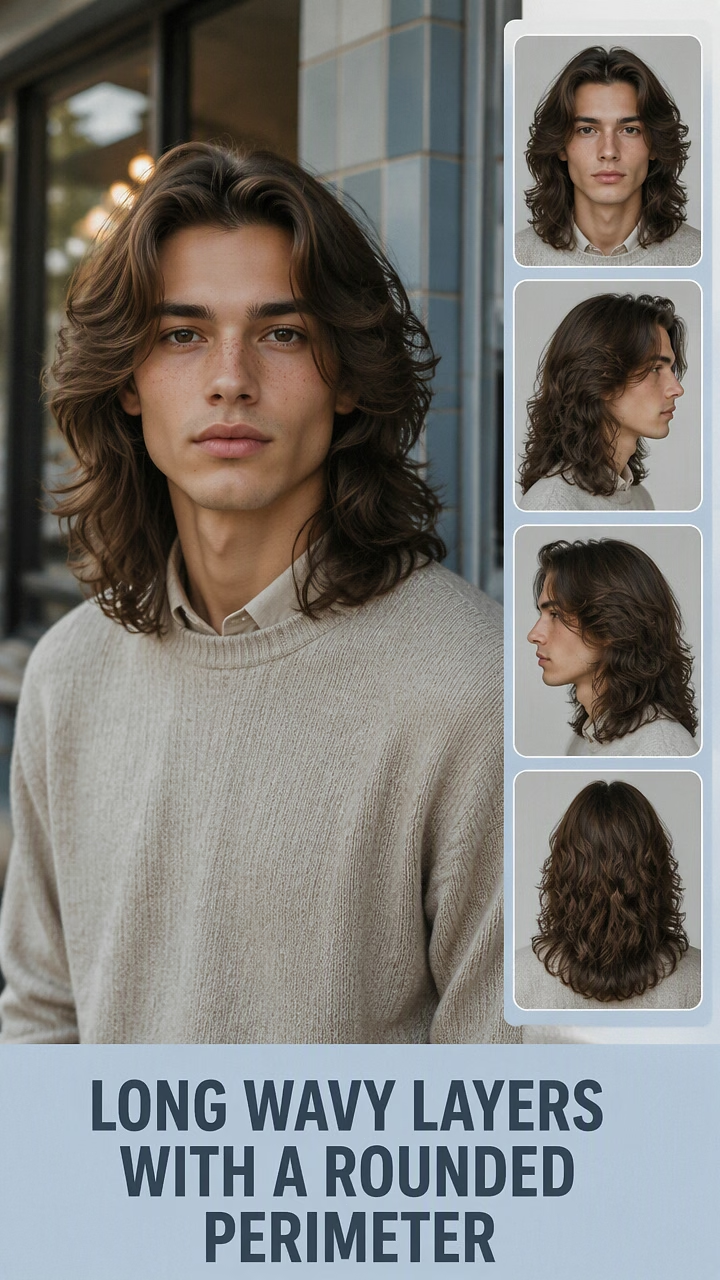
For hair that falls past the shoulders, long layers can create a rounded outline rather than a blunt, heavy curtain. The shortest layers begin below the chin, allowing the waves to stack softly while the length at the back remains full. This shape feels flowing and balanced from every angle.
Thick waves are ideal, while medium-density hair can wear a gentler version with fewer layers. The rounded perimeter can soften angular features and complement oval or longer faces. Smooth a little leave-in cream through damp lengths, detangle gently, and air-dry or diffuse for defined, touchable bends.
Long hair needs patient detangling and can feel warm or cumbersome when loose. Ask for long, blended layers and a strong perimeter rather than short layers at the crown. A light trim every 12–16 weeks maintains the outline while preserving length.
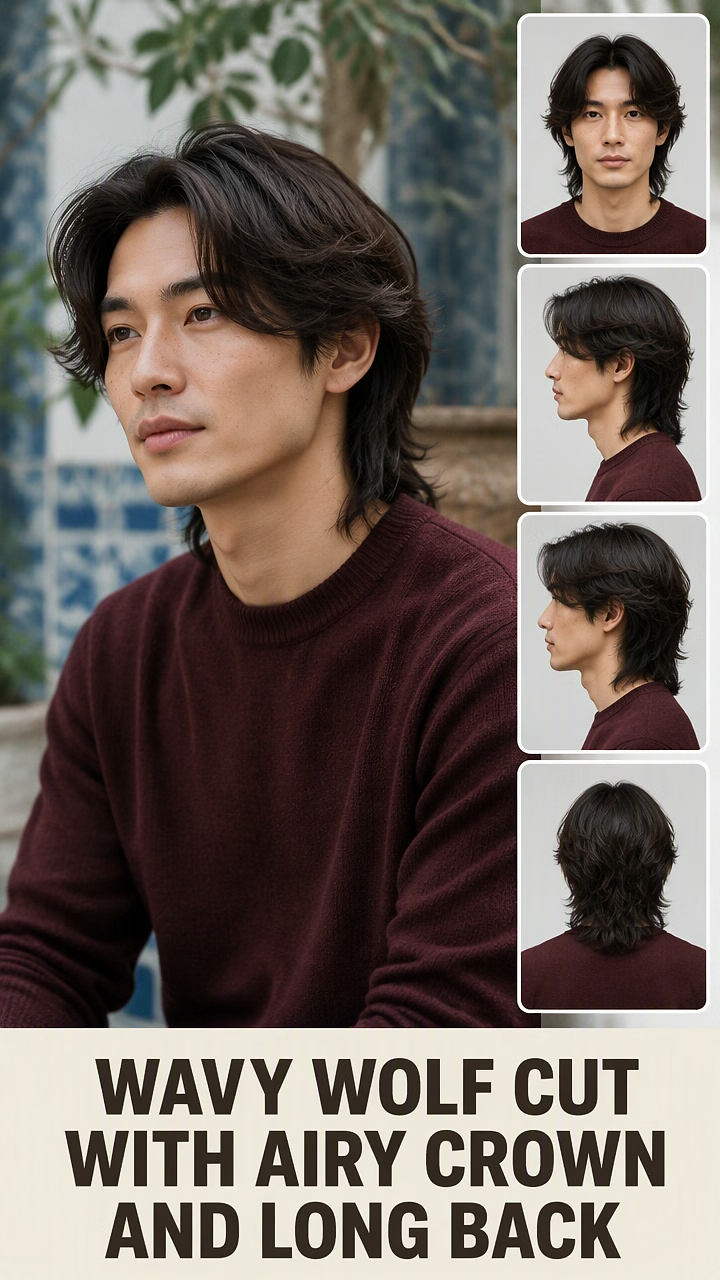
Wavy Wolf Cut With Airy Crown And Long Back
Read more : 23 Long Shag Hairstyles For Soft, Effortless Movement
This wolf-inspired shape combines lifted, shorter crown layers with a longer back and wispy, separated ends. On thick wavy hair, the contrast creates a rounded, full top that loosens into length around the neck and shoulders. Keep the sides layered rather than tightly clipped for a cohesive, flowing look.
It suits people who enjoy expressive texture and can be especially flattering on oval or heart-shaped faces. A longer fringe softens the forehead, while a little root lift helps balance rounder face shapes. Scrunch mousse into damp hair and diffuse, or use a texturizing spray for a deliberately tousled finish.
The silhouette is striking but needs shaping as the crown grows out. Ask for a wearable wolf cut with blended transitions and enough length in the back to suit your comfort level. Refresh every 8–10 weeks if you want to keep the contrast pronounced.
Layered Mod Cut With Rounded Wavy Fringe
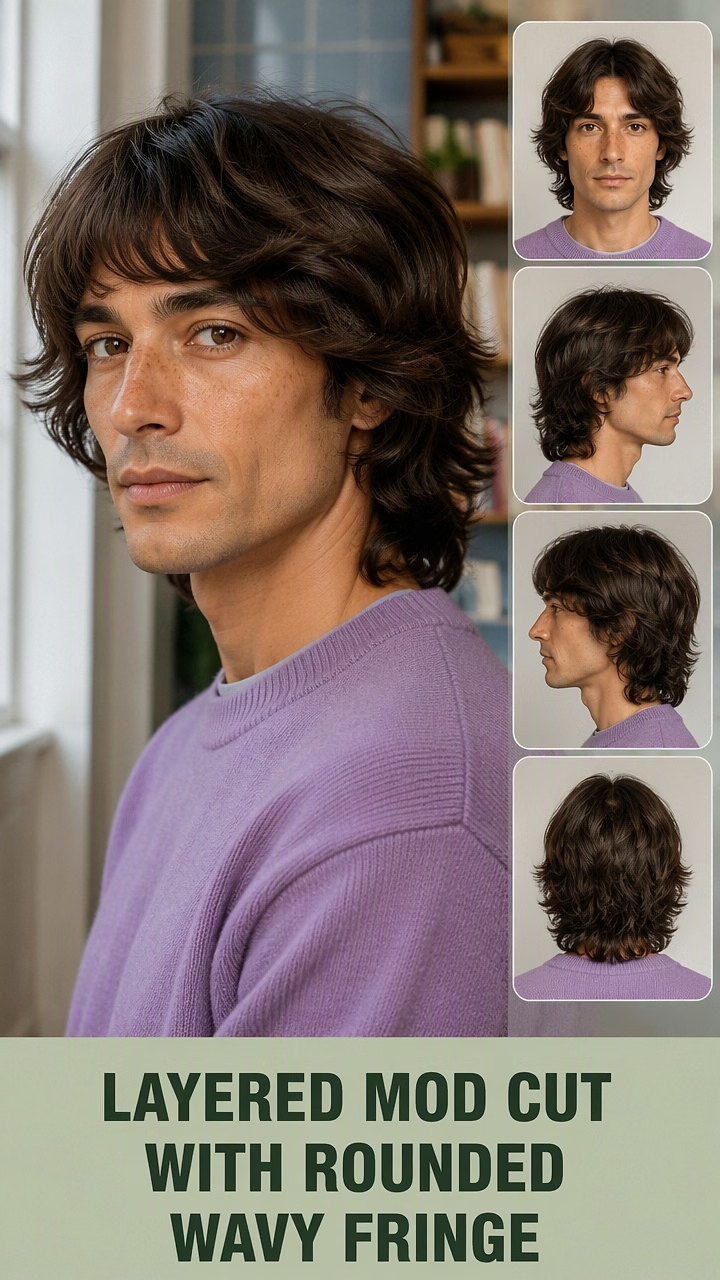
The mod cut has a rounded, ear-skimming shape with full sides, soft layers, and a fringe that grazes the brows or sits just above them. On thick waves, internal layers help the outline curve instead of ballooning outward, while the back stays neatly blended into the sides.
This retro-leaning style flatters oval and longer faces, and a slightly parted fringe can soften a broad forehead. It looks best when the wave pattern is allowed to show, so use a light cream or flexible paste rather than a stiff product. Air-dry with fingers or diffuse on low heat.
The fringe may need daily adjustment and regular trims to stay at the right length. Ask your stylist for a rounded mod shape with weight removed internally, not aggressively thinned ends. Schedule a refresh about every 6–8 weeks, especially if you want the brow-length fringe maintained.
Wavy Shag With Long Curtain Fringe
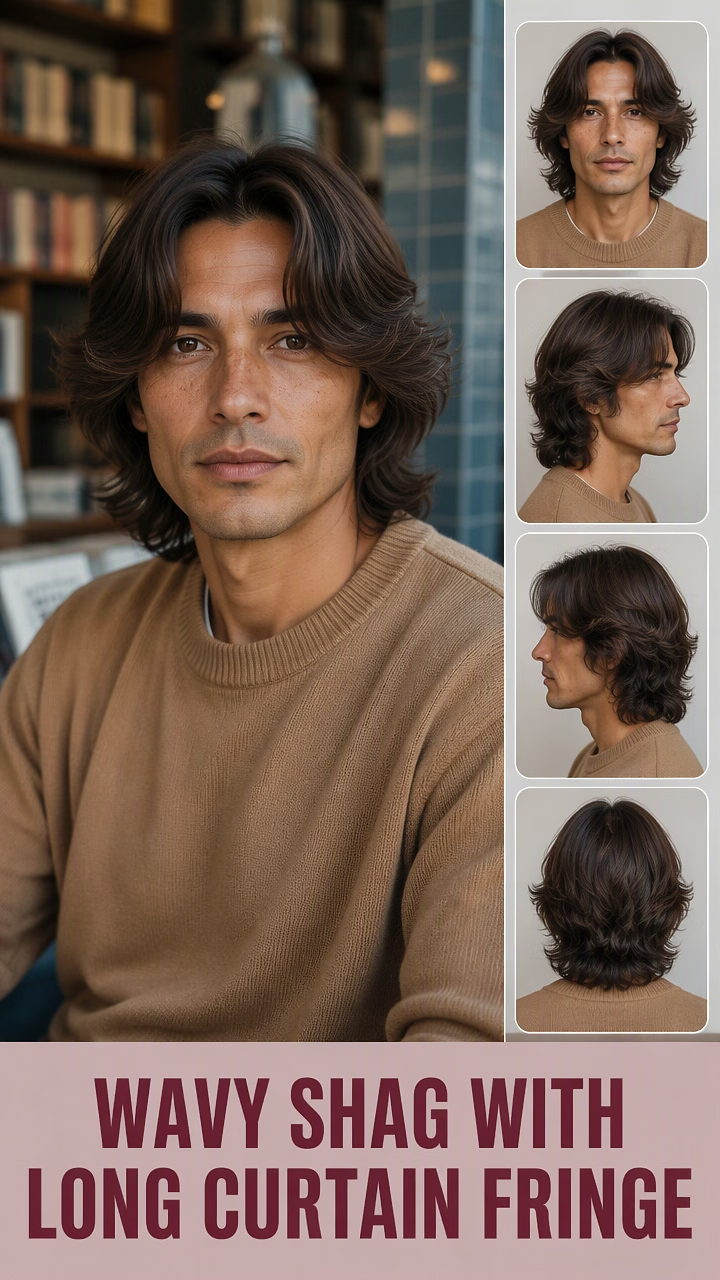
Here, a long curtain fringe blends into shaggy layers that travel from the cheekbones through the sides and back. The result is softer and more face-framing than a classic shag, with enough length to tuck behind the ears. Choppy ends let thick waves separate and move.
It suits medium-to-thick waves and works nicely on oval, square, and heart-shaped faces. A long fringe can visually shorten a high forehead, while a center part draws attention toward the eyes. Apply mousse or a light texturizing spray to damp hair, then scrunch and let the fringe dry in its natural direction.
Expect to style the front pieces more often than the rest of the cut. Ask for curtain bangs that connect seamlessly to long layers, with the shortest point chosen to suit your face. A fringe tidy every 8–10 weeks prevents it from obscuring your vision.
Side-Swept Wavy Fringe With Layered Medium Length
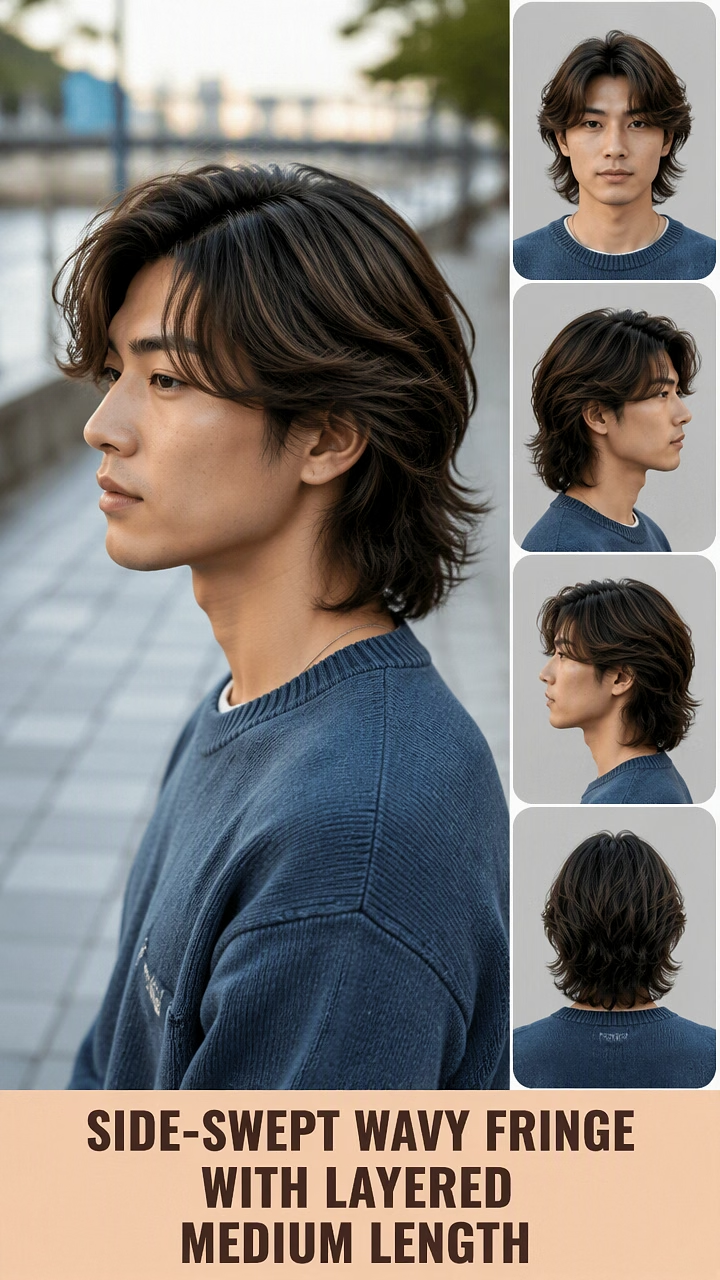
A diagonal fringe gives this medium-length cut a more defined direction. The front falls across the forehead, while long layers at the crown and sides keep the thick waves from forming a dense, helmet-like shape. The back rests around the collar, with softly tapered ends that retain movement.
The angled front can soften a square face or balance a wide forehead; longer face shapes may prefer a less dramatic sweep. To style, apply a small amount of lightweight cream to damp hair and use fingers or a vent brush to guide the fringe sideways as it dries.
This is versatile enough to wear loose or tucked back, but the fringe needs shaping as it grows. Ask for a side-swept fringe that blends into the side layers, with weight removed inside the cut. Plan on a trim every 8–10 weeks for a clear, flattering angle.
Windswept Medium Waves With Piecey Long Layers
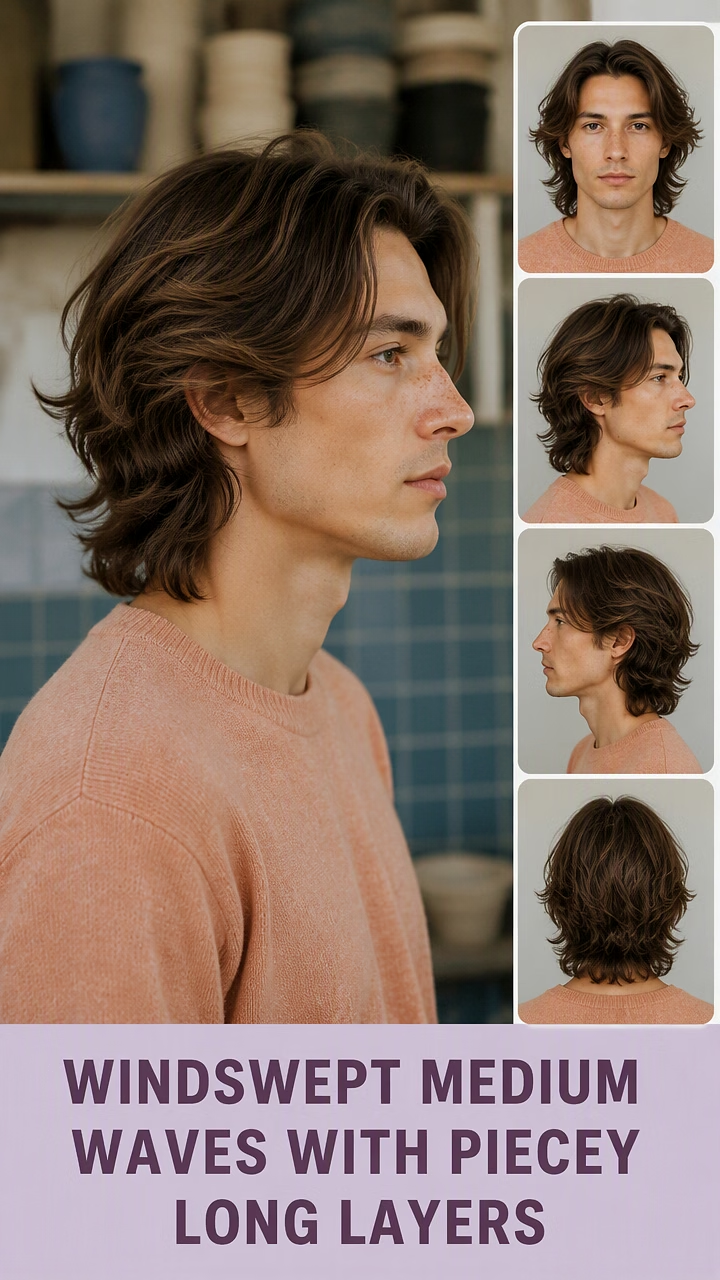
This deliberately breezy cut keeps medium length through the sides and back, then uses long, piecey layers to create a wind-tossed outline. The top has enough lift to move away from the face, while the ends flick softly rather than lying in a heavy block. It is casual, textured, and easy to personalize.
Thick natural waves make the look simple to achieve, and the loose shape suits oval, square, and longer faces. Work texturizing spray or a light mousse through damp hair, scrunch, and air-dry. For extra direction, use a diffuser on low heat and finish by separating a few pieces with a flexible paste.
The intentionally imperfect finish is forgiving, though frizz may be more visible in humid weather. Ask for long, irregular layers that encourage movement without taking too much density from the ends. A trim every 10–14 weeks usually preserves the relaxed shape.
Slicked-Back Wavy Layers With Natural Shine
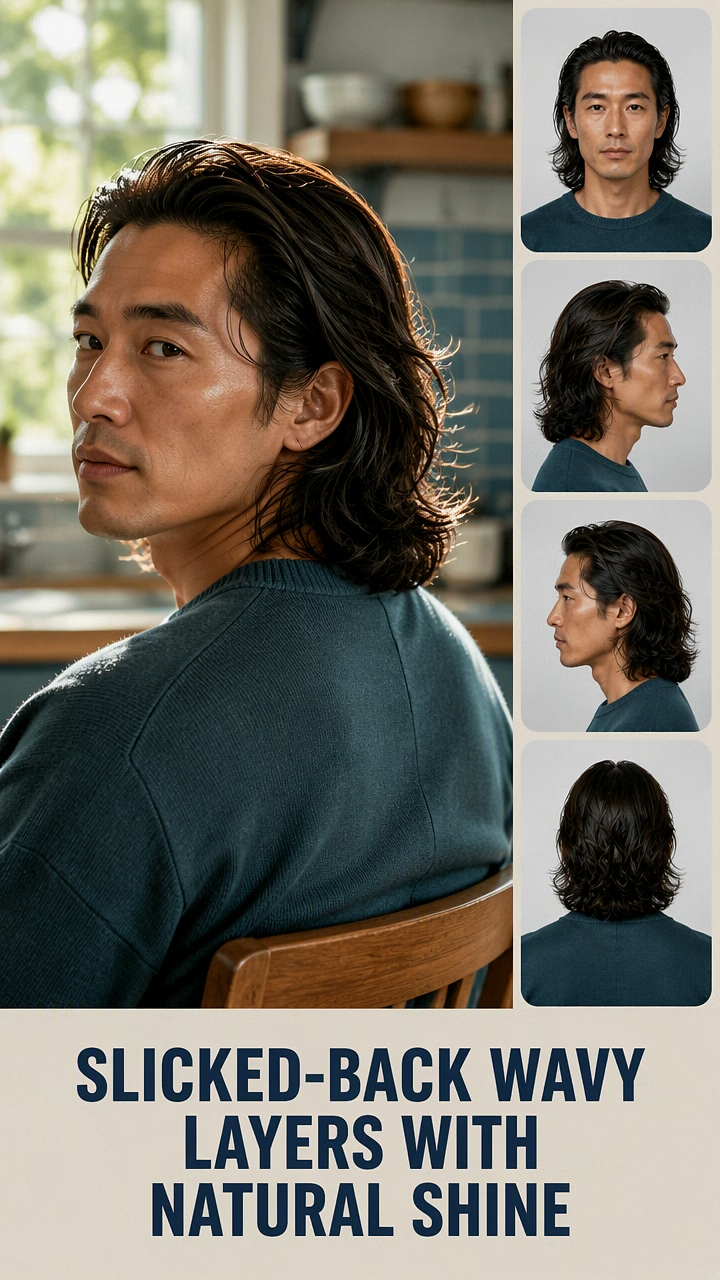
Long layers help this pulled-back style lie smoothly without hiding the wave pattern. The front and top are guided away from the face, while the sides sweep behind the ears and the back falls naturally at the collar or shoulders. The finish can be softly glossy rather than tightly slick.
It suits thick waves and works particularly well for oval or square faces. For longer faces, keep some fullness at the sides instead of flattening everything back. Apply a small amount of styling cream or light-hold pomade to damp hair, comb it back loosely, and let it air-dry or use a low-heat dryer.
This look needs product and a few minutes of shaping, and strong hold can make waves appear stiff. Ask for long, blended layers that can be worn back or loose. Trim every 10–12 weeks to prevent the sides and nape from feeling overgrown.
Wavy Surfer Cut With Sun-Kissed Soft Layers
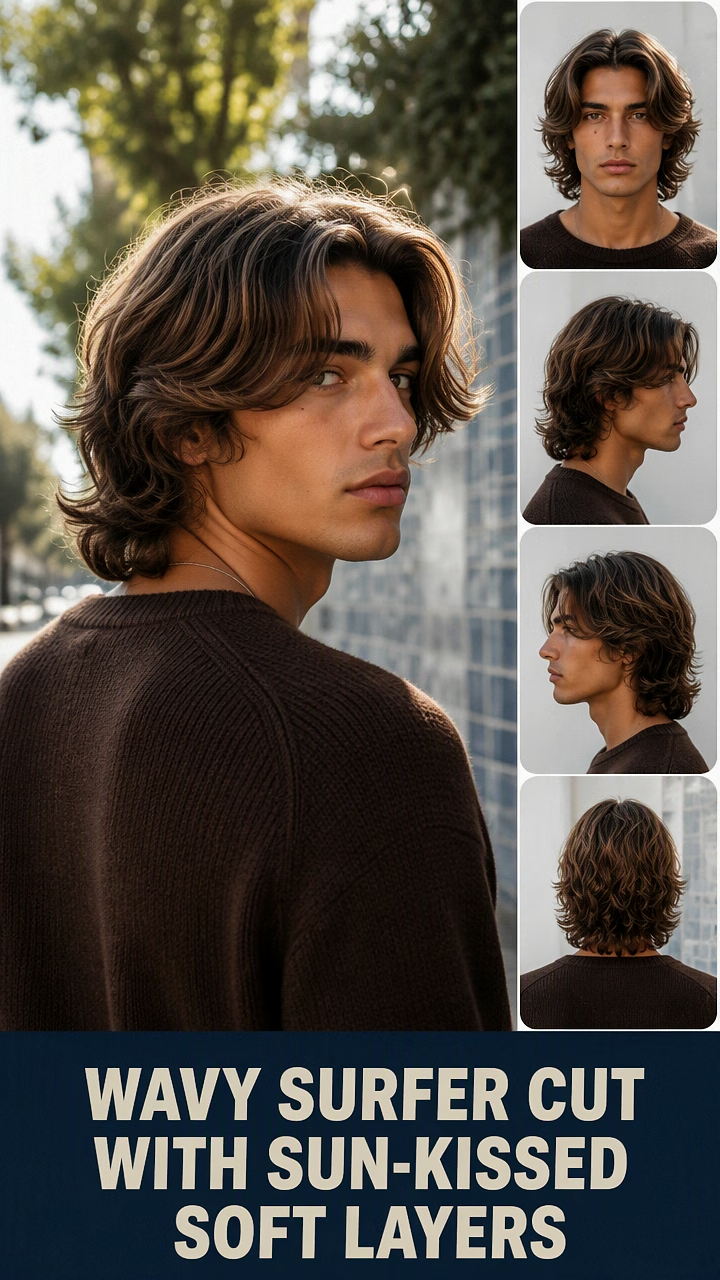
This relaxed medium-to-long cut keeps a naturally full outline, with soft layers that let waves tumble around the face and neck. The ends remain substantial, so the hair looks healthy and beachy rather than overly feathered. A slightly uneven part enhances its casual, just-dried texture.
It is a natural match for thick waves and flatters oval and square faces especially well. A few subtle warm highlights or a soft sun-kissed brown tone can bring out the bends, though natural color looks equally lovely. Scrunch in a little leave-in cream or texturizing spray and air-dry for an unfussy finish.
Salt sprays can feel drying or rough on some hair, so use them sparingly and choose cream for softness. Ask for long, light layers that preserve fullness at the bottom. A trim every 12–16 weeks keeps the ends from becoming ragged without losing length.
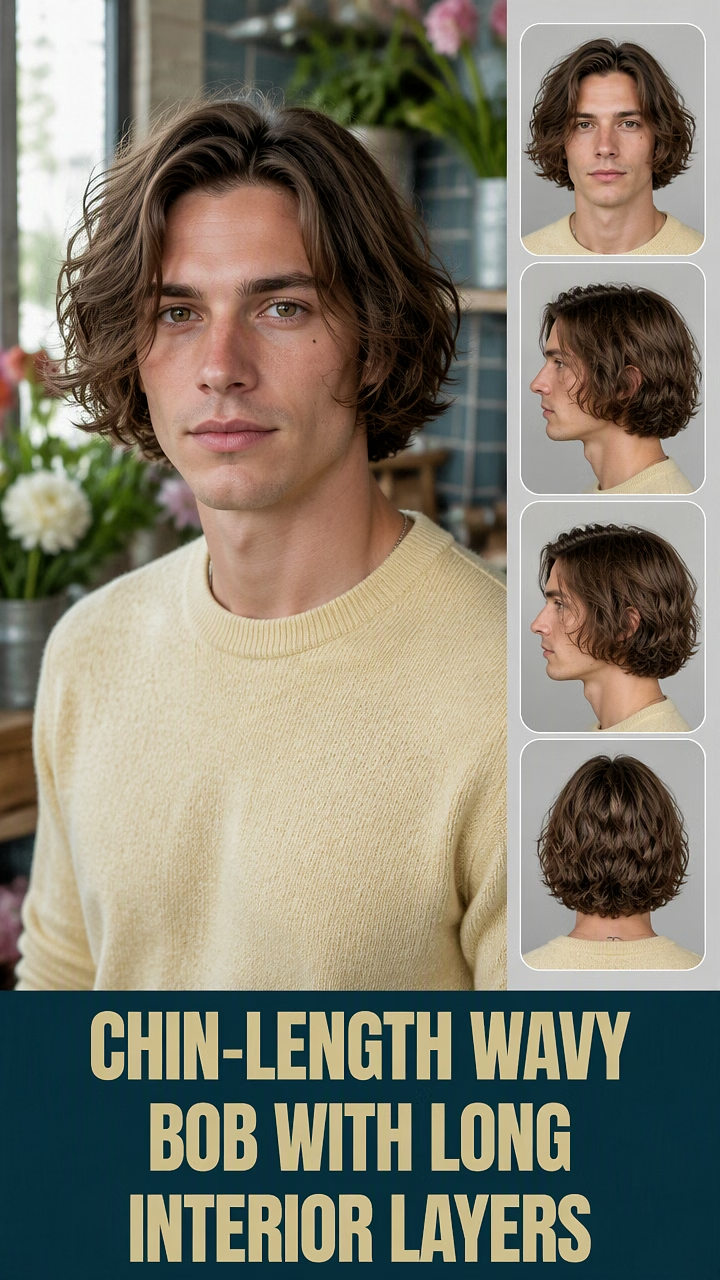
Chin-Length Wavy Bob With Long Interior Layers
Read more : 27 Long Bob Hairstyles With Bangs Over 40 Ideas That Feel Fresh And Flattering
This longer bob sits around the chin or just below it, with a softly rounded outline and internal layers that reduce bulk without making the ends wispy. The sides frame the jaw, and the back follows a similar length for a balanced, full shape. A center or side part both work.
Thick waves give the bob beautiful body, while longer face shapes may enjoy the width it creates near the jaw. If your face is round, ask for a slightly longer version that falls below the chin. Apply styling cream to damp hair, then diffuse or air-dry and gently separate the waves with your fingers.
This length is easier to manage than shoulder-length hair but may flip outward as it grows. Ask for a wavy bob with internal weight removal and a strong, soft perimeter. Refresh every 8–10 weeks to maintain the chin-skimming shape.
Collar-Length Layers With A Relaxed Off-Center Part
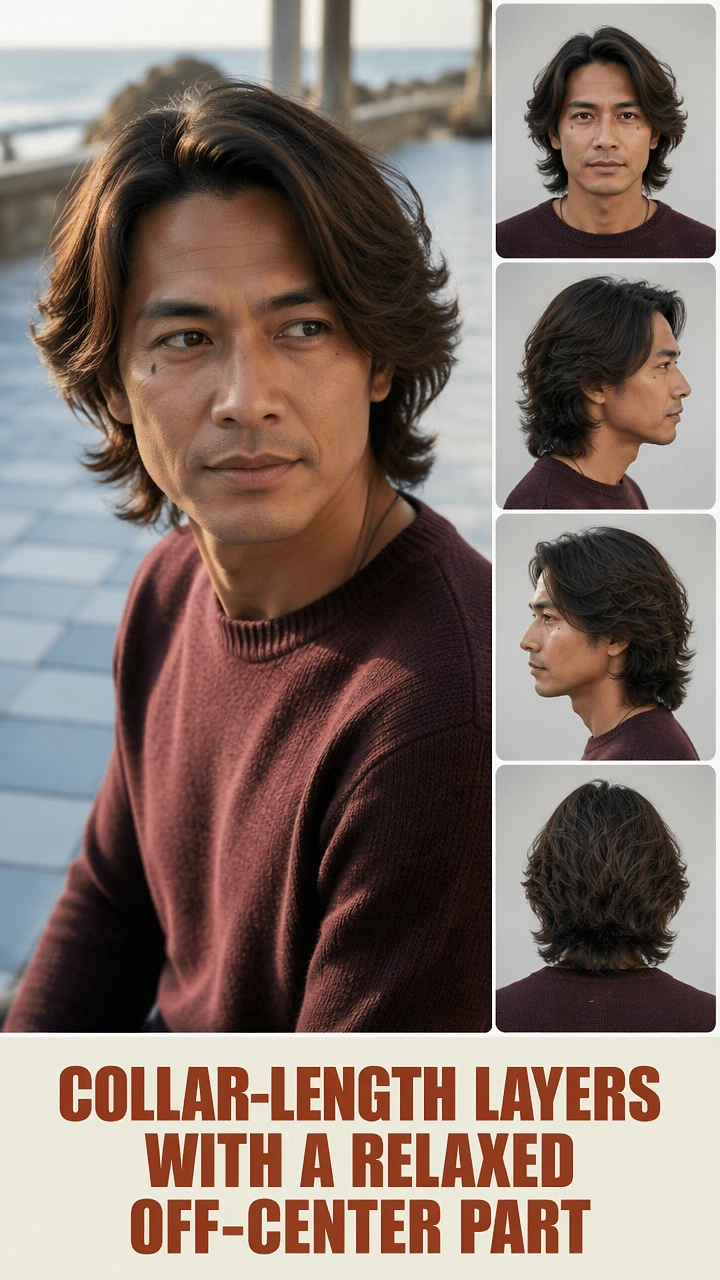
Collar-length hair offers the swing of a longer style without reaching the shoulders. Long layers around the crown and sides help thick waves settle into a relaxed shape, while an off-center part adds gentle asymmetry. The ends can sit just at the collar or brush it lightly.
This versatile length suits oval, heart, and square faces, and the side part can be shifted to balance different proportions. Use a leave-in conditioner or light styling cream on damp lengths, then scrunch and air-dry. A diffuser adds definition when you want a more finished look, but heavy oils may weigh down the waves.
The collar can catch the ends and encourage outward flips, so expect some styling on those pieces. Ask your stylist to keep the layers long and the perimeter softly rounded. A tidy-up every 10–12 weeks maintains movement without making the cut feel short.
Layered Waves With A Soft Taper At The Nape
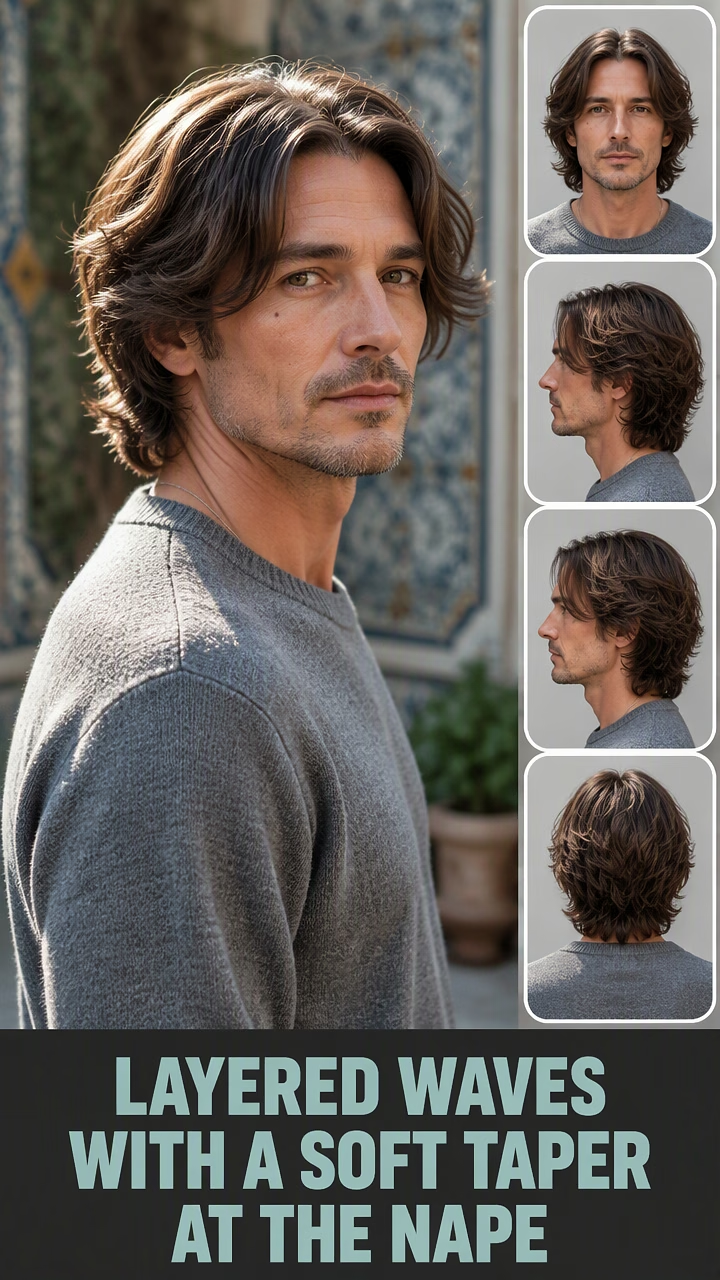
This shape stays full and flowing through the crown, sides, and back, then narrows gently at the nape for a cleaner finish. Long layers blend the taper into the overall length, so the hair still reads as medium-long rather than a short-back-and-sides cut. The neckline looks neat without a sharp contrast.
It works beautifully for thick waves that become bulky near the collar, and the subtle taper can make a broad jawline feel less crowded. Oval and square faces suit the balanced outline. Smooth a small amount of cream through damp hair and guide the nape down with fingers; the upper layers can air-dry naturally.
The nape will grow out sooner than the rest of the cut. Ask for a low, soft taper that blends into long layers, not a high fade. Refresh the neckline every 6–8 weeks if you like a tidy edge, or let it soften between full trims.
Long Layered Waves With Subtle Chestnut Dimension
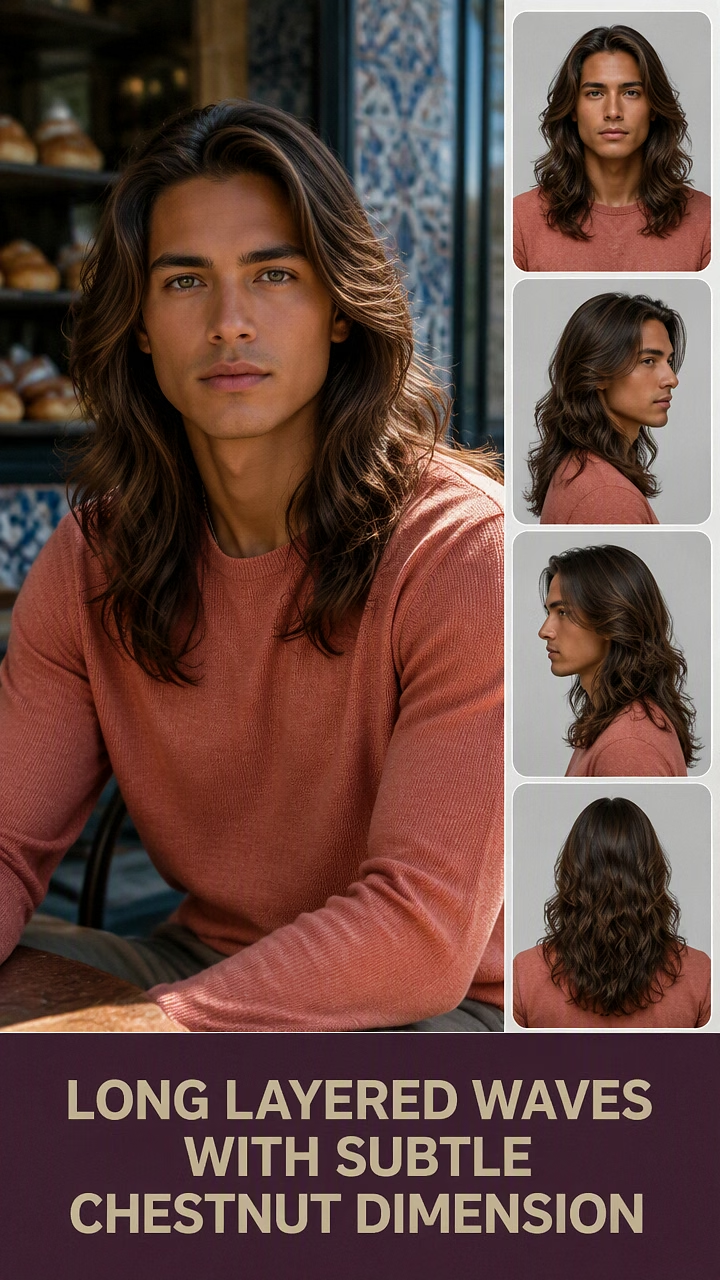
Long, blended layers give shoulder-length waves room to move, while the overall shape remains full and flowing. Subtle chestnut dimension—whether natural warmth or understated color—can reveal the wave pattern without creating a high-contrast, stripe-like effect. Keep the front layers long enough to tuck behind the ears.
Medium-to-thick waves are the best match, and the length can soften angular features or balance a longer face. For styling, apply a lightweight cream or mousse to damp hair, then air-dry or diffuse. If you choose color, discuss how it will look with your natural base and how often you are comfortable refreshing it.
Long lengths take time to detangle and can feel heavy when wet. Ask for long layers that preserve density through the ends and face-framing pieces that begin below the chin. Shape the cut every 12–16 weeks; color upkeep depends on the chosen technique.
Tousled Medium Waves With A Broken Textured Fringe
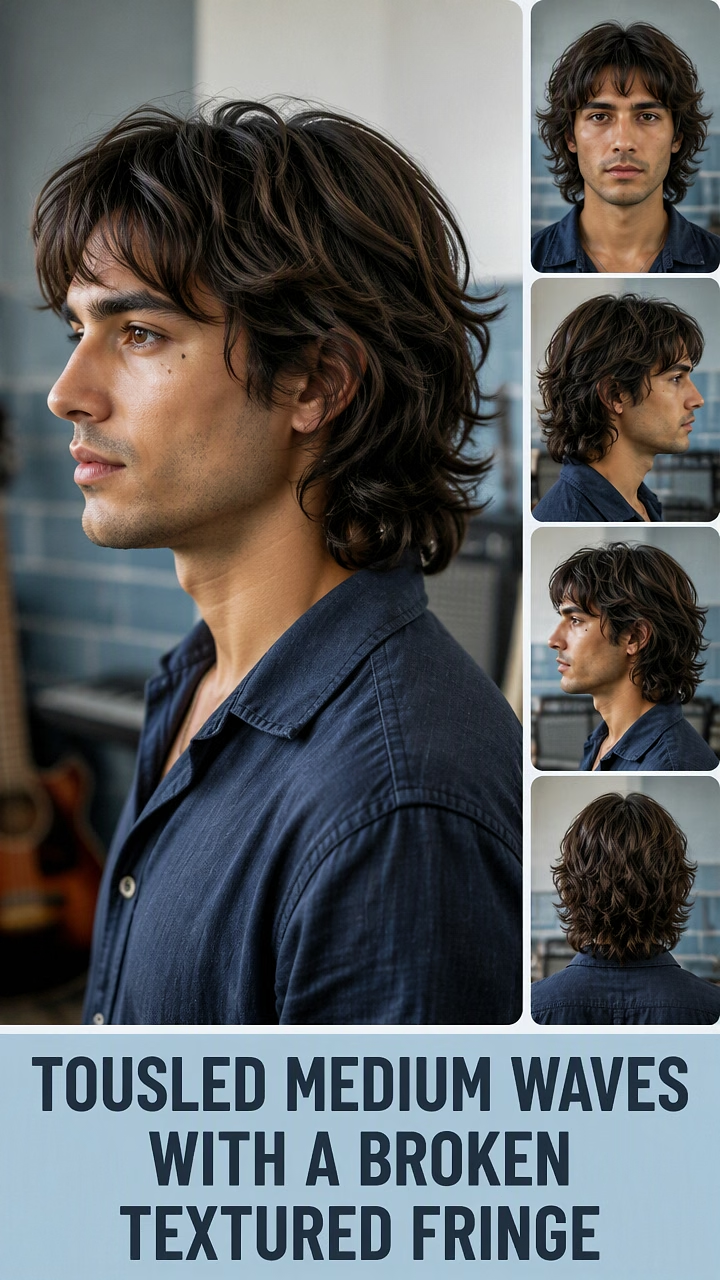
A broken fringe falls in separated pieces across the forehead, while medium-length layers keep the sides and back loose and textured. The crown is lightly shaped to support the wave pattern, and the ends are point-cut for a soft, imperfect finish rather than a blunt line.
This expressive cut suits thick, naturally wavy hair and can soften a strong brow or angular jaw. Oval and heart-shaped faces have lots of flexibility; round faces may benefit from a slightly longer fringe parted loosely. Scrunch a small amount of mousse into damp hair and finish with a dab of matte paste on selected ends.
The fringe may need quick finger styling each morning, and too much product can make it clump. Ask for a textured fringe that separates naturally and blends into the side layers. A trim every 7–9 weeks keeps the front light and out of the eyes.
Half-Up Wavy Layers With Loose Shoulder-Length Ends
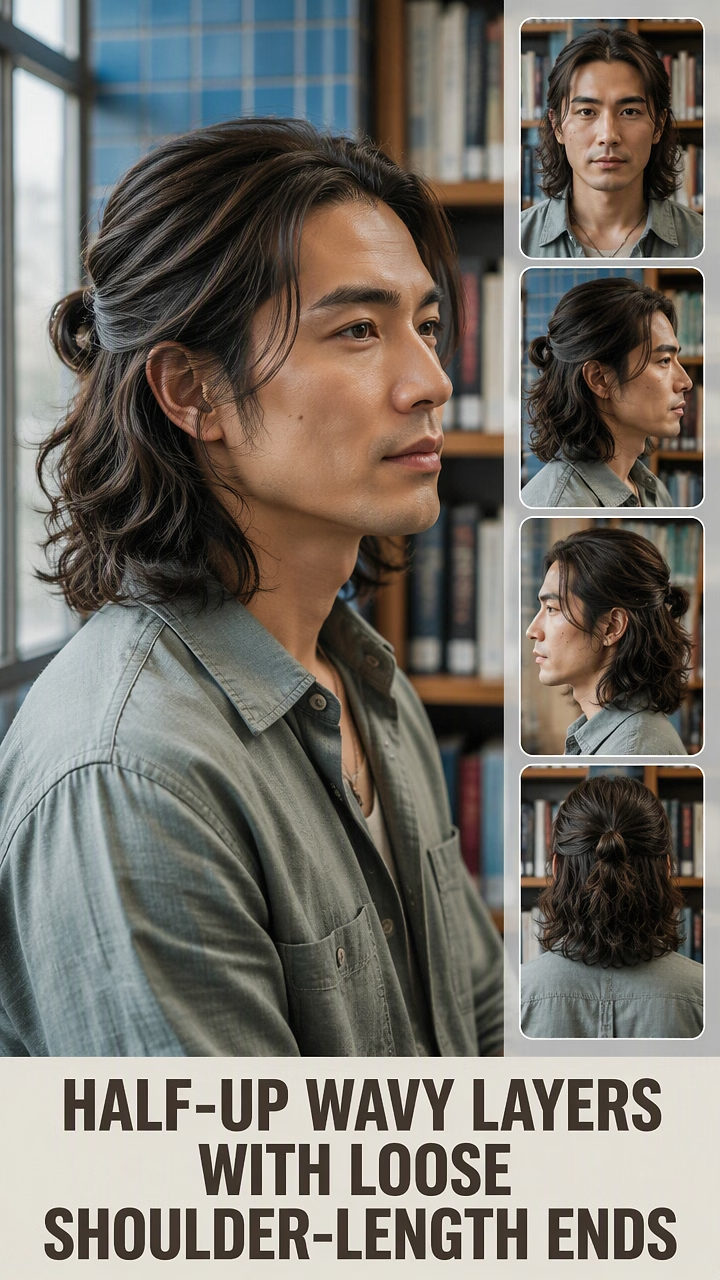
Long layers make it easy to gather the top section into a small half-up tie while leaving the sides and lower lengths loose. The look shows off thick waves without allowing the front to fall into the eyes, and the back keeps its natural fullness down to the shoulders.
This is a practical choice for active days or anyone growing out a medium cut. Oval and square faces suit the lifted crown, while softer face-framing strands keep the effect relaxed. Gather the top loosely with a fabric tie or clip, then smooth flyaways with a little styling cream. Avoid pulling tightly if you want a casual finish.
It is quick once the hair is long enough, but short layers may escape the tie. Ask for long, blended layers and face-framing pieces that can be tucked or left out. Shape the ends every 10–14 weeks, and expect an in-between stage while growing to this length.
Brushed-Back Waves With Feathered Shoulder-Length Ends
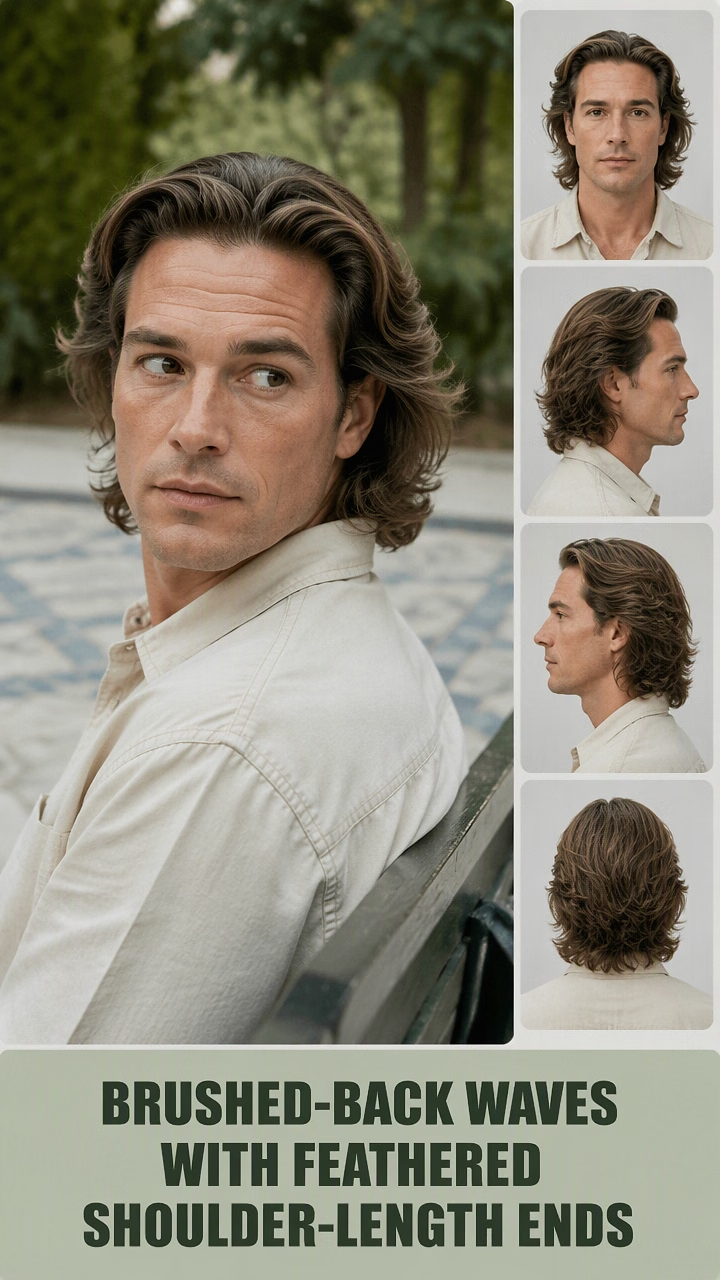
Feathered layers give this shoulder-length style a lifted front and a soft, fanning finish through the ends. The top is brushed back loosely, while the sides follow the head and the back remains long enough to skim the shoulders. Thick waves add natural body, so the shape feels full but not dense.
It flatters oval and square faces, and the height at the front can balance a rounder face. Use a small amount of mousse at the roots, then blow-dry with fingers or a vent brush, directing the front backward. Finish with a light cream on the ends for flexible definition rather than a stiff hold.
This polished shape needs more blow-drying than an air-dried shag. Ask for long feathered layers and a front that can be brushed back without becoming short. A trim every 10–12 weeks helps the ends keep their soft, swept shape.
Choosing Your Best Long Layered Wavy Hairstyle
The most flattering cut is the one that works with your natural wave pattern and feels comfortable in your everyday routine. Choose longer, blended layers for a softer, lower-maintenance flow; try a shag or fringe if you want more visible texture and face framing; or add a subtle taper or side part when you prefer a neater outline. Bring a reference photo to your stylist, explain how much time you want to spend styling, and talk through your face shape and preferred length. With the right layer placement, thick waves can feel lighter, look beautifully defined, and still feel completely like you.
Sources: https://www.hairstyleeditor.com
Category: Long