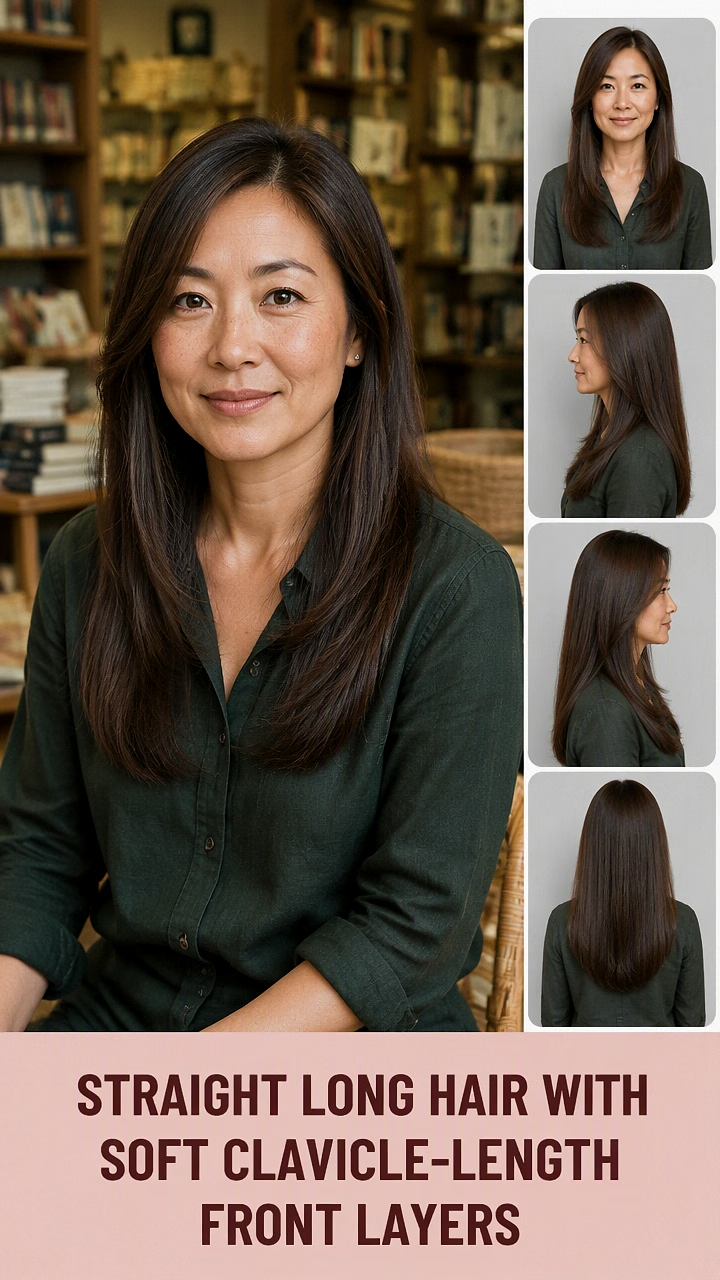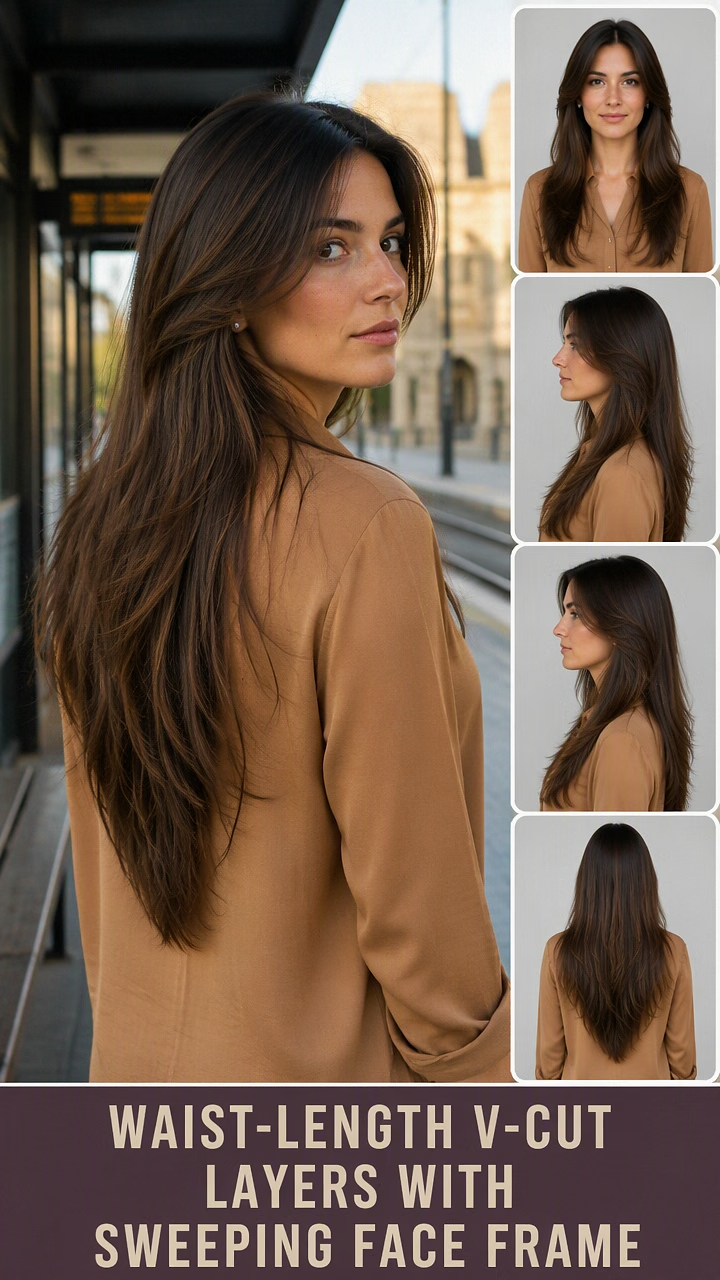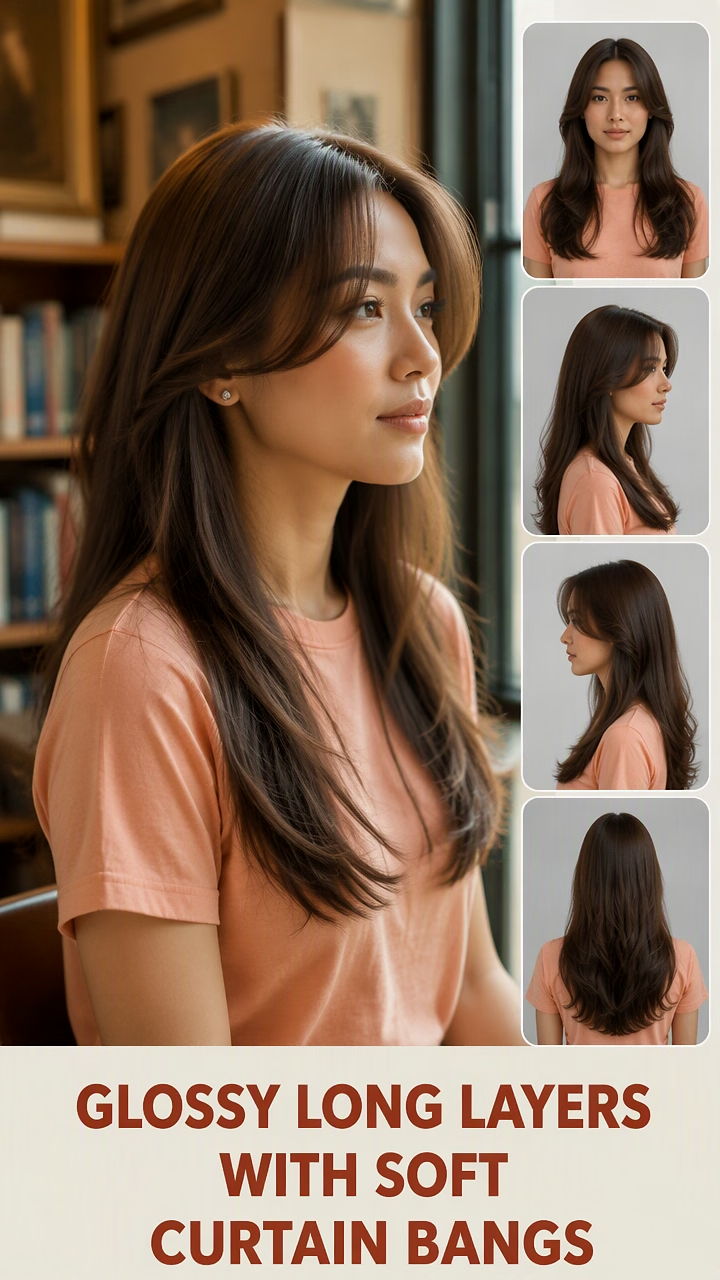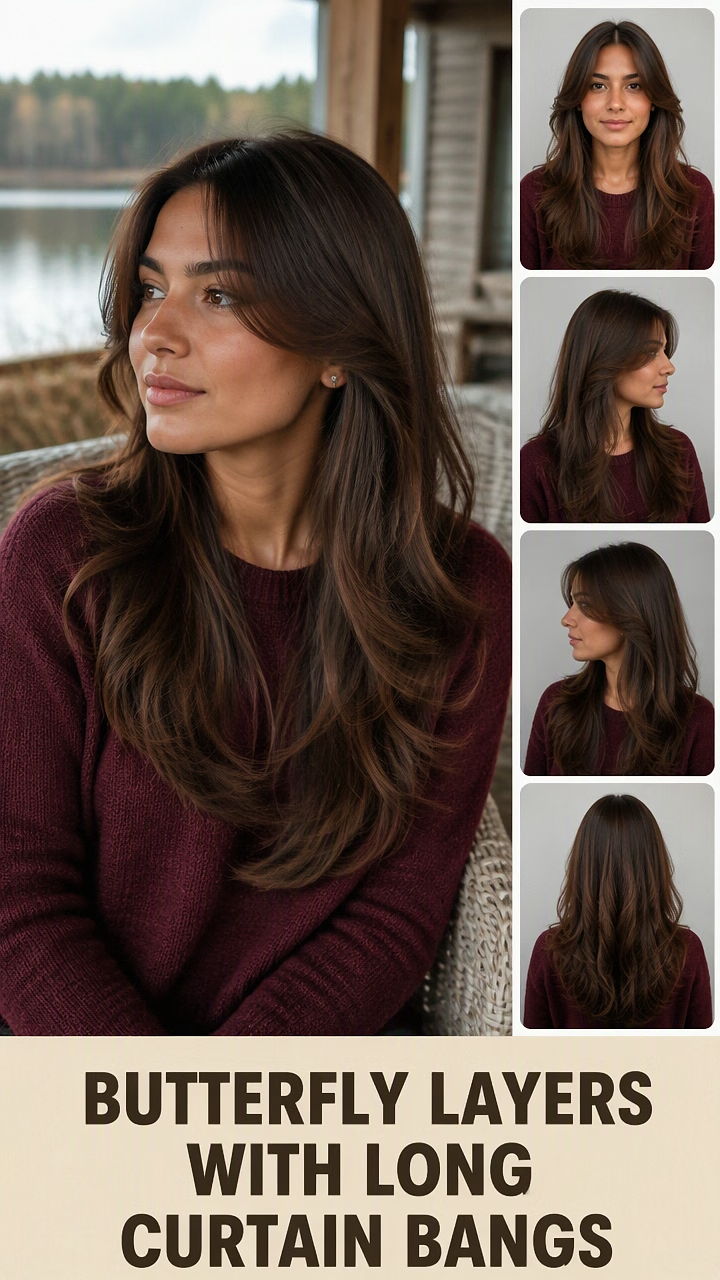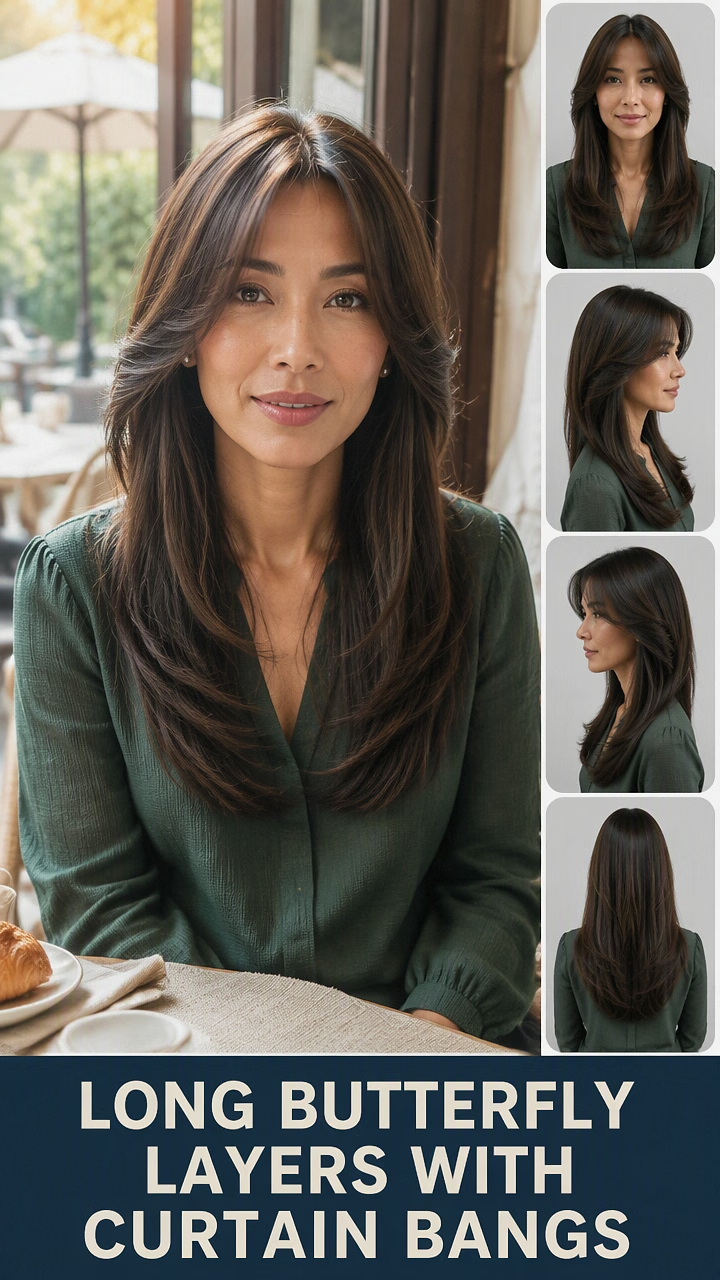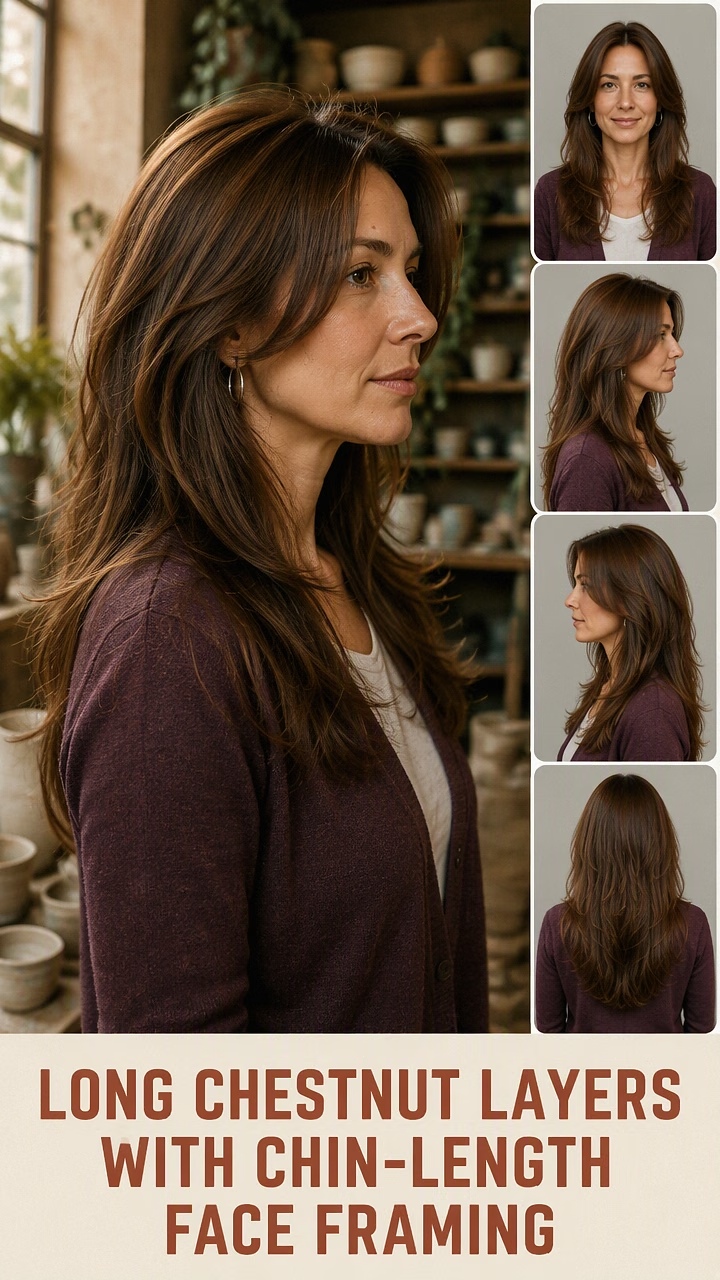
- 23 Long Hairstyles With Layers Side Part Lovers Will Want to Save
- 22 Cute Hairstyles for Long Layered Hair That Feel Fresh and Flattering
- 27 Long Bob Hairstyles With Bangs Over 40 Ideas That Feel Fresh And Flattering
- 22 Long Hairstyles With Front Layers That Feel Fresh And Flattering
- 29 Long Bob Hairstyles With Fringe Shoulder Length Medium Layered Ideas That Feel Fresh, Soft, And Easy To Style
Some haircuts make you feel instantly more like yourself: polished but not overly styled, fresh without giving up the length you love. Long feathered layers can do just that. Wispy, graduated pieces bring movement to long hair, frame the face gently, and give straight or wavy lengths a light, swishy finish.
You Are Watching: 22 Long Feathered Hairstyles Layered Hair Ideas for Soft, Flattering Movement
Whether you picture a bouncy blowout, relaxed beachy waves, or a barely-there refresh, the right shape depends on your hair’s density, natural texture, face shape, and morning routine. These long feathered hairstyles layered hair ideas offer distinct ways to personalize the cut, with practical styling notes to help you talk it through with your stylist.
20 Long Feathered Hairstyles To Inspire Your Next Cut
Classic Long Feathered Layers With Soft Outward Flicks
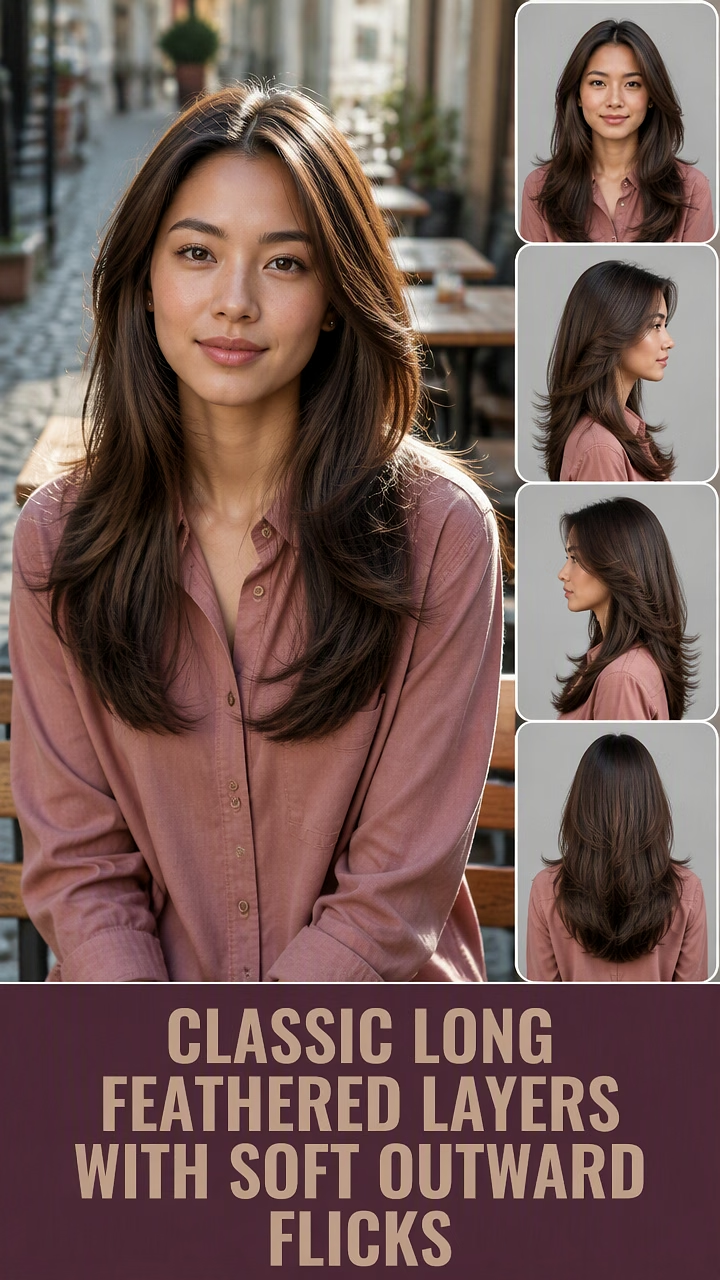
This timeless shape keeps the overall length below the shoulders, with graduated layers that begin around the cheekbones or collarbone and taper into wispy, outward-turning ends. The feathering is most visible around the face and through the lower lengths, so the cut has movement without looking dramatically choppy. A center or soft off-center part keeps the finish balanced.
It suits straight and gently wavy hair, especially medium or thick lengths that need a lighter outline. Oval, heart, and softly rounded faces can all wear it; ask your stylist to adjust where the first layers begin. Blow-dry with a large round brush, turning the ends away from the face, and finish with a light flexible spray. A trim every 8–12 weeks can preserve the shape. Ask for long, blended layers and feathered ends, not a blunt perimeter.
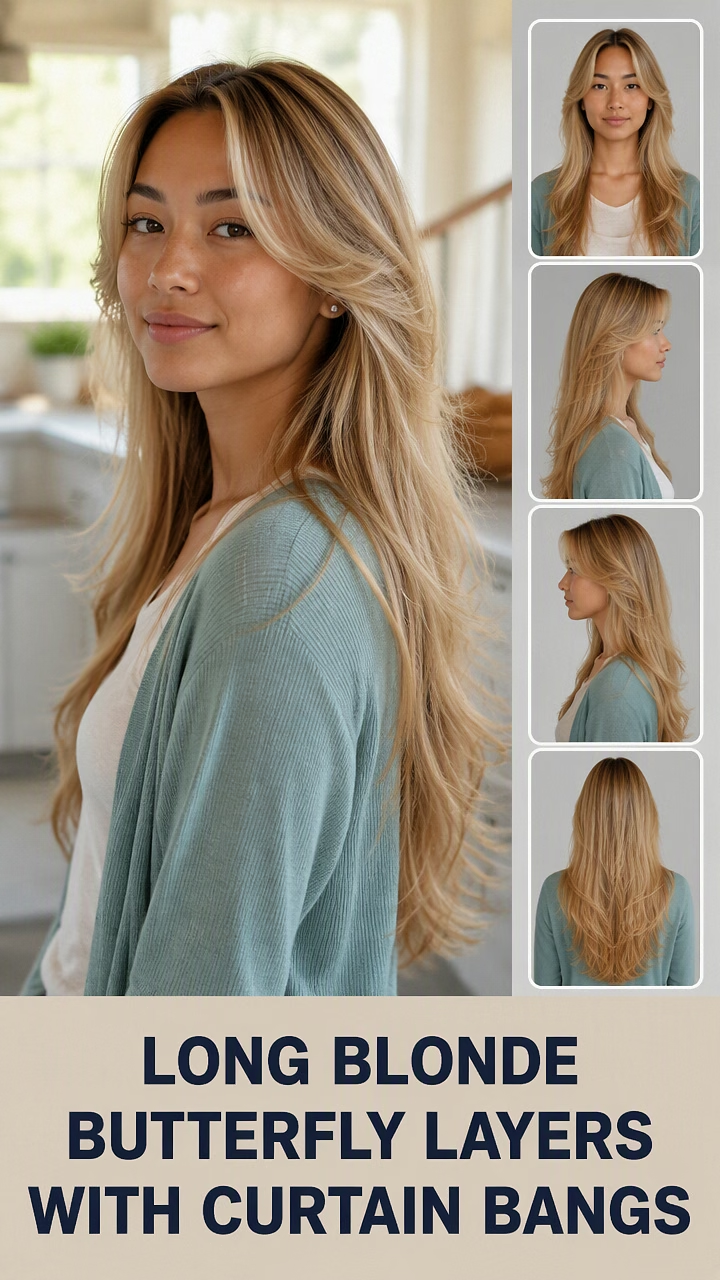
Long Butterfly Layers With Airy Curtain Bangs
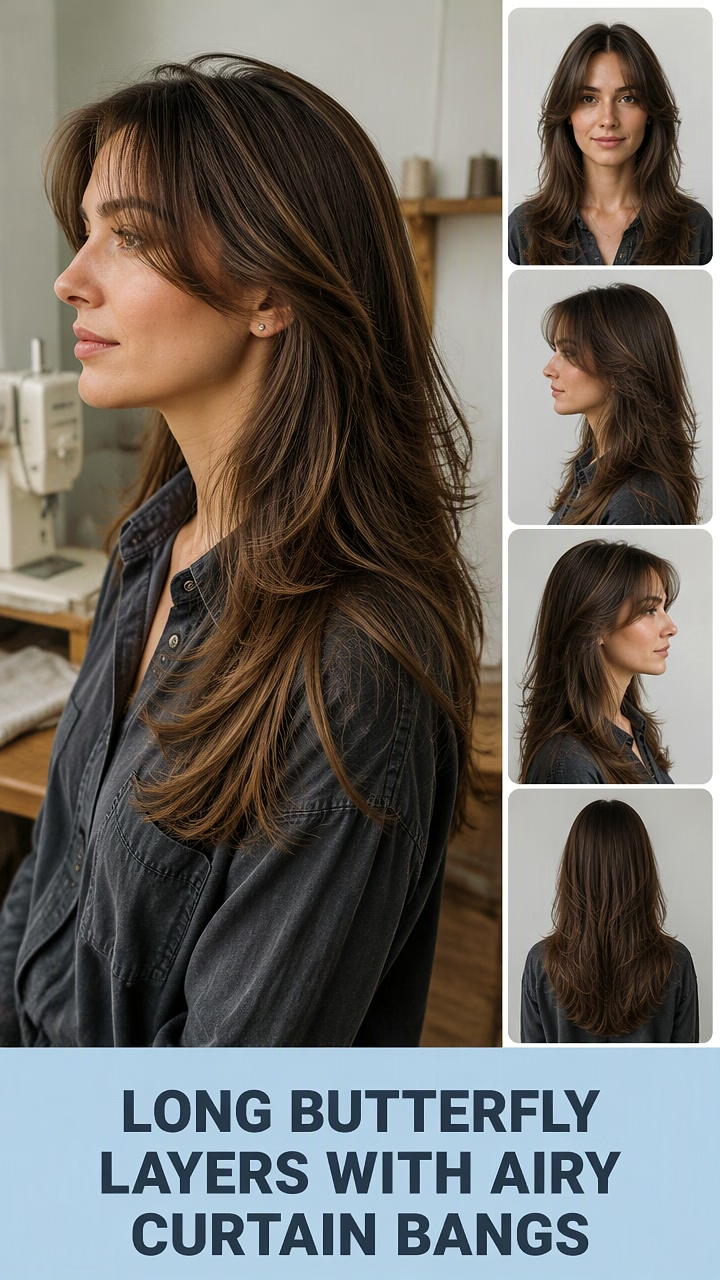
Butterfly layers create shorter, lifted pieces around the crown and face while leaving a long curtain of hair behind. Curtain bangs part in the middle and sweep outward, blending into the cheekbone and jaw-length layers. Feathered ends keep the outline soft, with plenty of separation between the shorter front pieces and the longer back.
This shape is lovely on medium to thick straight or wavy hair and can give fine hair a sense of movement, though very fine ends may need fewer layers to retain fullness. The parted fringe can soften a longer face or emphasize cheekbones; your stylist can customize its length for your features. Use a round brush or large rollers to lift the front, plus heat protectant. Curtain bangs need more frequent shaping than the lengths, often around every 5–7 weeks. Ask for a long butterfly shape with blended, cheekbone-skimming curtains.
Long Feathered Shag With Wispy Full Fringe
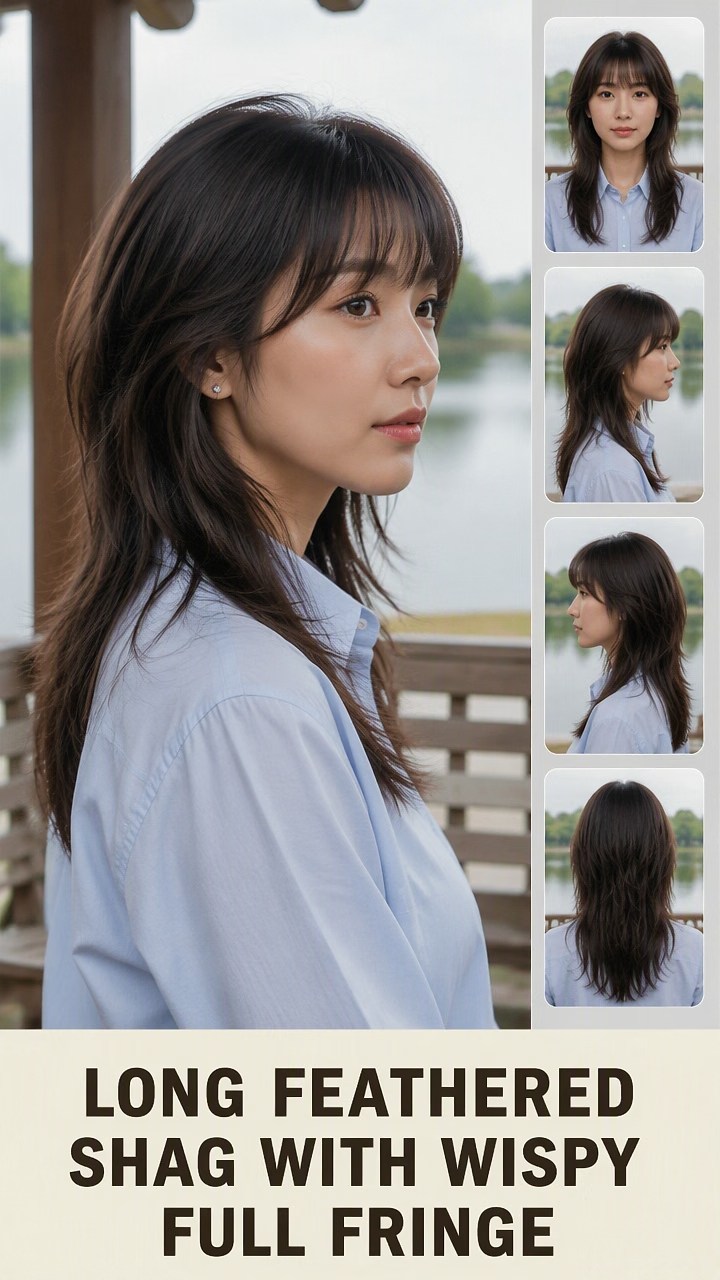
A long shag has visible, piecey layers through the crown and sides, then tapers into soft feathered ends that still reach well below the shoulders. A light full fringe adds a slightly undone, expressive finish, while the back stays long rather than turning into a short, mullet-like shape. The overall silhouette is airy and textured, not perfectly uniform.
Natural waves show off the cut with little effort; straight hair can benefit from a quick bend with a curling wand or diffuser. It works particularly well on medium or thick hair, while fine hair may need gentler layering to avoid wispy ends. The fringe can balance a longer forehead, but its fullness can feel less convenient if you prefer hair off your face. Scrunch in mousse or texture cream and let it air-dry. Ask for a long shag with soft, connected fringe and enough length to tie back.
Center-Parted Long Feathered Layers With Face-Framing Wings
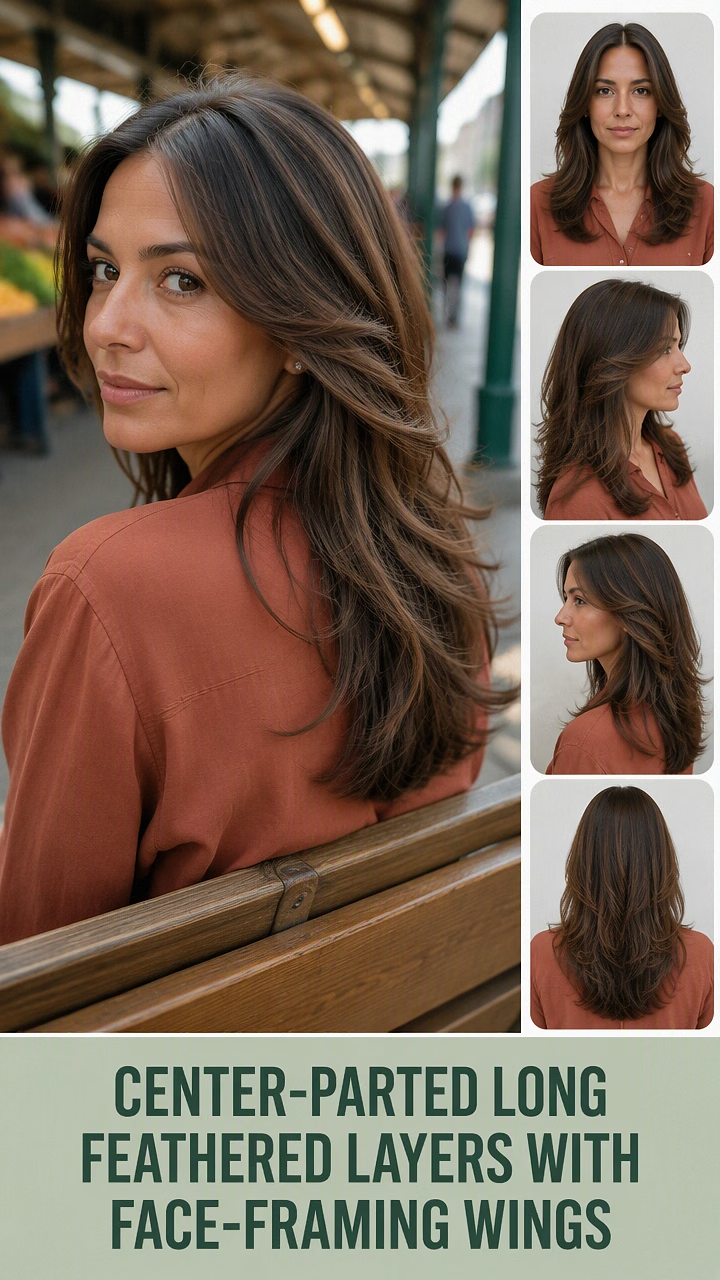
This sleek, flowing option keeps the back long and relatively full, while two front sections curve away from the face like soft wings. The framing layers usually begin near the chin or collarbone and melt into longer feathered pieces below. A clean center part makes the symmetry noticeable; a slightly imperfect part gives it a more relaxed feel.
It is an easy match for straight and lightly wavy hair, including fine hair that benefits from a careful, not excessive, layer plan. The cheek- and jaw-framing pieces can add definition to round or square faces, but their starting point should suit your preferences. Blow-dry the front sections away from your face with a medium round brush, then smooth the ends with a little serum. Ask for long face-framing layers that blend into the back rather than separate, short steps. Since the length remains intact, trims every 8–12 weeks are usually manageable.
Long Feathered Layers With Side-Swept Bangs
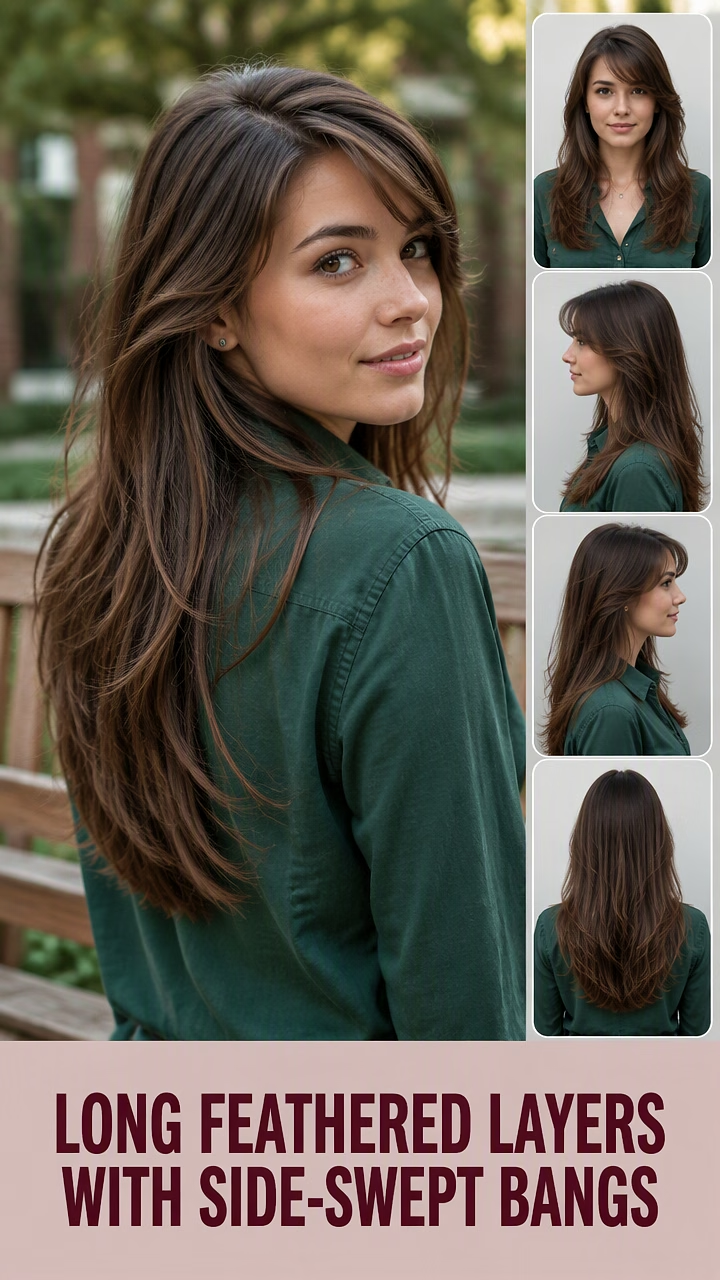
Side-swept bangs bring an asymmetrical sweep across the forehead, connecting to long, feathered layers around the temples and down the sides. The rest of the hair can remain below the chest, with soft, tapered ends that flick outward or curve under. The result feels classic and polished without the commitment of a blunt, full fringe.
This look suits straight and wavy hair, and the sweep can be especially appealing if you like a side part or want movement around the face. A longer fringe can visually balance a round face, while a softer, shorter sweep may complement angular features; individual proportions matter more than rules. Blow-dry the fringe in the direction you want it to fall, then finish the lengths with a round brush. A small amount of lightweight cream helps control flyaways. Ask your stylist to keep the bangs long enough to tuck behind your ear. Plan fringe reshaping every 5–7 weeks.
Long V-Shaped Feathered Cut With Tapered Ends
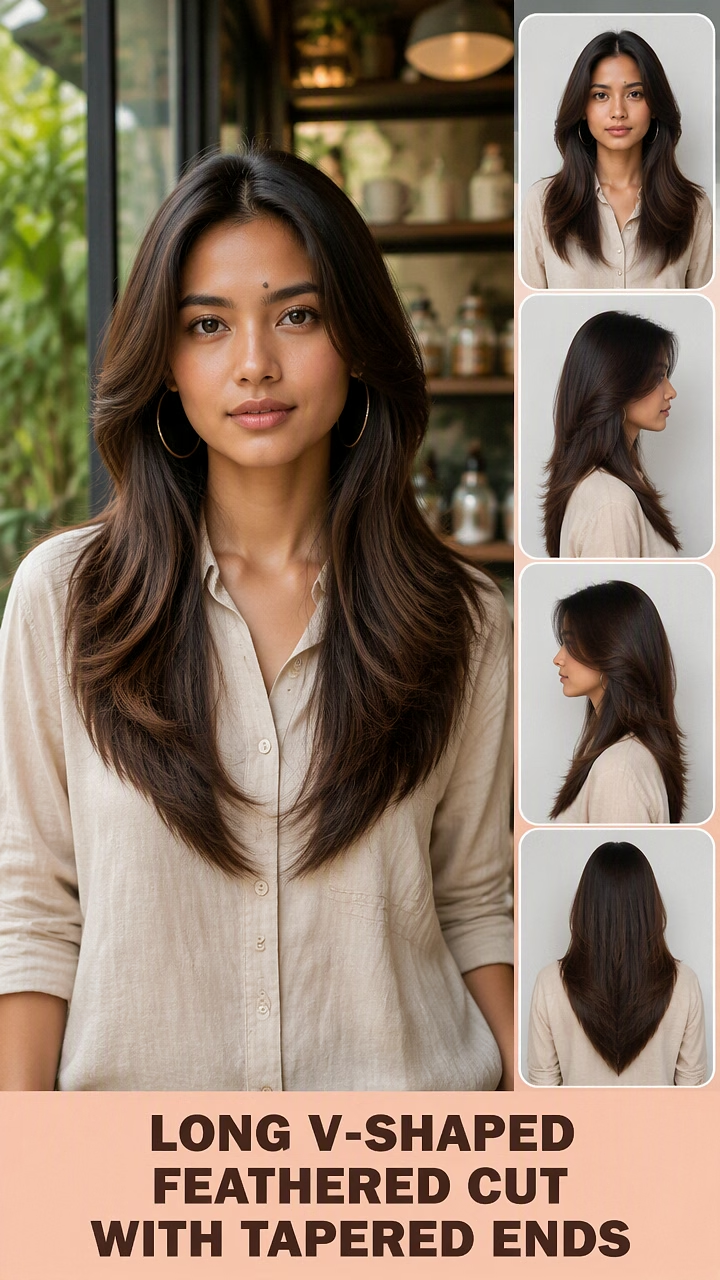
Viewed from the back, a V-shaped cut forms a pointed outline, with the center lengths extending farther than the sides. Long, feathered layers soften the point and create a cascading effect instead of a sharp, severe angle. Around the face, subtle graduated pieces help connect the front to the longer center, while the ends stay light and mobile.
This silhouette can make thick, long hair feel less heavy and looks striking on straight or softly wavy textures. Fine hair can wear a shallow V with fewer layers to avoid losing density at the ends. It suits many face shapes because the shape is primarily seen from behind, but face-framing lengths can be customized. Use a paddle brush for a smooth finish or a round brush to turn the tips outward. Ask for a soft V perimeter with blended feathering, not a dramatic disconnected point. Trims every 8–12 weeks help keep the outline intentional as it grows.
Long U-Shaped Feathered Layers With Rounded Volume
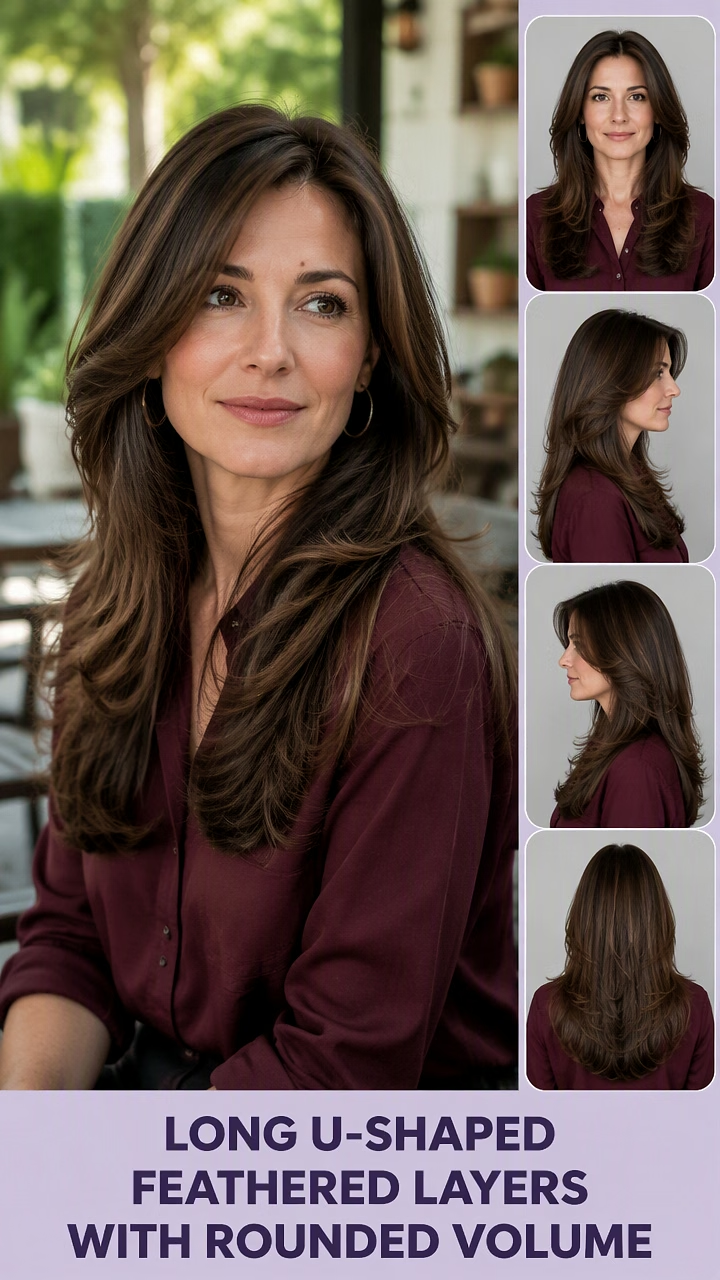
A U-shaped perimeter curves gently down through the back, preserving a soft, rounded outline rather than a central point. Feathered layers begin around the mid-lengths and sweep into the curve, so the sides and back appear full but not heavy. Face-framing pieces can be added at the cheekbones or collarbone, depending on how much movement you want around the front.
This is a versatile choice for straight, wavy, and medium-to-thick hair, especially if you want the impression of fullness at the ends. Fine hair can benefit from long, restrained layers and a less pronounced U. The shape is understated from the front and satisfying when the hair moves behind you. Blow-dry with a large brush or let natural waves air-dry with a light leave-in product. Ask your stylist to preserve the perimeter’s fullness while adding feathered layers above it. A trim every 8–12 weeks keeps the rounded outline neat without demanding frequent salon visits.
Long Razor-Textured Feathered Layers With Wispy Ends
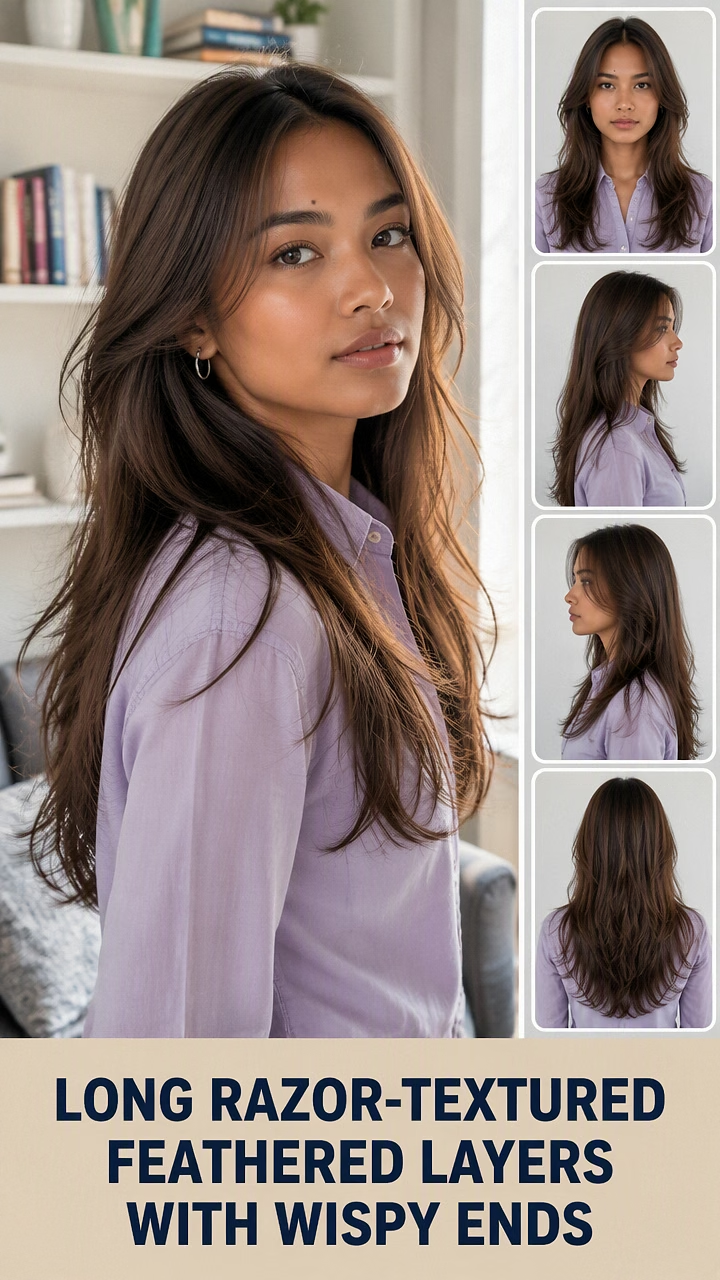
Razor-textured layers give the ends a softer, more piecey finish than a crisp, blunt line. The cut can stay very long, with feathering focused through the mid-lengths and perimeter so strands separate lightly as they move. A subtle face frame or long fringe can add shape, but the defining detail is the airy, tapered texture.
This approach may suit straight or wavy hair that feels dense or heavy, though a razor is not automatically the best choice for every texture. Hair that is very curly, fragile, or prone to frizz may respond better to a stylist’s preferred scissor technique. Keep styling simple with a lightweight mousse or texturizing lotion and a diffuser or low-heat blow-dry. Ask your stylist whether razor texturing suits your hair and request soft, controlled feathering rather than excessive thinning. The wispy edges can need refreshing every 8–10 weeks, and may require a little more smoothing on humid days.
Long Feathered Layers With Sunlit Balayage Ribbons
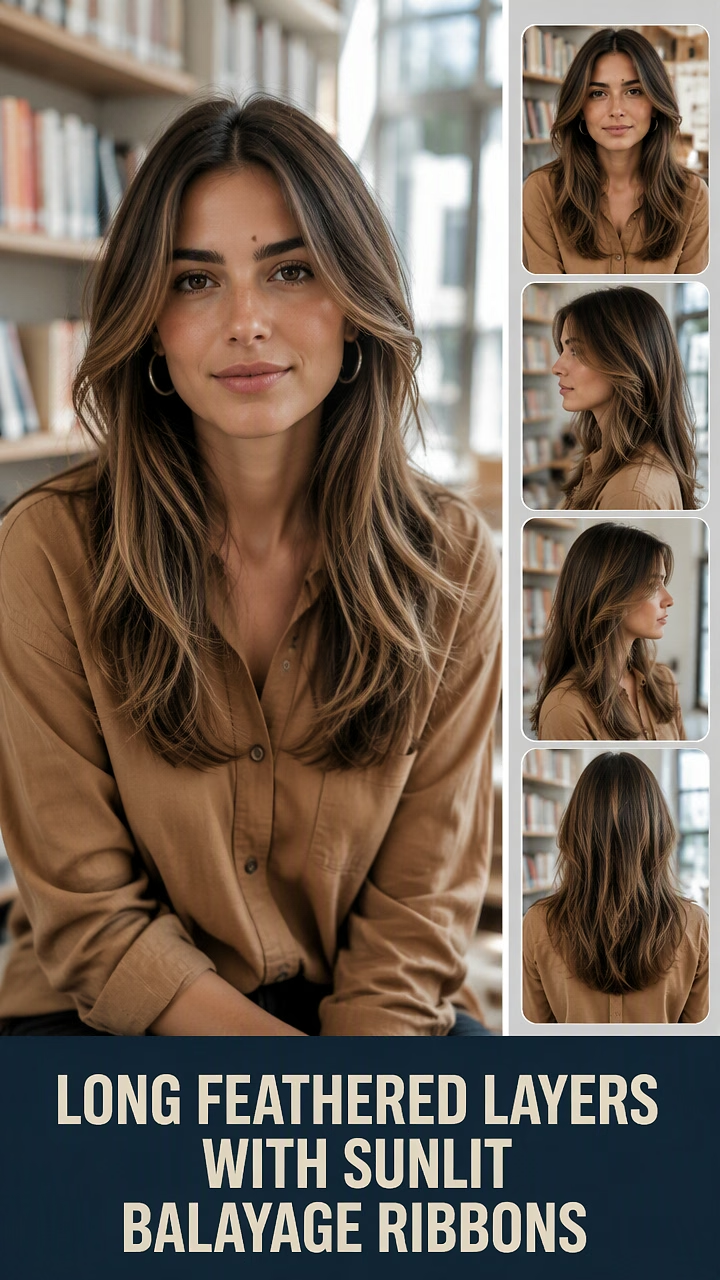
Here, the haircut stays long and softly feathered, while hand-painted lighter ribbons trace the movement of the layers. The brightest pieces can sit around the face and through the mid-lengths, with a more natural-looking root and deeper tones beneath. The gradual color placement helps the feathers look dimensional without creating a striped effect.
Balayage can complement straight, wavy, and curly hair because its placement is adaptable; a few fine ribbons can brighten fine hair without visually overwhelming it, while thicker hair can carry more contrast. Choose warm honey or caramel on deeper brown, or beige and soft gold on a lighter base, guided by your preferred tone. A round-brush blowout highlights the layers, but natural texture also shows the color nicely. Ask for subtle, blended ribbons that follow your face-framing layers and discuss color upkeep before committing. The cut can be trimmed every 8–12 weeks; refresh lightening as needed with your colorist.
Long Feathered Layers With Glossy Espresso Finish
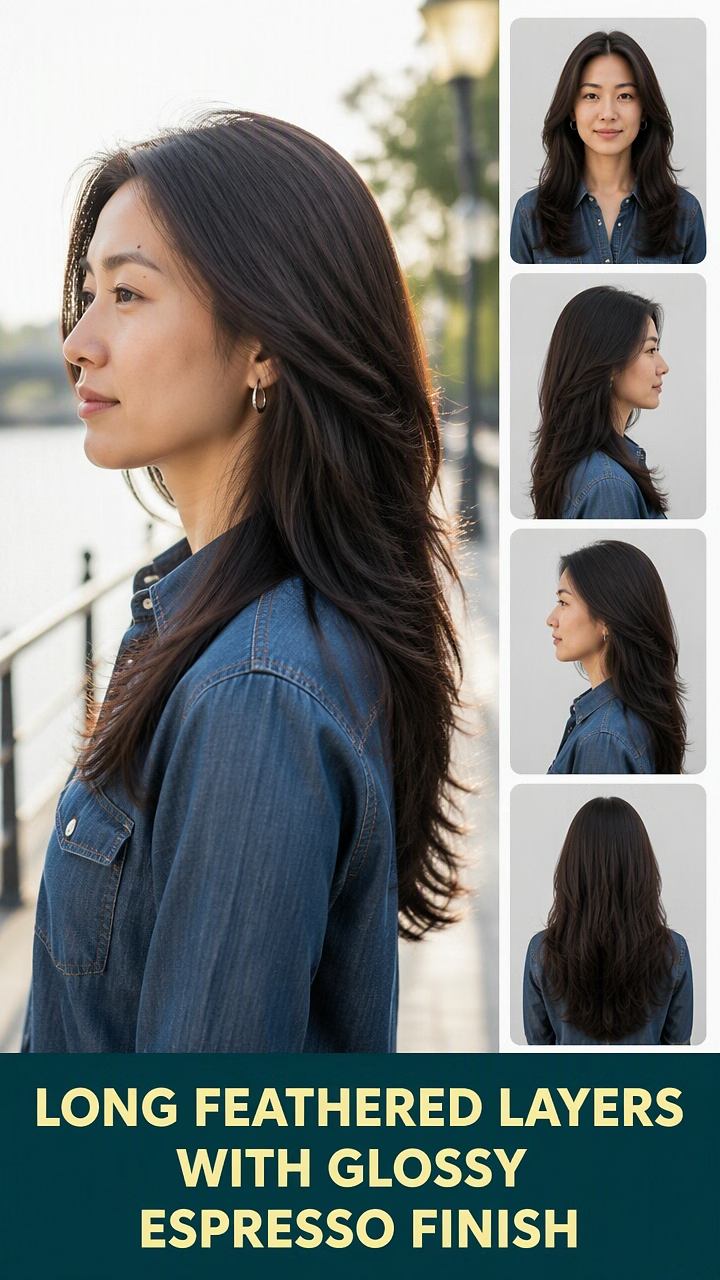
A rich espresso finish gives long feathered layers a sleek, reflective look without relying on contrast from highlights. The cut features softly graduated layers around the face and lower lengths, with enough feathering at the ends to keep dark hair from reading as one heavy sheet. A center part feels polished, while a side part adds a little old-school sweep.
This combination works beautifully on straight and wavy hair, and medium-to-thick density can show the flowing shape particularly well. Fine hair can also wear it, provided the ends remain full. Deep brown tones suit a wide range of complexions, so consider whether you prefer a neutral, cool, or warmer espresso with your colorist. A heat-protectant spray and large round brush create shine and movement; a smoothing cream can tame flyaways. Ask for long, seamless layers with a glossy, dimensional brunette tone. Keep the ends trimmed every 8–12 weeks, and use color-safe care if your hair is colored.
Long Feathered Layers With Soft Copper Dimension
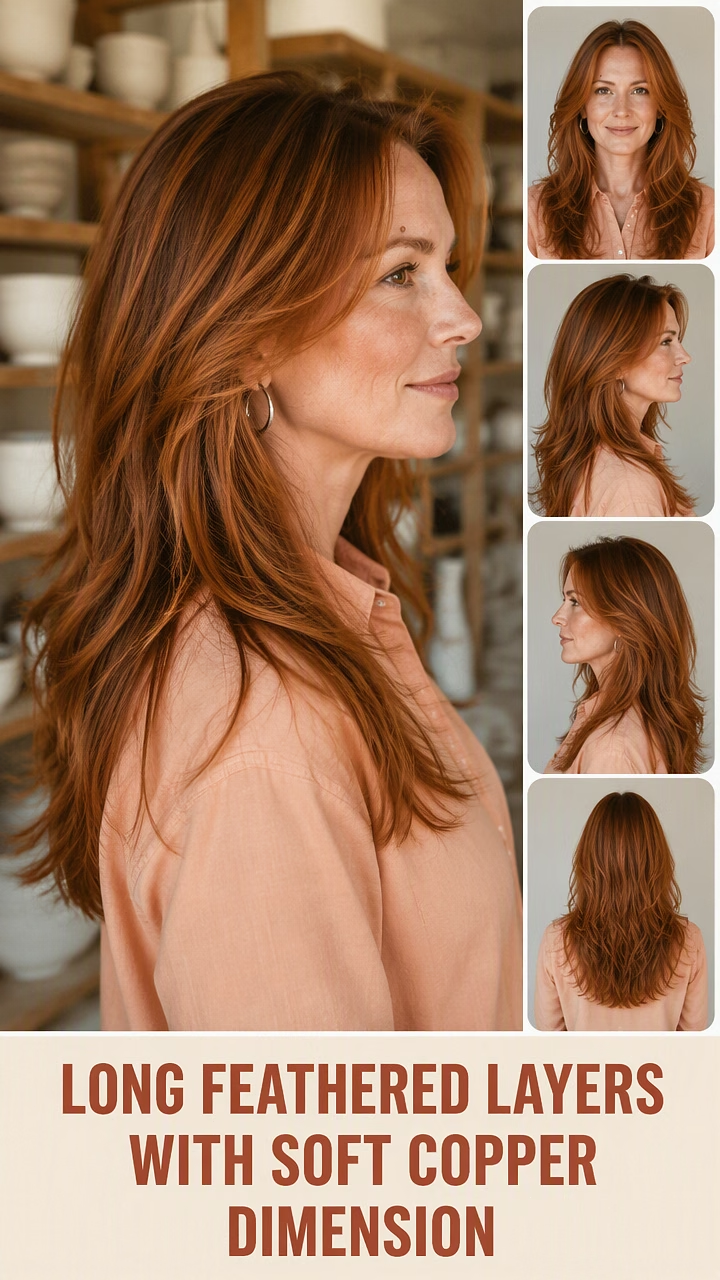
Soft copper color gives long feathered layers a warm, luminous feel. The cut keeps most of its length, with face-framing pieces and graduated layers that flick away from the cheeks and shoulders. Rather than a single flat red, ask about a natural-looking blend of copper, auburn, or strawberry tones that picks up the movement in the ends.
This look is especially striking on straight and wavy hair, although curls can carry the color beautifully when the placement is adapted to their shape. Fine hair may look fuller with restrained layering and delicate tonal variation; thick hair can show a richer cascade. Warm copper can be adjusted to feel subtle or vivid, so take reference photos to your appointment. Style with a round brush or loose curling wand bends, using heat protection. Ask for feathered layers and a copper shade that works with your natural base. Color may need refreshing more often than the haircut, so discuss upkeep and fading expectations in advance.
Long Feathered Layers With Face-Framing Blonde Highlights
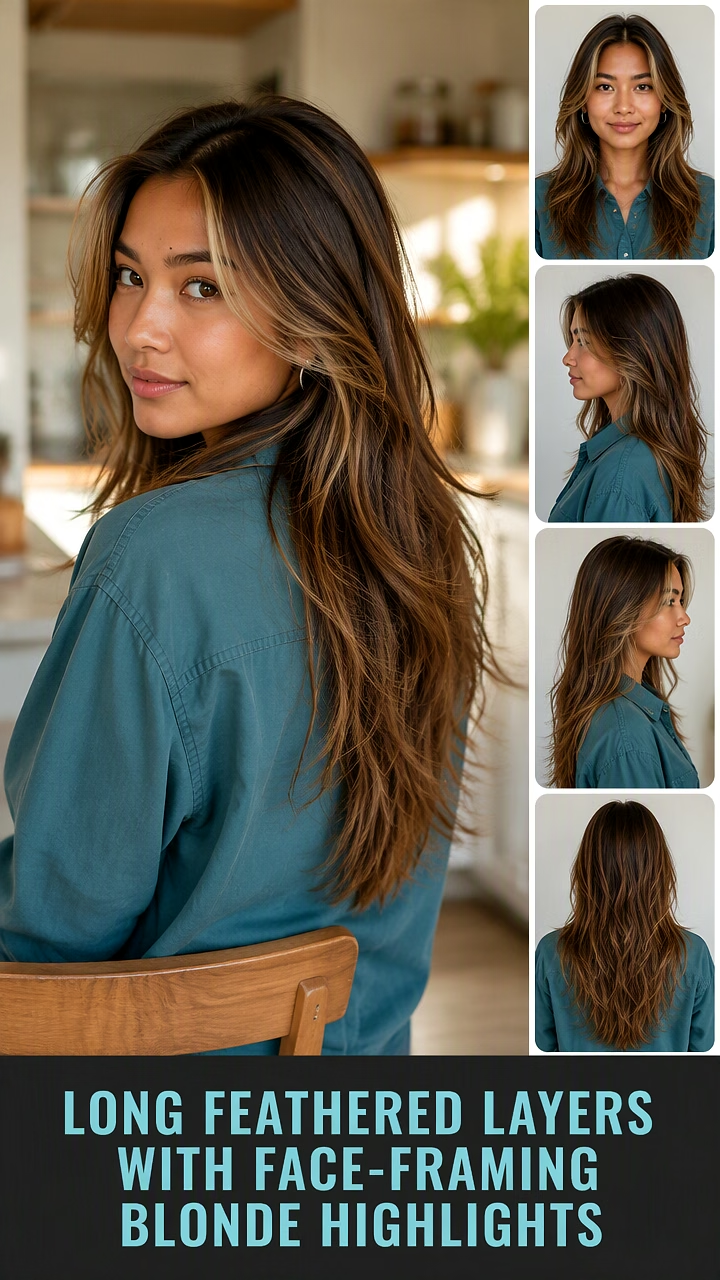
Bright, fine highlights around the face create a soft glow, while longer feathered layers carry those lighter strands through the lengths. The base remains visible between ribbons, so the overall effect is dimensional rather than solid blonde. Layers can begin at the cheekbones, then blend into the lower lengths with lightly flicked ends.
This combination flatters straight and wavy textures, and face-framing brightness can bring attention to the eyes and cheekbones. On fine hair, delicate highlights and subtle layers keep the ends from looking too sparse; thicker hair can take a more noticeable contrast. Ask your colorist to choose a blonde tone—such as beige, honey, or cool sand—that feels harmonious with your base and complexion. A round brush makes the front pieces swing away from the face; a leave-in conditioner helps keep the ends smooth. Request fine, blended highlights rather than a hard stripe. Schedule trims as needed and color refreshes according to your maintenance comfort.
Long Feathered Layers With Beachy, Air-Dried Waves
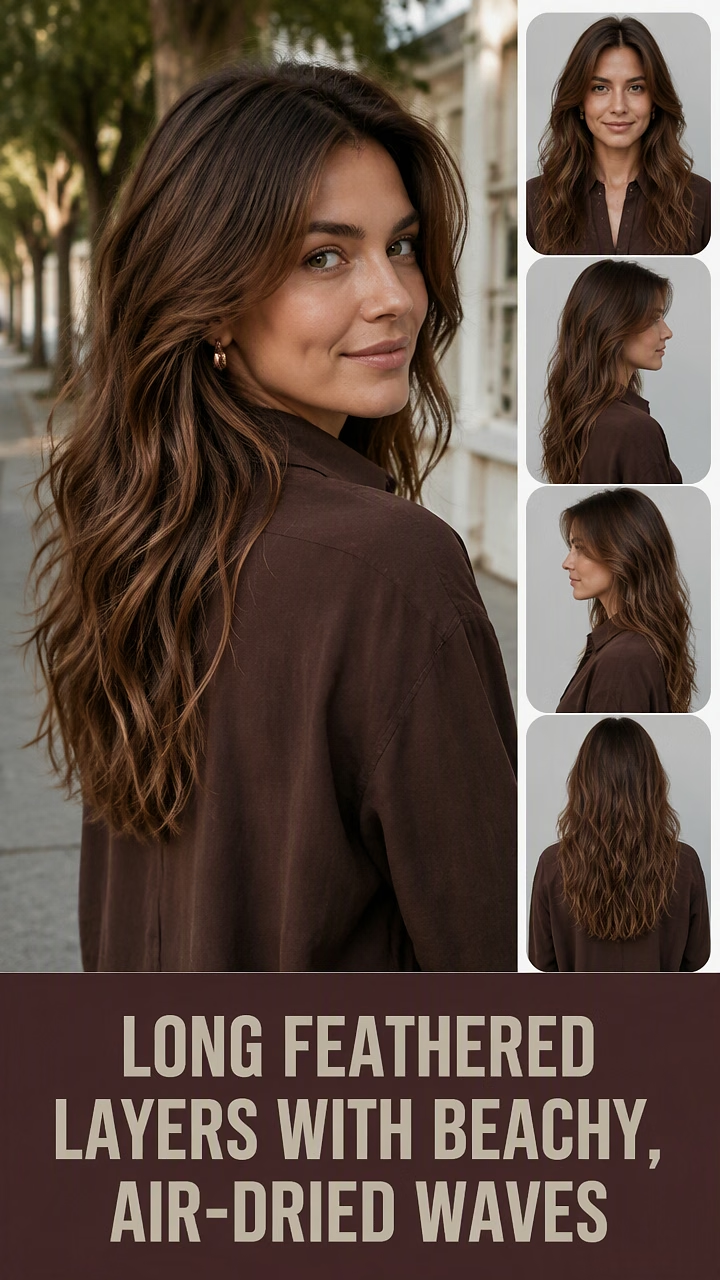
This relaxed version lets natural texture lead. Long layers are placed to encourage movement, with feathered ends that separate into soft, irregular waves rather than a uniform blowout. Face-framing pieces can be kept long and blended, or paired with curtain bangs if you enjoy a little more styling around the forehead.
It is a natural fit for wavy hair and can work on straight hair with a few loose bends, though the result will be more styled than wash-and-go. Thick hair benefits from carefully balanced layers; fine hair may need a lighter hand to preserve the ends. After washing, apply a small amount of leave-in conditioner or wave cream, scrunch, and air-dry without repeatedly touching it. A diffuser is useful when you want extra lift. Ask for long layers that support your natural wave instead of fighting it. The finish is intentionally relaxed, so expect some variation from day to day. Trim every 8–12 weeks to keep the shape light.
Long Feathered Layers With Polished Bouncy Blowout
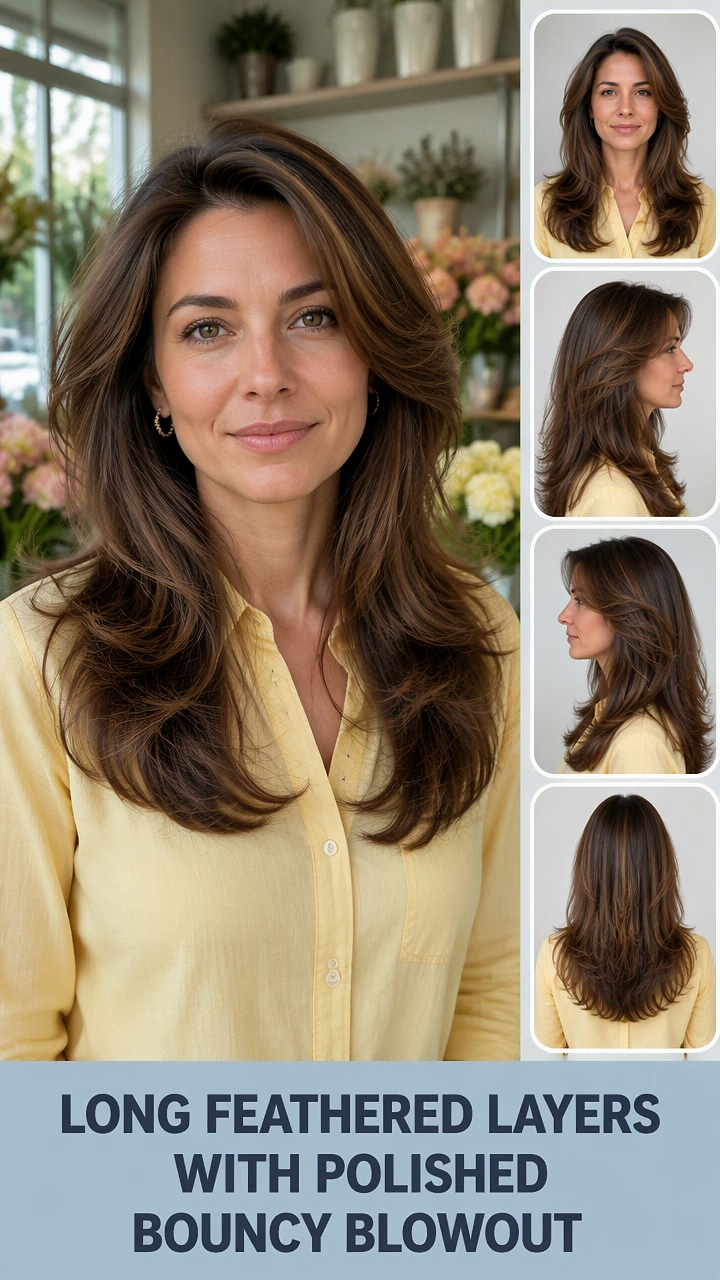
A bouncy blowout makes the graduated layers the star: the crown has lift, the mid-lengths curve gently, and the feathered ends flip away from the face. The length remains long, while a few shorter front layers add swing around the cheekbones. A center or soft side part works, depending on whether you prefer symmetry or a little extra sweep.
Straight and wavy hair are easiest to shape this way, and medium-to-thick density gives the layers a satisfyingly full finish. Fine hair can get similar movement with lighter products and smaller sections. Apply heat protectant and a volumizing mousse at the roots, then use a large round brush or hot rollers; a blow-dry can take longer than a simple air-dry routine. Ask your stylist for blended layers that can be styled both smooth and tousled. A light flexible spray helps the shape last without stiffness. The haircut is low-commitment, but maintaining the bouncy finish takes occasional heat styling and regular trims.
Long Feathered Layers With Flipped-Up Retro Ends
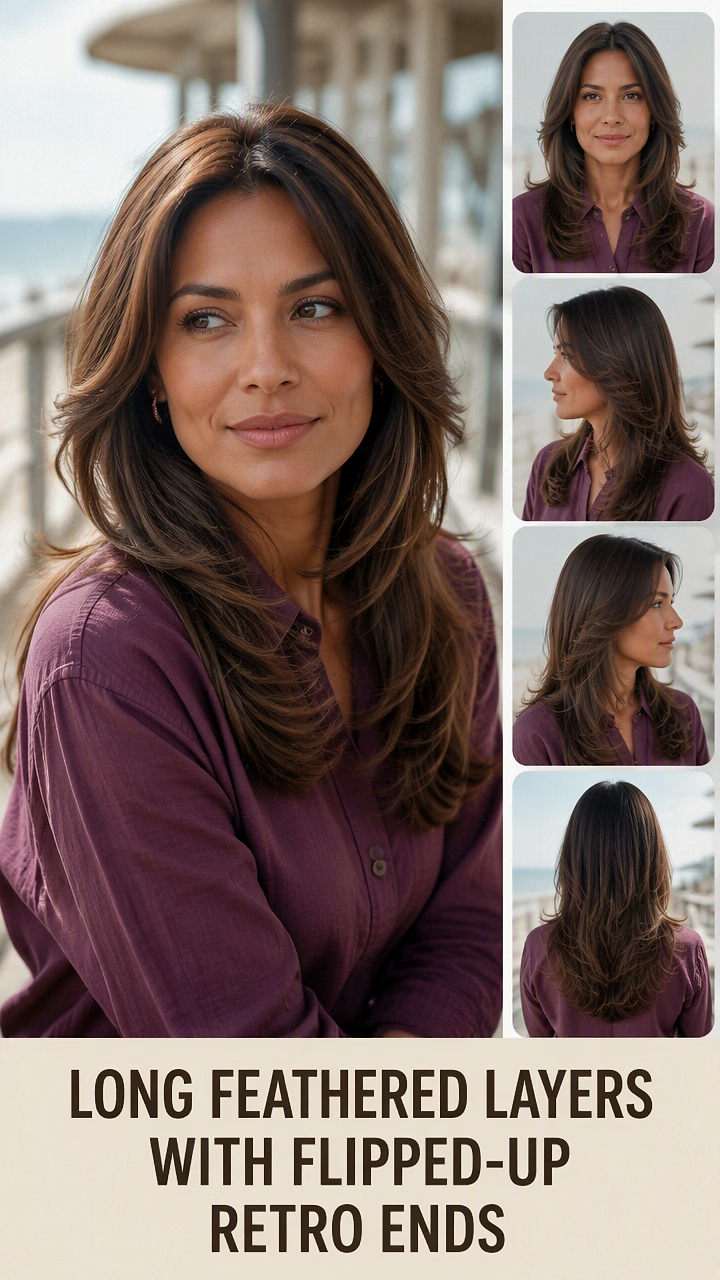
Inspired by vintage blowouts, this cut sends its shorter lower layers outward into distinct, soft flips. The top and mid-lengths stay flowing, while the feathering gathers near the ends to create a playful, lifted outline. A long side fringe or curtain bangs can complete the retro mood, but the look also works with a simple center part.
Read more : 26 Long Pixie Hairstyles for Round Faces Ideas That Feel Fresh and Flattering
Straight and slightly wavy hair show the flip most clearly; thick hair may need thoughtful layering so the ends do not feel bulky. Fine hair can get a more delicate version with subtle, shorter pieces near the perimeter. Use a round brush, rollers, or a large-barrel curling iron to turn the tips away from the face, always with heat protection. Ask for feathering concentrated toward the ends and a shape that flips without requiring very short layers. This finish is more styling-dependent than natural waves and may need a quick refresh between washes. Trim every 8–12 weeks to prevent the ends from losing their shape.
Long Feathered Layers With A Deep Side Part
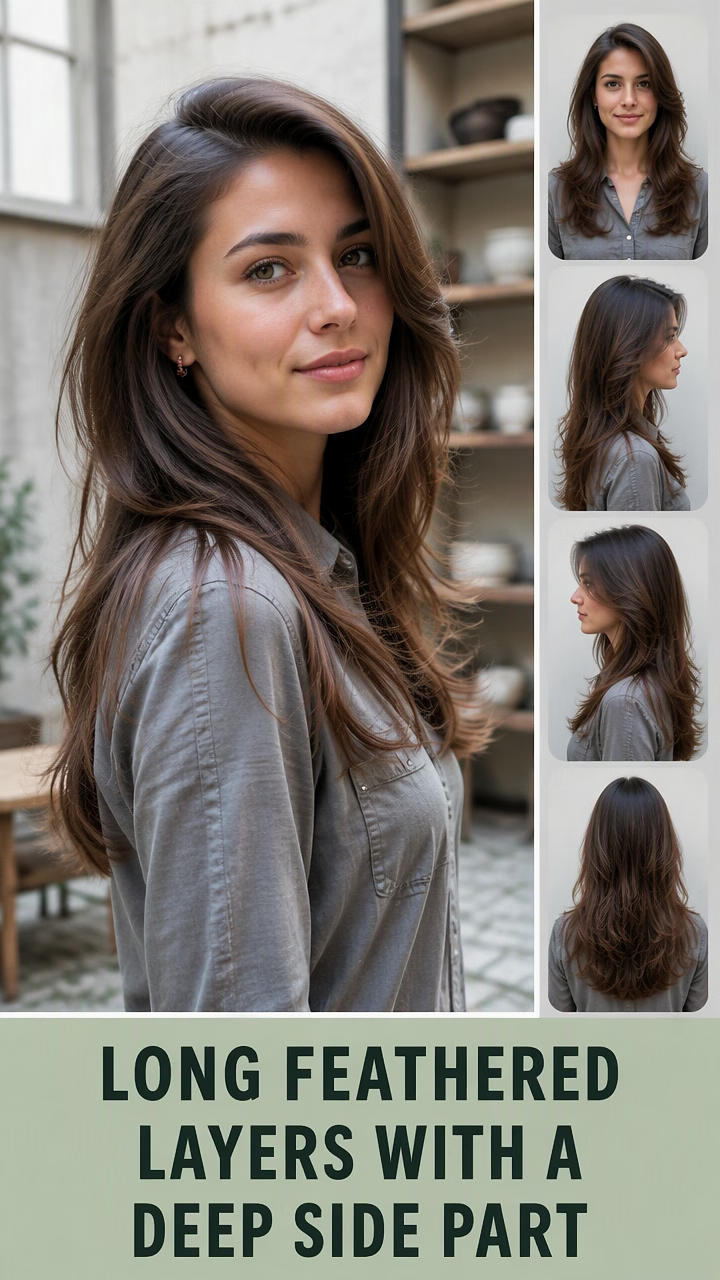
A deep side part instantly changes the balance of long, feathered layers. The heavier side sweeps across the forehead, while the shorter front layers curve away from the face and connect to long, feathered lengths below. The back remains soft and flowing, with enough graduation to keep the ends from forming a blunt block.
This is an adaptable choice for straight or wavy hair and can give fine hair a visible lift at the roots. A side part can create an appealing diagonal line across round or square features, but the most flattering depth is personal. Blow-dry the roots in the opposite direction first, then sweep the hair into place with a brush. Lightweight mousse or root spray can help without making the lengths stiff. Ask your stylist for a side fringe that blends into long face-framing layers, rather than a disconnected bang. The part is easy to change, but a strong cowlick may take extra styling. Refresh the layers every 8–12 weeks.
Long Feathered Layers With A Soft Wispy Fringe
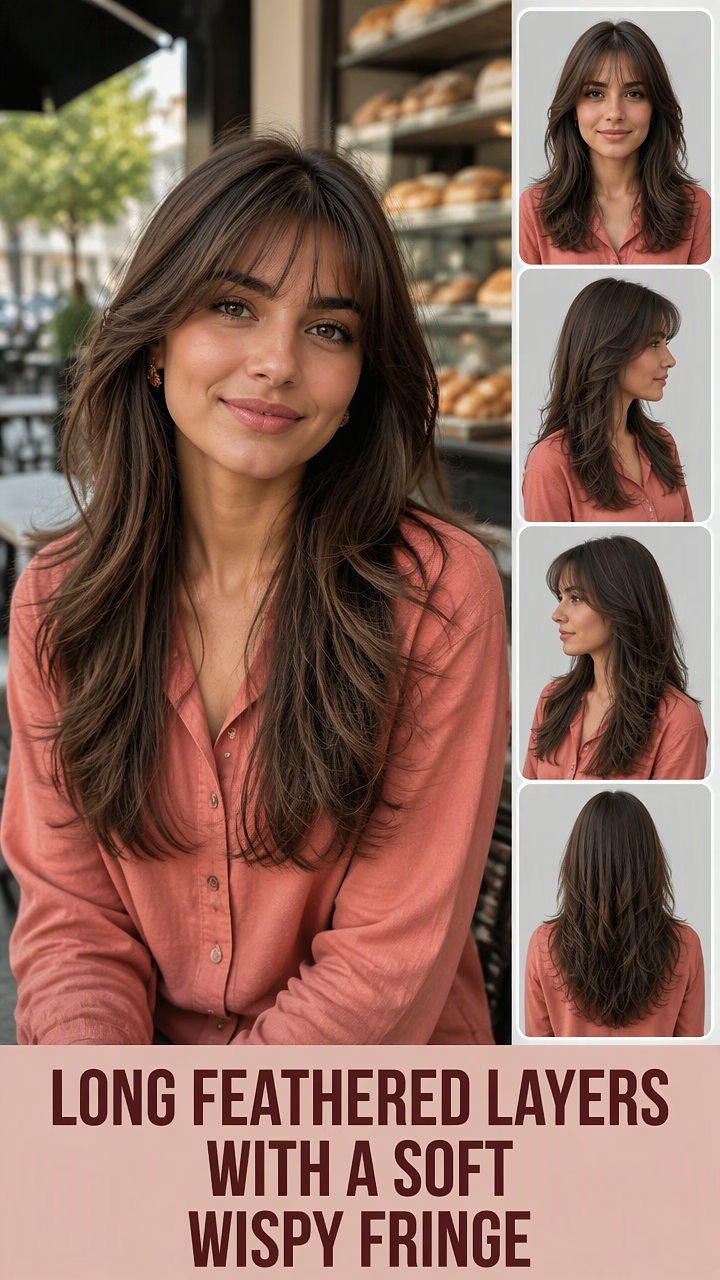
A wispy fringe brings a light veil across the forehead without the density of a blunt bang. It is cut with soft separation, then blended into cheekbone-length face-framing pieces and long feathered layers. The overall length stays below the shoulders, so the fringe feels like a fresh detail rather than a complete change in silhouette.
This can work on straight and wavy hair, with fringe density adjusted to suit your hairline and daily habits. A light fringe can soften a longer face or highlight the eyes; for a rounder face, a slightly parted version may feel more balanced. Blow-dry the fringe first while it is damp, guiding it gently from side to side before settling it into place. Use little or no product near the forehead to avoid a weighed-down finish. Ask your stylist to start longer and keep the fringe airy, with pieces that connect to the sides. Bangs need more frequent trims—often every 4–6 weeks—so consider that upkeep before choosing them.
Long Feathered Layers With Natural Curly Definition
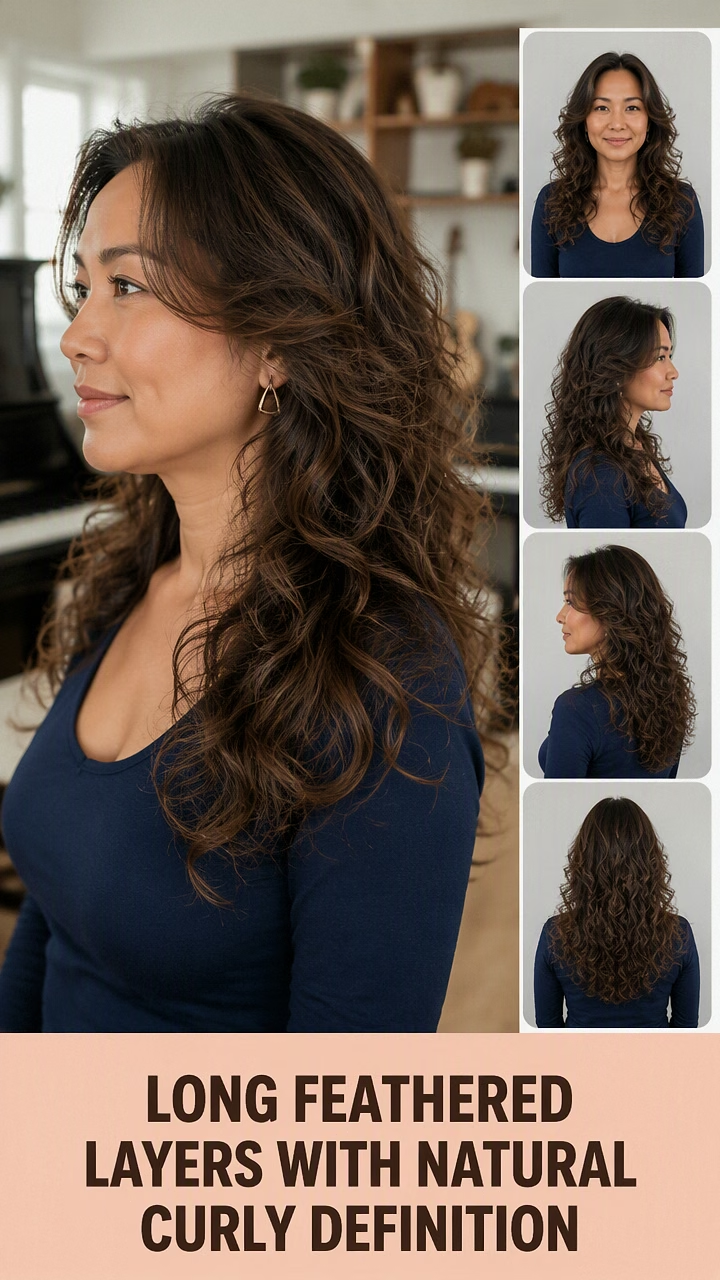
Curly hair can wear feathered layers too, but the shaping should respect how each curl springs up when dry. Long, graduated layers remove some visual weight and help curls form a rounded cascade, while softly feathered ends prevent the outline from feeling too solid. Face-framing curls can begin around the cheek or chin, depending on the desired shape and shrinkage.
This cut is best planned with a stylist experienced in your curl pattern; a wet-cut shape may appear different once dry. Medium and thick curls often show the layering clearly, while fine curls may need fewer layers to maintain fullness. Apply a curl cream or leave-in conditioner to wet hair, scrunch, and diffuse on a gentle setting or air-dry. Ask for long layers shaped with your usual part and styling routine in mind, and agree on how much length to preserve. Avoid expecting a smooth, flipped blowout every day without extra work. Trims every 10–14 weeks can help maintain the curl shape, depending on how quickly it loses definition.
Long Feathered Layers With A Subtle Wolf Cut Shape
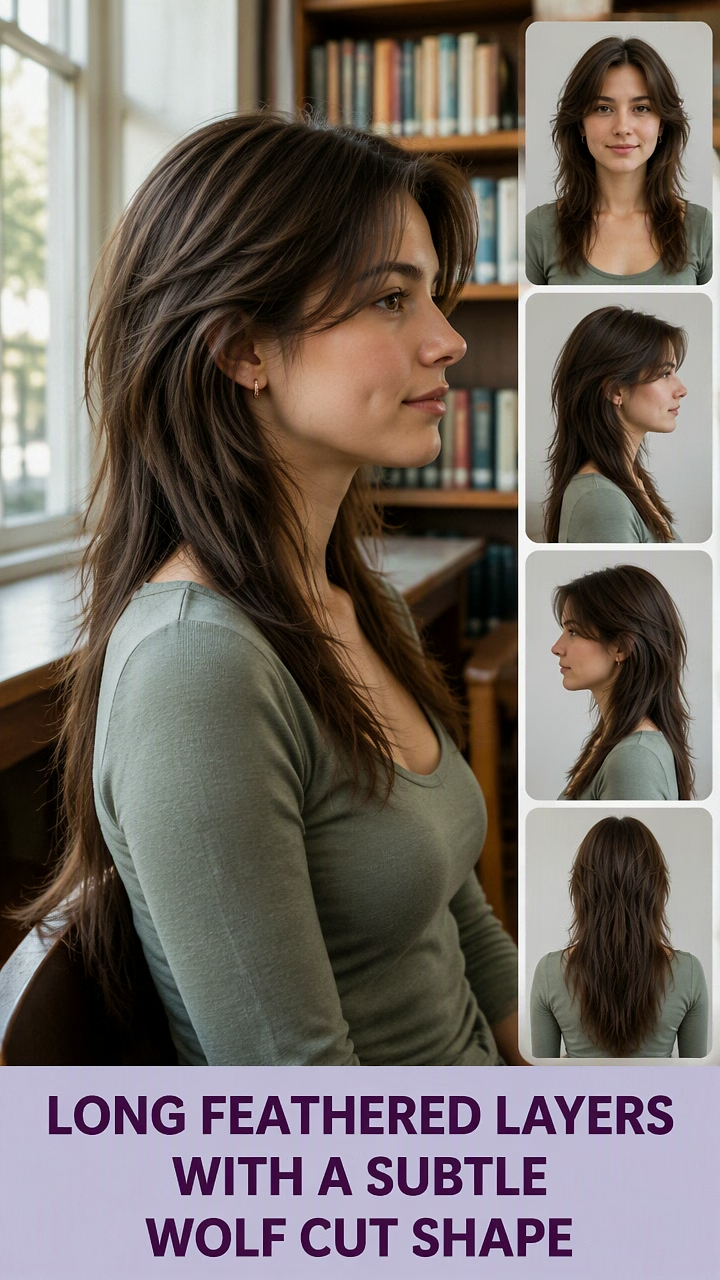
This softer wolf-inspired cut borrows the shag’s crown movement without committing to a dramatic mullet outline. Shorter, textured layers add lift around the top and temples, then gradually blend into long feathered lengths at the back. A piecey fringe or curtain fringe may be included, while the ends remain wispy rather than sharply chopped.
It suits naturally wavy or thick hair that can support visible texture. Straight hair can wear it too, though it may need styling to bring out the separation; fine hair should be layered conservatively. The top-heavy silhouette can add interest around the eyes and cheekbones, so ask your stylist to tailor the fringe and crown length to your features. A small amount of texture cream or mousse and a diffuser can encourage a lived-in finish. Request a long wolf shape with a gradual blend into the back, not a sudden short-to-long step. This cut may need more frequent reshaping than classic long layers, especially around the crown and fringe.
Long Feathered Layers With A Smooth Straight Finish
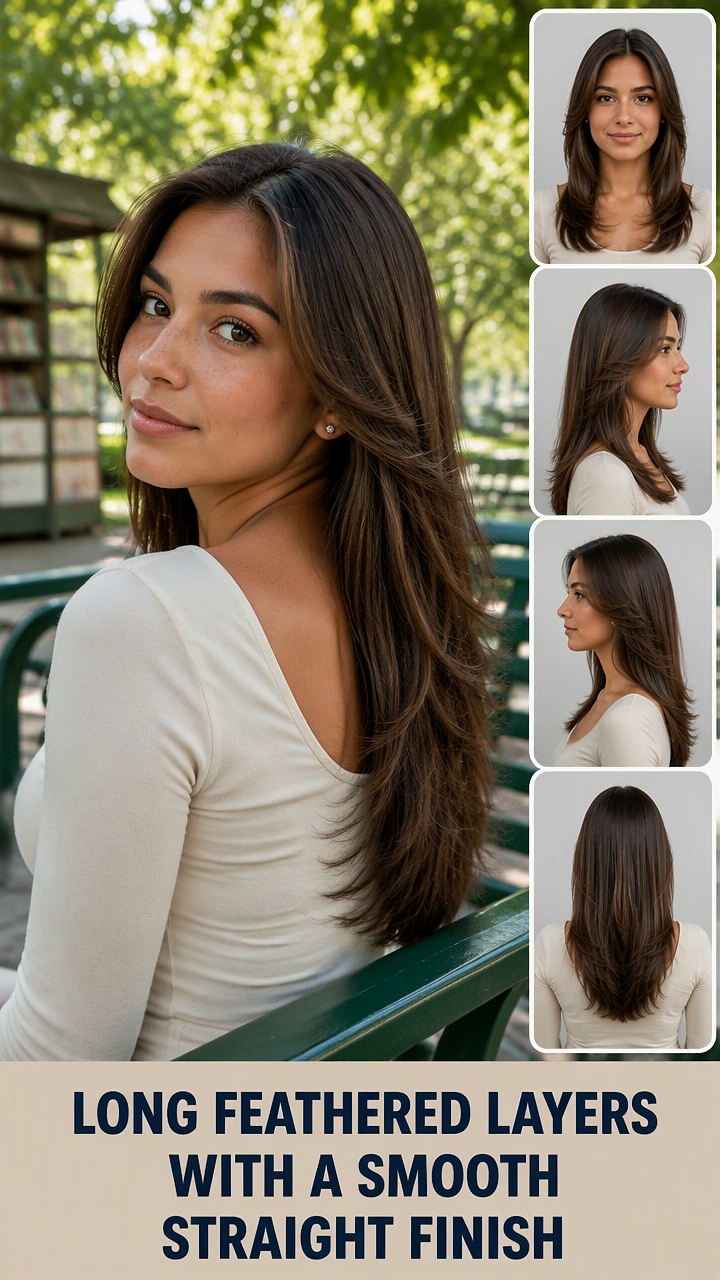
For a clean, elongated look, long feathered layers are kept subtle and finished with smooth, straight lengths. The front pieces frame the face, while the back maintains a full outline with only enough tapering to let the ends move. A center part emphasizes symmetry; a side part gives the same cut a softer, swept quality.
Straight hair displays the layering clearly, while wavy hair can be smoothed for special occasions or left natural on other days. Fine hair benefits from restrained layering, and thick hair may feel lighter with gradual shaping through the mid-lengths. Blow-dry with a paddle brush and use a flat iron only where needed, applying heat protectant first. A light serum on the ends can add polish without flattening the roots. Ask for long, invisible layers and a perimeter that still looks full when the hair is worn straight. This finish takes more heat styling if your natural texture is curly or very wavy. Trims every 8–12 weeks help keep the ends crisp.
Long Feathered Layers With A Tousled Lived-In Texture
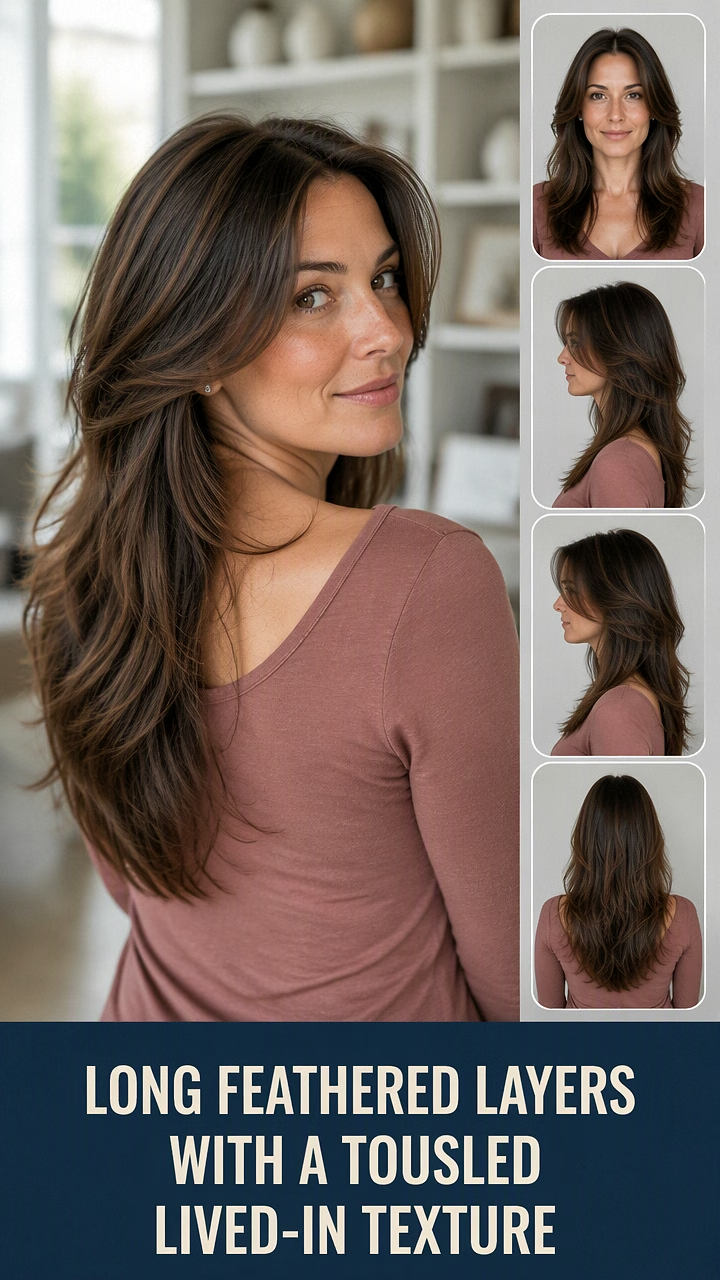
This low-key cut combines long, unevenly spaced layers with delicate feathering through the ends, creating a relaxed silhouette that does not depend on perfect curls. The front can be lightly framed or left almost one length, while the back keeps enough length for ponytails and loose braids. A slightly off-center part adds to the undone effect.
Wavy and medium-textured hair often air-dries into the intended movement, while straight hair can be tousled with a few loose bends. Very thick hair may need internal shaping to avoid bulk; fine hair looks best with fewer, longer layers. Work a small amount of mousse or texture cream through damp lengths, then scrunch or loosely braid as they dry. Ask for a soft, long shag-inspired layer pattern that remains wearable when unstyled. The deliberately imperfect finish is forgiving, but textured products can build up and may need occasional clarifying care. Since the outline is relaxed, appointments every 8–12 weeks are often enough to maintain the overall shape.
Long Feathered Layers With A Full, Rounded Silhouette
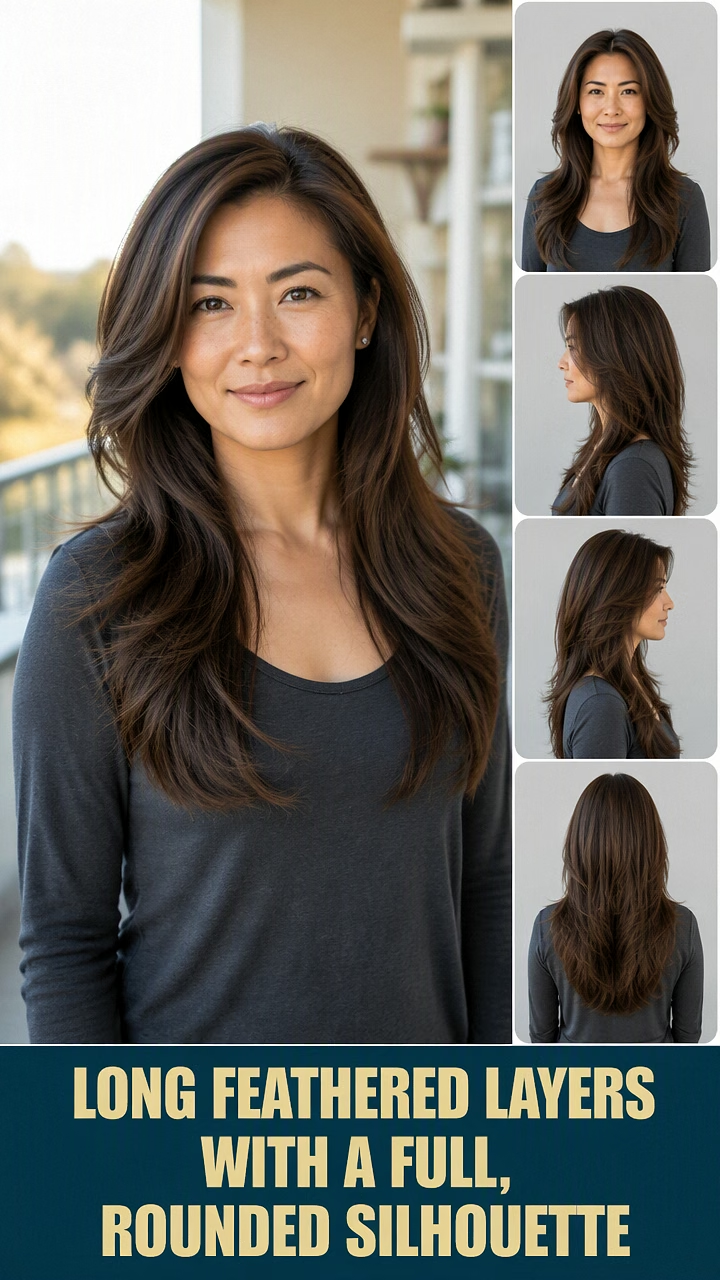
This shape focuses on a generous, rounded outline rather than a sharp V. Long layers graduate gently through the back and sides, creating a soft cascade that looks full from the crown to the ends. Feathered tips prevent the rounded perimeter from appearing heavy, while face-framing pieces can be kept long enough to tuck behind the ears.
It is especially attractive on medium-to-thick hair, though fine hair can achieve a softer version with minimal layering and a fuller baseline. Straight and wavy textures both suit the shape; natural waves add extra dimension without needing a formal blowout. Use a large round brush to encourage lift and curved ends, or air-dry with a smoothing leave-in for a quieter finish. Ask your stylist for a rounded, full perimeter with long, blended layers rather than short crown steps. This option is practical if you want to retain length and avoid frequent styling. A trim every 8–12 weeks helps maintain the curve as the hair grows.
Choose Long Feathered Layers That Feel Like You
The best long feathered hairstyle is the one that fits your real routine as beautifully as it frames your face. Bring your stylist a reference that shows the cut’s shape, then talk through your hair’s density, natural texture, preferred part, and how much time you enjoy spending with a brush or hot tool.
Choose restrained feathering for fuller-looking ends, more visible layers for airy movement, or a fringe when you want a noticeable change without losing length. With a shape and maintenance rhythm that feel comfortable, your layers can look polished, soft, and unmistakably yours.
Sources: https://www.hairstyleeditor.com
Category: Long