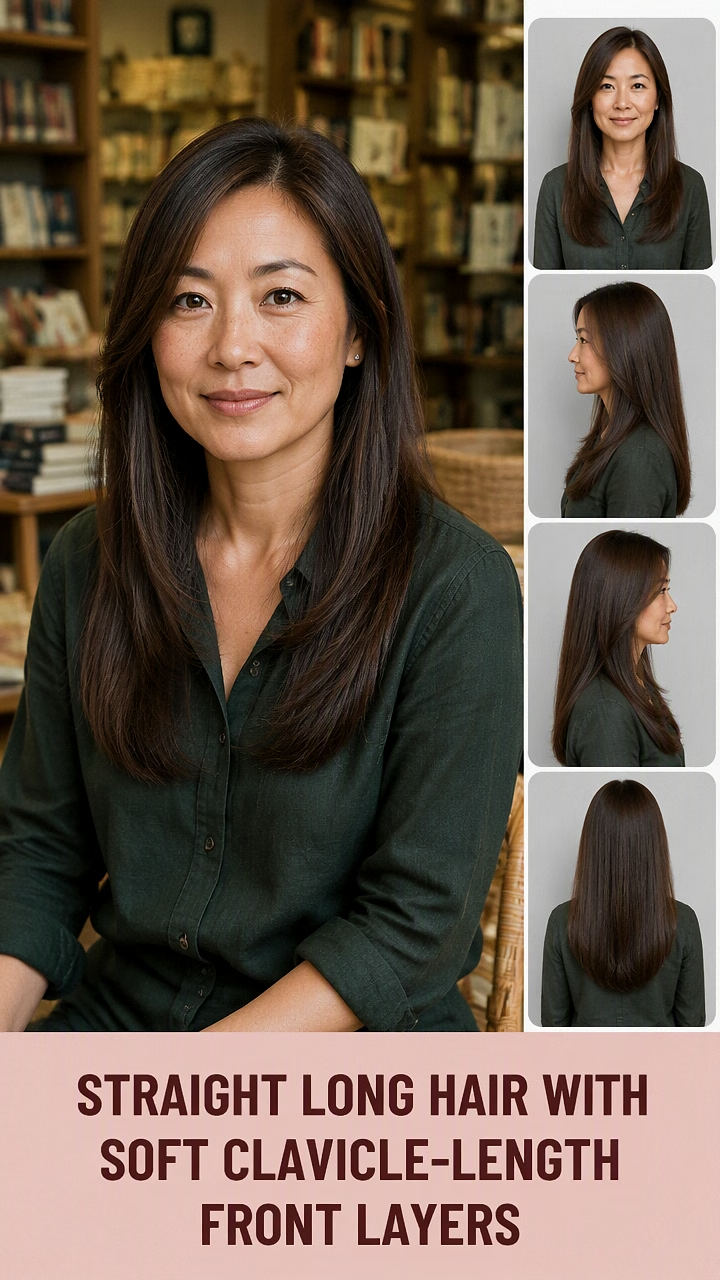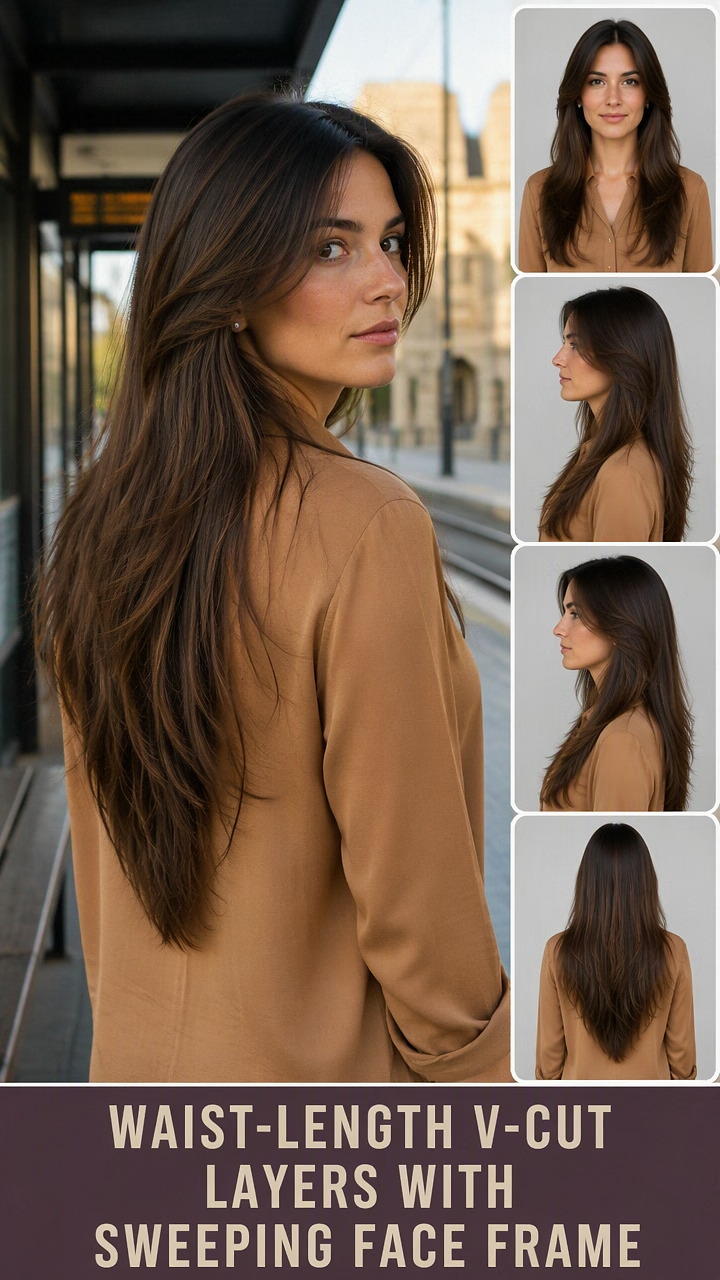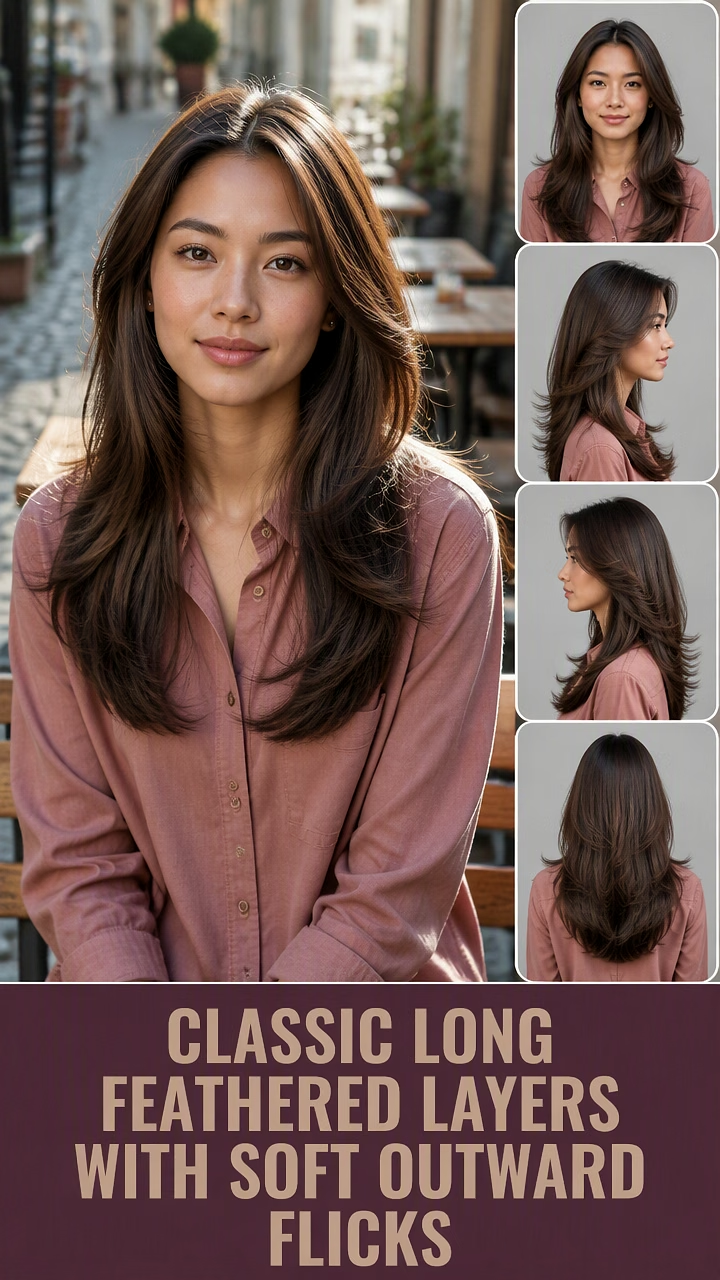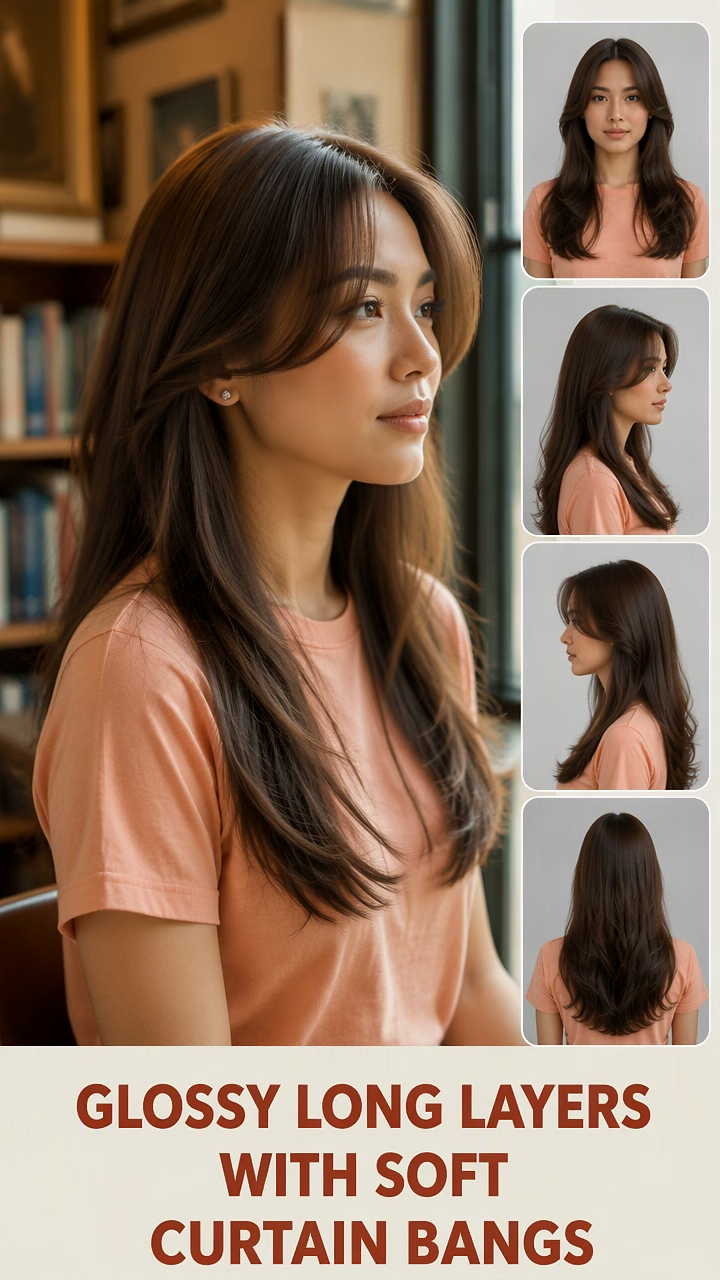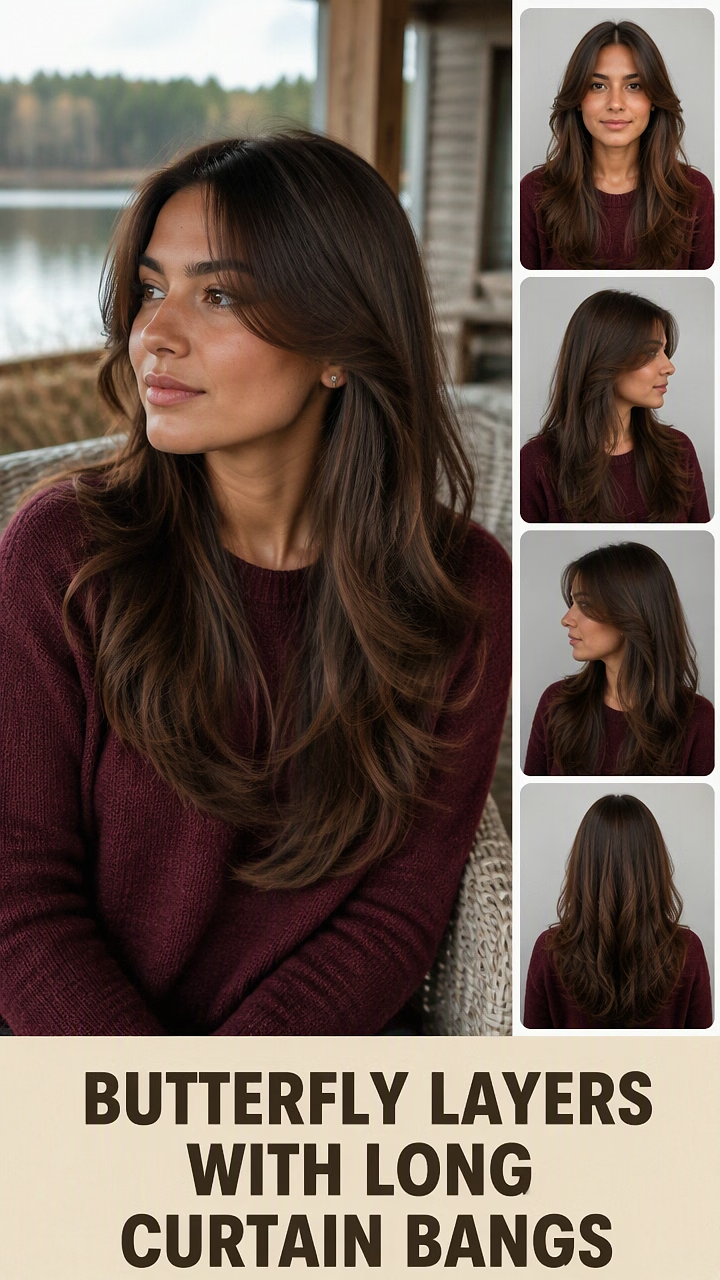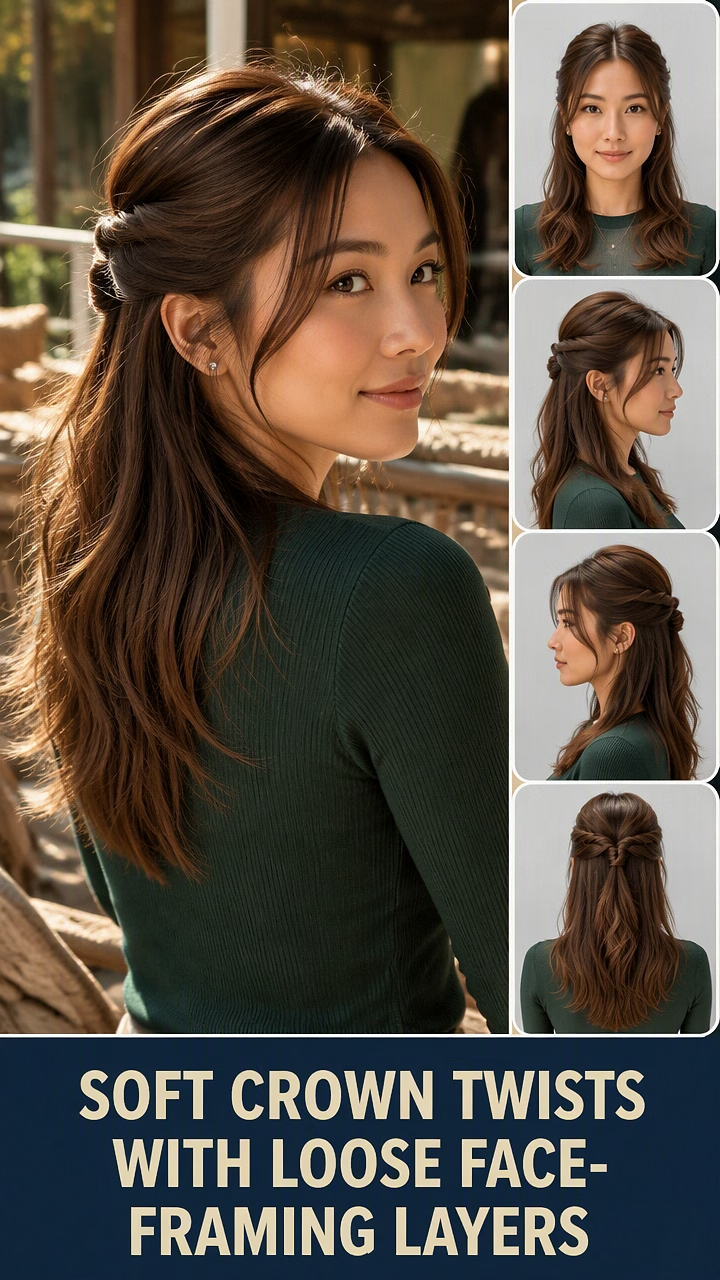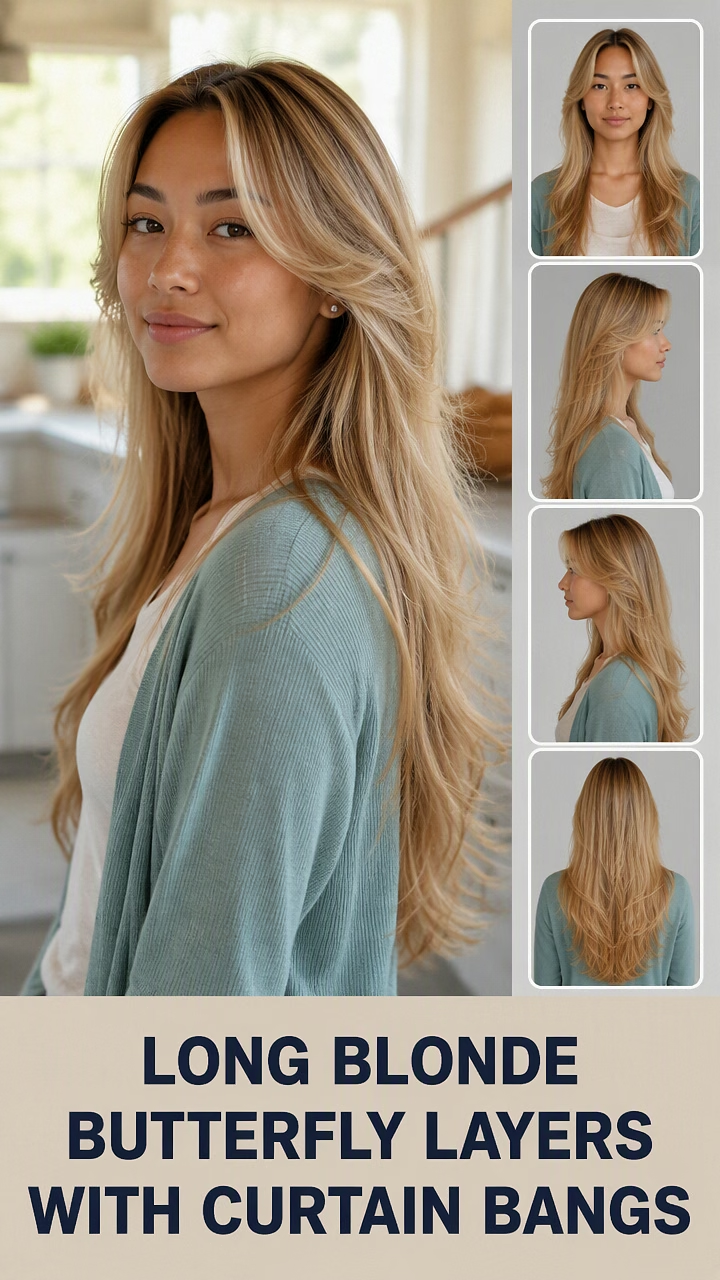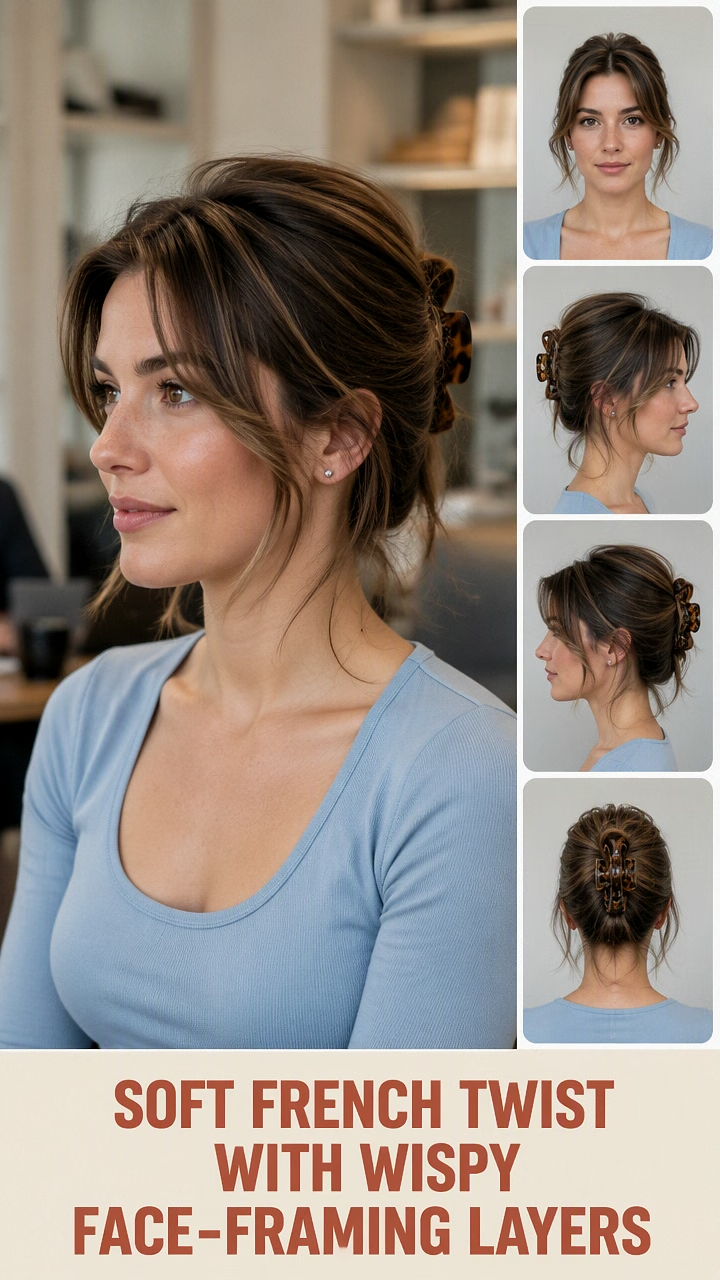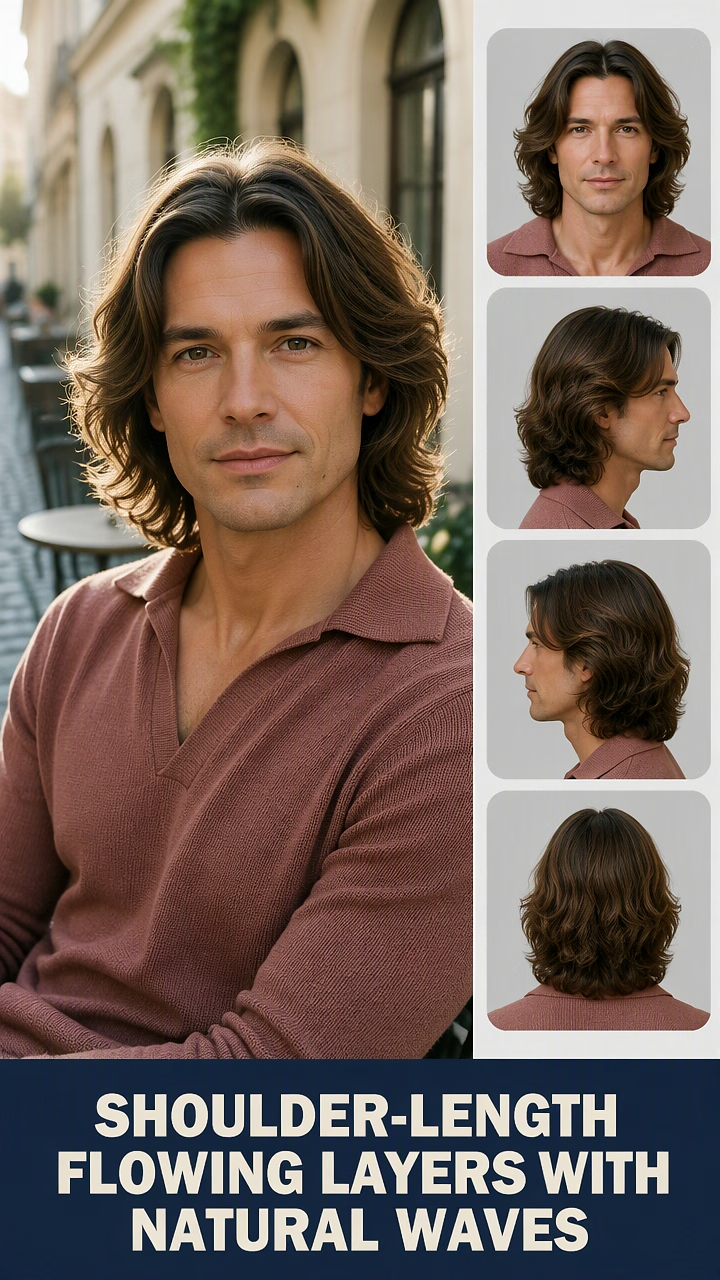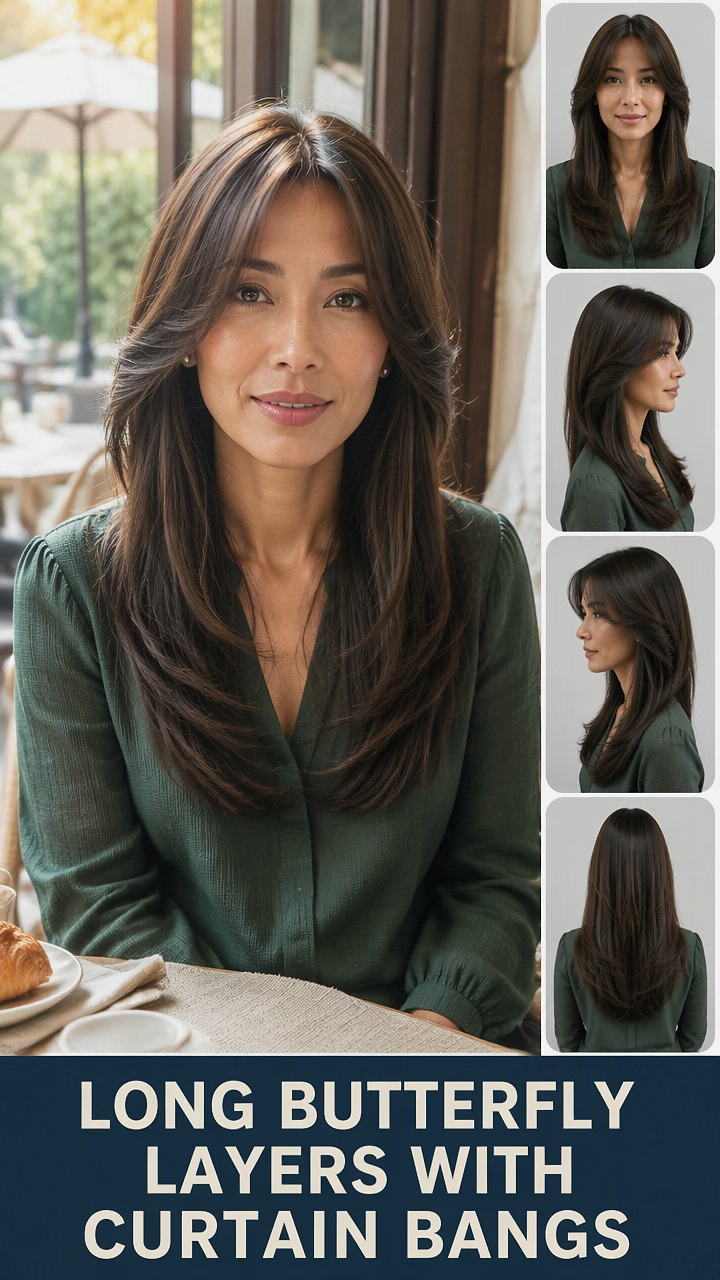
- 25 Long Hairstyles With Layers Straight Hair Lovers Will Adore
- 22 Shaggy Bob for Fine Hair Choppy Hairstyles Layered Haircuts Long to Inspire Your Next Cut
- 26 Shaggy Long Bob Hairstyles Ideas That Feel Fresh, Textured, And Easy To Style
- 27 Messy Long Bob Hairstyles Ideas That Feel Fresh, Textured, And Easy To Style
- 24 Long Pixie Gray Hairstyles Ideas That Make Silver Hair Feel Fresh and Modern
A fresh haircut can change the way you carry yourself without making you feel like someone else. A long shag with a side part has that lovely balance: soft, face-framing movement, a little lift at the roots, and enough length to still feel familiar. Whether your hair is straight, wavy, curly, fine, or thick, the right layers can make it feel more intentional and distinctly yours.
You Are Watching: 24 Long Shag Hairstyles Side Part Ideas For Effortless, Flattering Style
These long shag hairstyles side part ideas range from subtle and polished to tousled and boldly textured. Bring your favorite details to your stylist, then adapt the fringe, layering, and finish to suit your hair’s natural behavior and the amount of styling you enjoy.
Long Shag Hairstyles With A Side Part To Inspire Your Next Cut
Long Feathered Shag With Sweeping Side Bangs
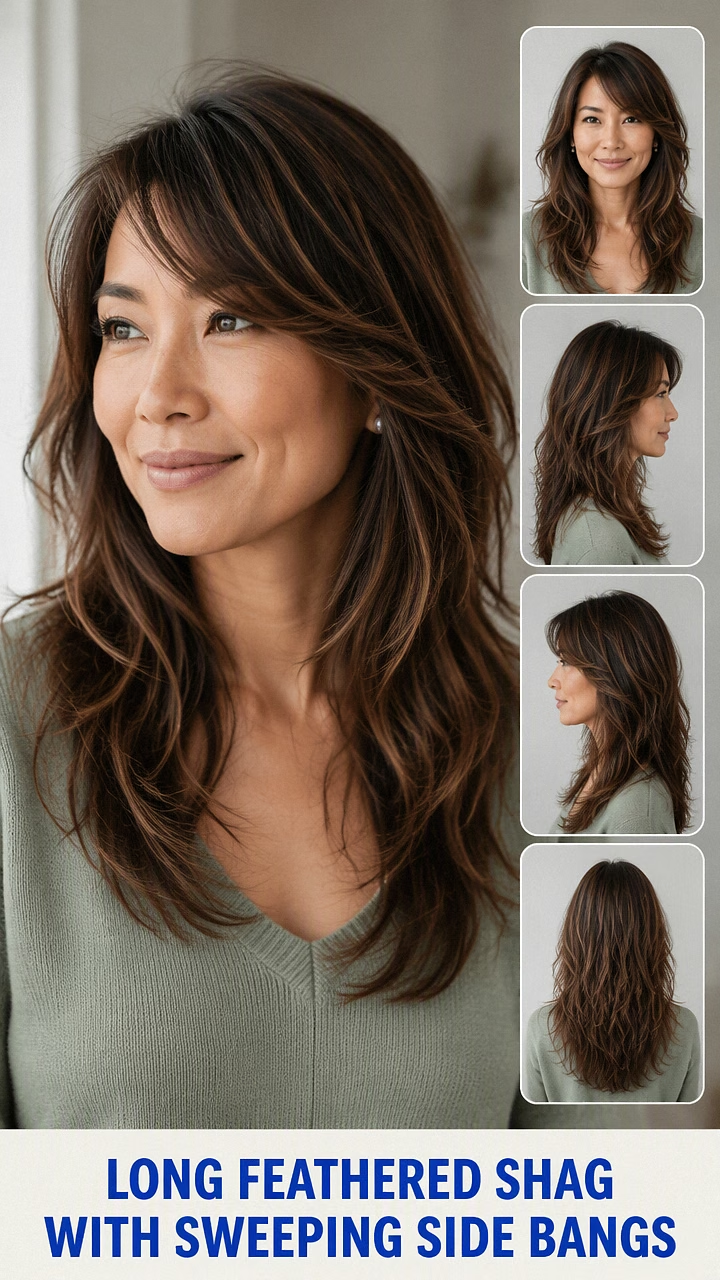
This classic long shag keeps the perimeter below the shoulders, with feathered layers beginning around the cheekbones and cascading into lighter ends. A deep side part sends the fringe across the forehead, then blends it into the longer face-framing pieces for a soft, sweeping outline.
It works beautifully on straight or softly wavy hair, especially medium-density strands, and can add flattering width around a longer or oval face. Warm chestnut, dark blonde, or subtle ribbons of caramel help reveal the layers without making the cut look busy. For everyday lift, blow-dry the fringe with a small round brush and scrunch a little mousse through the lengths; a diffuser can enhance natural waves. Ask for long, airy layers rather than excessive thinning. Refresh the shape about every 8–12 weeks; the fringe may need a tidy sooner. The trade-off is that bangs look most polished with a little daily styling.
Soft Long Shag With A Shallow Side Part
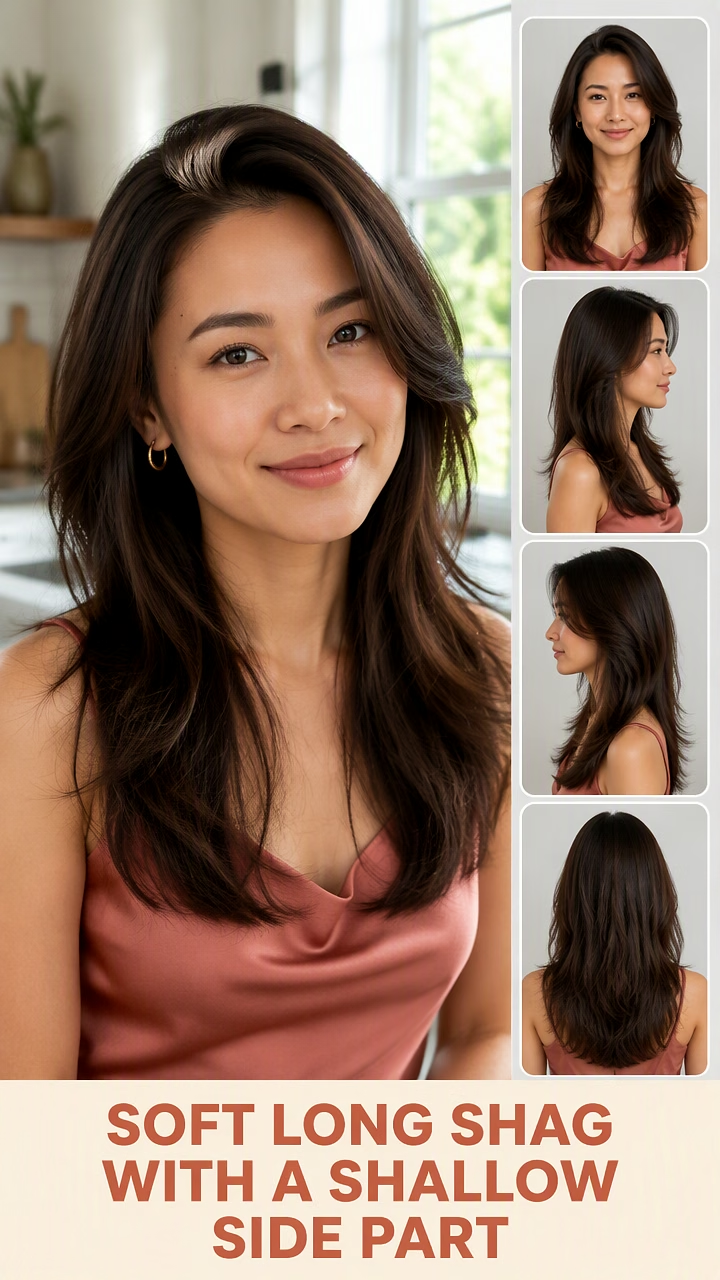
A shallow side part gives this long shag an easy, understated tilt rather than dramatic asymmetry. The length stays around the chest or mid-back, while gentle layers begin near the collarbone and softly open around the face. The ends remain full enough to avoid a wispy silhouette, making this a comfortable first shag for anyone who wants movement without a major transformation.
Straight, fine, and medium-textured hair can all wear it; the restrained layering is especially helpful when you want to preserve fullness. A soft brunette, espresso, or natural-looking bronde keeps the finish quietly dimensional. Apply lightweight root mousse, then air-dry or use a round brush just around the front. Ask your stylist to keep the back relatively solid and customize only the front layers. A shape-up every 10–12 weeks is usually enough. It is low-fuss, though very straight hair may need a quick bend from a curling iron to show the shaggy movement.
Wavy Long Shag With Windblown Face Framing
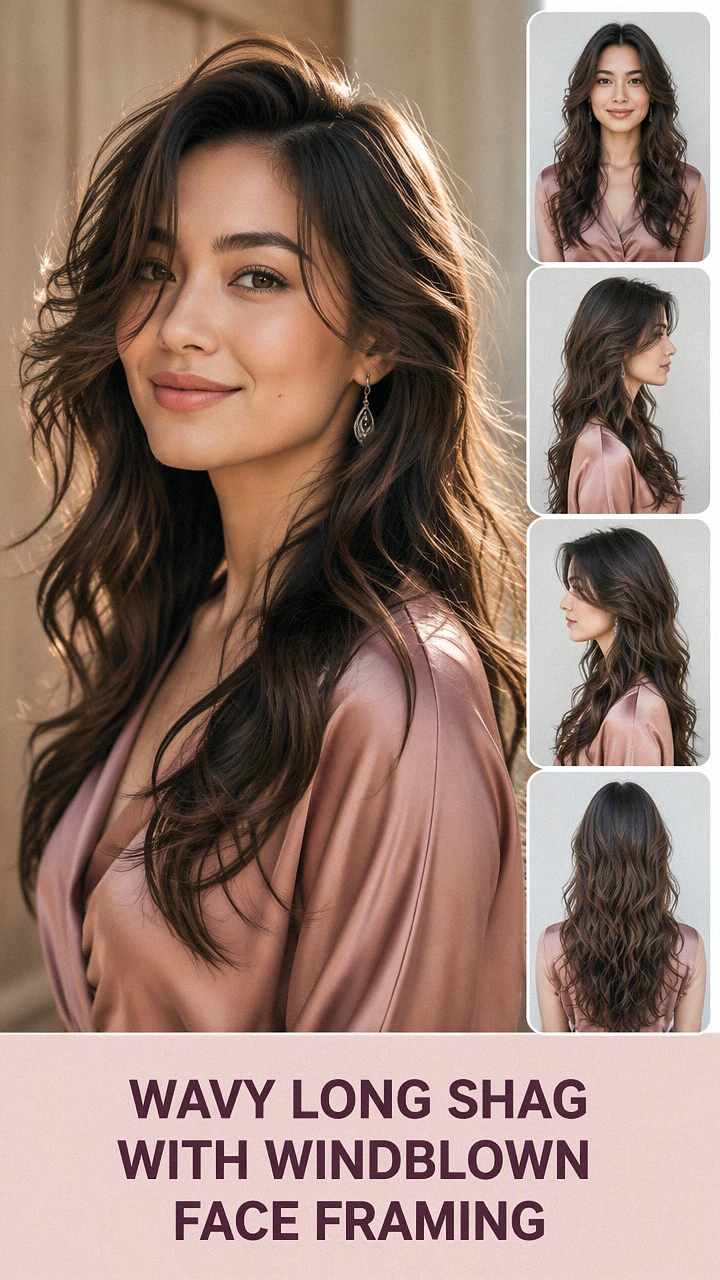
This version is designed to move: long, separated layers start around the cheekbones and travel through the mid-lengths, while the back falls in a soft, irregular cascade. A relaxed side part lets one front section sweep forward and the other tuck behind the ear, creating that breezy, windblown shape without sacrificing length.
Natural waves and medium-to-thick hair show the texture especially well. A neutral brunette with fine highlights, or a sunlit dark blonde, brings out the bends as they catch the light. Work curl cream or a light texturizing spray through damp hair, then diffuse gently or let it air-dry. Ask for layers that encourage your natural wave, not a uniform set of short steps. Trim every 8–12 weeks to keep the ends lively. This cut can look wonderfully undone, but humidity or frizz-prone hair may need a smoothing leave-in and a little extra finishing time.
Long Straight Shag With Blended Side Fringe
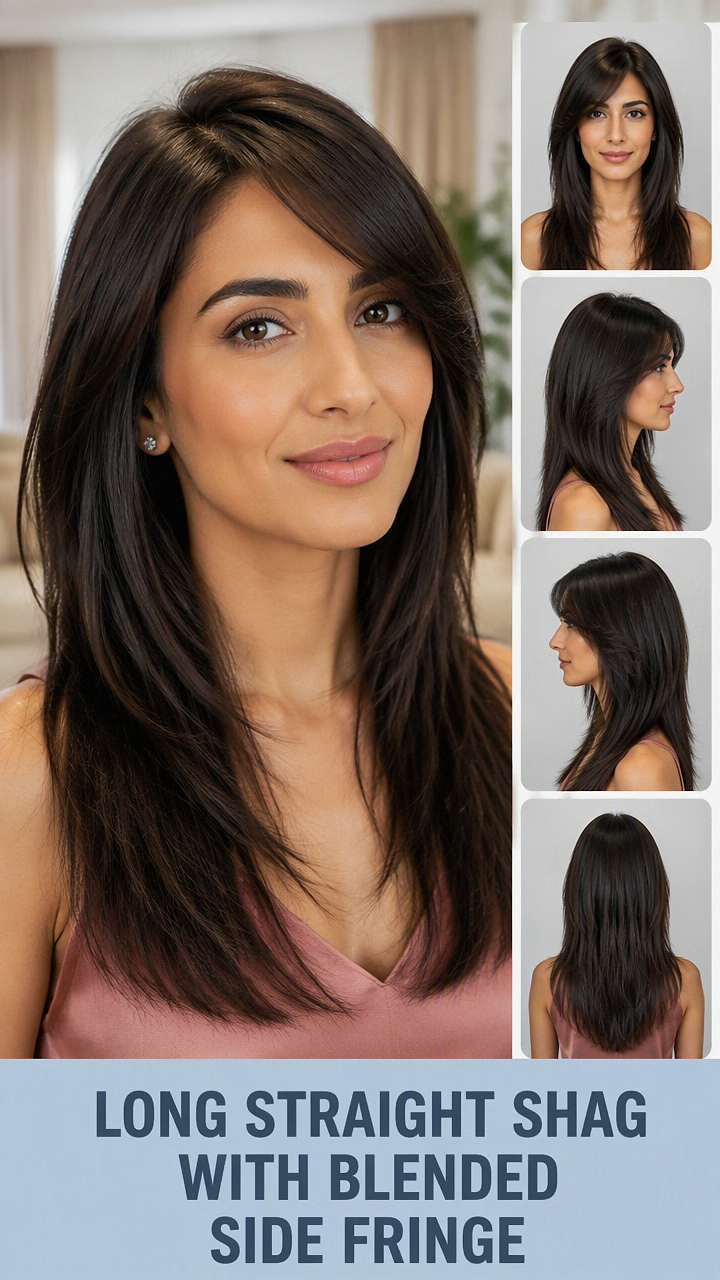
For straight hair, long gradual layers provide the shag’s shape without forcing a wavy finish. The shortest pieces begin around the jaw, then blend into longer layers that preserve the length and create a gentle swing at the ends. A side fringe skims the brow and lengthens toward the cheek, so it merges naturally rather than sitting like a separate block of bangs.
Fine or medium straight hair can benefit from the movement, while a softly curved perimeter helps the ends look substantial. Glossy espresso, natural black, or rich chestnut makes the layered outline clear through shine and shadow. Blow-dry the fringe with a round brush and direct the roots away from the part for lift; use a light smoothing cream on the ends. Ask for soft, connected layers and a fringe that can be tucked away. Refresh every 8–10 weeks. Very straight hair may need daily blow-drying to keep the front from falling flat.
Thick Long Shag With Internal Weight Removal
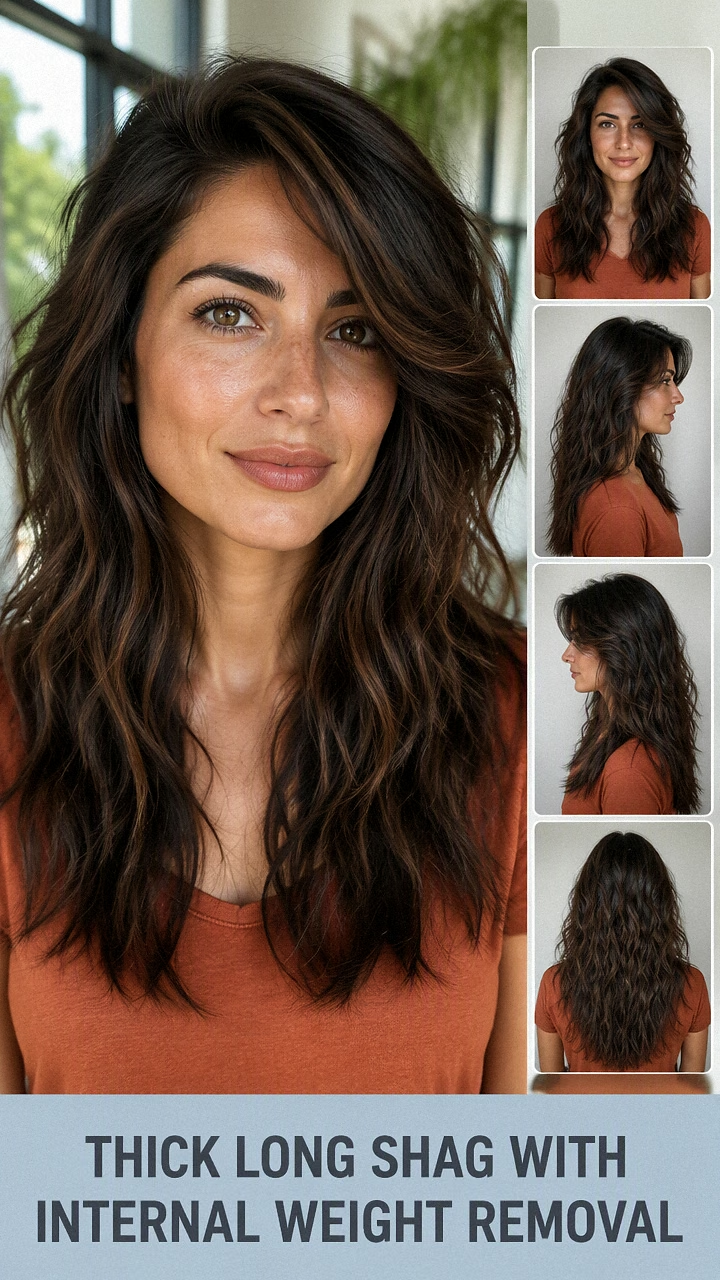
This full-bodied shag keeps the hair long but uses internal layers to release heaviness through the mid-lengths. The outside shape stays rounded and touchable, with shorter pieces around the face and a long, softly textured perimeter at the back. A deep side part gives the front a graceful sweep and prevents dense hair from reading as one solid curtain.
It suits thick, coarse, or naturally wavy hair, particularly when the sides tend to feel bulky. Rich chocolate, warm black, or understated copper accents show dimension between the layers. Ask your stylist to remove weight internally while preserving a strong outline, and to work with your natural growth pattern. A diffuser or large round brush can shape the front; a small amount of smoothing cream helps settle the ends. Schedule a trim every 8–12 weeks. The main trade-off is that the cut needs thoughtful execution: too much texturizing can make thick hair expand or leave the ends sparse.
Long Curly Shag With A Defined Side Sweep
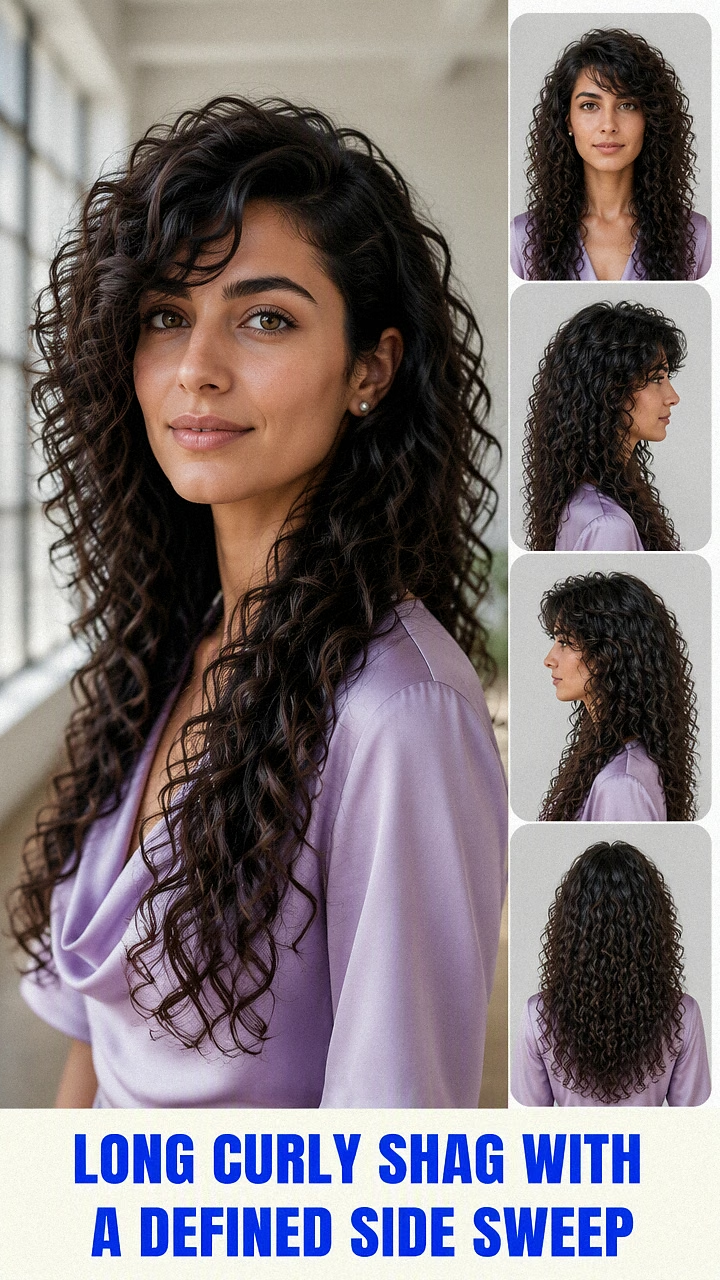
A curly long shag follows the curl pattern rather than forcing every section into the same length. Layers begin around the cheekbones or chin, then step down through the back to create a rounded, buoyant silhouette. A side part sends the fullest curls across the forehead and gives the front a dramatic sweep, while the longest curls keep the look unmistakably long.
This shape suits natural curls with medium or high density and can soften angular faces or balance a longer face with side volume. Deep brunette, warm black, or subtle caramel pieces let individual ringlets catch light. Apply leave-in conditioner and curl cream to soaking-wet hair, then diffuse on low or air-dry without brushing. Ask for a curl-by-curl shape that respects shrinkage. Refresh the layers about every 10–12 weeks. Curls can sit differently from one day to the next, so the result is lively rather than perfectly uniform; allow time for careful drying when definition matters.
Long Shag With Short Curtain Fringe Swept Aside
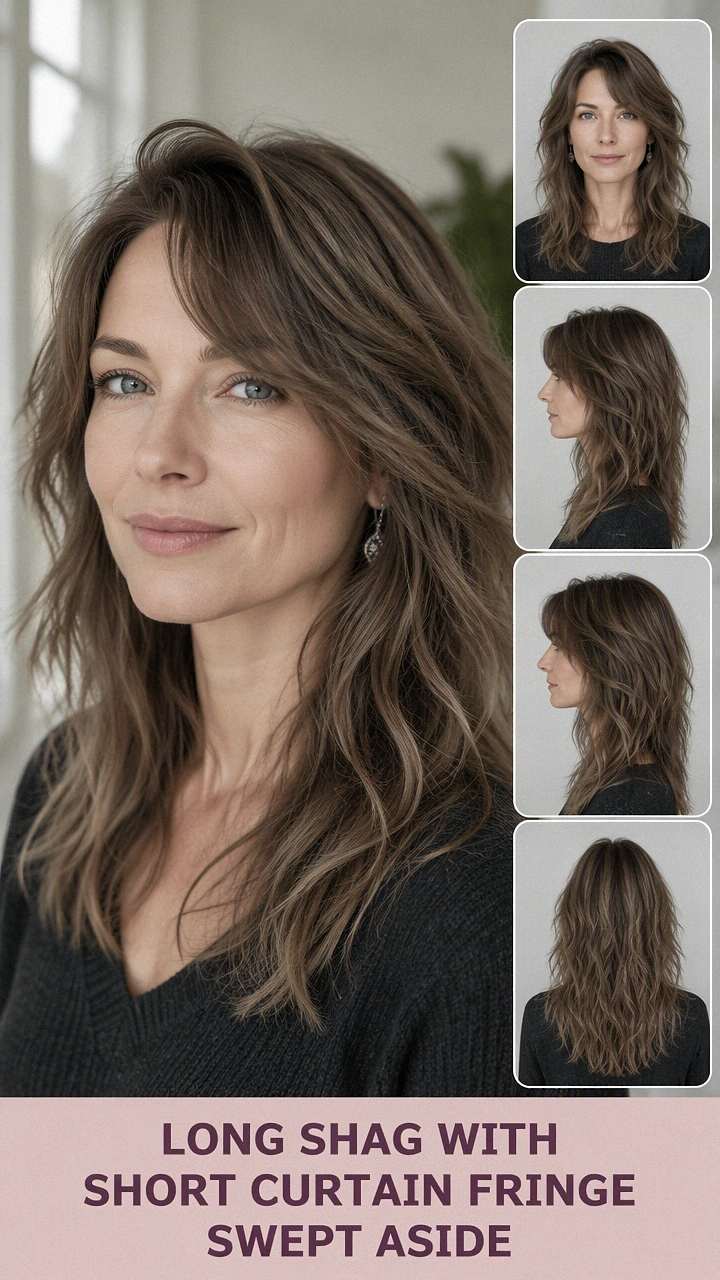
This look pairs long, choppy layers with a short curtain fringe that can be nudged toward either side. The fringe opens at the center but is styled with a side part, creating a soft diagonal across the forehead; its longer outer pieces blend into cheekbone-length layers. The back remains long and loose, with textured ends that keep the silhouette from feeling too formal.
Straight, wavy, and loosely curly textures can wear it, though the fringe should be tailored to your natural pattern. It flatters oval and heart-shaped faces particularly well, while the sweeping outer edges can soften a broad forehead. A lightweight mousse and round brush give the fringe direction; texture spray brings out the layers. Ask for a flexible curtain fringe, not a dense blunt bang. Fringe trims every 4–6 weeks help preserve the shape, with a full cut every 8–12. The shorter front needs more attention than a no-bang shag, especially on humid or unruly days.
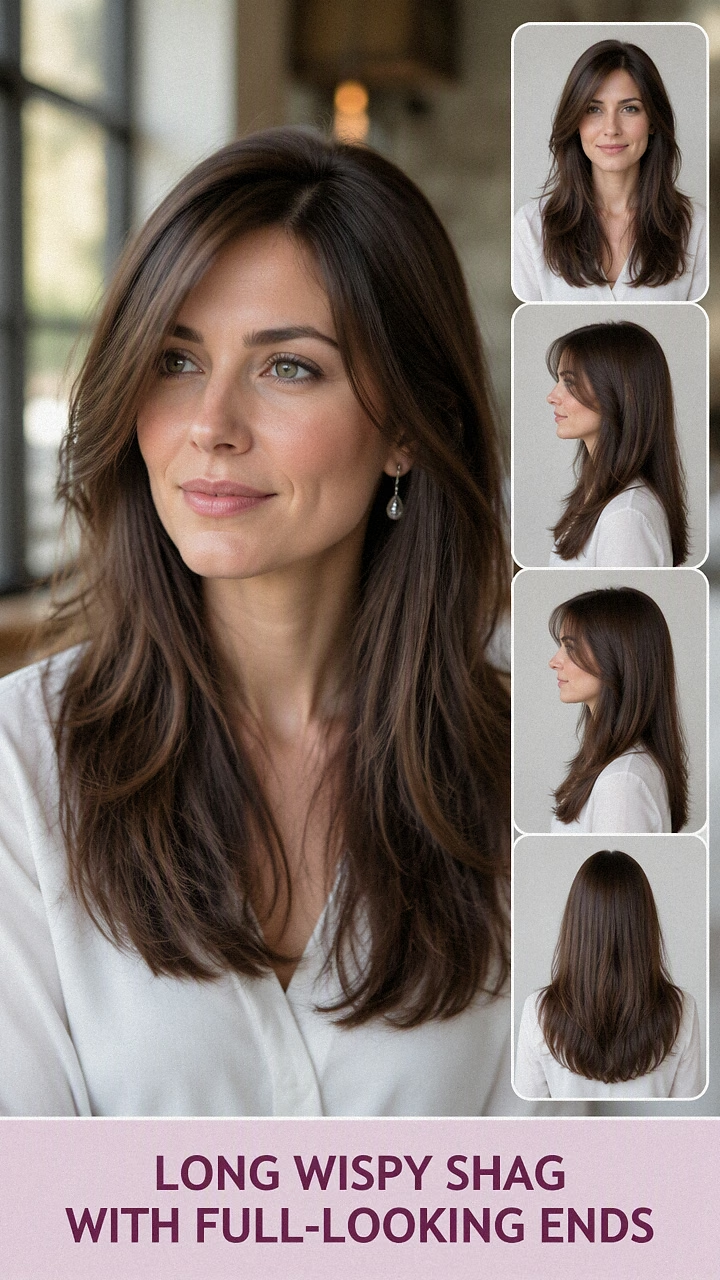
Long Wispy Shag With Full-Looking Ends
Read more : 25 Pixie Hairstyles Long on Top Ideas That Make Short Hair More Versatile
Wispy texture does not have to mean thin-looking hair. This long shag keeps a substantial, softly rounded perimeter while adding fine, blended layers around the face and through the mid-lengths. A gentle side part moves the front away from the eye, and the lightest pieces taper softly rather than ending in visibly jagged points.
It is a thoughtful option for fine or low-density hair, as well as straight or lightly wavy strands that need shape without losing too much weight. Natural brunette, soft black, or a single-dimensional gloss keeps the ends looking cohesive. Use a lightweight volumizing mousse at the roots and a large round brush to lift the front; skip heavy oils near the ends. Ask your stylist for subtle layers and a full perimeter, avoiding aggressive thinning. Trim every 10–12 weeks. This quieter shag is easy to wear, but it will not create the dramatic, choppy separation of a heavily layered cut.
Long Shag With Cheekbone-Length Side Layers
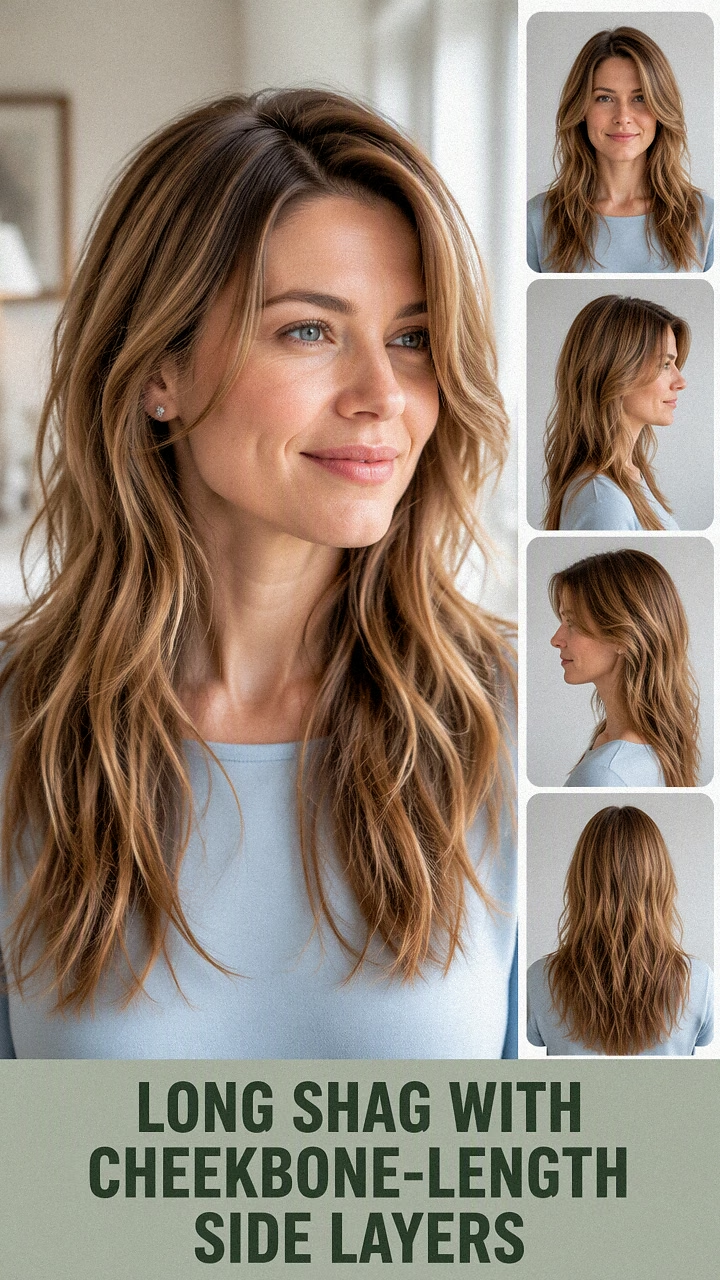
The defining feature here is a long face frame that begins at the cheekbones and sweeps diagonally into the rest of the cut. Layers through the body stay elongated, so the back still reaches the chest or below, while the ends have enough texture to move. A pronounced side part makes the cheekbone pieces fall forward in a flattering, curtain-like arc.
Medium and thick hair show the sculpted framing especially well, and soft waves make the transition look seamless. It can bring softness to square or heart-shaped faces and add interest to an oval face. Try warm brunette with caramel accents or a dimensional dark blonde. A round brush or large-barrel iron can flick the front away from the face; use a flexible-hold spray to keep the bend soft. Ask for cheekbone-length framing blended into long layers. Revisit the cut every 8–12 weeks. The front pieces require some styling to hold their sweep, but they can also be pinned or tucked as they grow.
Long Shag With Flipped Farrah-Inspired Layers
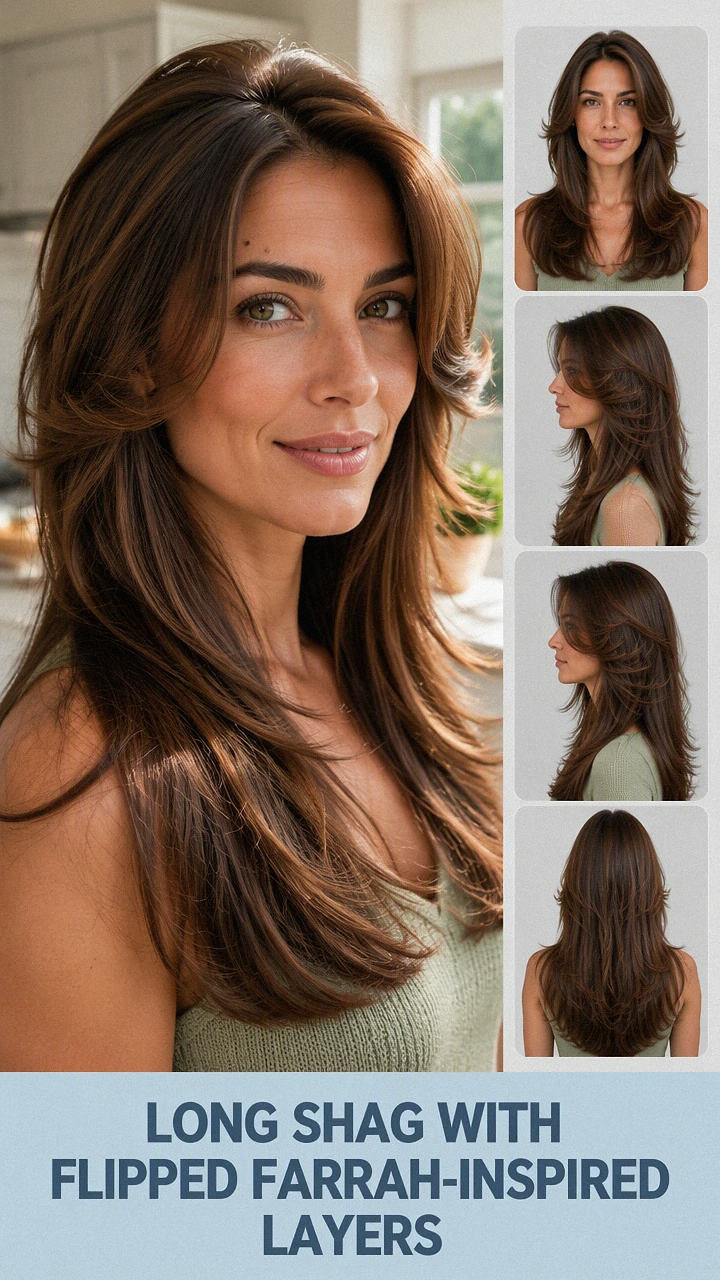
A retro-inspired long shag gets its signature shape from shorter layers around the crown and feathered sections that flip outward at the cheekbones and ends. The deep side part adds height on one side, while the long back keeps the look relaxed rather than costume-like. The result is airy at the top and lively through the lower lengths.
Fine or medium straight hair can hold the feathered outline well; naturally wavy hair gives it a softer, less polished finish. Chestnut, honey blonde, and warm bronde emphasize the sweeping layers, though a glossy single tone works too. Blow-dry the shorter pieces away from the face with a round brush, then use a large-barrel iron only where needed. Ask for connected feathered layers, not a blunt crown shelf. Trim around every 8–10 weeks to maintain the flip. This is one of the more styled options, so it may take a few minutes with a brush on mornings when you want the full retro effect.
Long Shag With Side Part And Piecey Fringe
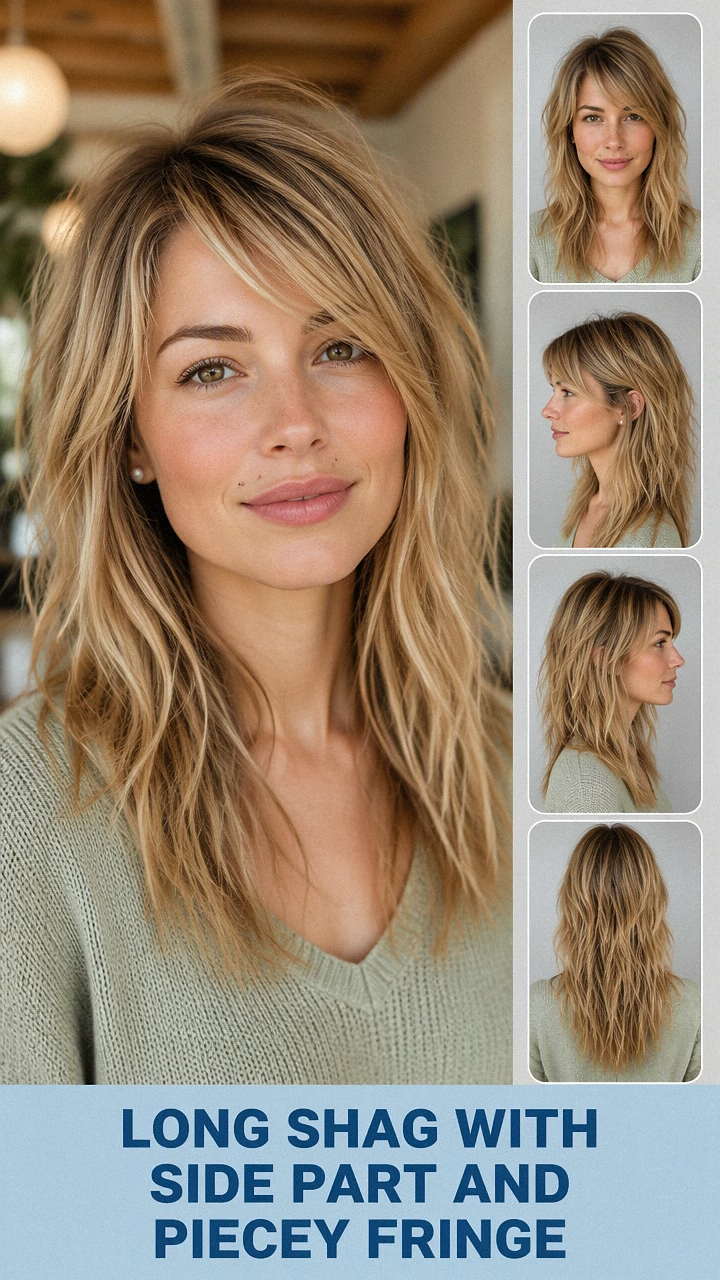
Piecey fringe adds a casual, beachy edge to long, textured layers. The bangs are cut with soft separation and sweep across the forehead from a side part, while the longer sides blend into face-framing layers around the jaw. Through the back, choppy mid-length layers create lift and movement without changing the overall long shape.
This works well on medium-density straight or wavy hair and can soften a round or square face when the fringe is kept angled. Sandy blonde, sunlit brown, or subtle copper tones highlight the separated pieces. Scrunch a little texture cream or sea-salt spray into damp lengths, then air-dry or diffuse; smooth the fringe with a small brush if needed. Ask for airy, piecey bangs that can be swept aside and blended into the layers. Bang trims every 4–6 weeks keep them out of the eyes, while the full cut can wait 8–12. The fringe is intentionally imperfect, but may need daily shaping.
Long Espresso Shag With Soft Swooping Layers
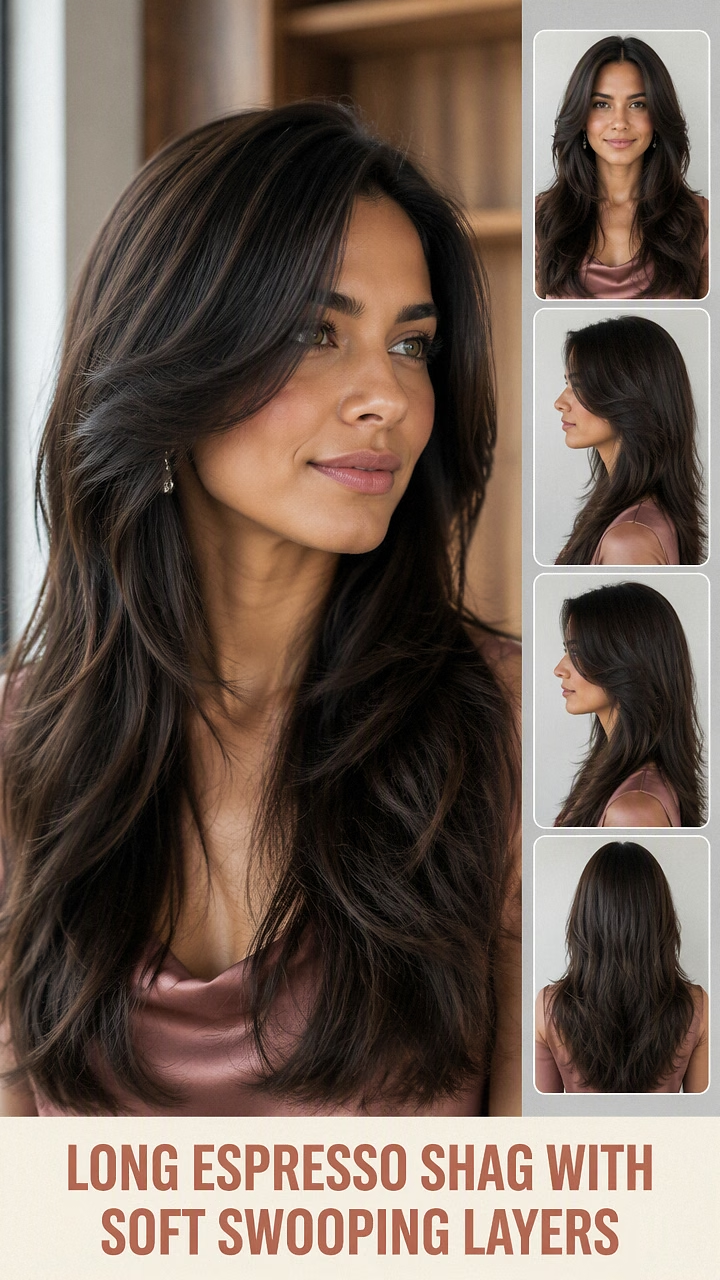
Deep espresso color gives this shag a sleek, polished mood, while smooth, sculpted layers keep it from appearing heavy. The shortest pieces sweep from a deep side part across the cheek, then curve back into longer layers that flow down the chest. Ends are lightly textured but not overly shredded, balancing movement with a glossy, substantial finish.
It suits medium or thick straight-to-wavy hair and is especially lovely when you want a more refined alternative to a beachy shag. The side sweep can soften an angular jaw or draw attention to the eyes. Use a heat protectant and a round brush to shape the front, finishing with a light serum on the ends. Ask for long, sculpted layers with a soft perimeter and a side fringe that blends. A cut refresh every 8–12 weeks keeps the sweep intentional. The glossy finish takes more blow-drying than an air-dried shag, and very fine hair may need root lift to support the shape.
Long Shag With Copper Waves And Choppy Ends
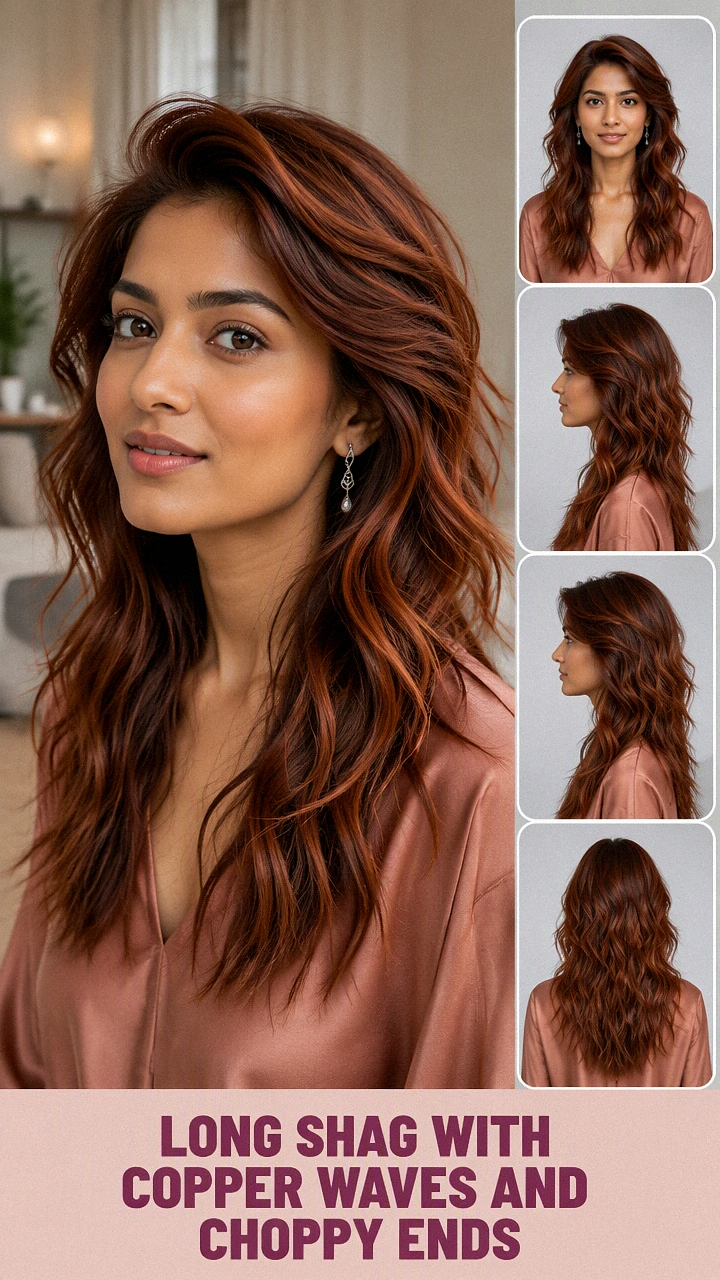
Copper color brings warmth to a shag with loose waves, choppy mid-length layers, and a long, textured outline. The side part gives one front section a fuller sweep, while the ends separate into soft, irregular points rather than a blunt line. Keep the layers graduated from the cheekbones downward so the movement stays connected from front to back.
Natural waves and medium-to-thick hair make the cut especially easy to wear; straight hair can also show the shape with a few bends from a curling iron. The copper family ranges from soft auburn to brighter ginger, so choose a tone that feels harmonious with your natural coloring. Use curl cream or texture spray, then diffuse or scrunch dry. Ask for choppy ends without removing too much weight. Trim every 8–10 weeks, and plan color refreshes according to how vivid you want the copper to remain. The color may need more upkeep than the cut, while the waves themselves are forgiving.
Long Shag With Dark Roots And Lived-In Blonde
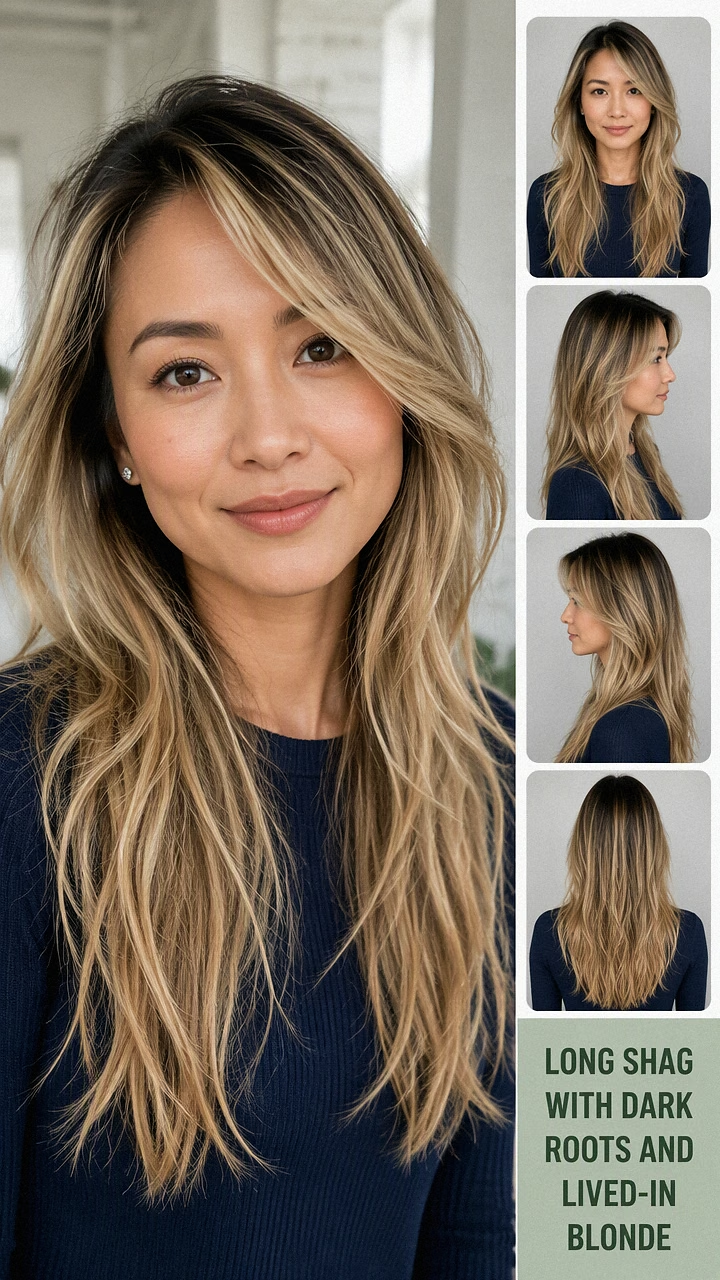
Rooted blonde keeps this long shag relaxed and dimensional, with a darker base melting into softly varied blonde lengths. Layers begin near the jaw and continue through the back, creating movement that is visible even when the hair is worn loose. A side part lets the brighter face-framing pieces fall diagonally, while the longer ends stay airy rather than overly feathered.
It suits straight or wavy hair with fine to medium density and is a practical choice for anyone who prefers a softer grow-out than an all-over blonde. Ask your colorist for a blended root and restrained brightness around the face. At home, use a lightweight heat protectant and a texturizing spray; a quick bend with a curling wand brings out the layers. Request long, blended shag layers that preserve the perimeter. Shape the cut every 8–12 weeks; color appointments depend on the desired contrast. Blonde maintenance can involve toning and care, so this is not the lowest-effort color choice.
Long Shag With Soft Curtain Layers And Side Part
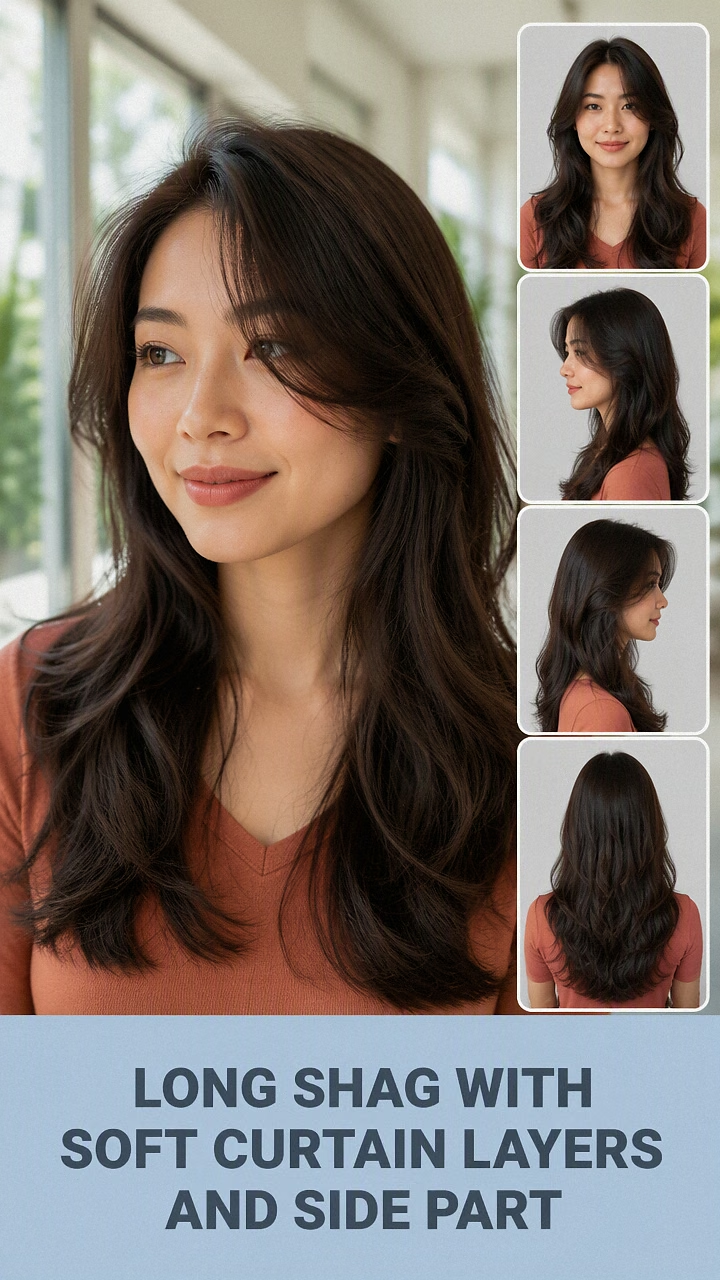
This gentle hybrid combines curtain-like framing with the asymmetry of a side part. The front pieces part loosely, then sweep across the brow and curve toward the cheekbones; below them, long layers fall in a soft cascade to the chest or mid-back. The ends stay smooth and rounded, giving the style a softer outline than a strongly choppy shag.
Fine, medium, or wavy hair can wear it, and the open front makes it adaptable for oval, heart, and longer face shapes. A natural brunette or subtle bronde keeps the effect understated, while fine highlights can brighten the face frame. Apply a little root mousse and use a round brush to direct the fringe; on relaxed days, tuck it behind the ear. Ask for curtain layers that blend into the long shag and remain wearable when parted to the side. Trim every 8–10 weeks, with fringe shaping as needed. The front needs occasional styling to keep its curved shape.
Long Shag With Crown Lift And Tapered Layers
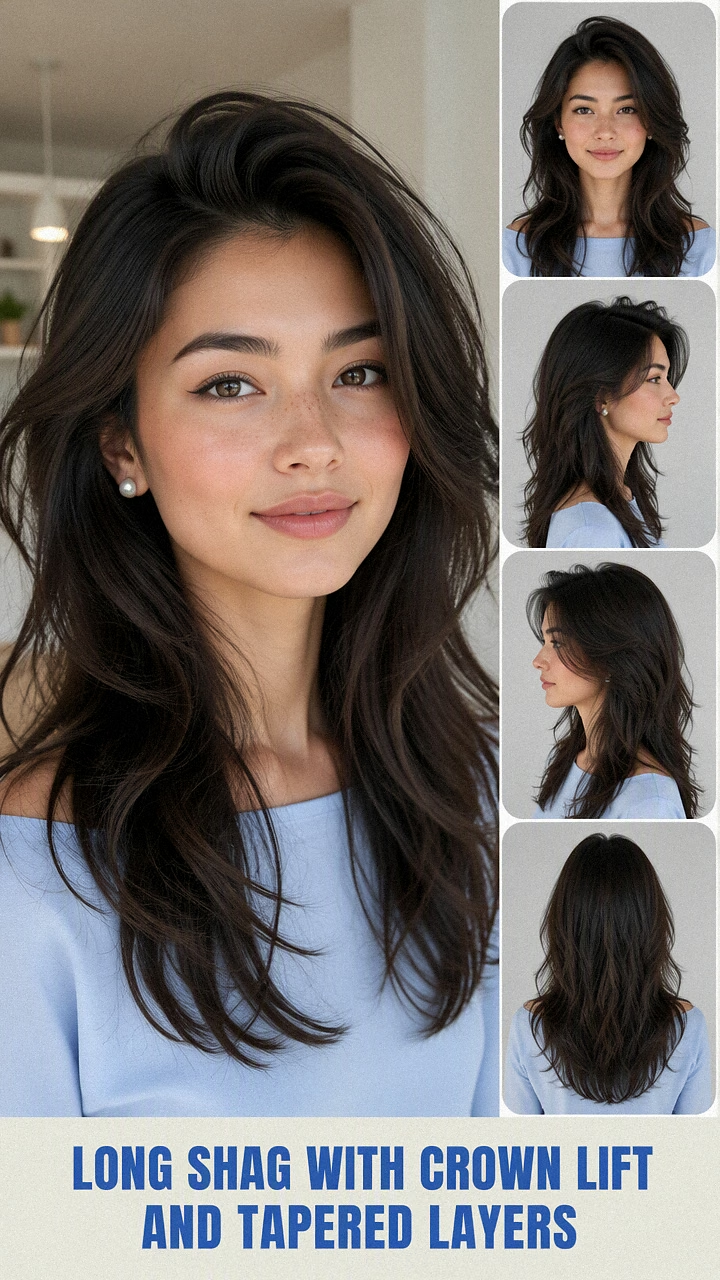
Shorter, carefully blended layers around the crown give this long shag a buoyant top without turning it into a short, choppy cut. The lengths taper gradually from the upper back toward the ends, while a deep side part creates extra lift on the fuller side. Face-framing pieces fall around the cheek and jaw, balancing the volume at the crown.
Read more : 22 Long Hairstyles With Front Layers That Feel Fresh And Flattering
Fine or medium hair that tends to lie flat can benefit from the shape, and soft waves add natural separation. It can flatter oval and longer faces, especially when the side volume is kept soft rather than tall. Work volumizing mousse into the roots and lift with a round brush; a diffuser is an easier option for natural waves. Ask for blended crown layers that connect smoothly to the length. Refresh every 8–10 weeks so the top layers do not lose their shape. The crown lift may require a brief blow-dry, and overly short layers can be difficult to tie back.
Long Shag With A Soft V-Shaped Back
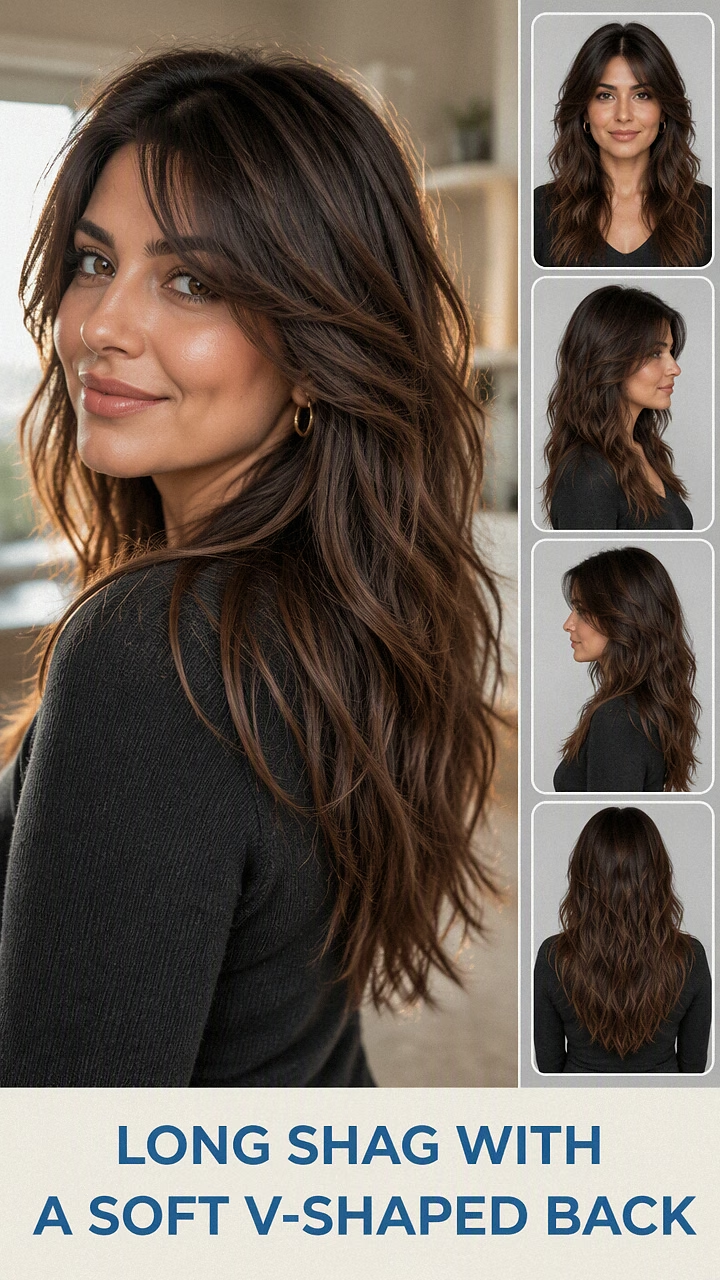
From behind, this long shag finishes in a gentle V, with the center back reaching a little lower than the sides. Long layers follow that outline, while the front is cut shorter around the face and swept diagonally from a side part. The shape feels fluid and elongated, with textured ends that move rather than forming a heavy, straight line.
It suits thick or medium-density hair that has enough length to show the back shape, and loose waves make the V appear especially graceful. A deep brunette, warm black, or subtle balayage emphasizes the outline without distracting from it. Use a large-barrel iron to add a few bends, or air-dry with curl cream if your hair waves naturally. Ask your stylist for a soft V perimeter and connected long shag layers. Trim every 10–12 weeks to keep the point balanced. The V can make fine ends appear less full, so ask for a shallower shape if preserving density is important.
Long Shag With A Rounded U-Shaped Perimeter
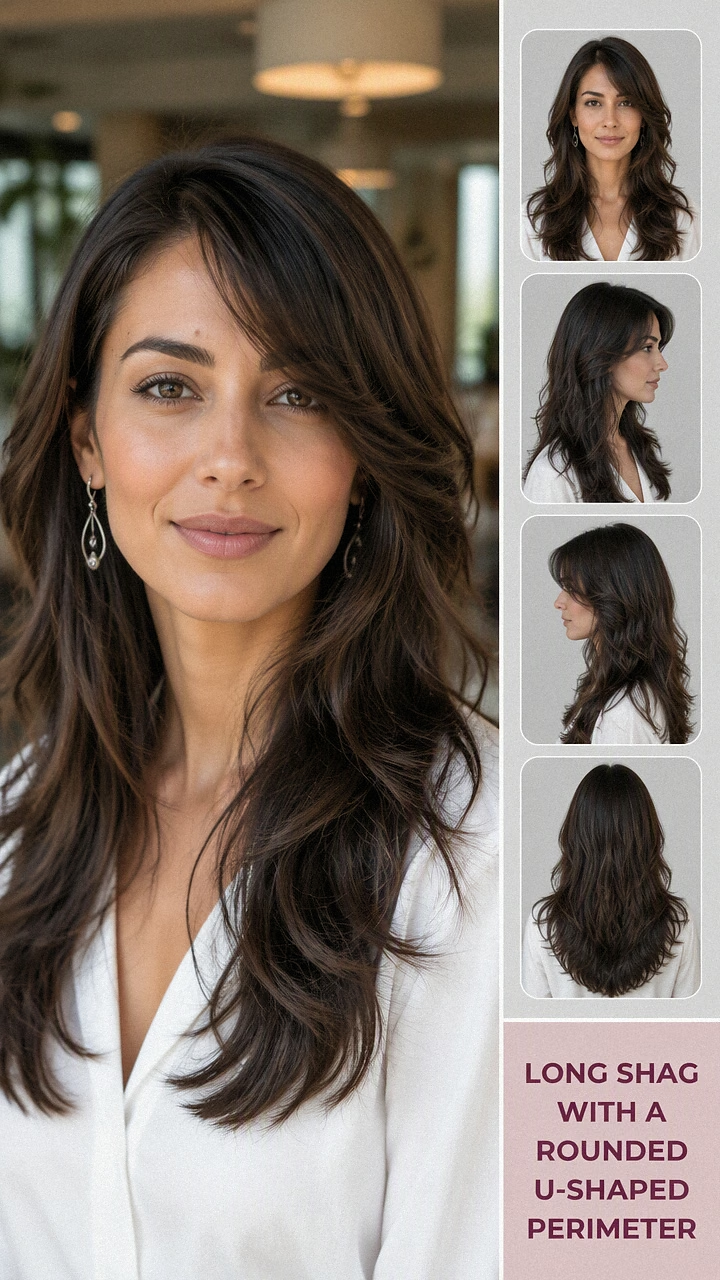
A rounded U-shaped perimeter creates a softer, fuller-looking finish than a pointed back, while shaggy layers keep the surface from feeling heavy. The length remains long, with face-framing pieces beginning at the chin and blending into a cascade of longer layers. A side part adds direction at the front without disturbing the balanced curve at the back.
This is a versatile option for straight, wavy, or loosely curly hair, especially if you want movement but prefer the ends to look substantial. It can soften angular features and suits a range of face shapes because the framing is customizable. Use a smoothing cream for a polished finish or a light curl product for natural texture. Ask for a rounded U perimeter, gentle internal layers, and a flexible side fringe if desired. Shape it every 8–12 weeks. Compared with a more dramatic shag, the layers are subtle, so the result feels polished but may show less obvious texture on very straight hair.
Long Shag With A Hidden One-Side Undercut
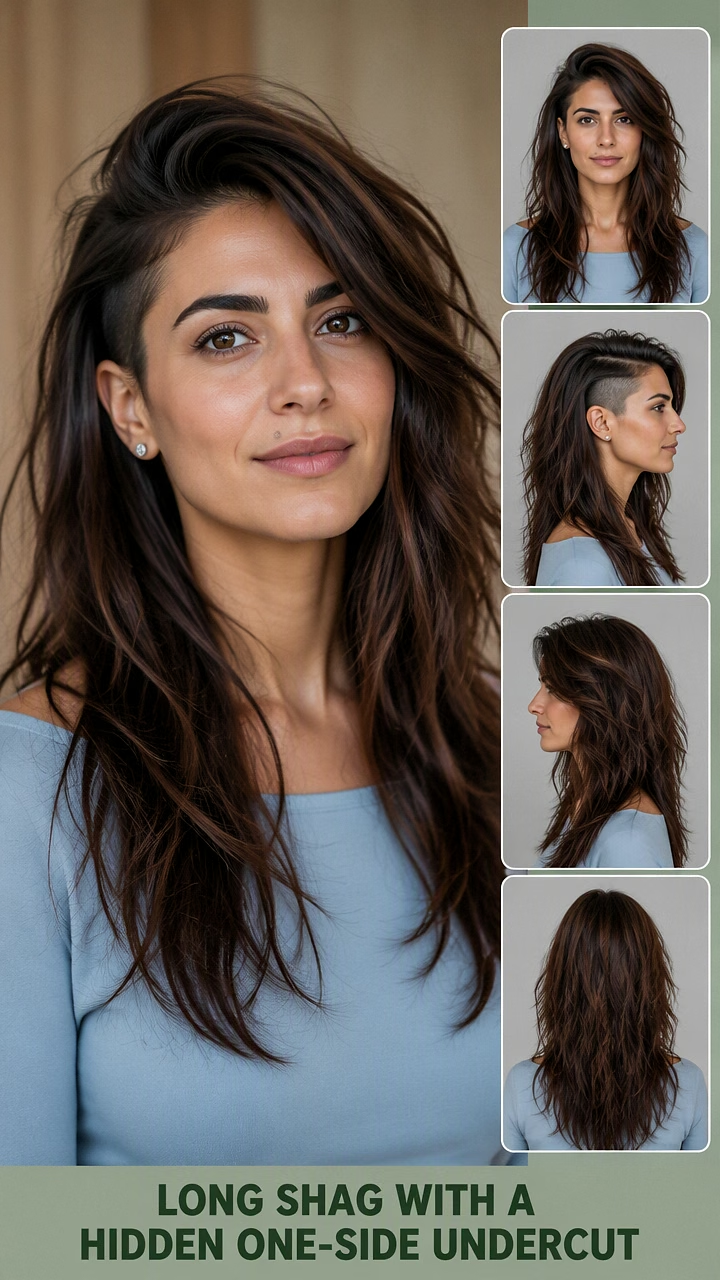
For a bolder interpretation, a discreet undercut beneath one side removes some bulk while the visible layers remain long and shaggy. A deep side part reveals the shorter section when you tuck or sweep the hair back, but the longer top layers can cover it when you want a more conventional look. Choppy lengths through the back keep the overall silhouette soft.
Thick, dense hair is best suited to this shape, particularly if one side feels difficult to manage. It can work with straight, wavy, or curly texture, though the undercut should be placed around your natural part and growth pattern. Try rich brunette or copper for a striking contrast in texture. Ask your stylist for a concealed undercut and enough length above it to cover the section. Use a light texture spray to separate the longer layers. The shaved area needs more frequent cleanup, often every 4–8 weeks, while the shag can be trimmed less often. Growing it out takes patience as the short section lengthens.
Long Shag With Natural Waves And Air-Dried Texture
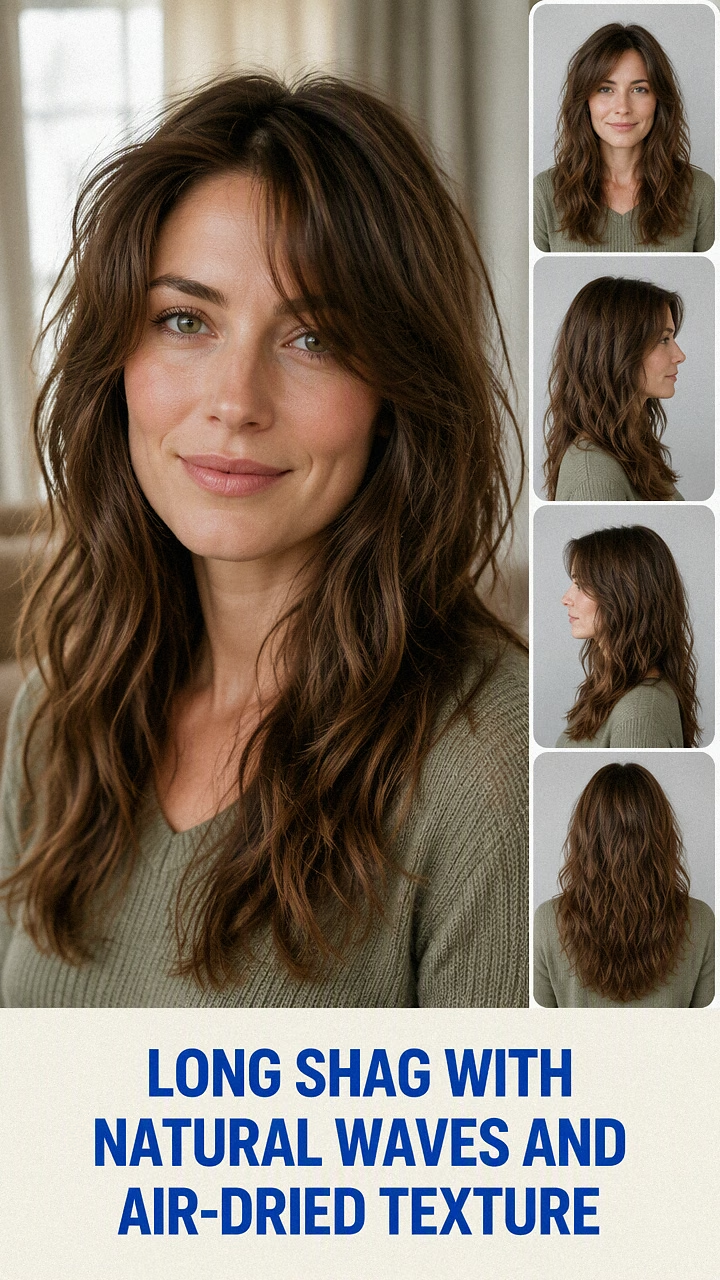
This relaxed cut is built around the wave you already have. Long, soft layers begin below the cheekbones and continue through the back, with a side part that lets the front settle naturally rather than forcing a precise fringe. The perimeter stays lightly curved, and the ends are textured enough to separate without looking overly choppy.
It is a natural match for wavy, medium-density hair, and can suit fine strands when the layers remain gentle. Medium brunette, sandy brown, or natural blonde gives the waves an easy, sunlit feel. After washing, scrunch in a leave-in conditioner or light curl cream and let the hair air-dry; use a diffuser when you want more root lift. Ask for long layers shaped to your natural wave and a flexible side part. A trim every 10–12 weeks maintains the outline. Air-drying saves tool time, though wave patterns can vary from day to day and may need a little refreshing spray between washes.
Long Shag With Polished Waves And Glossy Ends
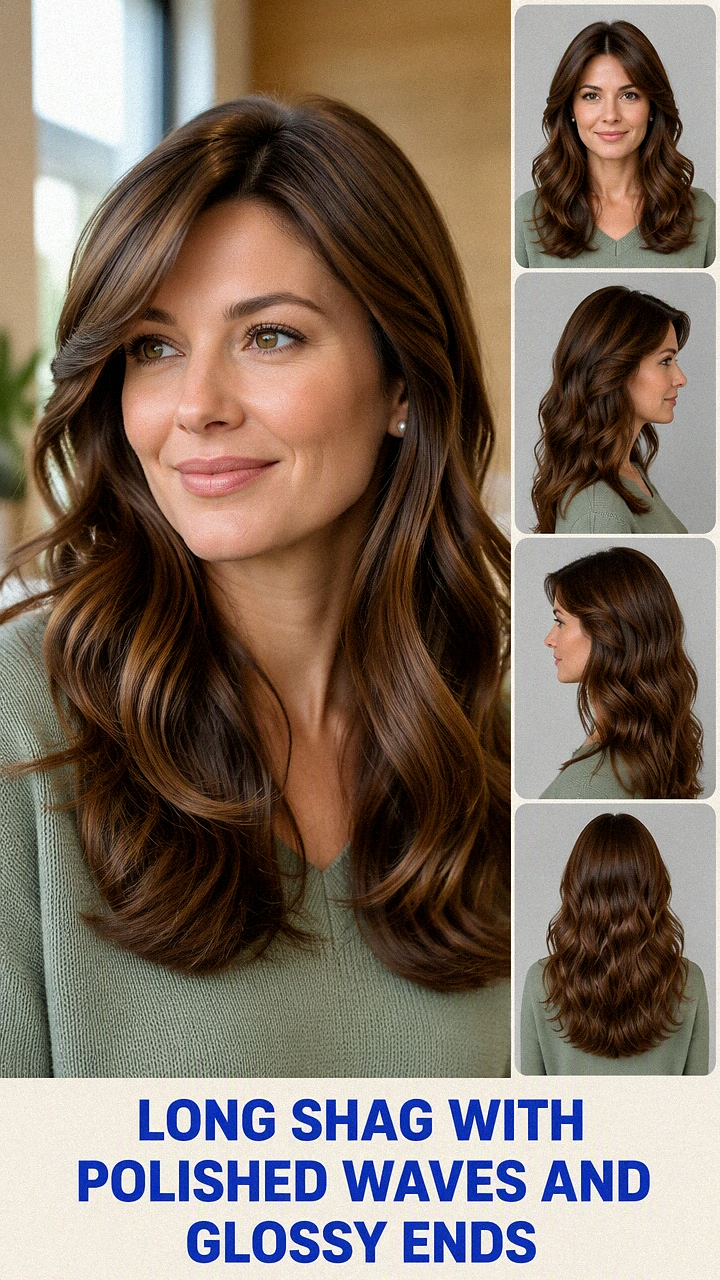
This more dressed-up shag keeps the layered shape but styles it into smooth, glossy waves. The hair falls below the shoulders, with face-framing layers that curve away from a deep side part and longer sections that form broad bends through the back. Ends are lightly textured, not wispy, so the finished look feels lush and polished.
Medium or thick straight-to-wavy hair holds these larger waves well. Deep chocolate, warm chestnut, or dimensional dark blonde adds shine and depth without competing with the shape. Apply heat protectant, then use a large-barrel iron or round brush to form loose bends; finish with flexible-hold spray rather than a stiff coating. Ask for long layers that look good both air-dried and blown out, with a full, soft perimeter. Trim every 8–10 weeks. This style is ideal for occasions or a more polished routine, but the waves take longer to create than an easy, tousled finish.
Long Shag With Side-Swept Fringe For Fine Hair
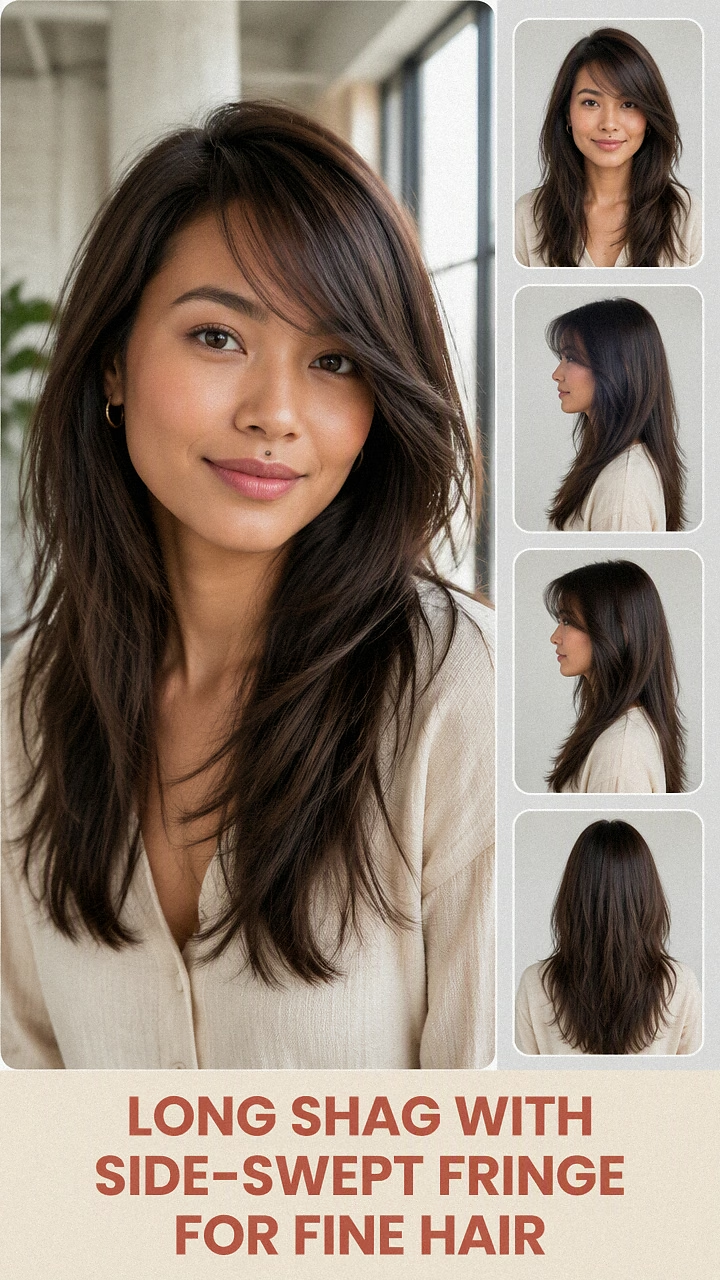
A side-swept fringe can add definition without requiring a heavy bang or aggressive layers. Here, the long length remains mostly intact, with fine, blended shaping around the face and just enough layering through the body to create movement. The fringe starts from a side part, skims the forehead, and tapers into longer pieces near the cheek.
Fine or straight hair benefits from keeping the back fuller and avoiding excessive texturizing. The diagonal fringe can soften a broad forehead and bring attention to the eyes; it also works well with softly waved ends. Try a lightweight root-lifting mousse and a small round brush, then finish with a light mist of flexible spray. Ask for a wispy, side-swept fringe and subtle layers that preserve density. Fringe trims every 4–6 weeks keep it comfortable, with a full cut every 8–12. The front needs regular shaping, but the longer layers are easy to grow out or tuck away.
Long Shag With Soft Black Layers And Subtle Shine
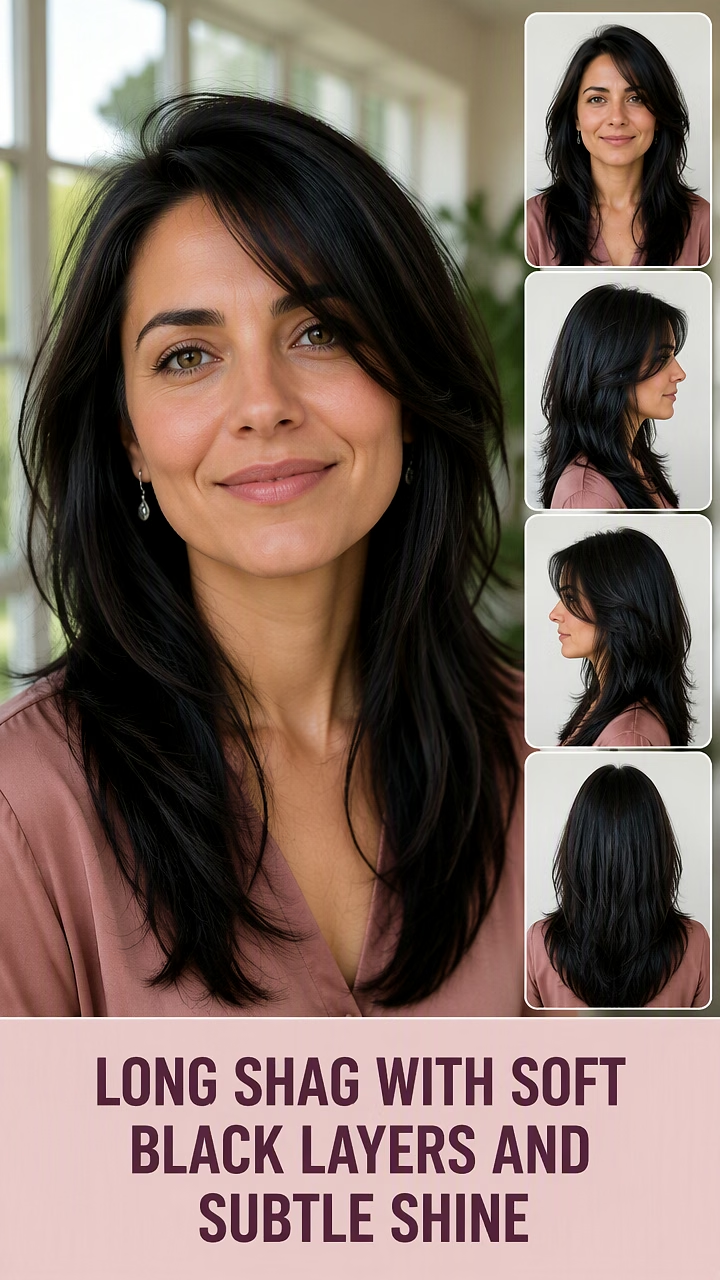
On naturally dark hair, the shape does the talking. This long shag uses distinct but blended layers from the cheekbones through the mid-lengths, with softly broken ends and a deep side part that creates a sweeping front section. The back retains its length and weight, while slight separation between layers lets light show the texture against a rich black or near-black finish.
Straight, wavy, and curly hair can all adapt to the shape; the cut should be customized to density so the ends remain healthy-looking and full. A gloss-enhancing leave-in or lightweight serum adds polish without flattening the roots. Diffuse natural texture or use a round brush to lift the front. Ask for visible movement with a soft perimeter, not excessive thinning. Trim every 8–12 weeks. Dark, nearly uniform color makes the style elegant and easy to coordinate, though the layers may read more subtly than they would with highlights.
Long Shag With Caramel Ribbons And Side Layers
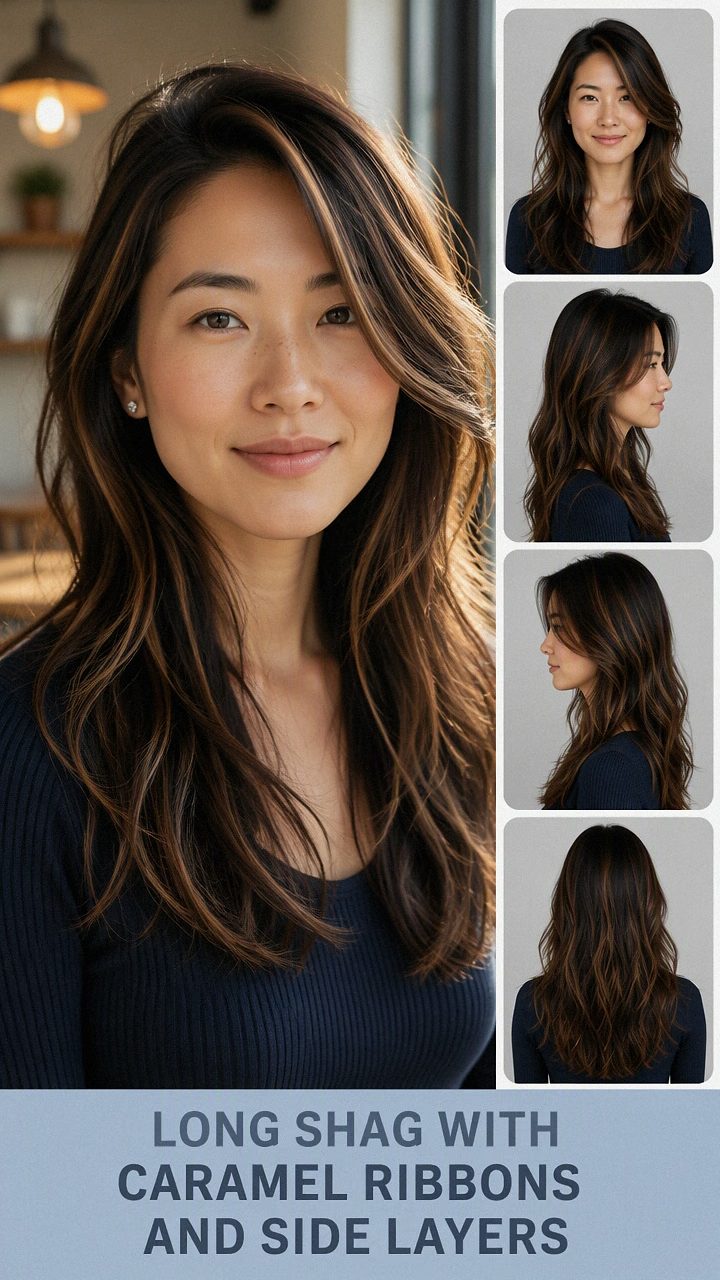
Caramel ribbons placed through the face-framing sections and mid-lengths give this long shag a warm, dimensional finish. The cut features cheekbone-length pieces that sweep from a side part, followed by long, connected layers and lightly textured ends. The overall length stays below the shoulders, so the color and movement appear in flowing bands rather than a short, choppy silhouette.
This combination suits brunette hair from fine to thick, especially when soft waves help reveal the color placement. Choose caramel tones that harmonize with the base instead of creating a stark contrast. A curling wand or diffuser brings definition to the layers; use a heat protectant and a small amount of cream to keep the ends smooth. Ask for delicate ribbons following the direction of the side-swept layers, with a long shag shape underneath. Refresh the cut every 8–12 weeks and color as desired. Highlights add dimension, but they introduce more color maintenance than a single-tone finish.
Find Your Long Shag And Make It Your Own
The most flattering long shag is the one that works with your natural texture and feels comfortable in your daily routine. Choose softer layers and a fuller perimeter if you want to preserve density, or ask for more internal texture if thick hair needs movement. Your stylist can also adjust the side part, fringe, and face-framing lengths to suit your face shape and styling preferences. Save the details you love, talk through the upkeep honestly, and make the cut your own.
Sources: https://www.hairstyleeditor.com
Category: Long