- 35 Gorgeous Long Bob Hairstyles Black Women Ideas That Feel Fresh And Flattering
- 22 Long Hairstyles With Layers For Over 50 That Feel Fresh And Flattering
- 29 Long Bob Hairstyles With Fringe Shoulder Length Medium Layered Ideas That Feel Fresh, Soft, And Easy To Style
- 23 Long Messy Shag Hairstyles For Easy, Flattering Movement
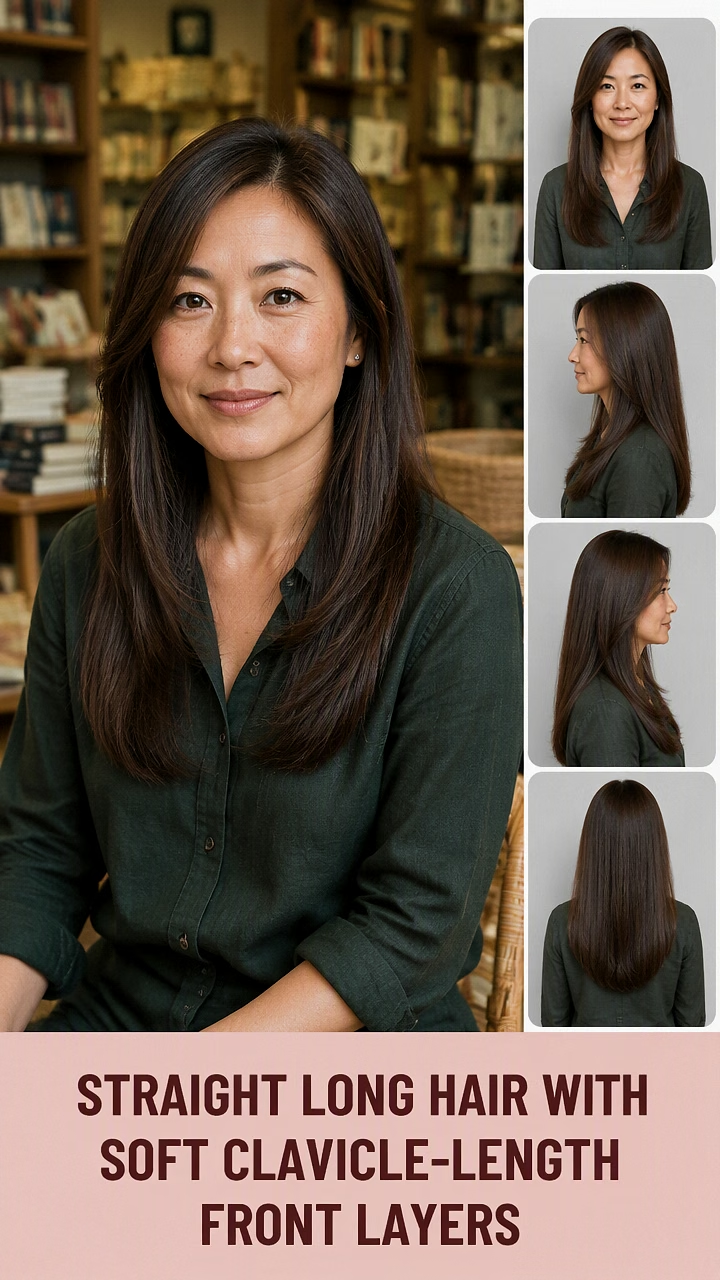
- 25 Long Hairstyles With Layers Straight Hair Lovers Will Adore
A long shag can feel like the perfect reset: still long enough to sweep into a ponytail, but full of airy layers, face-framing movement, and that easy, lived-in finish that makes everyday hair feel special. For a round face, the right placement of layers and fringe can draw the eye vertically while keeping the look soft rather than overly severe.
You Are Watching: 21 Long Shag Hairstyles Round Face Ideas For Soft, Flattering Movement
The most flattering version is the one that works with your natural texture and your actual routine. Whether your hair is straight, wavy, thick, or fine, these long shag hairstyles round face ideas show how subtle changes to the crown, fringe, part, and ends can create a distinctly personal shape. Bring a favorite reference to your stylist, then tailor the details to your hair and lifestyle.
Long Shag Hairstyles Round Face To Inspire Your Next Cut
Long Layered Shag With Chin-Length Face Framing
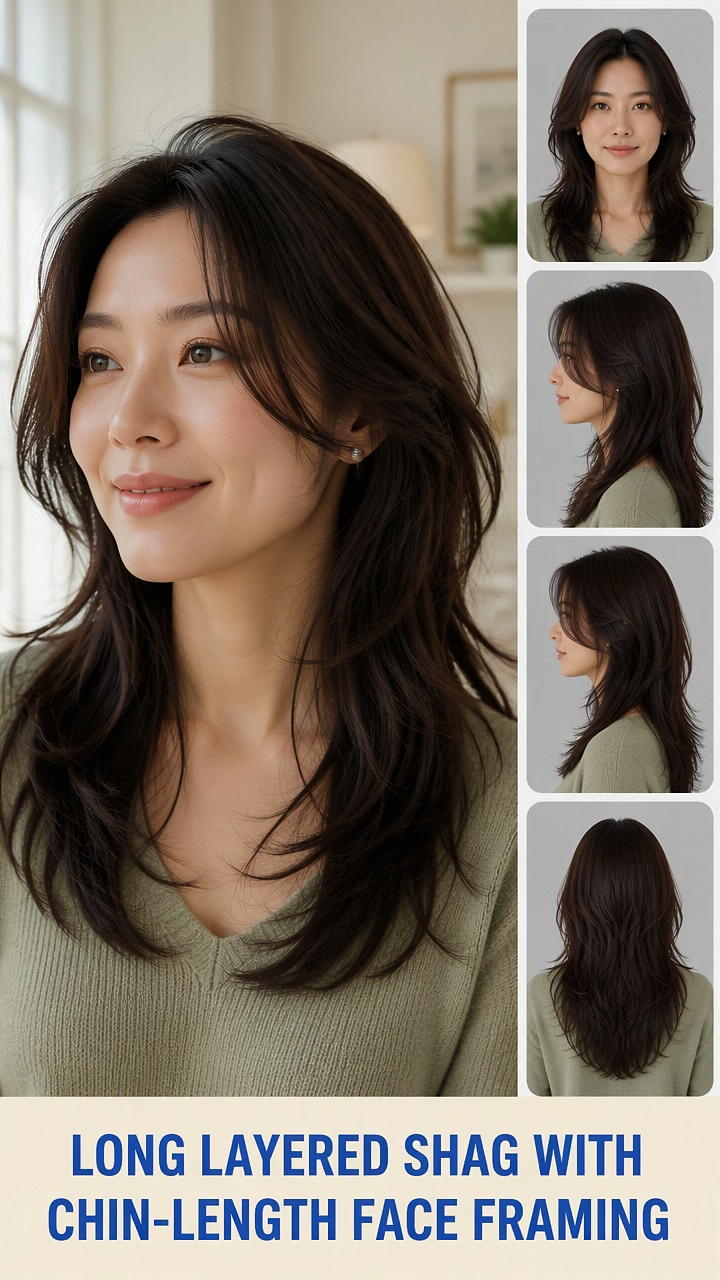
Keep the length below the shoulders and build soft, cascading layers through the back, with the shortest face-framing pieces landing around the chin. That downward sweep helps create a longer visual line without making the cut feel severe. A center or slightly off-center part works well, and relaxed bends keep the ends from looking too uniform.
This adaptable shape suits straight, wavy, and medium-density hair; finer hair can benefit from restrained layering so the ends stay substantial. Try a light mousse at the roots, then rough-dry and bend a few sections away from the face with a curling iron. Natural brunette, caramel, or sunlit balayage brings out the layers. Ask for long layers beginning below the cheekbones and plan a shape-up every 10 to 12 weeks. The trade-off is that very frequent layering can reduce fullness at the ends.
Center-Parted Long Shag With Soft Curtain Bangs
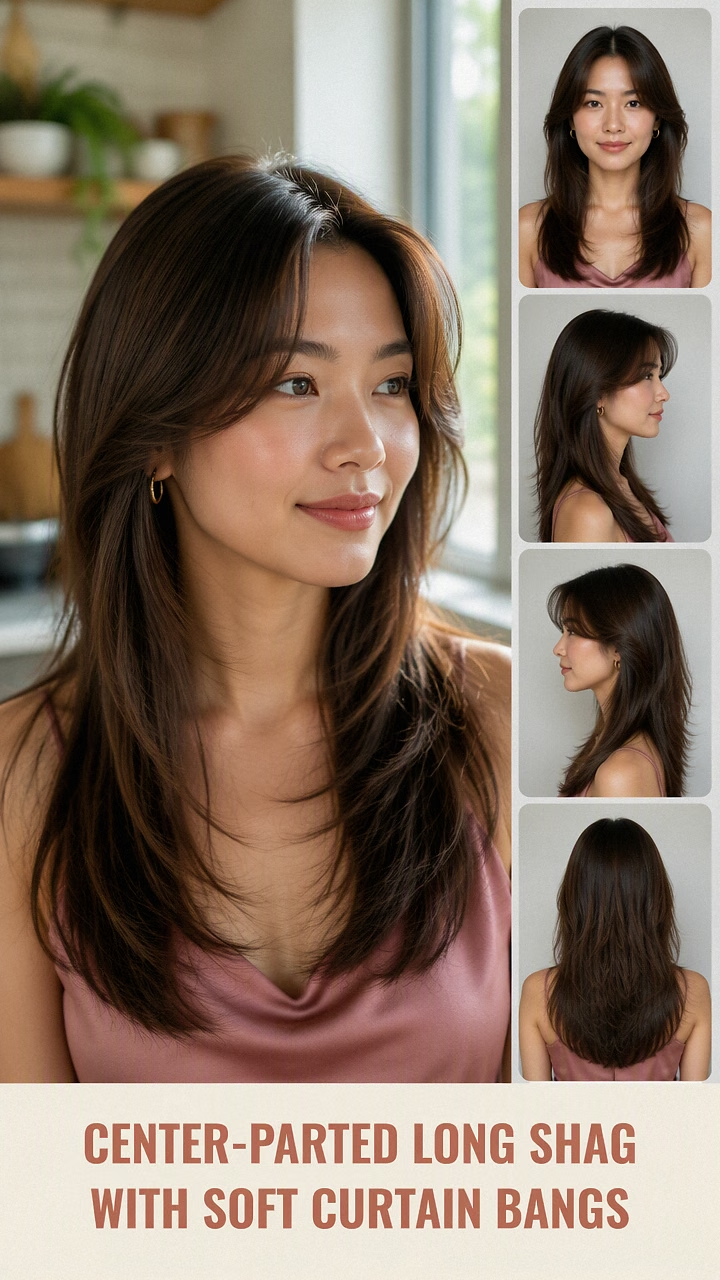
A middle part and long curtain fringe make a classic, balanced long shag. Ask for bangs that part naturally and lengthen toward the cheekbones, joining the face-framing layers rather than ending in a blunt line. The crown can have gentle lift, while the back stays long and softly piecey for a flowing silhouette.
It suits straight and wavy hair, especially when the fringe has enough length to move instead of sitting heavily across the forehead. Blow-dry the bang sections away from the face with a small round brush, then use a touch of flexible styling cream on the ends. Warm brunette, dimensional blonde, or a natural root melt all complement the softness. Request a curtain fringe that remains wearable when parted or tucked away. Fringe usually needs a refresh every six to eight weeks; the longer layers can go longer between trims.
Wavy Long Shag With Wispy Bottleneck Fringe
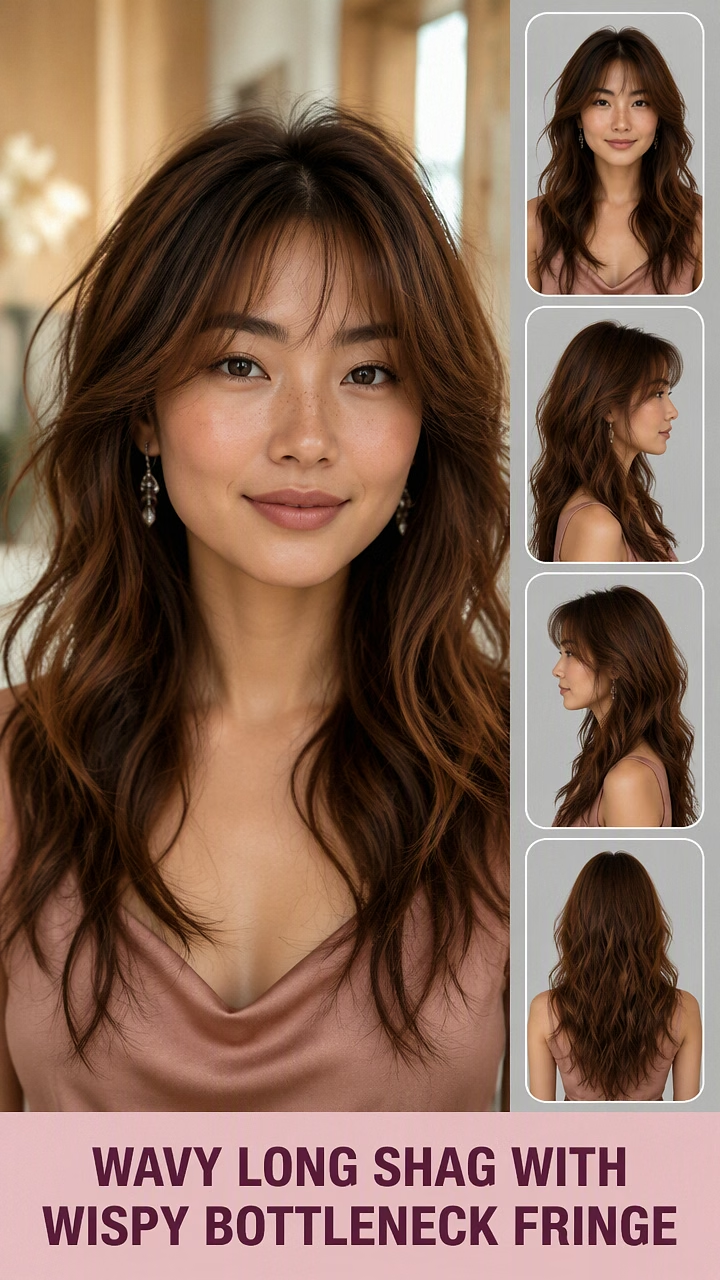
This version pairs a long, airy shag with bottleneck bangs: shorter and softly parted at the center, then widening into longer pieces beside the eyes. The fringe blends into cheekbone-to-chin layers, while the rest of the cut keeps its length and loose, irregular ends. Natural waves give the layers their prettiest movement and keep the outline from looking too polished.
Medium or thick wavy hair wears this shape easily; straight hair can achieve it with a quick bend through a few front sections. Apply leave-in conditioner and a small amount of curl cream, then diffuse or air-dry. A dimensional copper, chestnut, or softly highlighted brown shows off the texture without requiring a dramatic color change. Ask your stylist to tailor the fringe to your natural part and cowlicks. Plan occasional fringe trims, and know that bangs may need a little morning styling to sit just right.
Long Razor-Cut Shag With Feathered Face Layers
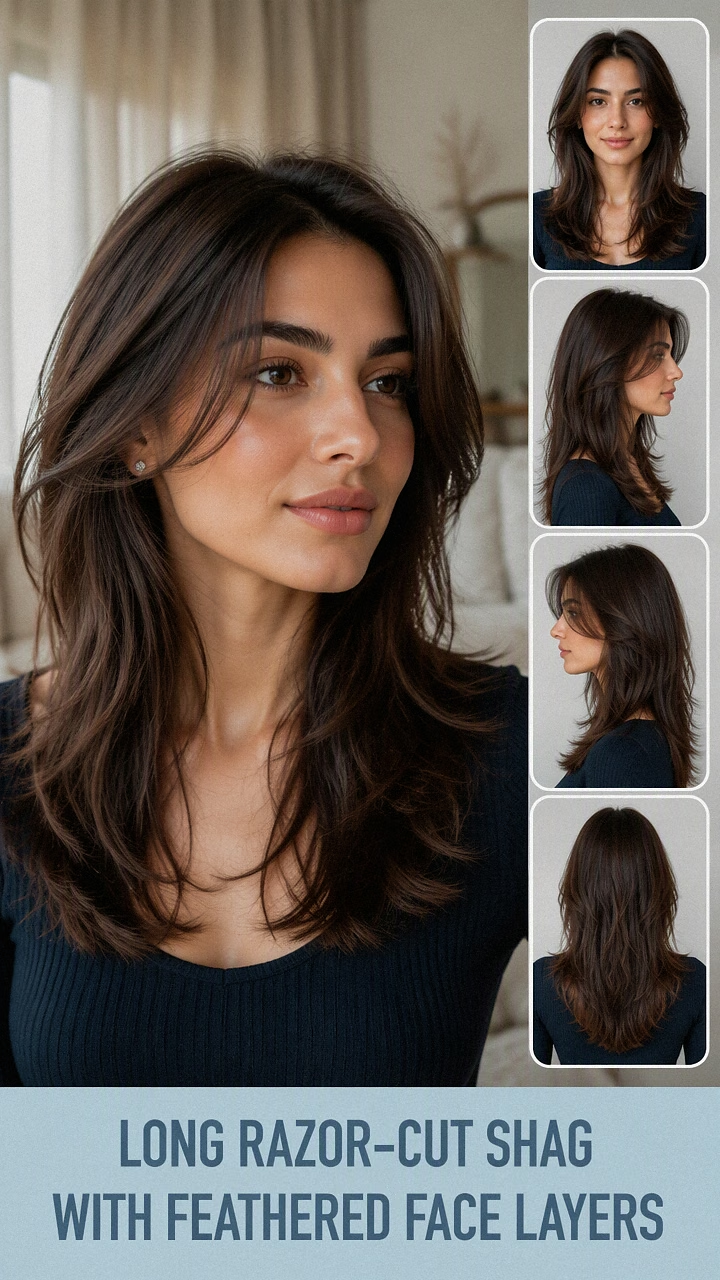
A razor-cut shag has feathered, softly blended edges and a light, swingy finish. Keep the perimeter long, with layers carved through the lengths and face-framing pieces that start below the cheekbone and taper toward the collarbone. The result is textured but not blocky, with gentle movement around the sides and a relaxed finish at the back.
This can suit straight or wavy hair with medium to thick density; very fragile or already wispy ends may do better with scissor-cut layers. A small amount of texturizing cream helps separate the feathered pieces, while a round brush can add a soft outward flick. Glossy dark brown or subtle balayage emphasizes the changing lengths. Ask whether a razor is appropriate for your hair’s texture and condition, and request a soft rather than aggressively thinned perimeter. A trim every 10 to 12 weeks keeps the outline intentional.
Voluminous Crown Shag With Sleek Face-Framing Pieces
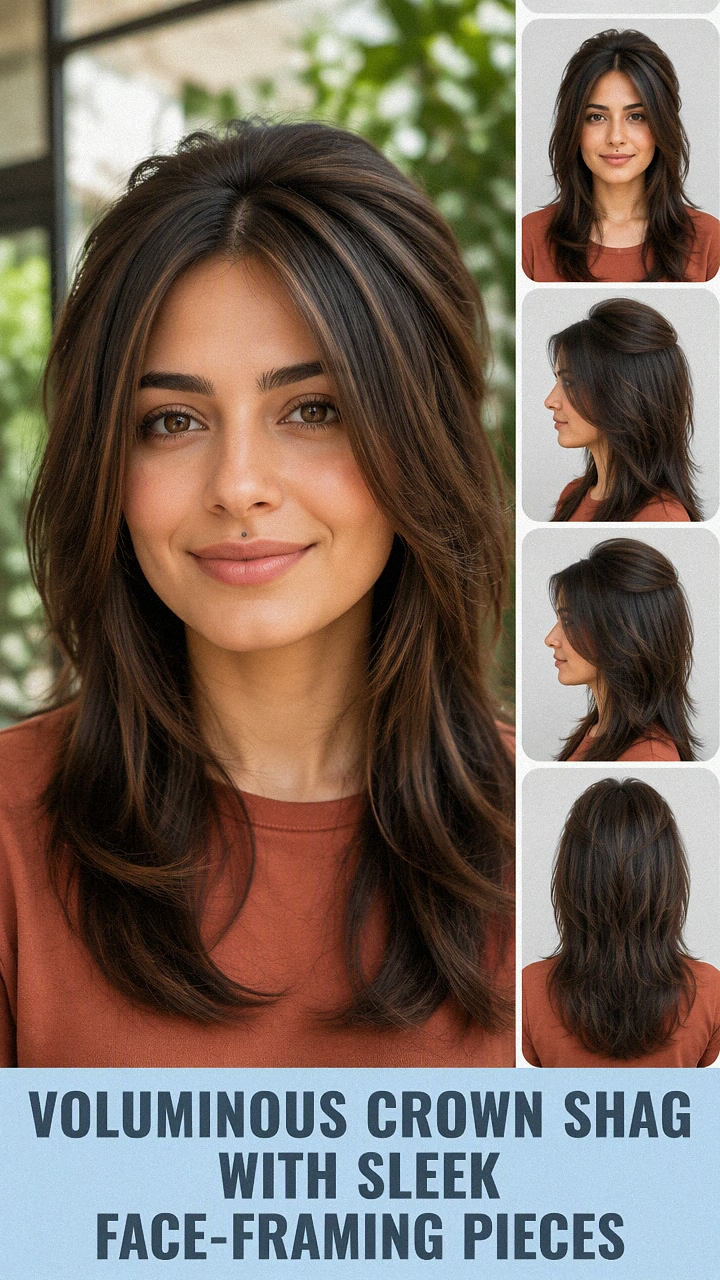
For a little extra height, concentrate shorter, blended layers around the crown while keeping the sides near the face smoother and longer. The contrast gives the shag a lifted shape without adding too much width at the cheeks. Long, tapered front pieces and a center or off-center part keep the silhouette elongated, while the back falls in textured layers.
This design works well on medium or thick hair and can give fine hair the impression of more movement when the layers are subtle. Use volumizing mousse at the roots and smooth the front with a round brush; a light texture spray adds separation through the lengths. Rich brunette with a few fine highlights makes the crown layers visible. Ask for crown lift without short, disconnected pieces around the cheeks. Refresh the cut about every 8 to 12 weeks; the more lifted styling takes a few extra minutes on wash days.
Side-Parted Long Shag With Sweeping Fringe
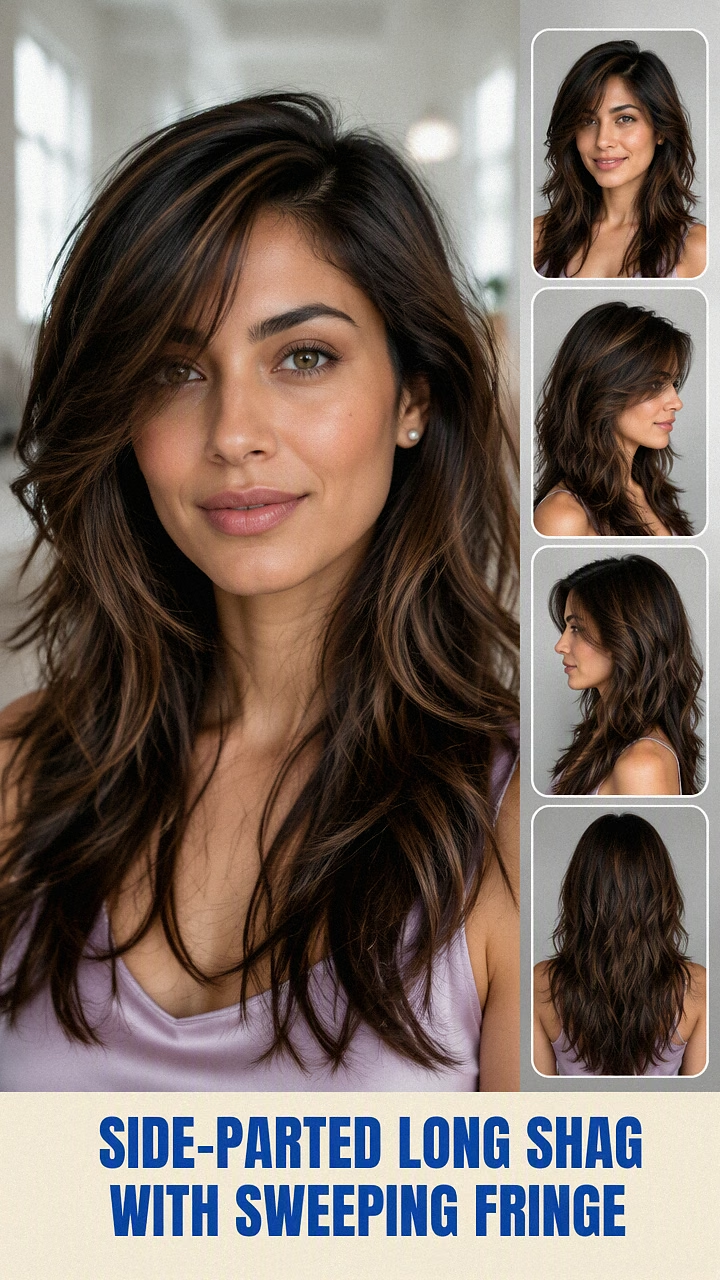
A deep side part creates a diagonal line that breaks up the symmetry of a round face. Pair it with a long, sweeping fringe that crosses the forehead lightly and blends into layered pieces at the cheekbones. The rest of the shag stays long and softly choppy, with waves or bends through the mid-lengths and ends for a loose, flattering finish.
This cut suits straight, wavy, and thick hair; fine hair can keep more weight at the ends to avoid looking sparse. Blow-dry the fringe in the direction of the part, then add a few loose bends with a medium-barrel iron. A rich espresso base or soft caramel ribbons add dimension to the diagonal shape. Ask your stylist to leave enough length in the fringe to tuck it back as it grows. A fringe trim every six to eight weeks helps maintain the sweep, though changing your part may take a little adjustment.
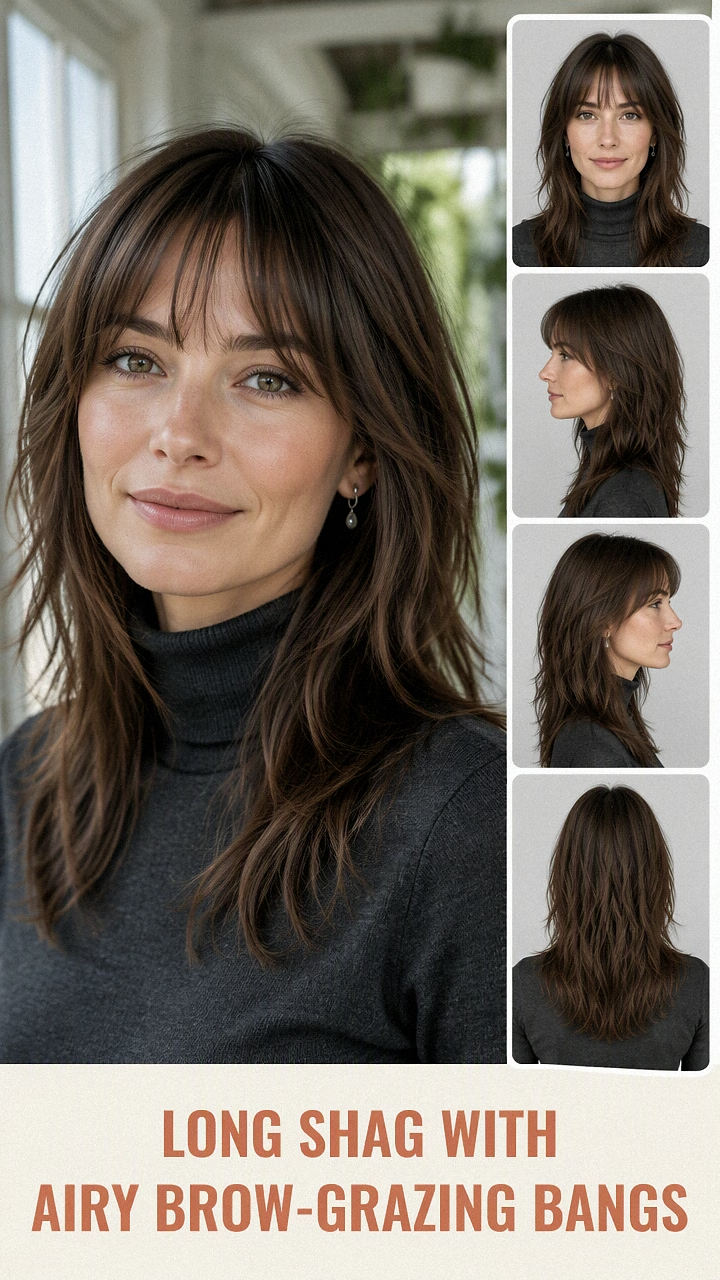
Long Shag With Airy Brow-Grazing Bangs
Read more : 27 Long Bob Hairstyles Balayage Ideas That Look Soft, Modern, And Easy To Wear
Brow-grazing bangs bring attention to the eyes while the long, feathered shag layers keep the overall outline light. Ask for fringe that is airy and piecey rather than dense and blunt, with the sides lengthening into cheekbone-framing layers. Long, separated lengths at the back balance the shorter front and let the haircut feel soft rather than boxy.
This can flatter straight or wavy hair, particularly when the bangs are customized to your hairline and preferred part. A quick blow-dry with a small brush helps the fringe sit smoothly; finish the lengths with a light texturizing spray. Natural black, chocolate, or a subtle face-brightening highlight keeps the detail visible. Tell your stylist you want a wispy fringe that can still part slightly at the center. Bangs need more frequent trims than the rest of the cut, and may require daily attention if your hair has a strong cowlick.
Soft Curly Long Shag With Curved Face Layers
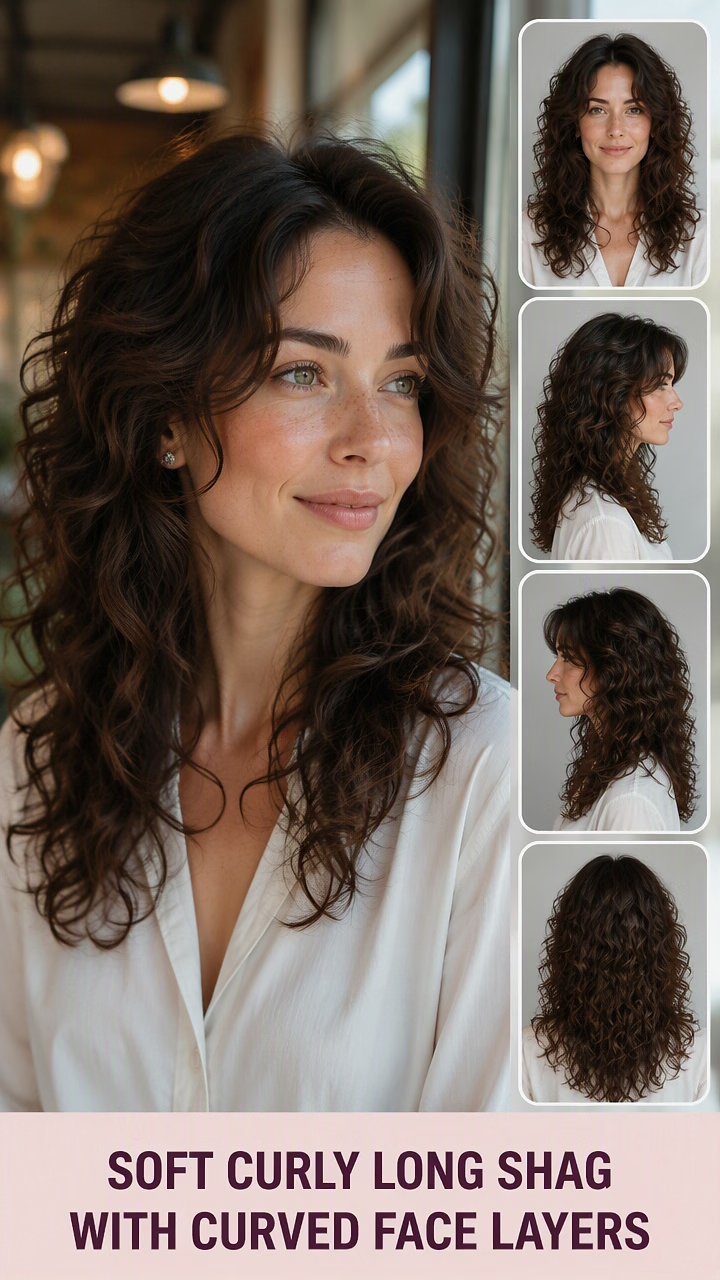
A curly long shag shapes volume through the crown and sides while allowing the curls to fall in defined, rounded layers. Keep the shortest front pieces below the cheekbones and let them curve toward the chin, then preserve enough length at the back for a flowing outline. A soft part, rather than a rigid fringe, lets the curl pattern frame the face naturally.
This is especially lovely on naturally curly hair with medium or thick density. Ask for the cut to be tailored to your curl pattern, ideally with a dry or curl-aware assessment so the shrinkage is considered. Scrunch in leave-in conditioner and curl cream, then diffuse on low or let it air-dry without disturbing the curls. Deep brunette, copper, or dimensional highlights bring out curl separation. Refresh the shape every 10 to 14 weeks, depending on growth and definition. The main trade-off is that curly layers may sit differently from day to day.
Fine-Hair Long Shag With Subtle, Long Layers
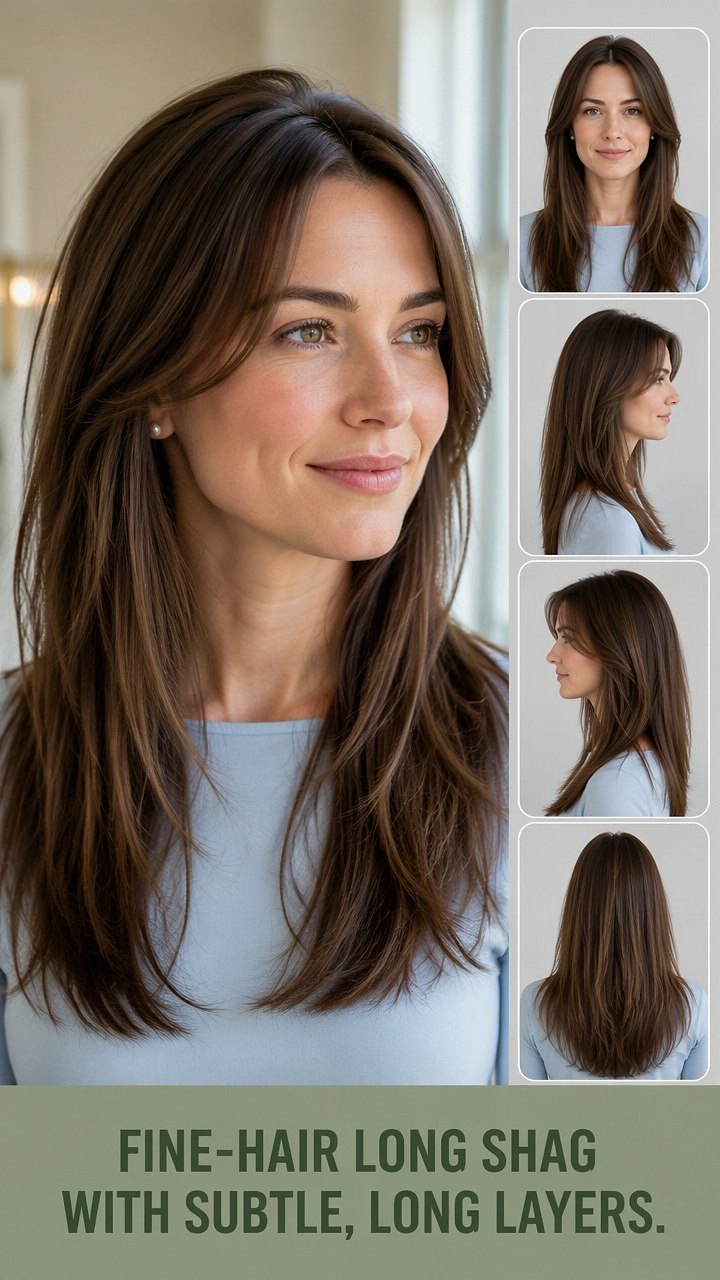
For fine hair, a long shag can stay airy without sacrificing the appearance of fullness. Keep the perimeter nearly one length, then add a few long, blended layers starting below the chin and delicate pieces around the face. A softly lifted crown and lightly textured ends create movement, while avoiding too many short layers that might make the lengths look thin.
This shape works particularly well on straight or lightly wavy hair and can be worn with a center or gentle side part. Use a light volumizing mousse at the roots and a heat protectant before adding loose bends with a large-barrel iron. Glossy brunette or a few fine, low-contrast highlights can reveal the layers without visually fragmenting the ends. Ask for invisible movement and a strong, full-looking perimeter. Trim every 10 to 12 weeks, and skip heavy oils or thick creams that can flatten fine strands.
Thick-Hair Long Shag With De-Bulked Layers
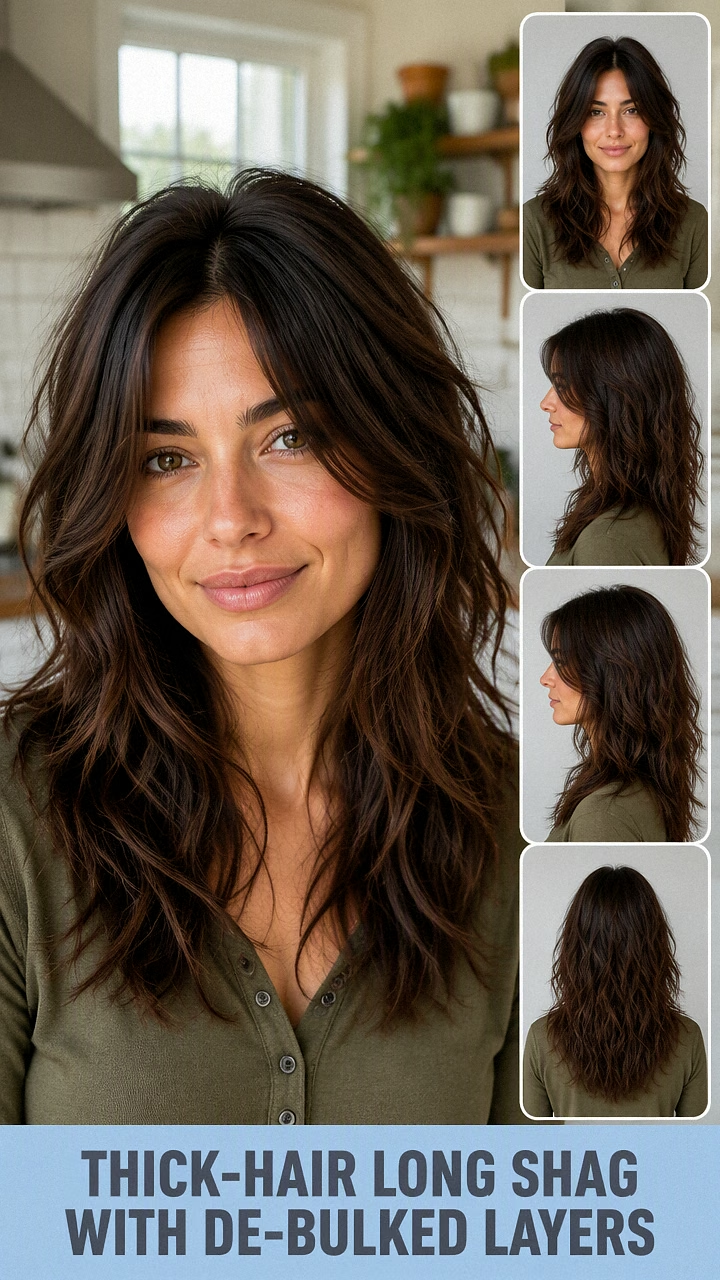
Long, internal layers take away some of the weight from thick hair while leaving enough length to keep the silhouette generous. The top can have softly blended lift, with longer face-framing sections beginning below the cheekbones and choppy, airy ends at the back. The shape is full but less triangular, especially when the sides fall close to the face before opening into movement below.
This cut is ideal for medium-to-thick straight or wavy hair. A smoothing cream helps control puffiness, while a diffuser or loose iron wave brings out the layers without making the finish too formal. Deep brown, warm auburn, or tonal balayage adds definition to dense lengths. Ask your stylist to remove weight internally while preserving the outline, and discuss how your hair expands as it dries. A trim every 10 to 12 weeks keeps the layers balanced. Very heavy thinning can create flyaways, so request a measured approach.
Long Shag With Loose Beach Waves And Center Part
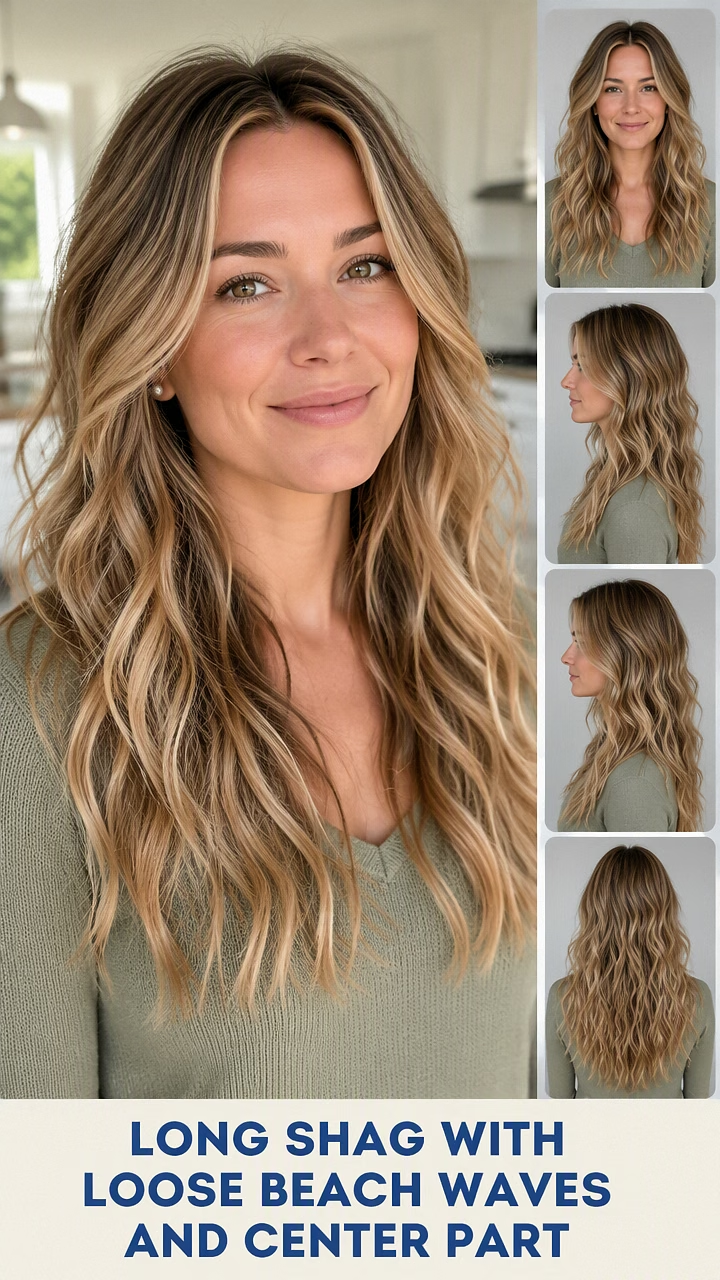
This relaxed shag has long, flowing layers and a clean center part, with soft beach waves adding movement from the mid-lengths down. The face-framing layers stay long, usually around the chin or lower, so the sides do not become too full at cheek level. Slightly piecey ends keep the style casual, while the overall length maintains a graceful, elongated line.
Natural waves make this look especially easy, though straight hair can create the bends with a large curling iron. Work a heat protectant through the lengths, curl alternating sections, and loosen them with fingers rather than a brush. Rooty blonde, soft brunette balayage, or natural dark hair all suit the undone texture. Ask for long layers and a center-part-friendly face frame, not short layers that stack at the cheeks. Trim every 10 to 12 weeks. The waves take some styling time, but on naturally wavy hair a little scrunching may be enough.
Polished Long Shag With Glossy Straight Finish
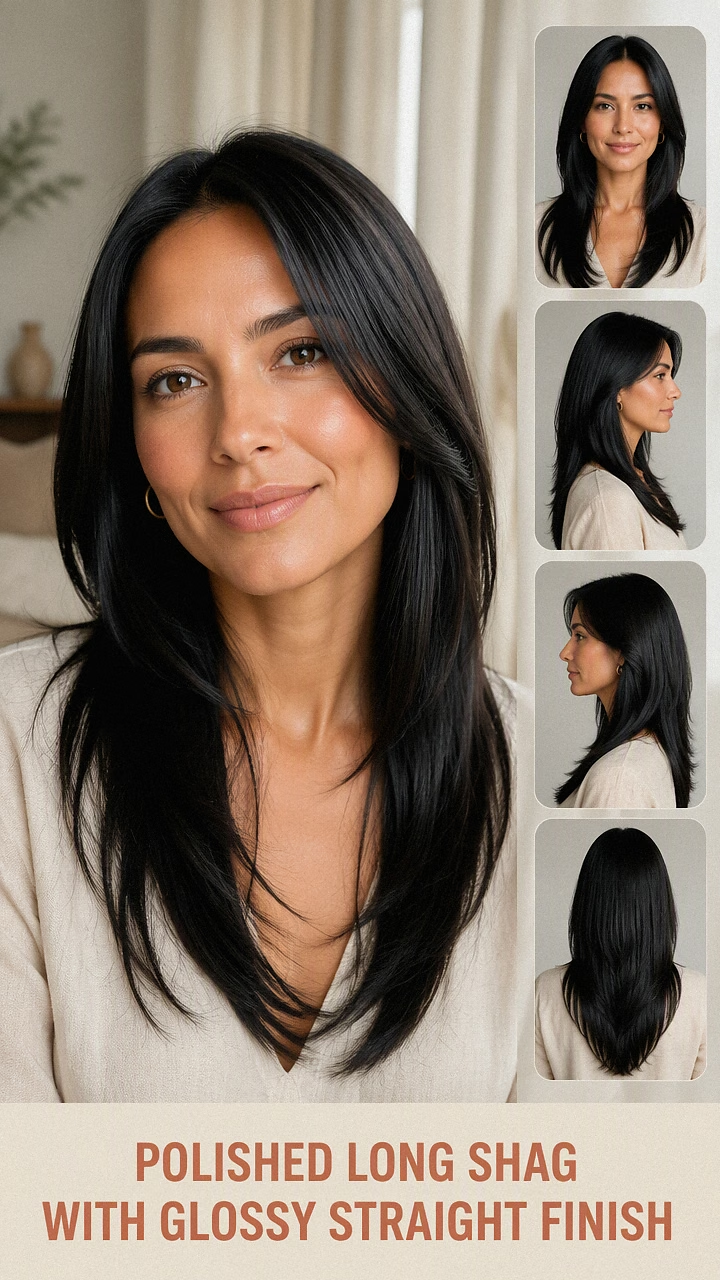
A sleeker take on the long shag keeps the choppy movement understated. Long, blended layers start around the chin and continue through the back, while the ends remain softly textured rather than dramatically razored. The polished finish lets the face-framing pieces create vertical lines, and a center or off-center part keeps the style contemporary without relying on visible waves.
Straight or gently wavy hair will show the clean layering best; thick hair may need internal shaping, while fine hair benefits from a restrained cut. Use heat protectant and a smoothing blow-dry, then pass a flat iron lightly over the lengths if needed. A glossy black, espresso, or single-process brunette finish highlights the sleek outline. Ask for a long shag that looks smooth when straight, with minimal thinning at the ends. Schedule trims every 10 to 12 weeks. This look is more polished but generally requires more heat styling than an air-dried shag.
Choppy Long Shag With Piecey Curtain Fringe
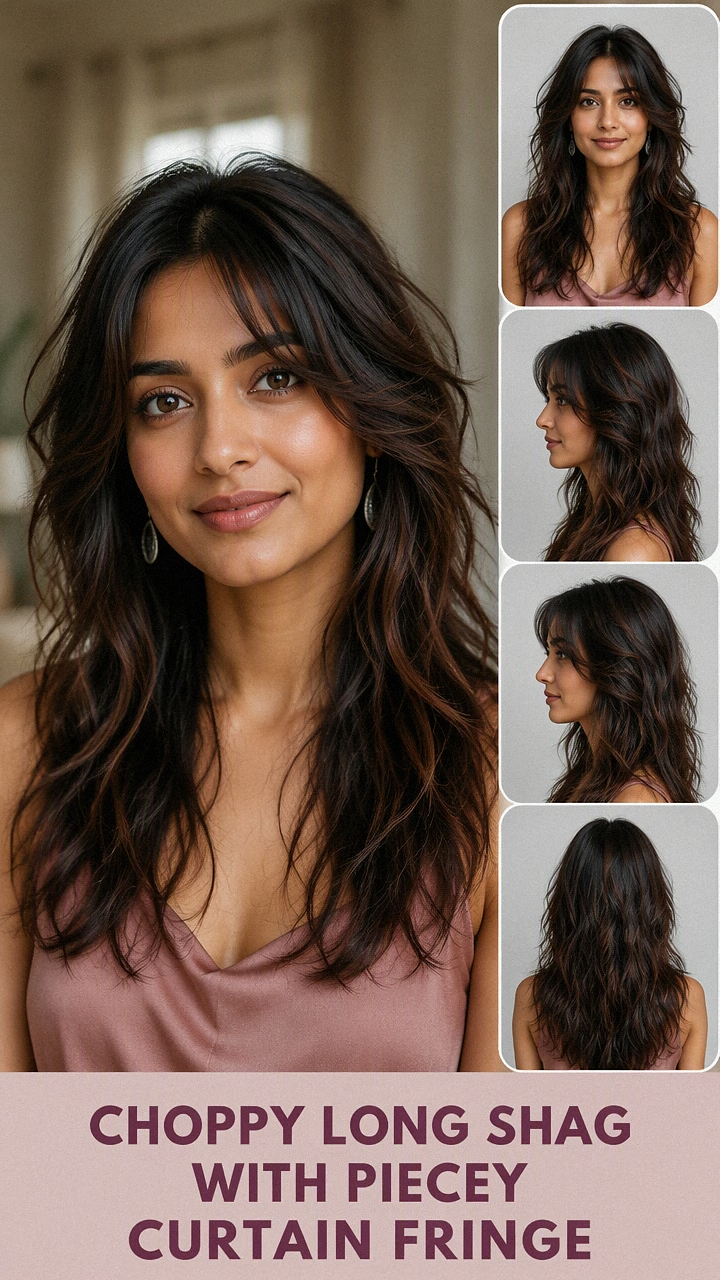
For a more expressive, lived-in shape, choose choppy layers throughout the lengths with a piecey curtain fringe that separates naturally at the center. The fringe should open the forehead rather than form a solid horizontal line, then taper into cheekbone-to-chin layers. Uneven ends and visible separation give the back a tousled silhouette while the long length keeps it wearable.
Wavy or curly hair brings this cut to life with less effort; straight hair may need a little styling to show the texture. Scrunch in a lightweight mousse or texture cream and twist a few front pieces away from the face as they dry. Soft copper, honey blonde, or a darker base with delicate highlights can emphasize the choppy detail. Ask for texture tailored to your density, not indiscriminate thinning. A fringe tidy-up every six to eight weeks keeps the opening clear. Expect some styling to coax the fringe into place.
Long Shag With Swoop Bangs And Side Volume
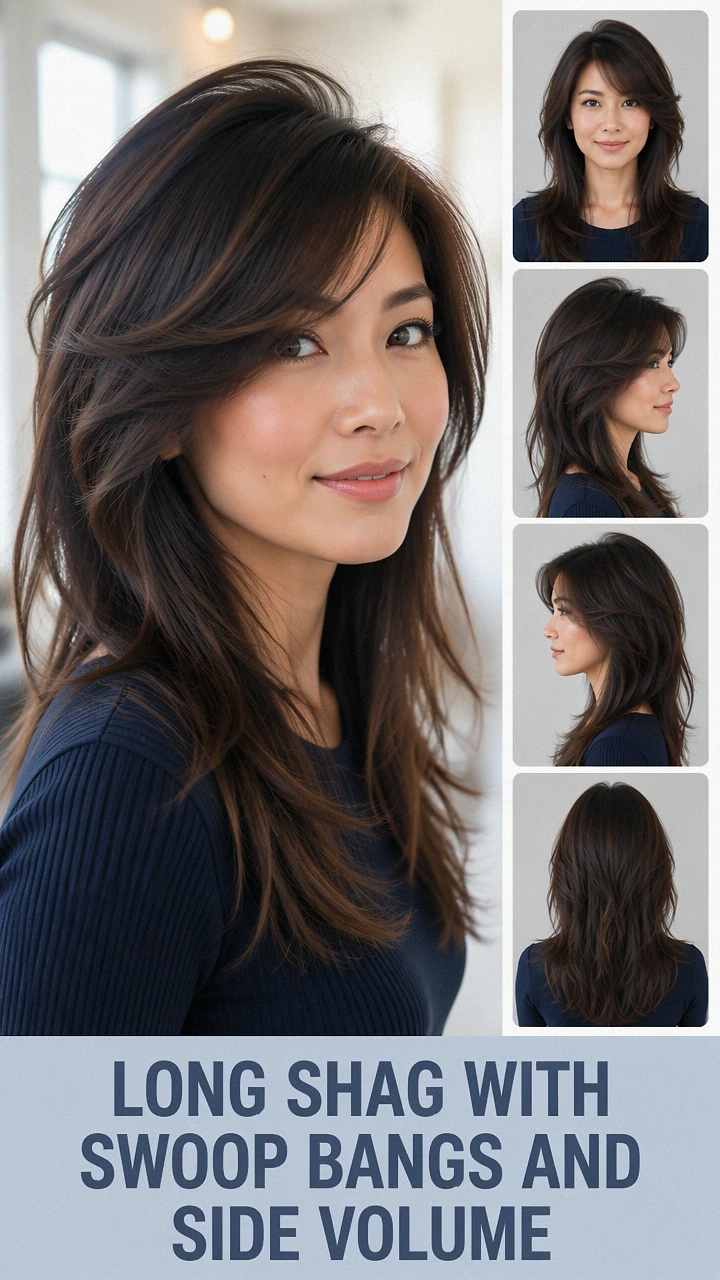
Swoop bangs sweep diagonally from a side part and blend into soft layers around the cheekbones. The shag keeps its length, with enough lift through the crown and controlled volume at the sides to balance the face without creating a wide, rounded outline. A few loose bends through the ends give the back a soft, cascading finish.
Read more : 25 Pixie Hairstyles Long on Top Ideas That Make Short Hair More Versatile
This style suits straight and wavy hair, including thicker strands that can hold the sweep. Blow-dry the bangs across the forehead first, then redirect them into place for a smooth curve. A flexible-hold spray helps the shape last without stiffness, and a chestnut or dark blonde balayage can accent the movement. Ask for a long side fringe that blends into the face frame rather than a short, disconnected bang. Fringe trims every six to eight weeks are helpful. If you prefer a center part, this cut may take some daily styling to keep its signature sweep.
Long Shag With Flipped Curtain Ends
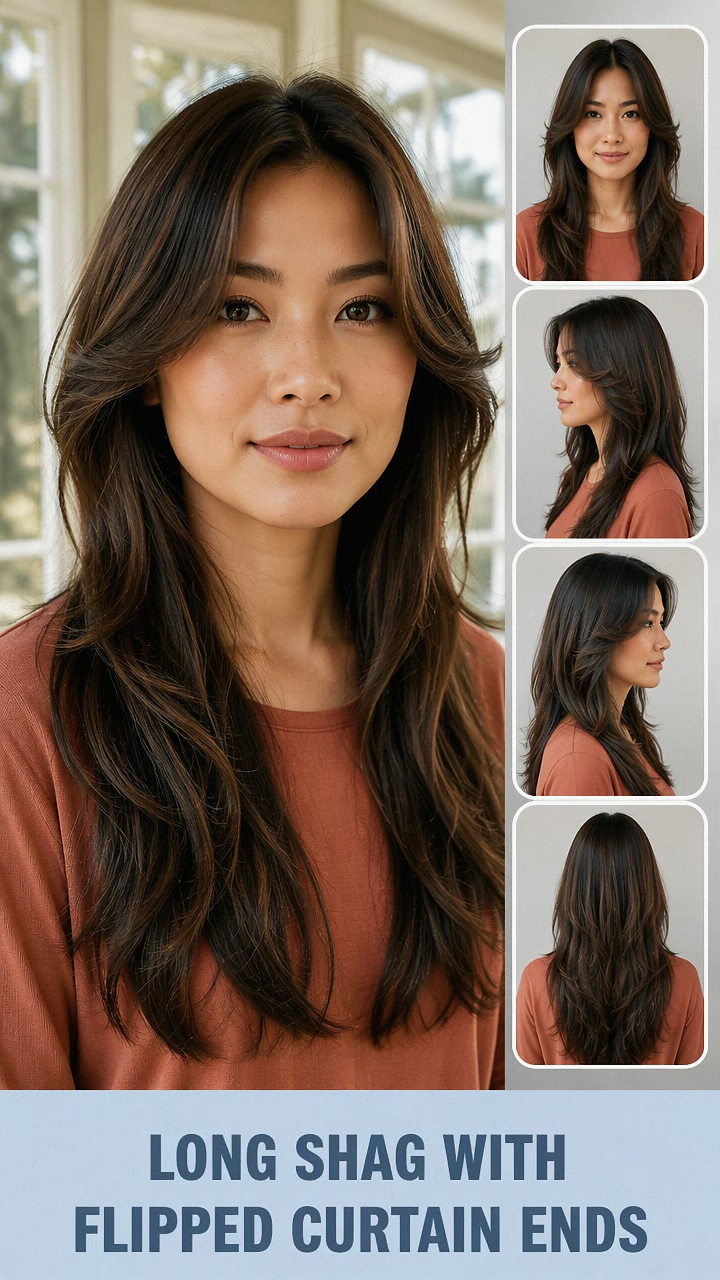
Long layers and outward-flipped curtain ends give this shag a playful, softly retro finish. The front pieces part around the face and sweep away from the cheeks, while the longer back layers fall in relaxed, separated ribbons. The flip is concentrated at the face-framing ends rather than throughout the haircut, so the look stays modern and does not become overly round at the sides.
Straight or wavy hair is easiest to style this way; thick hair can carry the movement, while fine hair should keep enough weight in the ends. Blow-dry the front sections away from the face with a round brush, then add a small outward bend with an iron if needed. Warm caramel, copper, or natural brunette makes the retro shape feel rich. Ask for long curtain layers that can flip outward or fall naturally. Trim every 10 to 12 weeks. The ends may need restyling after sleeping, so it is best for someone happy with a quick blow-dry.
Long Blonde Shag With Rooty Balayage Dimension
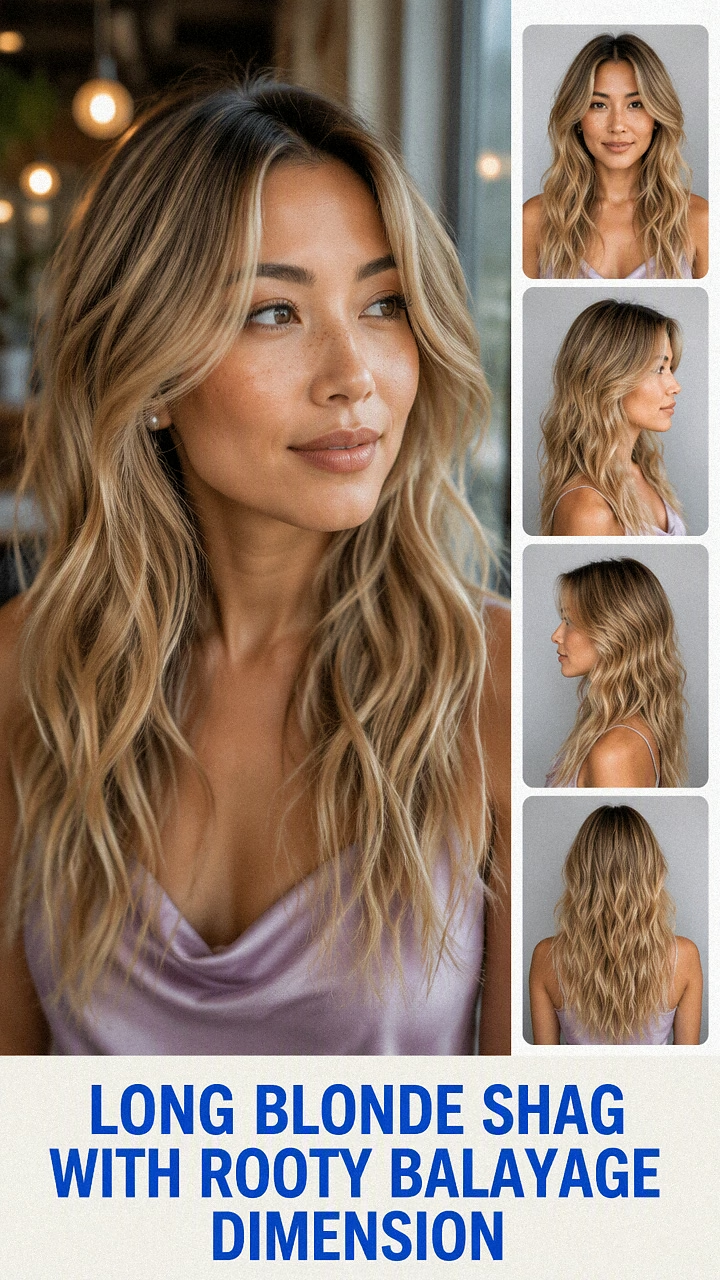
A long shag with rooty balayage pairs layered movement with a softly blended color transition. Keep the root area deeper and place lighter ribbons through the mid-lengths and ends, especially around—but not in a solid stripe beside—the face. Long layers and cheekbone-to-chin framing let the color catch the texture while preserving a relaxed, elongated outline.
This color-and-cut combination suits straight, wavy, and curly hair, though the lightness should be chosen with your stylist to suit your starting shade and upkeep preferences. Use a color-safe shampoo and a lightweight conditioner, then style with a texture spray or loose bends to show the dimension. Ask for a low-contrast, blended balayage and a long shag tailored to your density. The cut typically needs shaping every 10 to 12 weeks, while color appointments can be spaced according to the desired brightness. Lightened ends may need extra conditioning and care.
Copper Long Shag With Wispy Face-Framing Fringe
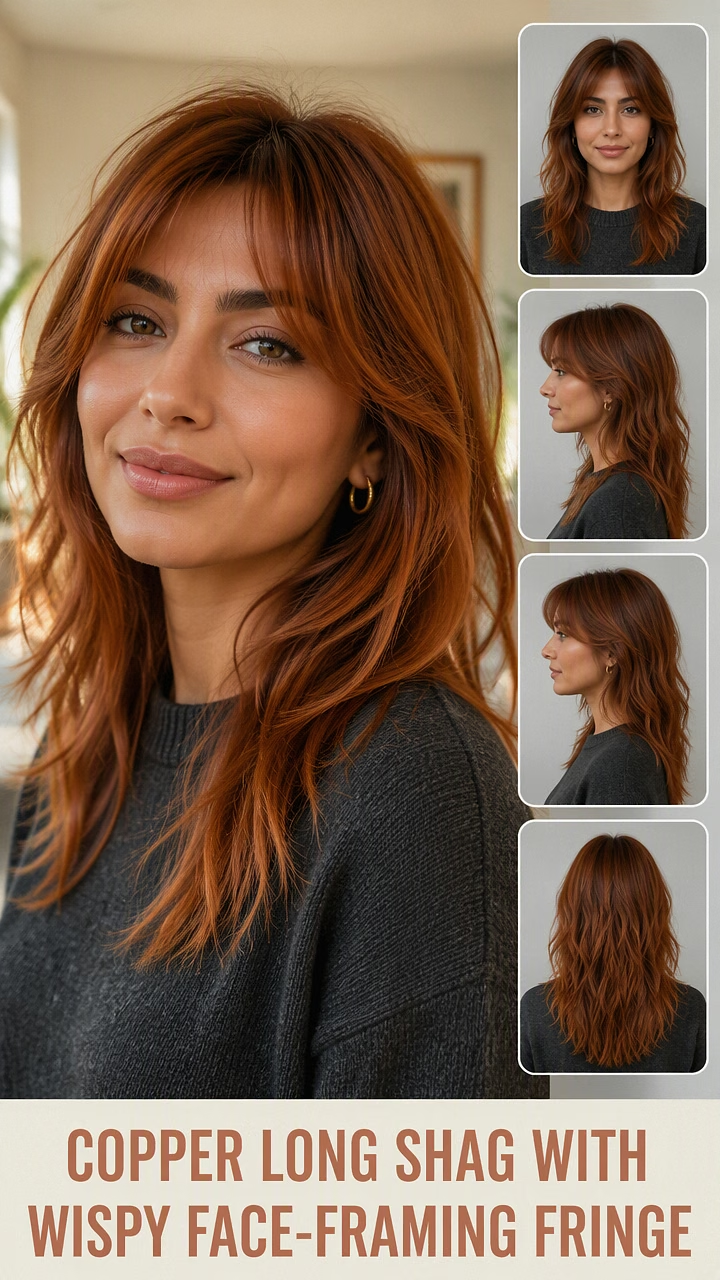
A copper-toned long shag brings warmth to a layered silhouette, while a wispy fringe keeps the front open and light. The bangs can be softly parted or brushed slightly aside, blending into longer pieces that frame the cheekbones and taper toward the chin. Long, irregular layers through the back allow the color to glow across the movement instead of reading as a solid sheet.
Wavy and straight hair both suit the shape, and curly hair can wear it with a curl-aware fringe cut to its natural spring. Use a lightweight styling cream or mousse to define the layers, then air-dry or diffuse. A copper shade can be customized from muted auburn to brighter ginger, so ask about the upkeep that matches your preference. Request an airy fringe and long layers rather than a heavy bang. Refresh the shape every 8 to 12 weeks; vibrant copper may need more frequent color attention than a natural brunette.
Long Shag With Deep Side Part And Loose Waves
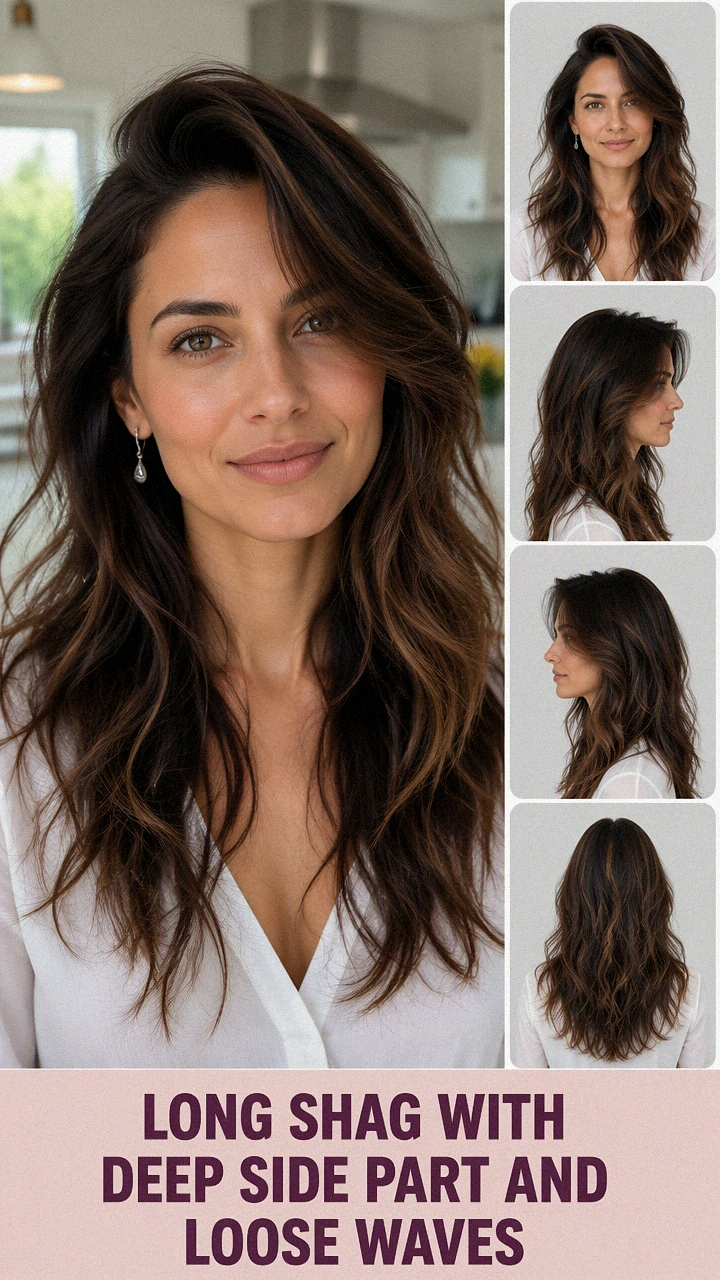
A deep side part paired with loose, brushed waves creates an asymmetrical, fluid long shag. The shortest pieces should sit below the cheekbones, while long layers sweep across the back and keep the perimeter soft. The part gives the front a little lift and movement, and the waves make the cut feel romantic rather than sharply sculpted.
This shape flatters straight and wavy textures, and medium-to-thick hair can hold the waves especially well. Prep with heat protectant, curl sections away from the face, and brush them gently for a softer finish; a flexible spray helps without locking the hair in place. A dark base with subtle caramel ribbons or a natural sandy blonde adds dimension. Ask for a long face frame that follows a deep side part. Trim every 10 to 12 weeks. The part can be changed, but the most dramatic sweep needs some blow-drying and styling.
Long Shag With Natural Waves And Soft Micro Layers
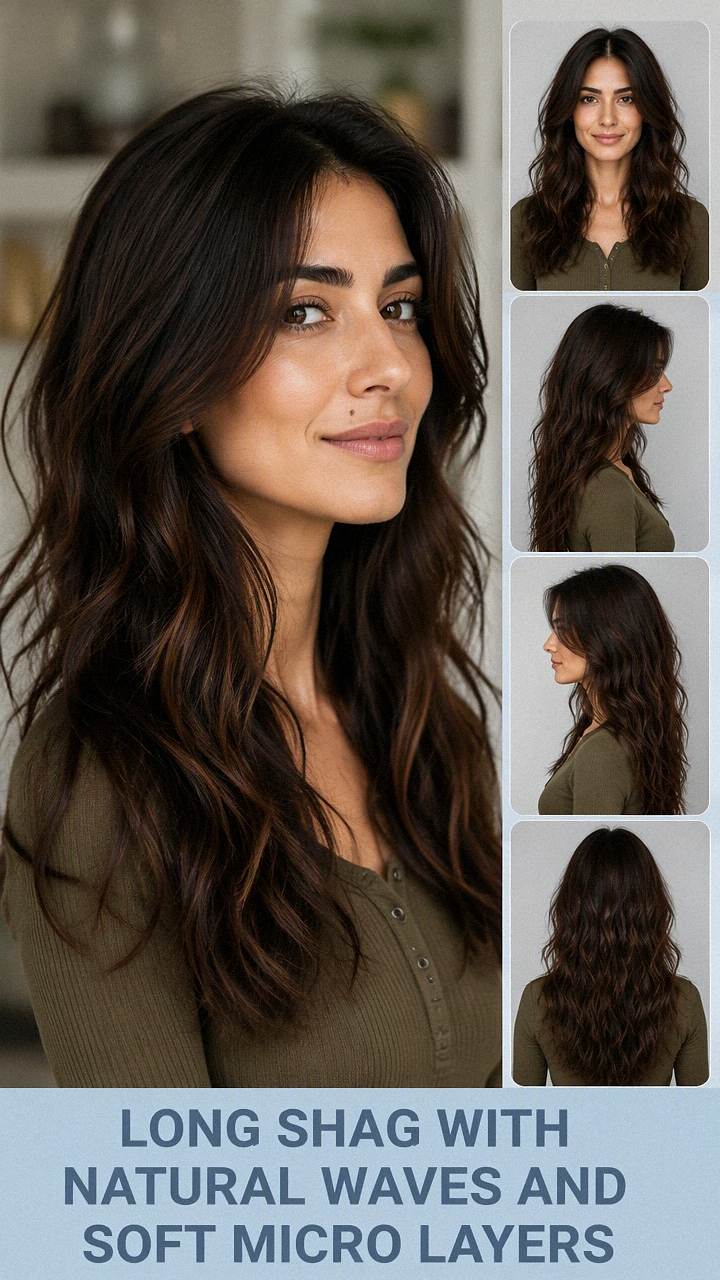
Soft micro layers near the crown and upper lengths add lift without turning the cut into a short, highly choppy shag. Keep the front framing pieces long and the bottom length generous, allowing natural waves to ripple through the sides and back. The effect is light and undone, with shape concentrated above the ends rather than extra bulk around the cheeks.
This is a good option for naturally wavy hair with medium or thick density; very straight hair may not show the micro layers unless styled. A leave-in conditioner and a small amount of curl cream can support definition, while air-drying or diffusing keeps the finish casual. Natural brunette, soft blonde, or understated highlights all suit the texture. Ask for discreet crown layering and a long, connected face frame. Plan a trim every 10 to 12 weeks. The cut is low-fuss on wave-friendly hair, but too many short layers can create flyaways, so emphasize subtlety.
Extra-Long Shag With Long Angled Face Layers
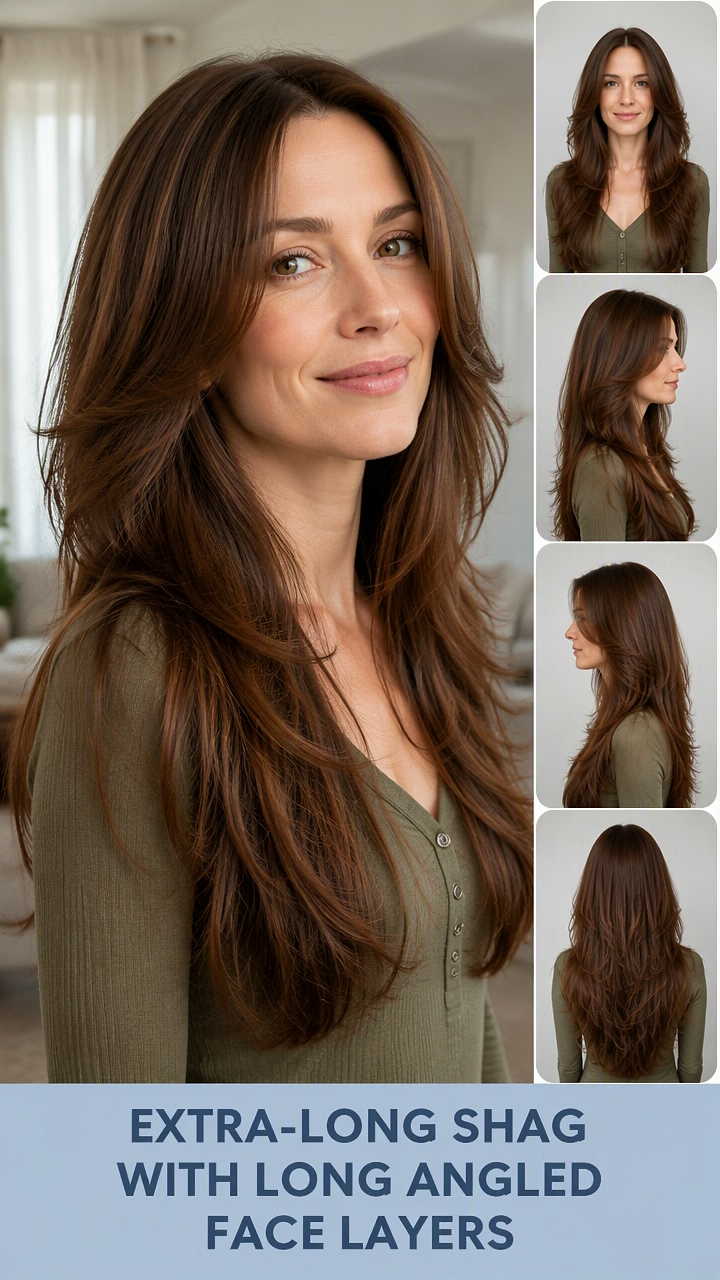
For anyone attached to very long hair, angled face layers offer shape without sacrificing the dramatic length. Keep the back flowing well past the shoulders, with long, gradual layers and front pieces that descend from below the cheekbones toward the chest. This creates a vertical sweep and keeps the sides light, while softly textured ends prevent the length from appearing heavy.
Straight and wavy hair both work well; thick hair can benefit from carefully placed internal layers, while fine hair should retain a strong perimeter. Use a smoothing cream and blow-dry the front sections away from the face, or add loose bends for movement. Glossy brunette, rich black, or a subtle balayage emphasizes the long lines. Ask for angled face-framing layers that blend into a mostly long silhouette. A trim every 12 weeks can preserve the outline. Styling long lengths takes time, and the layers may feel less pronounced when worn in a tight ponytail.
Low-Maintenance Long Shag With Air-Dried Texture
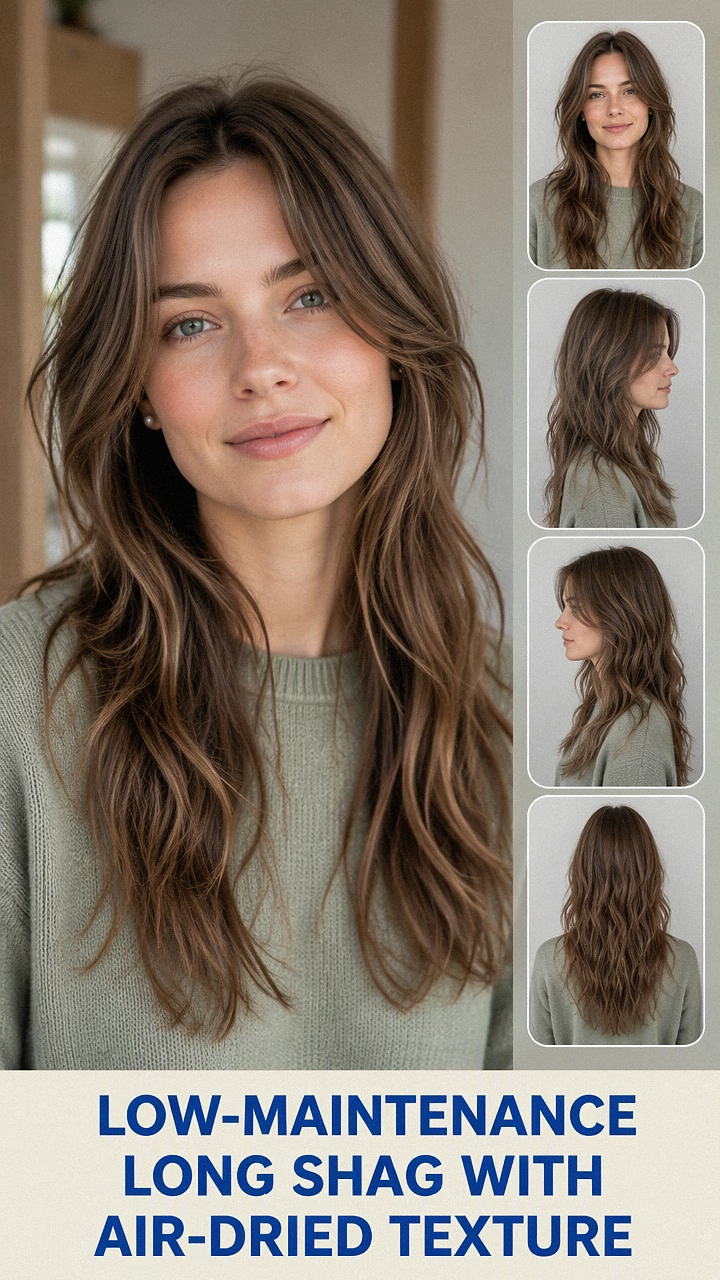
This relaxed version relies on the hair’s natural behavior rather than a perfect blowout. Long, connected layers give the cut a soft shag outline, with a few face-framing pieces beginning below the cheekbones and lightly textured ends throughout. The fringe is optional; if included, keep it long enough to part or tuck away. The finish should feel touchable and slightly imperfect, not overly sculpted.
It suits wavy, curly, and naturally textured hair especially well, while straight hair can use a little scrunching to create definition. Apply leave-in conditioner or lightweight styling cream to damp lengths, scrunch, and let the hair dry with minimal handling. Ask for layers that work with your natural pattern and a low-maintenance fringe. Trim every 10 to 12 weeks, or when the shape starts to feel heavy. The trade-off is that air-dried results vary with weather and wash-day routine.
Find Your Most Wearable Long Shag
The best long shag for a round face is not one fixed formula. Consider where you want movement, how much fringe you enjoy, and whether your hair behaves best air-dried, waved, or smooth. Bring your stylist a reference, talk through your natural texture and maintenance preferences, and adjust the layers to suit your features. With the right balance of length, framing, and texture, your new cut can feel flattering, practical, and unmistakably yours.
Sources: https://www.hairstyleeditor.com
Category: Long