- 25 Pixie Hairstyles Long on Top Ideas That Make Short Hair More Versatile
- 28 Long Pixie Hairstyles for Fine Hair Ideas That Add Shape, Texture, and Volume
- 27 Cute Long Bob Hairstyles Ideas That Feel Fresh And Easy To Style
- 21 long layered hairstyles for fine hair to inspire your next cut
- 29 Long Bob Party Hairstyles Ideas That Look Chic, Polished, And Easy To Style
A long shag can make familiar hair feel exciting again: airy layers lift the shape, textured ends move with you, and your length stays beautifully intact. Going without bangs keeps your forehead open and makes the cut easy to tuck, part, and style in ways that feel like you.
You Are Watching: 21 Long Shag Hairstyles No Bangs For Effortless, Flattering Movement
Whether your hair is fine and straight, thick and wavy, or naturally curly, the right long shag can bring out its best qualities without asking for a complicated routine. These ideas offer different silhouettes, finishes, and color pairings, plus practical details to help you describe your favorite to a stylist.
Long Shag Hairstyles No Bangs To Suit Your Texture And Style
Soft Long Wavy Shag With A Center Part
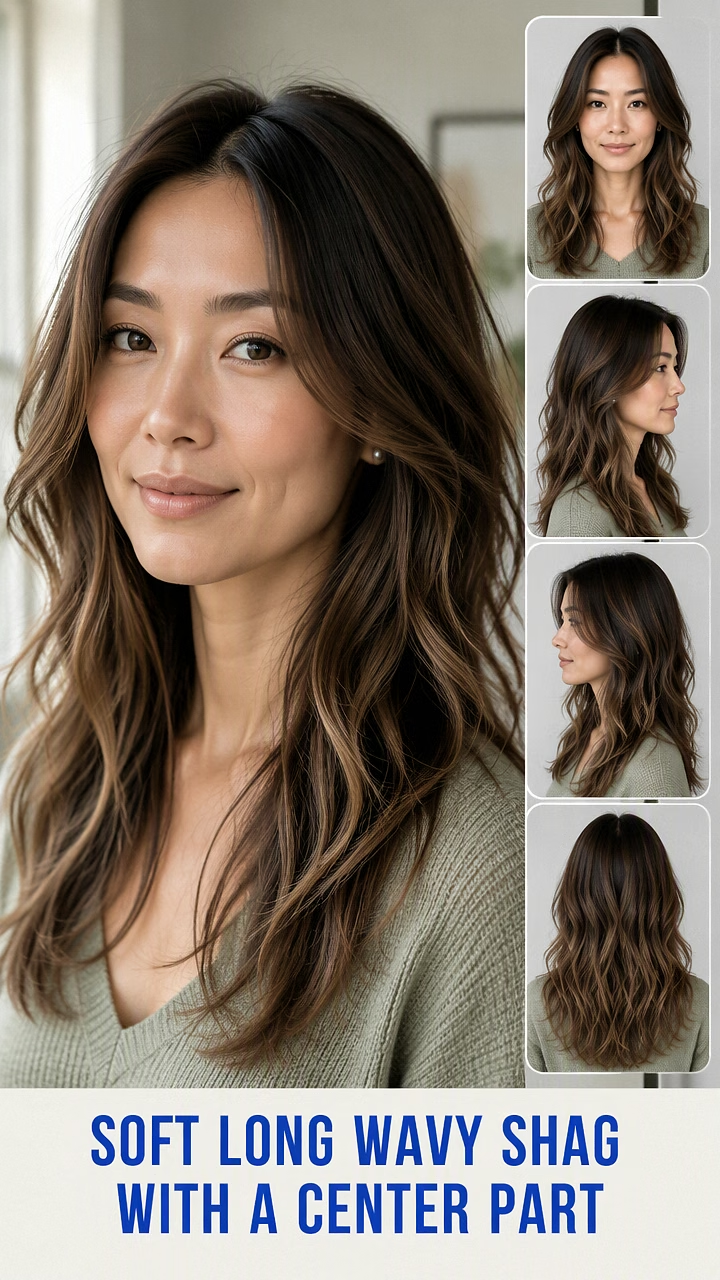
This relaxed shag keeps its length past the shoulders, with soft layers beginning around the cheekbones and blending into feathered ends. A center part leaves the forehead clear while the front pieces trace the face rather than forming a fringe. Loose, natural waves make the layers especially visible, and a warm brunette or subtle bronde balayage adds dimension without competing with the shape.
It suits medium-density wavy hair particularly well; straight hair can wear it too, though it may need a little more styling for definition. Air-dry with a light wave cream or scrunch in mousse, then touch up a few pieces with a large-barrel iron if desired. Ask for long, blended shag layers and no fringe. A refresh every 8–12 weeks helps keep the perimeter and face frame tidy.
Fine Hair Long Shag With Crown-Lifting Layers
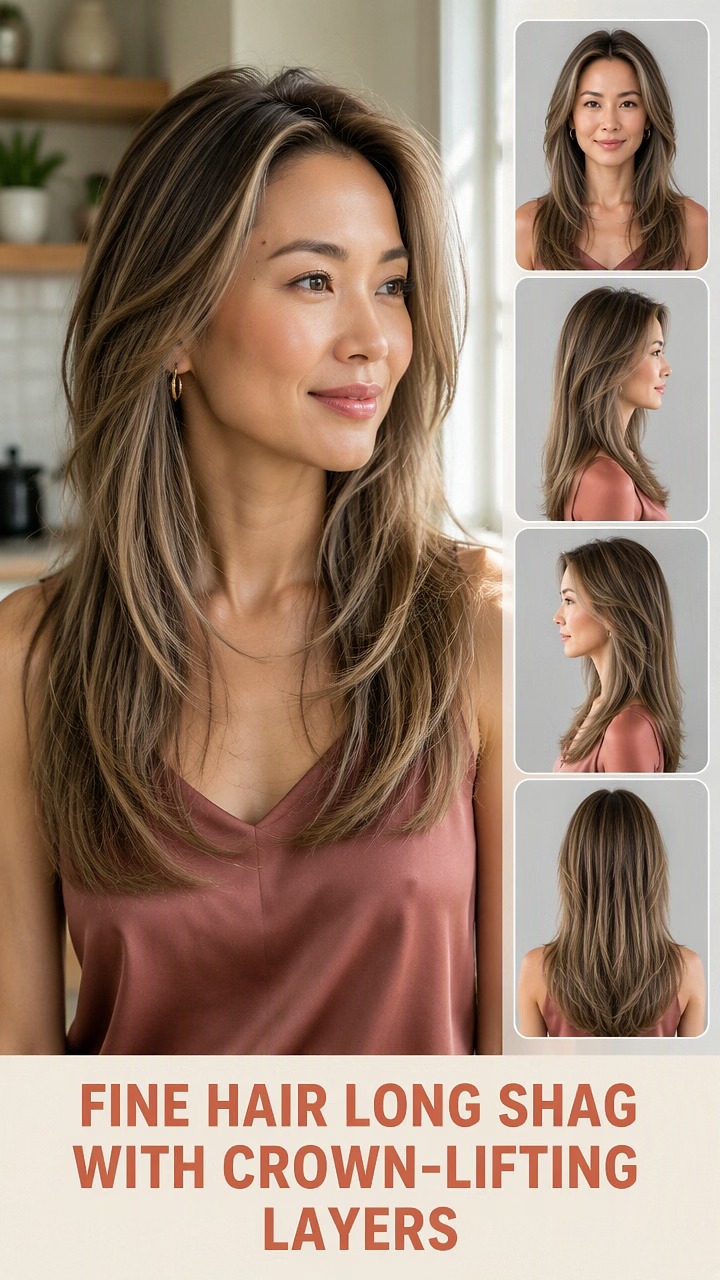
For fine hair, the goal is movement without sacrificing the feeling of fullness. This long shag preserves a substantial outline, then adds carefully placed shorter layers at the crown and gentle shaping around the face. The ends stay soft rather than heavily razored, so the cut looks airy but not wispy. A neutral blonde, soft beige balayage, or dimensional brunette can make those layers easier to see.
It flatters fine straight or slightly wavy textures and can add a little visual height to a longer face. Use root-lifting mousse at the crown and blow-dry with a round brush or your fingers; avoid loading the ends with heavy products. Ask your stylist to keep the bottom dense and add restrained crown layers. Plan a trim about every 8–10 weeks, since fine ends can show wear sooner.
Thick Long Shag With Internal Weight Removal
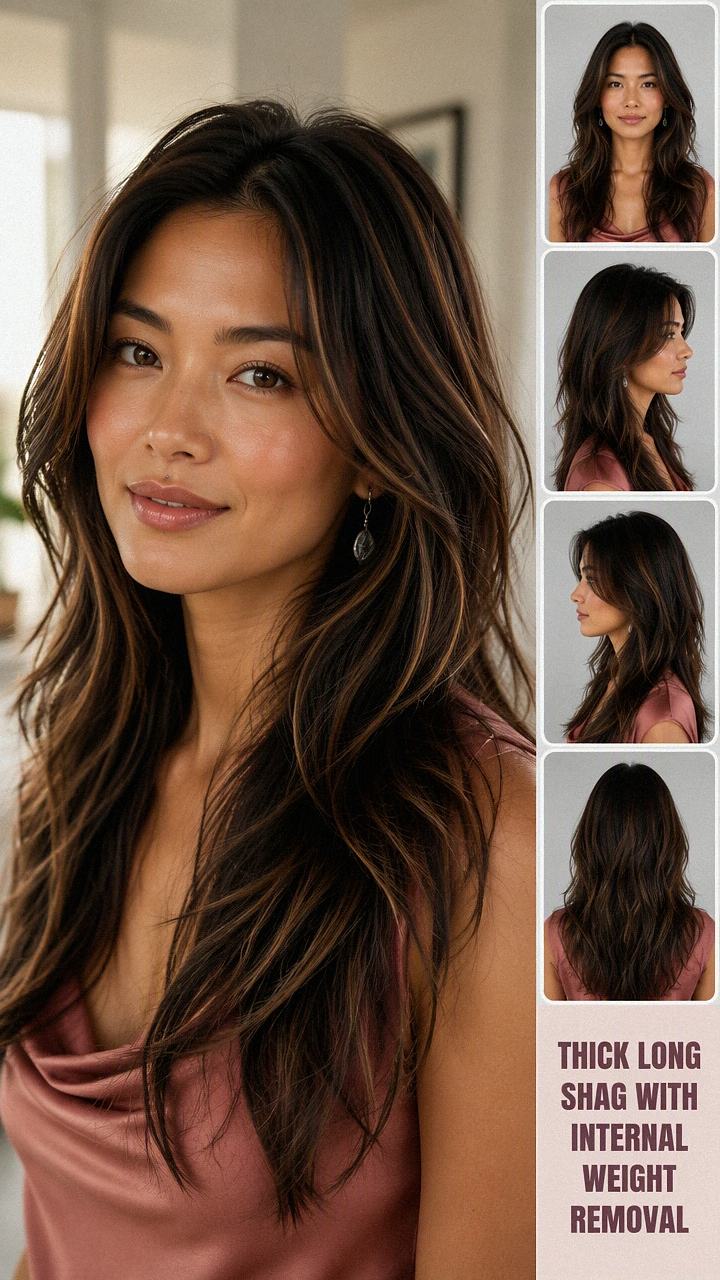
This version keeps a long, full outline while removing bulk from within the shape. The stylist builds visible shag layers through the crown and sides, then uses internal layering to help thick hair sit more comfortably without making the ends look sparse. Long front pieces open around the cheekbones, and the back falls in a softly textured shape. Deep brunette with caramel ribbons brings out the movement without requiring an all-over color change.
It works especially well on thick, wavy or straight hair, including round and oval face shapes that suit a long face frame. Smooth a small amount of leave-in cream through damp lengths and let the texture settle, or blow-dry with a paddle brush. Ask for weight removal inside the cut, not excessive thinning at the perimeter. Keep up with trims around every 8–12 weeks; growing out shorter layers takes patience.
Long Straight Shag With Polished Tapered Ends
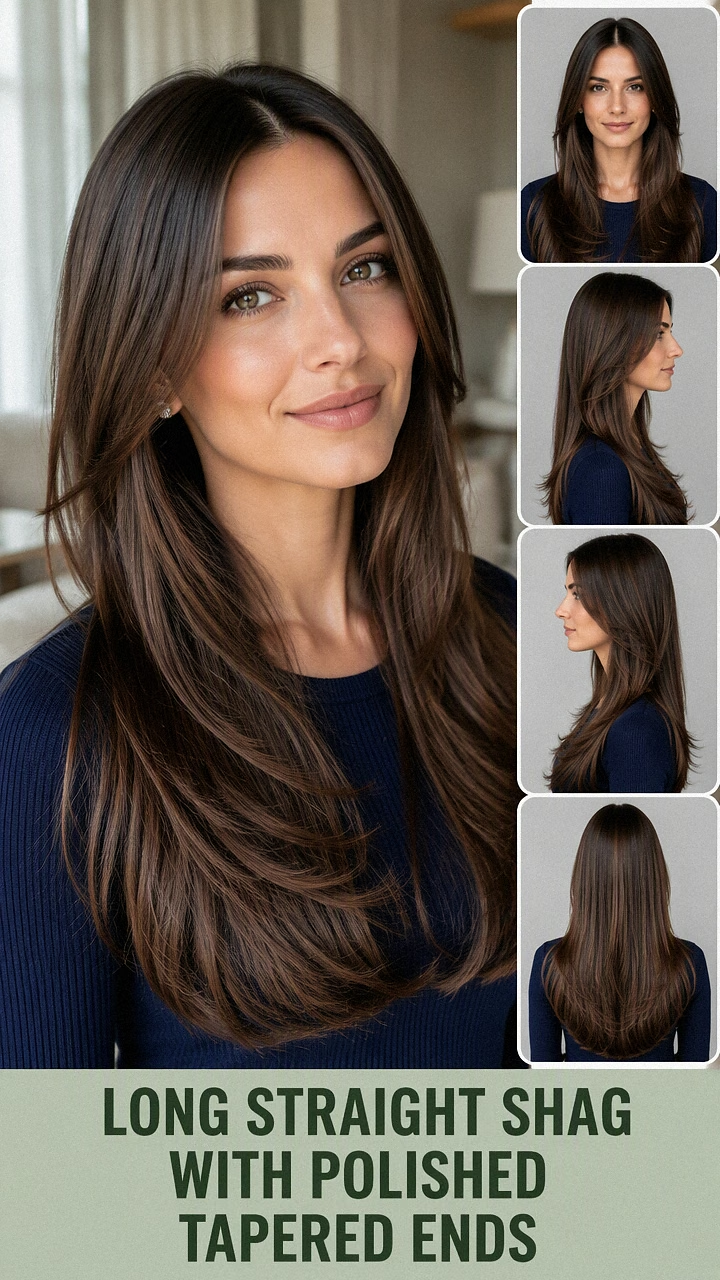
On straight hair, a shag can feel sleek rather than tousled. This long version uses clearly blended layers through the mid-lengths and a gentle taper at the ends, creating a soft outline without a choppy finish. A center or slightly off-center part keeps the front open, while face-framing pieces start below the cheekbones. Glossy espresso, rich chestnut, or a subtle root smudge with brighter ends suits the smooth, graphic finish.
Fine to medium straight hair shows the lines neatly; very thick hair may need internal shaping to prevent a bulky silhouette. Blow-dry with a heat protectant and paddle brush, then turn a few ends inward or outward with a flat iron for movement. Ask for long shag layers with a polished, tapered perimeter and no fringe. A trim every 8–10 weeks maintains the shape, though this style is easy to wear between visits.
Long Curly Shag With Rounded, Open Face Layers
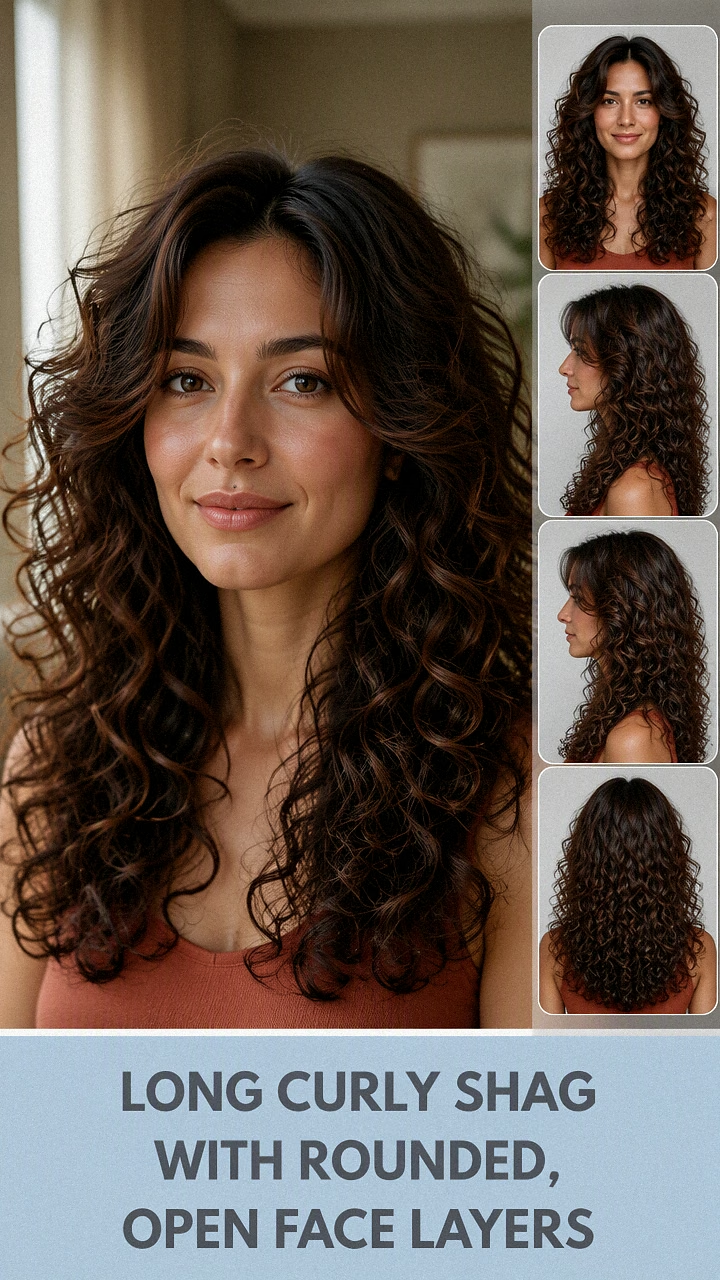
This curly shag has a softly rounded outline, with layered curls building shape through the sides and back while the front remains long and open. The layers are designed around the curl pattern, so they spring up naturally instead of falling into a flat curtain. Rich brown, copper, or delicate highlights can emphasize individual curls, while a single deep tone gives the silhouette a lush, uniform look.
It suits medium to thick curls and can work across several curl patterns when the stylist accounts for shrinkage and density. Apply curl cream or gel to soaking-wet hair, scrunch gently, and diffuse on low or let it air-dry. Ask for a curl-by-curl shape with longer front pieces and no fringe; a dry consultation can help clarify the finished length. Refresh roughly every 10–12 weeks, depending on how quickly the layers lose their shape.
Very Long Boho Shag With Cheekbone Framing
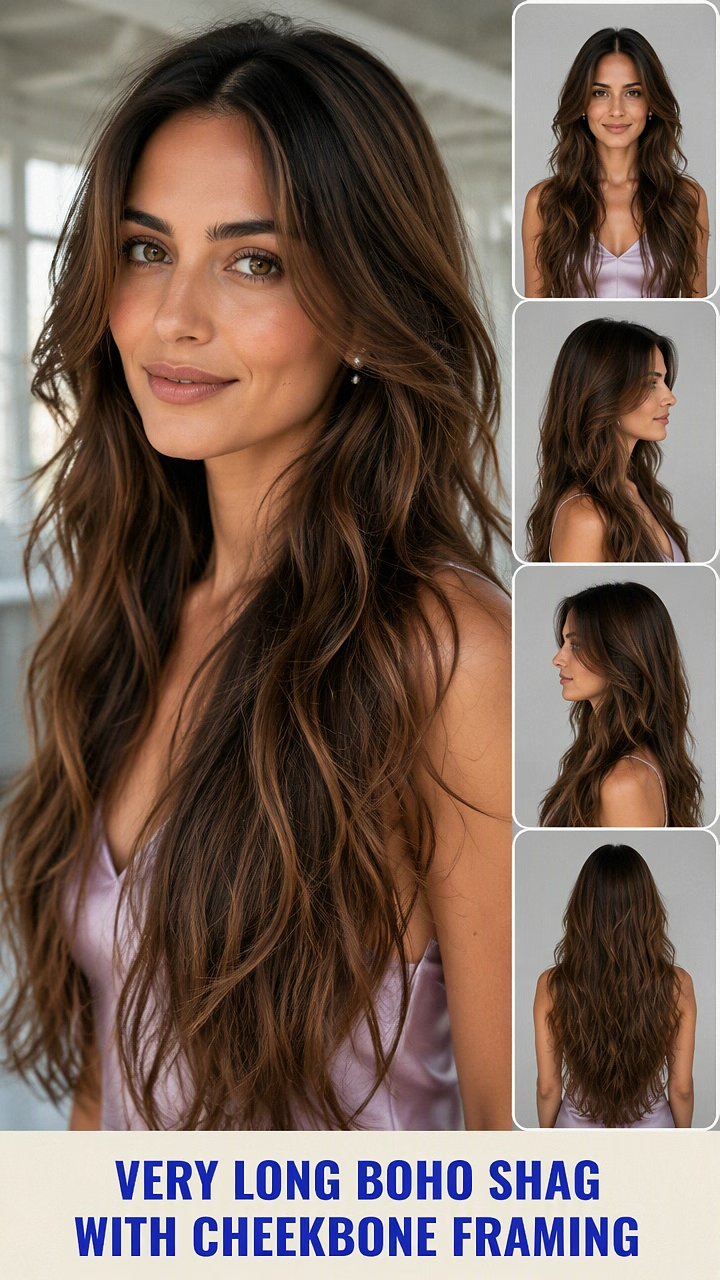
For anyone attached to extra-long hair, this boho shag keeps the length flowing well past the chest while adding shorter, soft layers around the crown and sides. The face frame begins at or below the cheekbones, then melts into long, feathered lengths. A center part creates an open, easygoing look, and loose bends keep the lower half from feeling too heavy. Sunlit caramel or honey balayage complements its relaxed mood.
Medium and thick hair often carry this shape with ease; fine hair may need more restrained layering to protect fullness. Use a leave-in conditioner and air-dry with a braid or a few loose twists for gentle bends, or curl only the mid-lengths. Ask for long layers that preserve the perimeter and face-framing pieces that stay below the cheekbones. Trim every 10–12 weeks; the longer length is forgiving, but split ends can make it feel less polished.
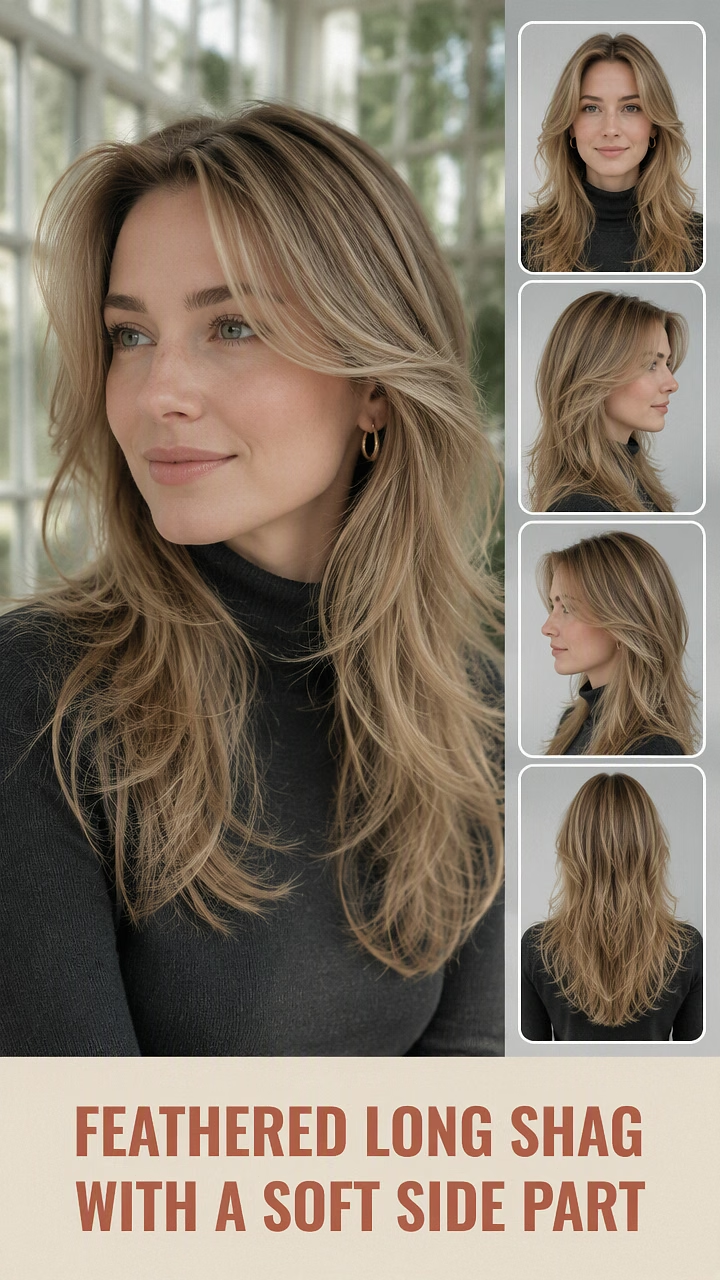
Feathered Long Shag With A Soft Side Part
Read more : 25 Choppy Long Bob Hairstyles Ideas That Feel Modern, Textured, And Easy To Style
A side part gives this feathered shag a graceful sweep without adding bangs. The shortest layers begin around the cheekbones and angle away from the face, while longer layers fan softly through the sides and back. The ends are light and flicked rather than blunt, creating a flowing, almost wind-swept finish. Honey blonde, sandy bronde, or warm medium brown makes the feathering especially noticeable.
This shape flatters straight and wavy hair and can soften angular jawlines; a deep side part also gives fine hair the appearance of extra lift. Blow-dry the front away from the face with a round brush, then use a light flexible-hold spray to keep the sweep airy. Ask for long feathered layers and a side-parted face frame, not a short fringe. A trim every 8–12 weeks keeps the angles intentional, though the part can take a little arranging after washing.
Choppy Long Shag With Piecey Textured Ends
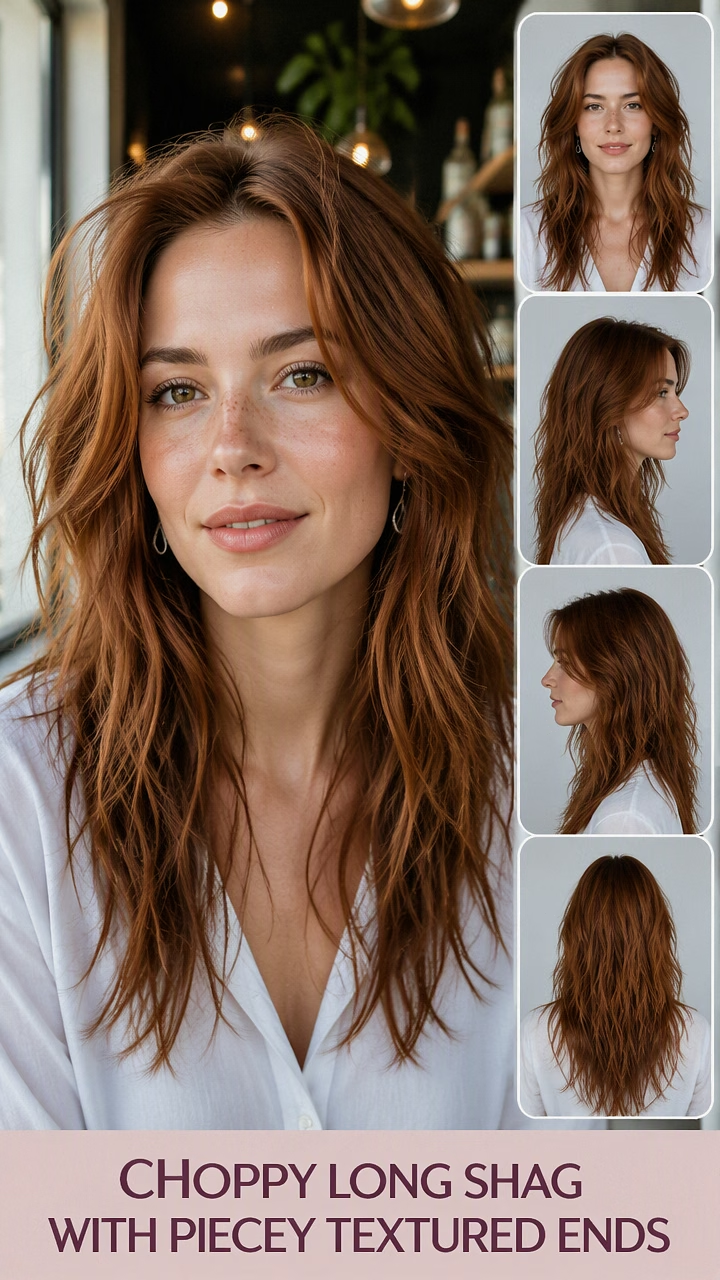
This more undone shag features visible, separated layers through the sides and back, with piecey ends that give long hair a casual rocker edge. The face stays uncovered, framed by long sections that start beneath the cheekbones. A slightly uneven finish keeps the shape lively without turning it into a short wolf cut. Copper, dark chocolate, or a lived-in root with lighter ends can highlight the texture.
Medium to thick hair with a natural wave tends to show off the choppy detail best. Straight hair can wear it too, but a texture spray or a few loose bends help reveal the separation. Scrunch a small amount of styling paste into dry ends rather than coating the full length. Ask your stylist for long, piecey layers with a strong enough perimeter to retain fullness. Refresh around every 8–10 weeks; the deliberate texture is forgiving, but heavy products can make the layers look limp.
Long Shag With A Subtle Face Frame
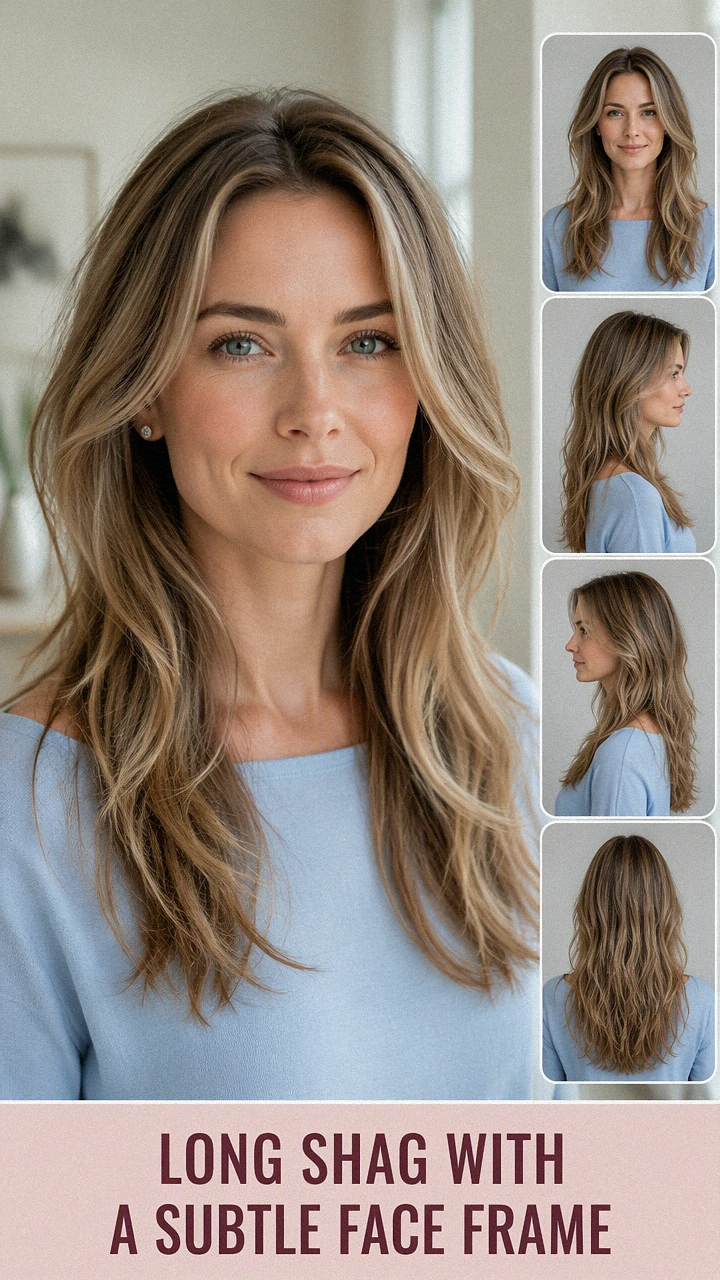
If you want a noticeable change without dramatic short layers, this subtle shag is a gentle starting point. Most of the shaping sits around the front and collarbone, while the back retains a longer, fuller line. The face frame begins below the cheekbones and blends gradually, so there is no fringe to push aside or maintain. Soft brunette, natural dark blonde, or delicate tonal highlights keep the understated shape looking dimensional.
This is an easy match for straight or wavy hair and works well for first-time shag wearers who prefer a polished result. A round brush can bend the front pieces away from the face, while a light styling cream helps define the ends. Ask for barely-there shag layers, long front pieces, and a preserved perimeter. Trim every 10–12 weeks, or sooner if the front loses its shape. The trade-off is a quieter, less dramatic shag effect.
Long Blonde Shag With A Smudged Root
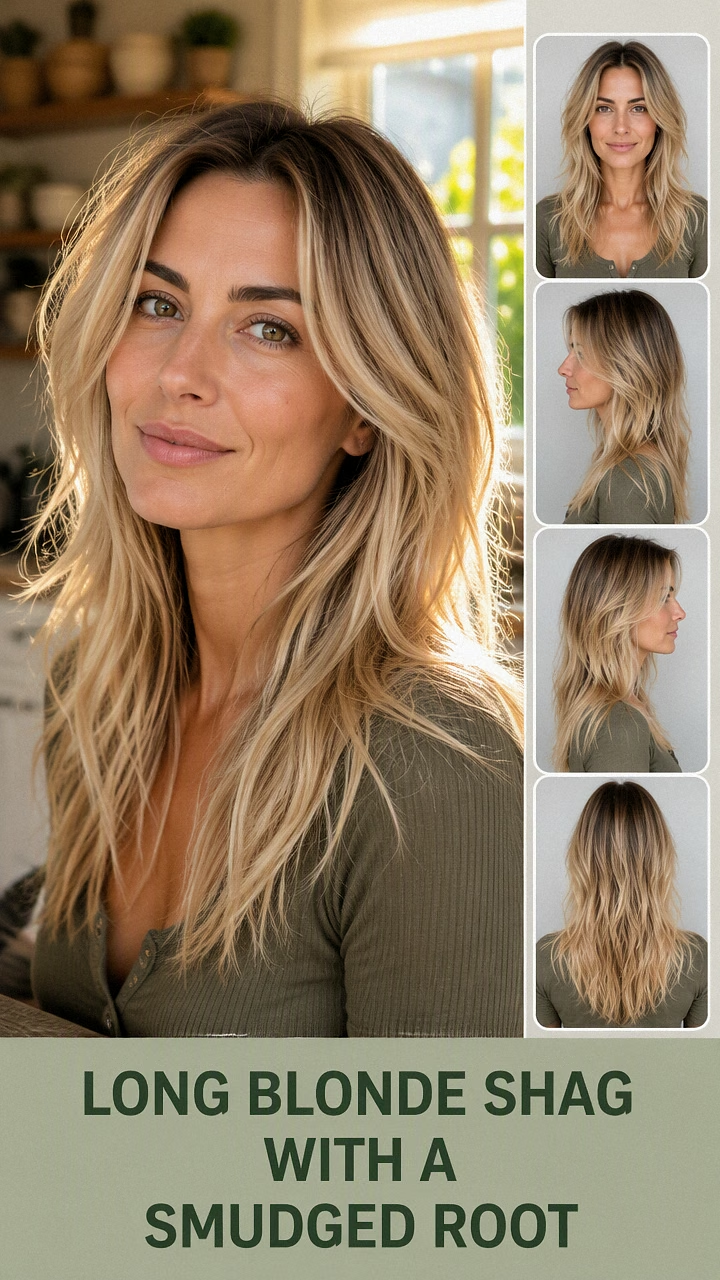
This light-catching shag pairs a soft, layered silhouette with blonde lengths and a deeper, blended root. The cut stays long, with airy crown layers, textured sides, and tapered ends that reveal movement as the hair falls. A center part keeps the forehead clear, while long face-framing pieces soften the transition into the sides. The root depth makes the overall color feel lived-in rather than like a solid sheet of blonde.
It suits straight, wavy, and medium-density hair, though color-treated lengths may benefit from a gentler styling routine. Use a heat protectant before blow-drying and a lightweight conditioner that will not weigh down the layers. Ask for a long no-bang shag with a blended root and soft, rather than overly thinned, ends. Color maintenance varies with the chosen blonde and natural root contrast; discuss a realistic refresh schedule with your colorist. Shape trims every 8–12 weeks keep the shag balanced.
Long Brunette Shag With Caramel Ribbon Highlights
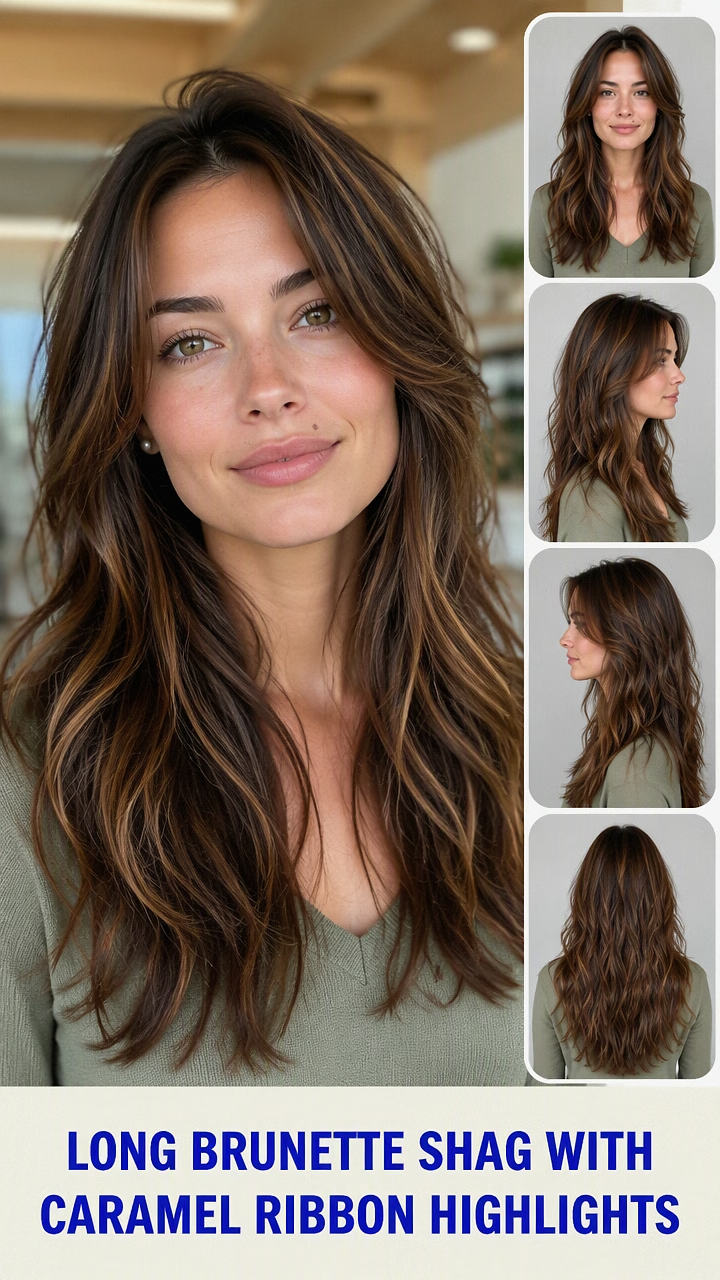
Caramel ribbons add warmth to this brunette shag without changing its rich overall depth. Long layers lift the crown and break up the sides, while feathered pieces frame the face from below the cheekbones. The back remains long and flowing, with textured ends that look especially pretty when they bend into loose waves. Choose a warm chocolate base with fine caramel accents for a soft, dimensional finish.
Medium to thick hair, especially natural waves, brings out the contrast between the layers and color. Use a curling wand on a few sections or scrunch in mousse and let the hair air-dry; a shine serum on the ends can smooth flyaways. Ask for long shag layers and fine, blended highlights placed to emphasize movement. Keep trims around every 8–12 weeks, and let your colorist set the refresh interval based on how subtle you want the ribbons to remain. The finish looks less defined when worn completely flat.
Long Shag With A Soft V-Shaped Back
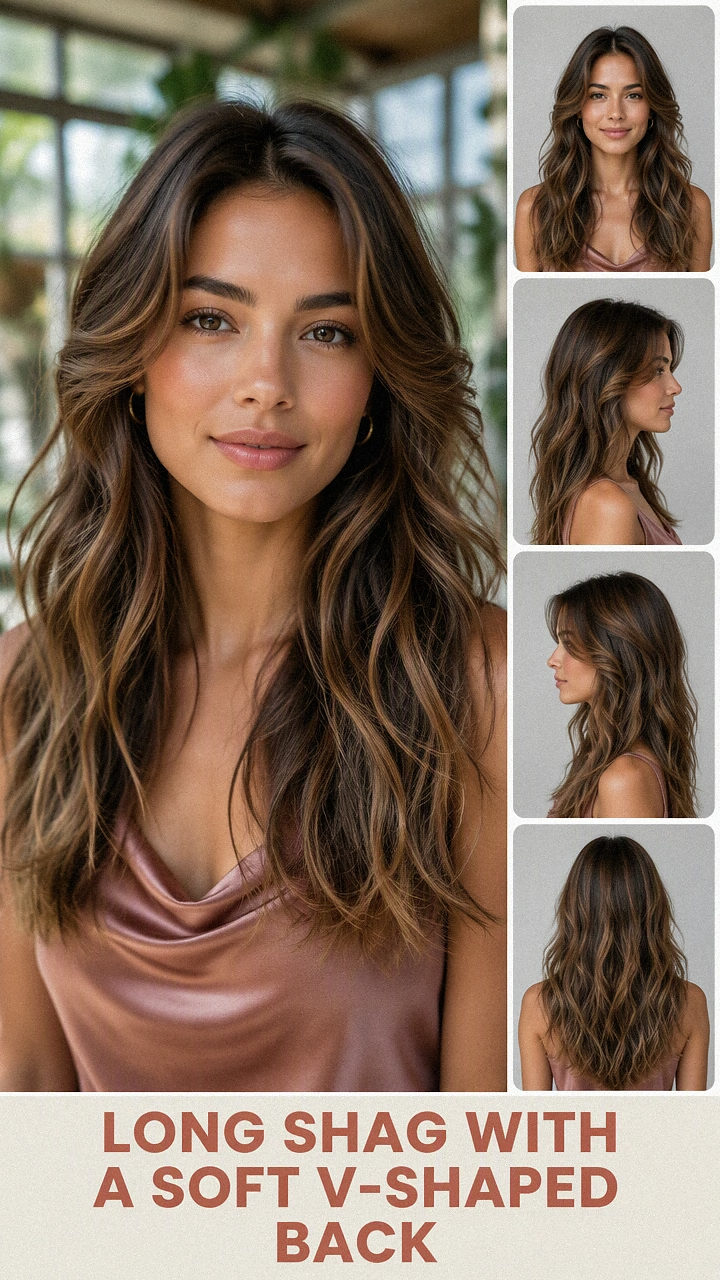
Viewed from behind, this shag narrows into a soft V, allowing the long layers to cascade toward a gently pointed center. The sides stay full enough to frame the body of the hair, while feathered pieces around the face keep the front open and balanced. The effect is more flowing than sharply geometric, with textured ends that move beautifully over the shoulders. Natural brunette or softly blended balayage suits the layered outline.
It works particularly well on medium to thick hair with some length to show the shape; fine hair may look thinner at the point if too much is removed. Ask your stylist for a subtle V perimeter and long, blended shag layers rather than an extreme point. Style with a large round brush or loose waves to show the back shape. Trim every 8–12 weeks to maintain the outline. Be aware that the V can look less full than a rounded or blunt perimeter from the back.
Long Shag With A Rounded U-Shaped Perimeter
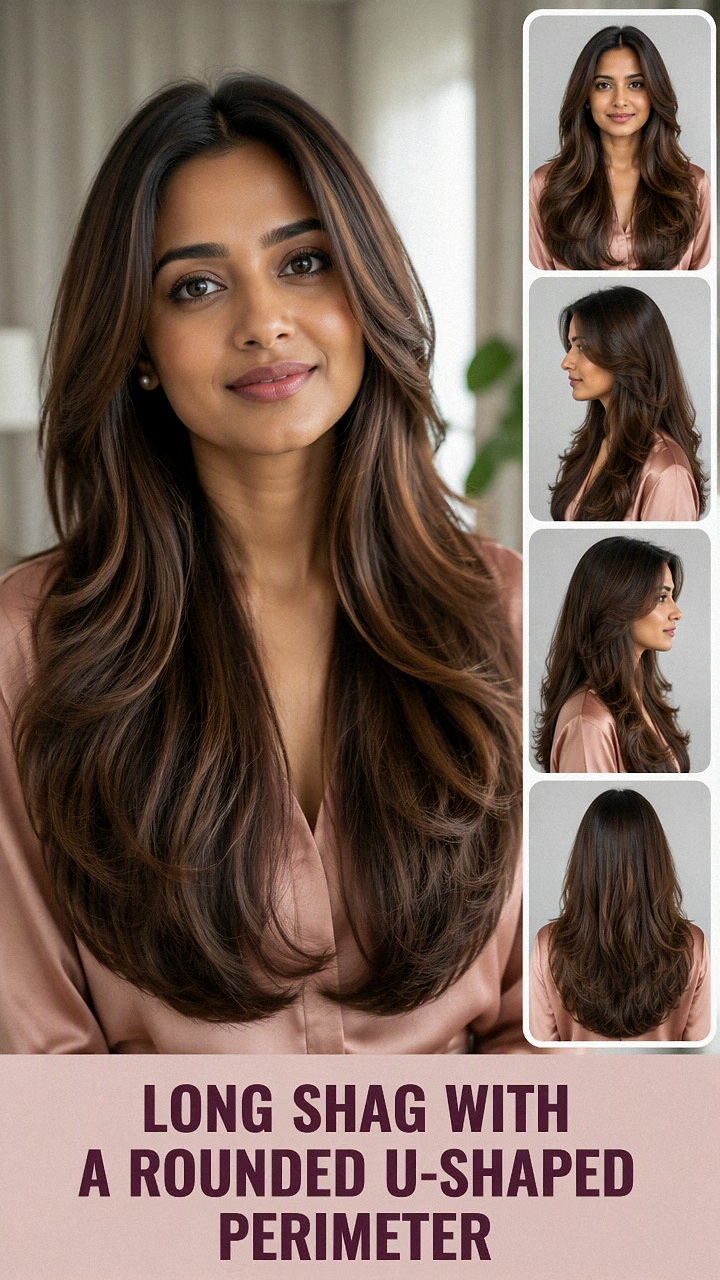
Instead of tapering to a point, this long shag finishes in a soft U shape that looks full and balanced from behind. Layers start around the crown and sides, then blend into the curved perimeter; long front pieces frame the face without becoming bangs. The overall silhouette feels romantic and flowing, with less separation at the ends than a choppy shag. Glossy chestnut, dark blonde, or soft bronde enhances the curved outline.
This is a thoughtful option for fine or medium hair because the ends retain a sense of density, while wavy texture adds natural movement. Blow-dry with a paddle brush for a smooth finish or enhance the bends with a diffuser. Ask for a long U-shaped perimeter with soft shag layers and no short fringe. A trim every 8–12 weeks helps maintain the curve. Compared with a V shape, it may feel less dramatic, but it is often easier to style into a polished everyday look.
Long Shag With A Bouncy Blowout Finish
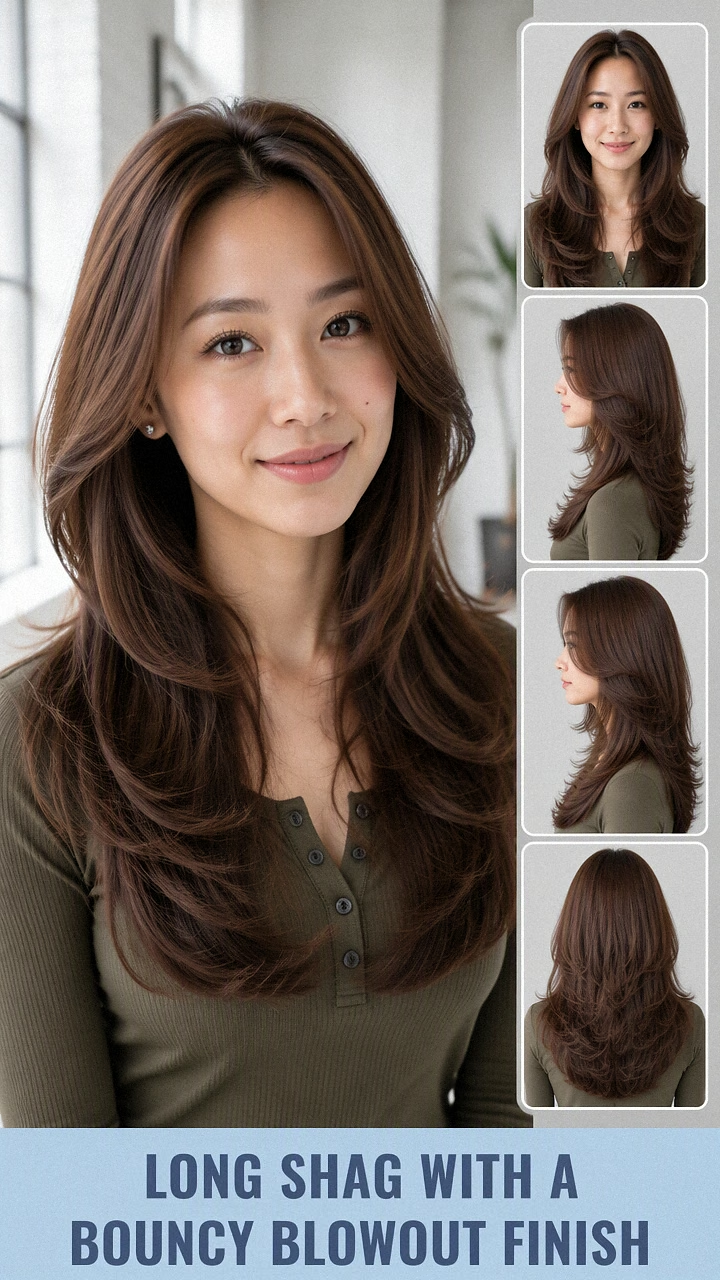
This polished take on the long shag uses rounded, blended layers that lift around the crown and swing away from the face. The front pieces start around the cheekbones, while the back layers fall in soft, airy tiers. No fringe means the forehead remains visible, and the overall finish is smooth with a little bounce rather than deliberately messy. Warm blonde, rich brunette, or subtle highlights can help the curves catch the light.
Read more : 28 Long Pixie Hairstyles for Fine Hair Ideas That Add Shape, Texture, and Volume
It suits straight and wavy hair that responds well to a blow-dry, and medium density gives the layers a buoyant appearance. Work in heat protectant and a light volumizing mousse, then use a round brush or blow-dry brush to turn sections away from the face. Ask for long, rounded layers with movement but no short crown pieces. Trims every 8–10 weeks keep the shape springy. This look takes more styling time than an air-dried shag, especially on very long or thick hair.
Air-Dried Long Shag For Natural Waves
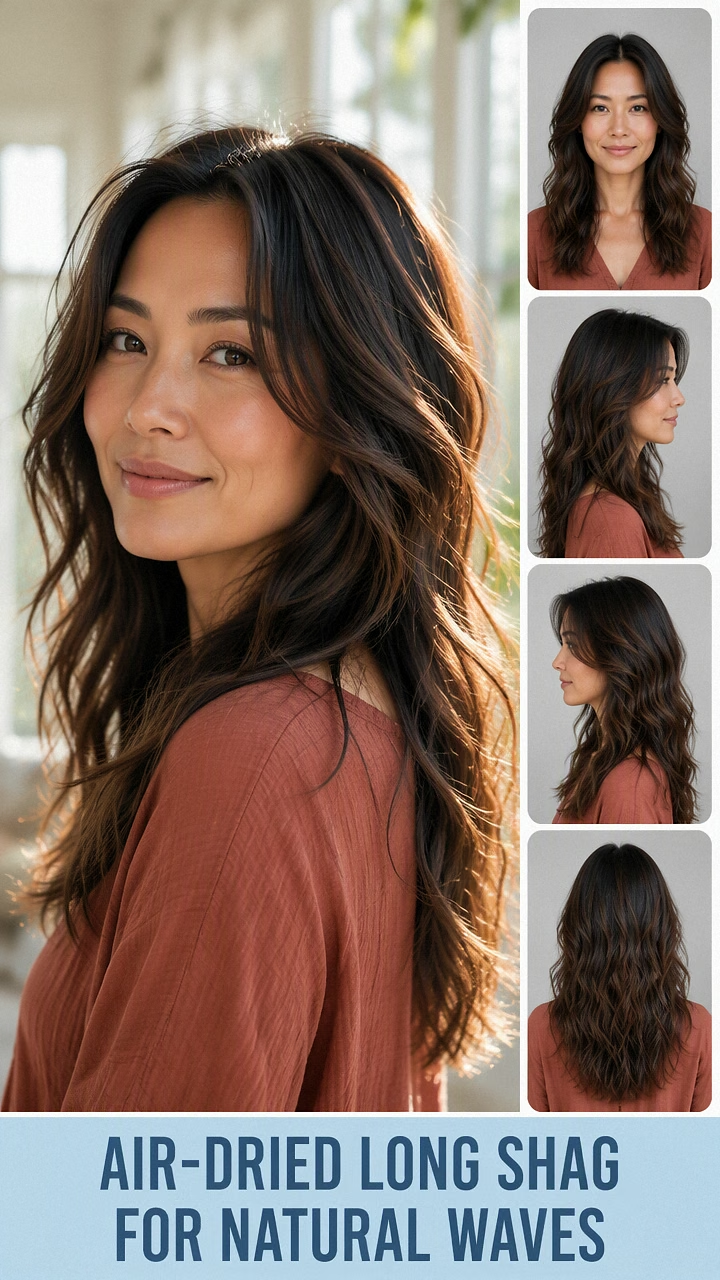
This easygoing cut is shaped to work with natural bends rather than against them. Soft layers remove some heaviness from the crown and sides, while the long perimeter stays relaxed and slightly irregular. Long pieces around the face keep the look open, and the ends are textured enough to move without requiring a blowout. A natural brunette, copper brown, or softly sunlit color gives the finish an effortless, outdoorsy feel.
It is especially suitable for wavy hair that already forms a loose pattern; straighter textures may need a braid or light scrunching to create similar movement. Apply a leave-in cream or wave mousse to damp hair, scrunch, and let it dry without brushing. Ask for a shag tailored to your natural wave, with long front pieces and no fringe. A trim every 10–12 weeks is generally easy to manage. Air-drying saves tool time, though humidity or uneven wave patterns may call for a quick touch-up.
Long Shag With A Deep Side-Parted Lift
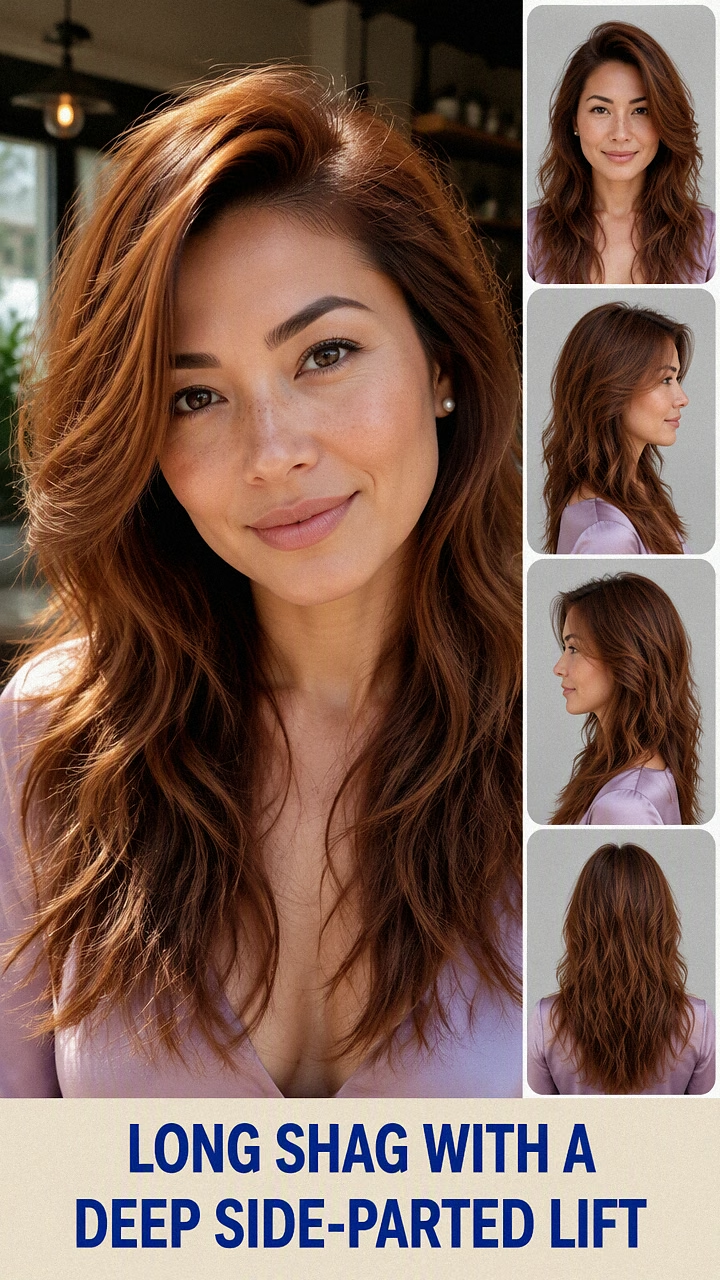
A deep side part creates a sweeping front and visible height at the crown, while the rest of this long shag falls in soft layers. The longest face-framing piece angles across the side and blends into the lengths instead of crossing the forehead like a bang. The back is lightly layered, with ends that can be worn smooth or waved. A dimensional brunette or warm copper shade makes the shape feel rich and expressive.
Fine and medium hair can benefit from the extra visual lift, while wavy hair gives the layers natural softness. Blow-dry the roots in the opposite direction first, then set the part where you want it; a light mousse adds hold without stiffness. Ask for a long shag with a deep side part and extended front layers, not a short side fringe. Refresh every 8–12 weeks. The part may need resetting after washing, and a strong cowlick can influence where it sits most comfortably.
Long Razor Shag With Airy Frayed Ends
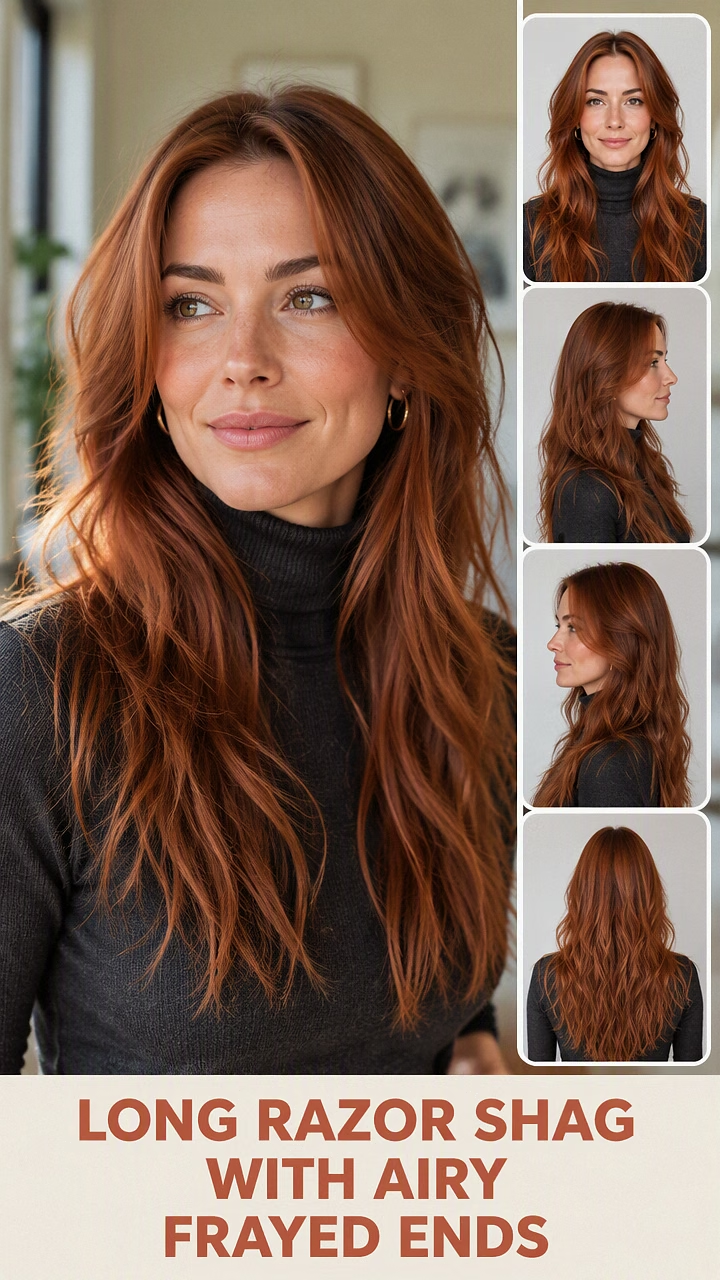
A razor-textured finish gives this long shag light, feathered edges and a soft, airy movement through the sides. The layers are visible but blended, with long front pieces that sit below the cheekbones and no fringe across the forehead. The perimeter looks gently frayed rather than blunt, creating an undone finish that is especially pretty in motion. Warm auburn, copper, or dimensional brown can bring out the delicate texture.
Wavy and medium-to-thick hair often show the finish well; on fragile or very fine ends, a razor may not be the preferred technique. Discuss your hair history and texture with your stylist before choosing the cutting method. Style with a small amount of cream or texture spray and use fingers to separate the ends. Ask for airy long shag layers and a softly frayed finish suited to your hair. Trim about every 8–10 weeks; the light ends can need shaping sooner than a blunt cut.
Long Soft Wolf Shag With Blended Crown Layers
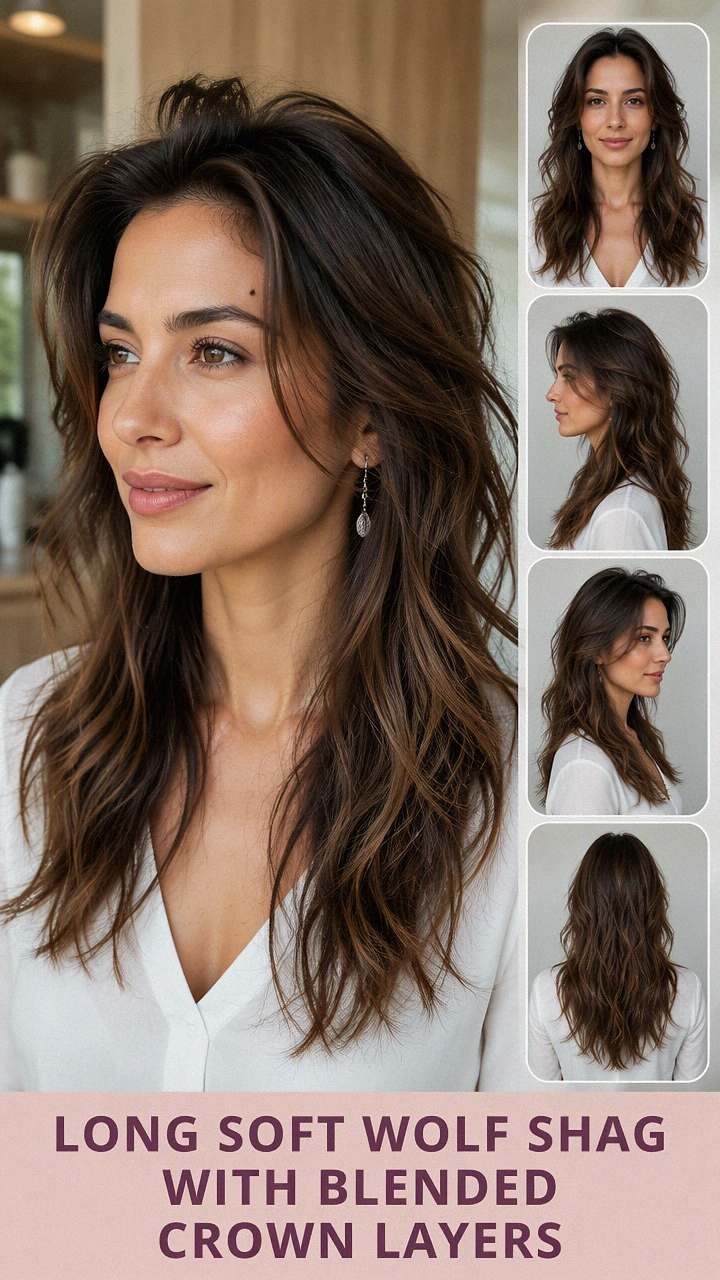
This softer wolf-inspired shag gives the crown extra lift and texture while keeping the longer back and sides blended. The shape has more contrast than a barely-there shag, but it avoids a disconnected mullet effect. Long face-framing sections leave the forehead uncovered, and textured ends add a casual, modern finish. Dark roots with lighter balayage or a single dimensional brunette shade both show off the layers.
Medium and thick hair, particularly with a natural wave, carries the volume well; very fine hair may need a gentler crown to preserve fullness below. Scrunch in mousse for a tousled finish or blow-dry the crown with a round brush for extra lift. Ask for a soft wolf-shag silhouette, blended crown layers, and long front pieces with no fringe. Trim every 8–10 weeks if you want to maintain the contrast. Growing out the shorter crown layers can take time, so ask for a conservative first version if you are unsure.
Long Shag With Subtle Flicked-Out Ends
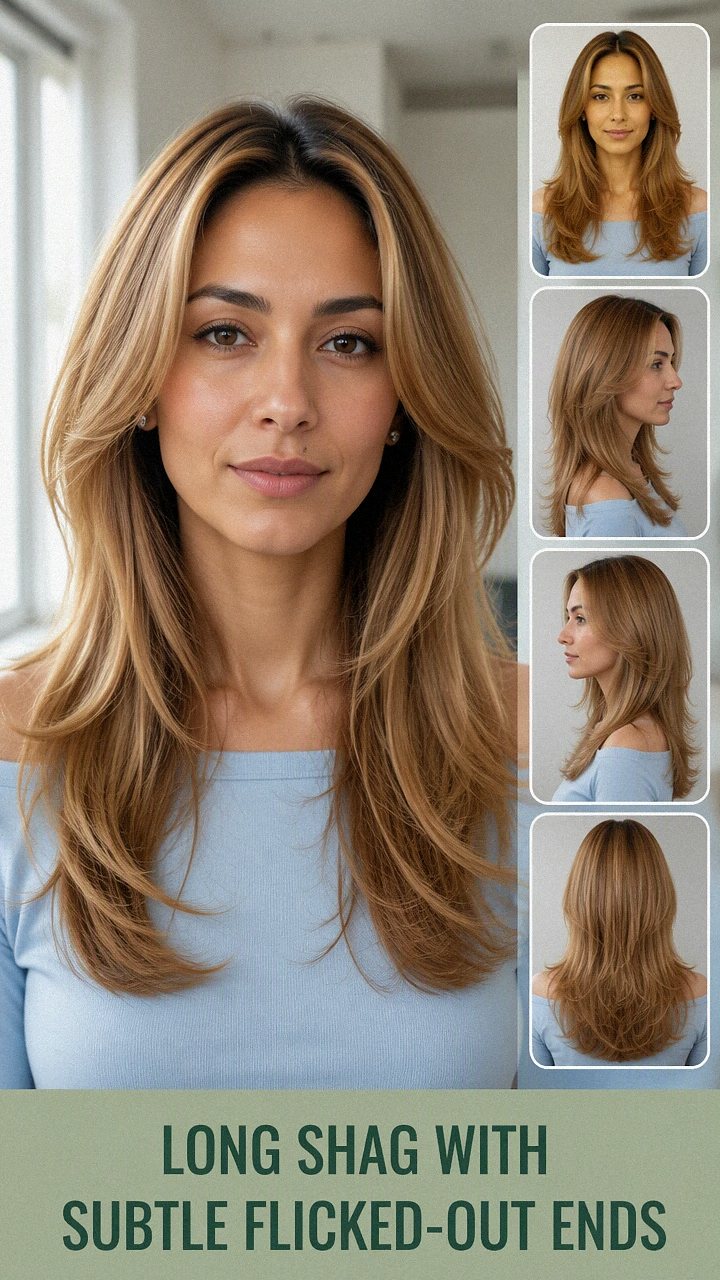
Long layers in this cut turn outward at the ends, giving the silhouette a playful flick without shortening the overall length. The crown stays lightly lifted, and the sides have enough shaping to move around the shoulders. Face-framing sections start below the cheekbones and blend into the flicked layers, leaving the forehead clear. A warm blonde, soft copper, or glossy brunette makes the curved tips easy to notice.
Straight and slightly wavy hair show the flipped finish most clearly, while thick hair may need a blow-dry to encourage the ends to turn. Use heat protectant and a round brush, or bend selected pieces outward with a flat iron. Ask for long shag layers with a gentle outward finish, not a heavily feathered fringe. Trim every 8–10 weeks so the ends keep their shape. This look has a more styled feel than an air-dried shag and may need a few minutes with a tool on wash days.
Long Shag With Glossy Black Waves
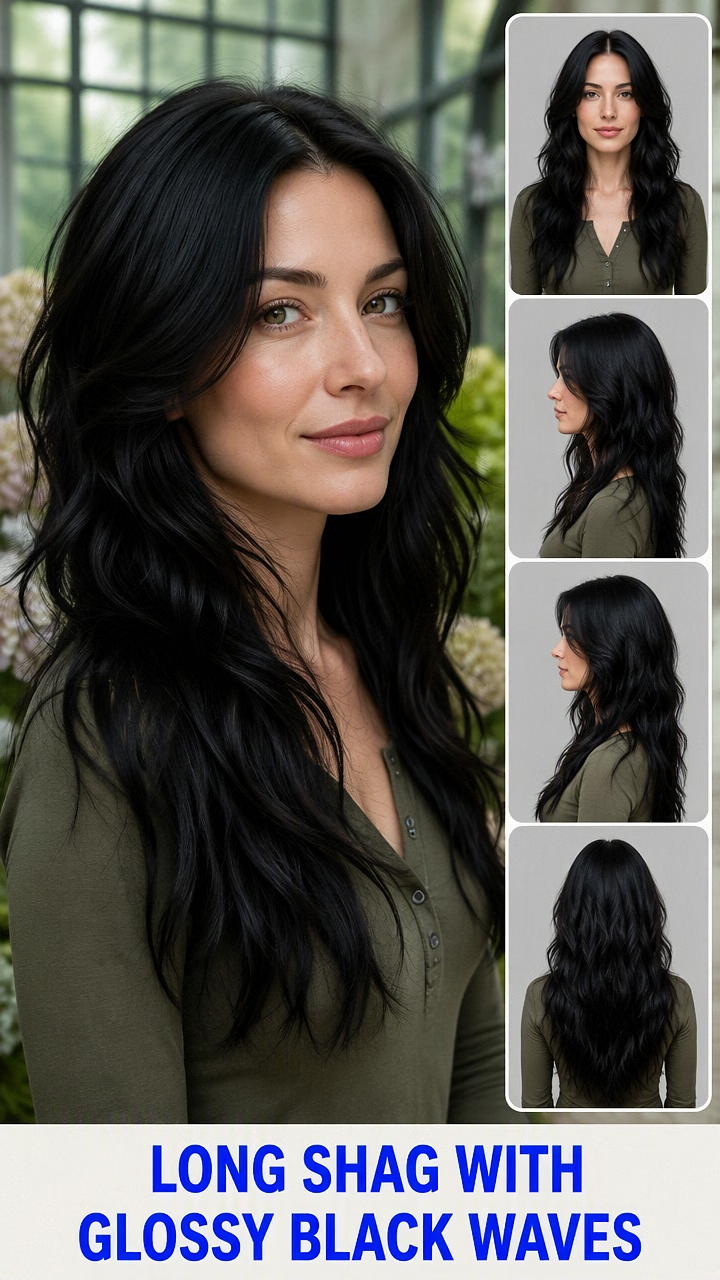
Deep black or near-black color gives this long shag a striking, polished backdrop for soft waves and layered movement. The cut includes airy crown shaping, long sides that open around the cheekbones, and textured ends that keep the dark length from reading as one solid curtain. A center part maintains the no-bangs look, while a glossy finish adds definition without making the layers appear severe.
Medium to thick hair carries the shape beautifully; finer hair can wear it with fewer layers and a fuller perimeter. Create loose bends with a large-barrel iron or enhance natural waves with a light curl cream. A shine product on the mid-lengths and ends can emphasize the reflective finish, but use sparingly to avoid flattening the crown. Ask for long, blended shag layers and movement through the ends. Trim every 8–12 weeks. The dark color shows texture most clearly when the hair has a little bend or natural shine.
Long Silver Shag With Soft Natural Dimension
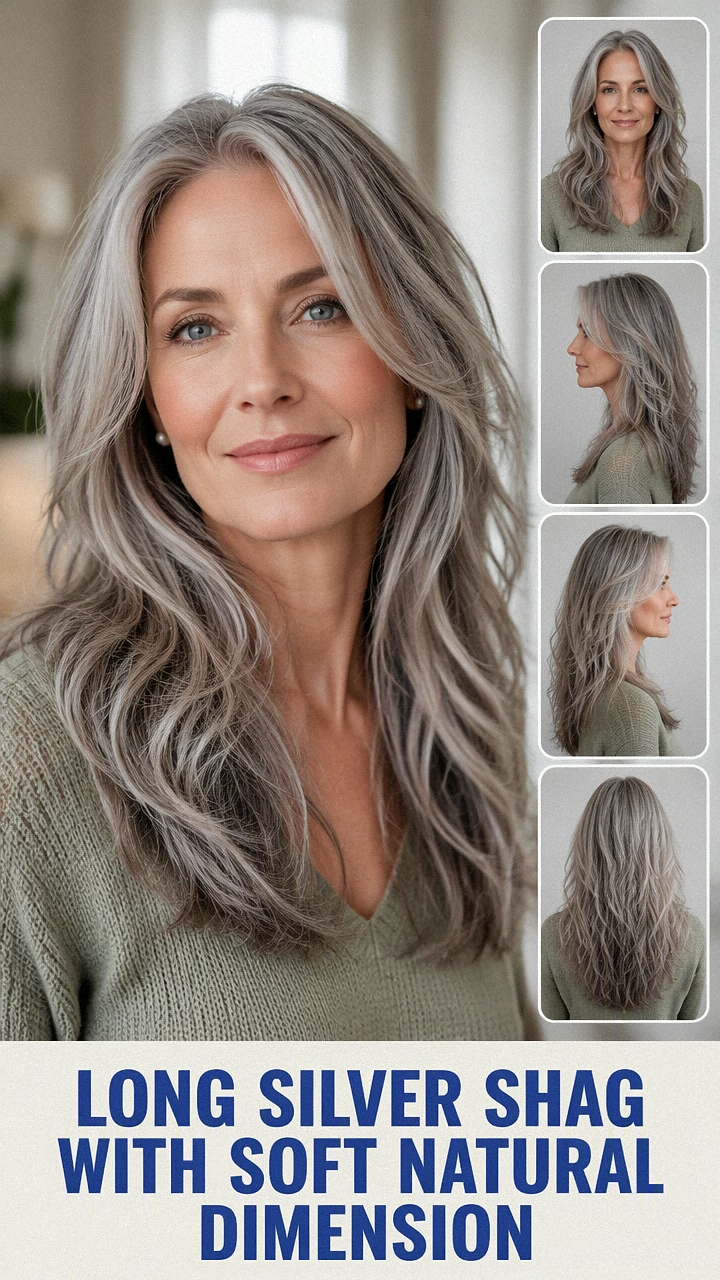
A long shag can make naturally silver or gray hair feel modern and fluid. This version keeps the length, adding soft crown layers and face-framing pieces that begin below the cheekbones. Feathered, gently textured ends create movement through the back without making the shape look overly wispy. Natural variations in silver, charcoal, and white create dimension on their own, while a center or off-center part keeps the face open.
It works across straight, wavy, and curly textures when the layers are shaped for the hair’s density. Use a lightweight conditioner and a soft styling cream, then air-dry or diffuse to bring out natural texture. Ask for a long no-bang shag that preserves the perimeter and works with your natural color pattern. Trim every 8–12 weeks, adjusting to your preferred outline. Silver lengths can show dryness or uneven texture, so gentle heat habits and regular conditioning help the finish look considered rather than rough.
Choosing Your Long Shag Without Bangs
The most flattering long shag is the one that works with your natural texture, feels comfortable around your face, and fits the time you want to spend styling. Bring a reference photo to your stylist, then talk through your face-framing length, desired fullness, and how often you prefer to trim. With thoughtful layers and no fringe to manage, you can keep the length you love while giving your hair a lighter, more expressive shape.
Sources: https://www.hairstyleeditor.com
Category: Long