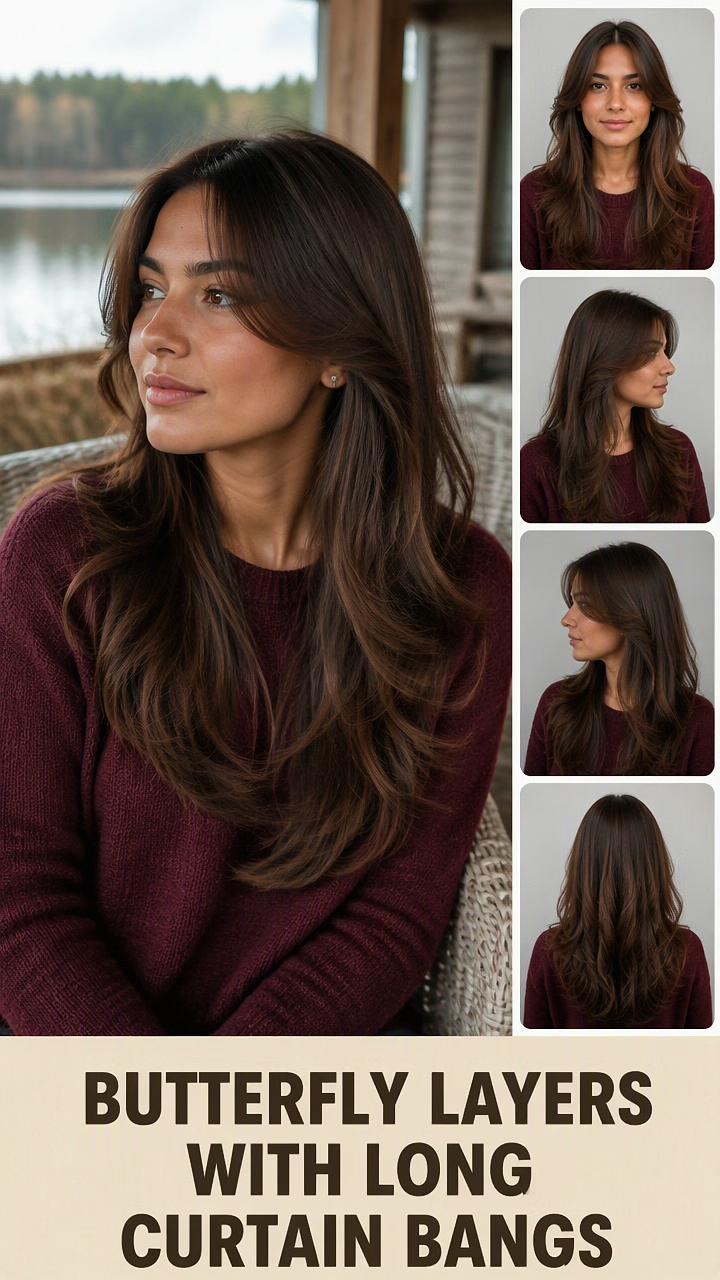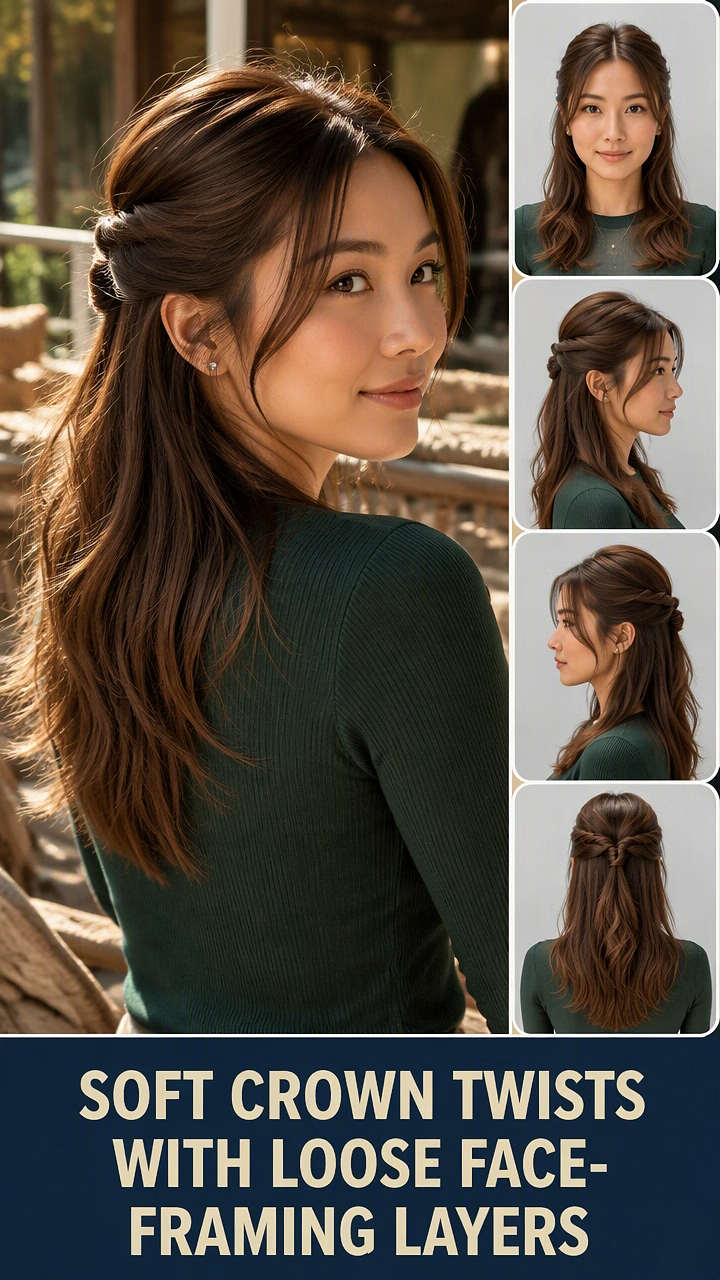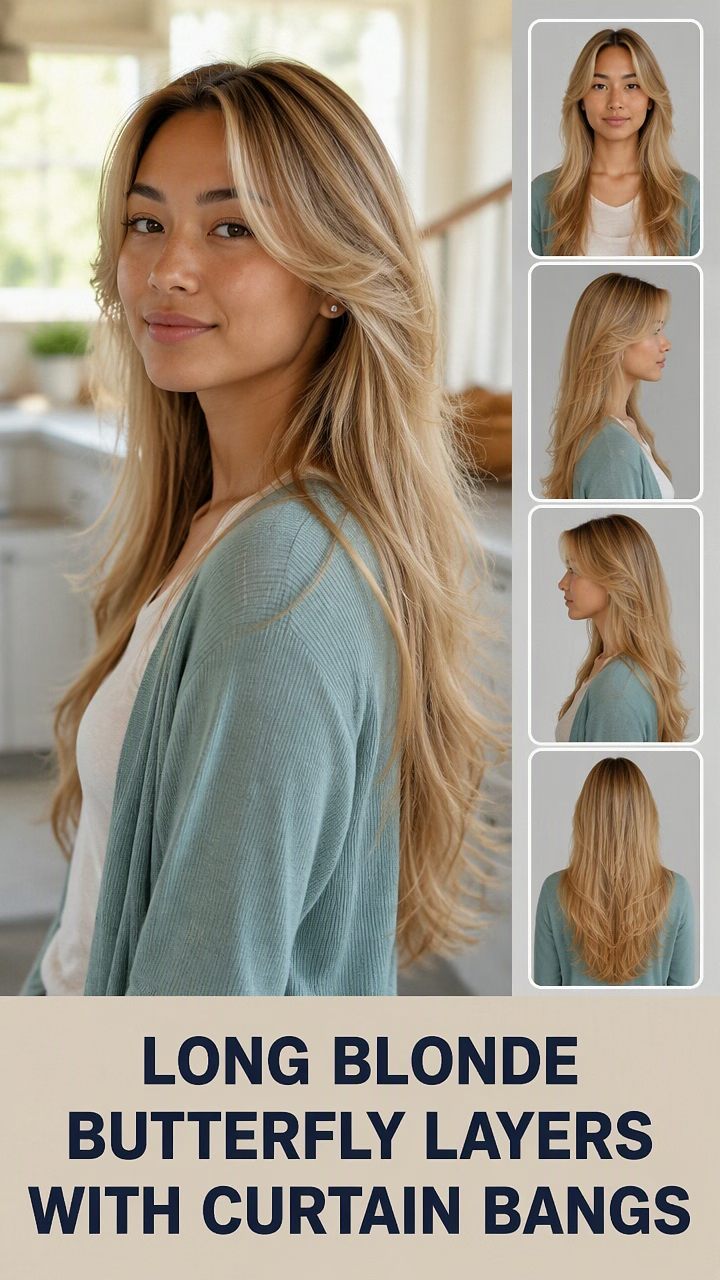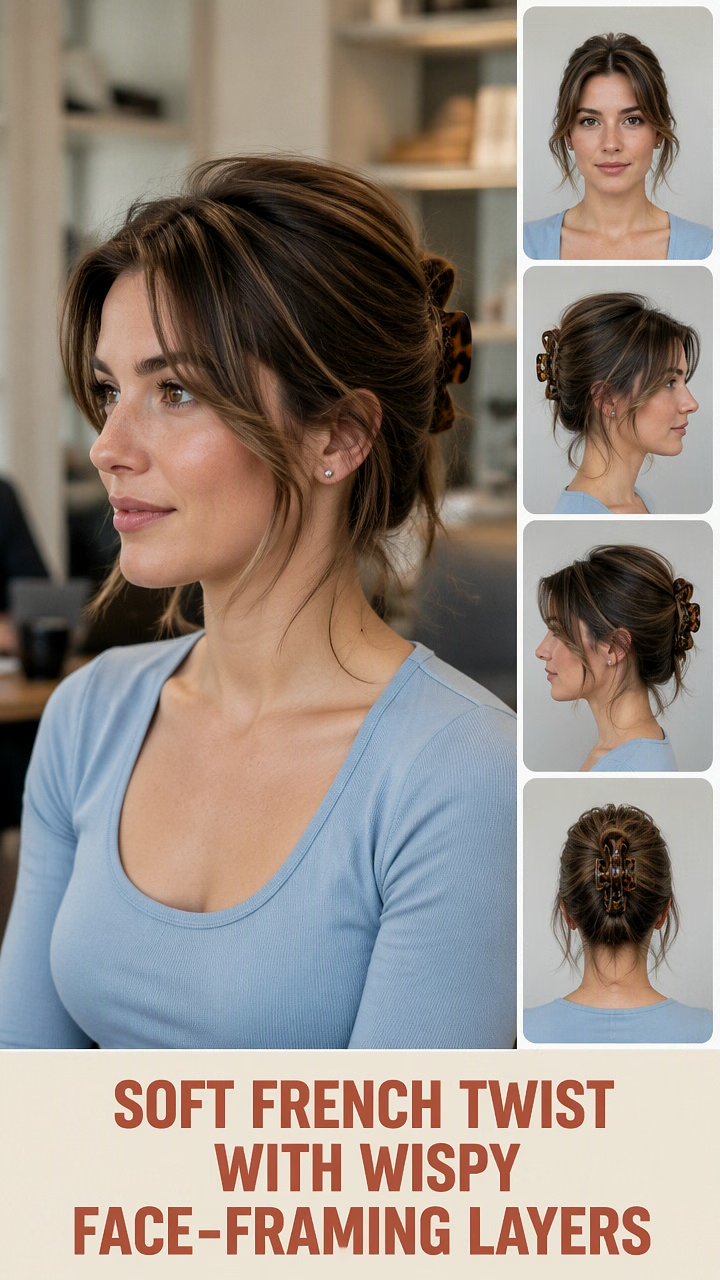
- 21 Long Shag Hairstyles for Older Women Over 50 That Feel Fresh and Flattering
- 24 Long Pixie Gray Hairstyles Ideas That Make Silver Hair Feel Fresh and Modern
- 32 Inverted Long Bob Hairstyles Ideas That Feel Fresh, Flattering, And Modern
- 30 Long Bob Hairstyles With Curtain Bangs Ideas That Feel Fresh, Soft, And Easy To Style
- 21 Shag Hairstyles Medium Long Bangs Ideas For Lively, Flattering Hair
There is something wonderfully freeing about hair that looks soft, touchable, and a little undone. Long messy shag hairstyles bring movement back to long lengths, framing your features while letting your natural texture take the lead. Whether you want airy bangs, a bold wolf-inspired shape, or just enough layering to make your waves feel alive, the right shag can feel fresh without feeling like a whole new you.
You Are Watching: 23 Long Messy Shag Hairstyles For Easy, Flattering Movement
These ideas range from relaxed, wash-and-wear shapes to more defined cuts that reward a little styling. Use them to find a look that suits your hair’s density and texture, then ask your stylist to tailor the layers and fringe to your face and routine.
Long Messy Shag Hairstyles To Inspire Your Next Cut
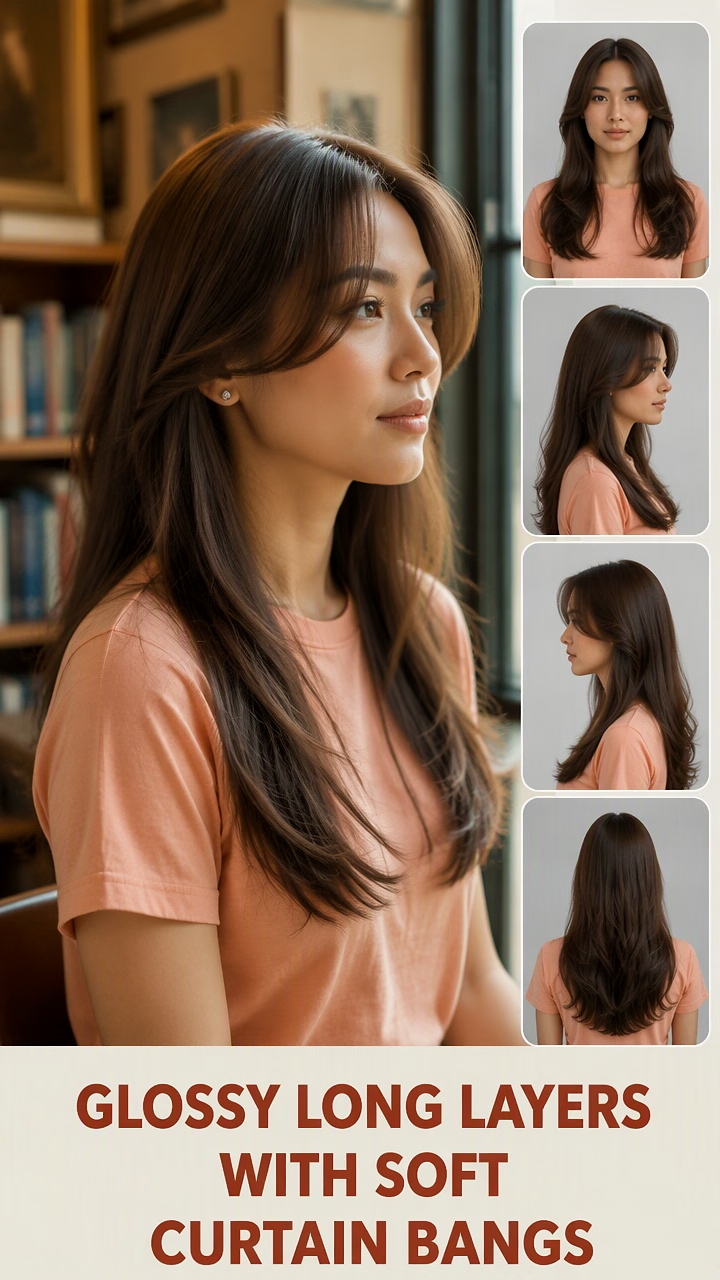
Long Feathered Shag With Soft Curtain Bangs
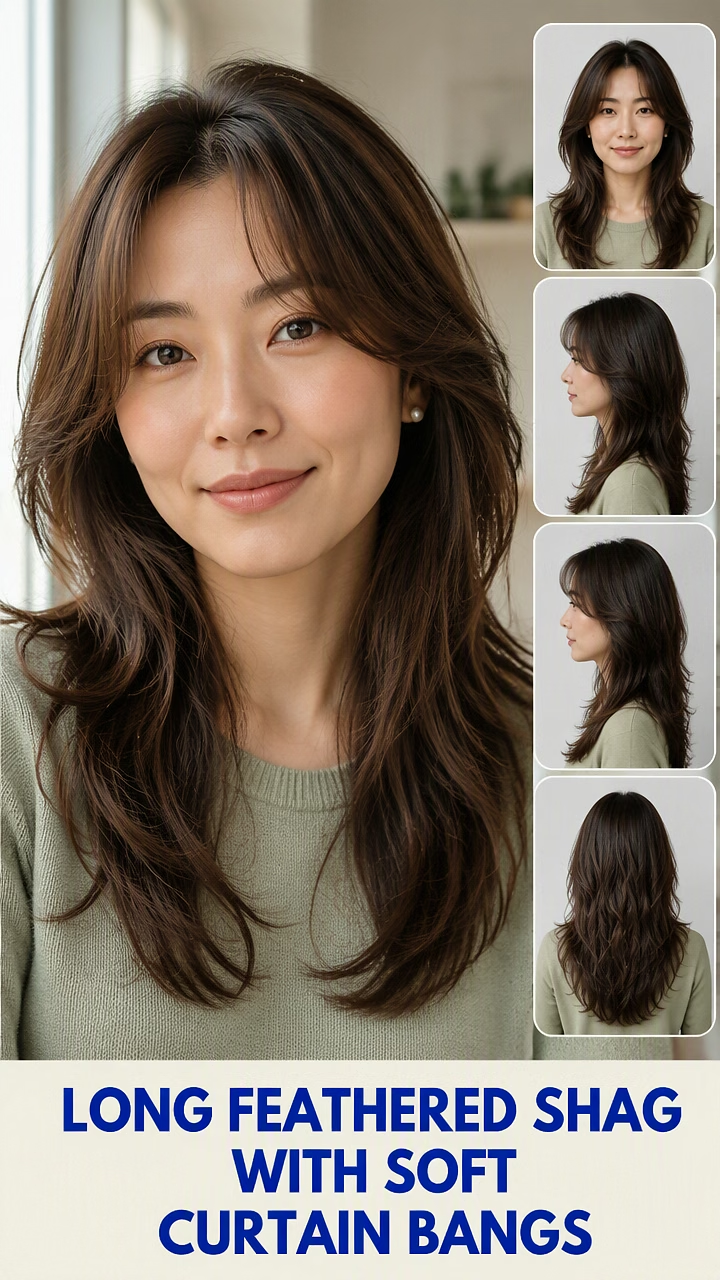
This classic long shag keeps the perimeter below the shoulders and builds airy layers from the cheekbones downward. Curtain bangs part softly in the middle and blend into face-framing pieces, creating a flattering shape without a blunt fringe line.
Loose bends bring out the feathered movement, while a warm brunette, soft bronde, or natural-looking highlights can make the layers more visible. It suits straight to wavy hair with medium density and works especially well for oval, heart, and square faces. Scrunch in a lightweight mousse or texture spray, then air-dry or use a diffuser; a round brush can polish the fringe. Refresh the shape every eight to twelve weeks, with earlier fringe trims if needed. Ask for long, blended layers and curtain bangs customized to your cheekbones.
Razored Long Shag With Wispy Eyebrow Bangs
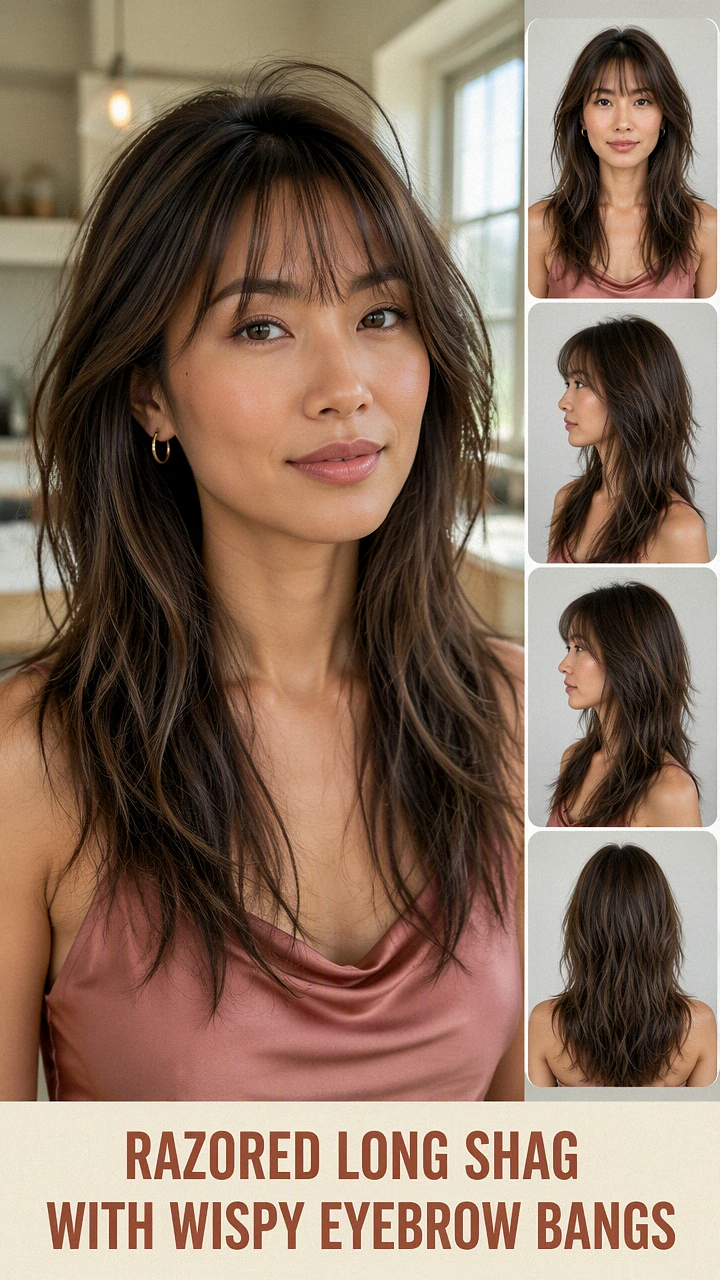
A razor-cut shag has soft, tapered ends and a deliberately piecey outline, with enough length to fall around the chest or mid-back. Wispy bangs skim the eyebrows rather than forming a dense, solid line, while shorter layers through the crown give the top a tousled lift.
This cut looks especially lively on medium or thick straight and wavy hair. A neutral brunette, smoky blonde, or subtle balayage keeps the texture dimensional without competing with the fringe. Work a small amount of texturizing cream through damp lengths and finish with a quick diffuser pass or loose bends from a curling iron. Bangs need more frequent shaping, while the overall cut can often go eight to twelve weeks between trims. Razor work is not ideal for every texture, so ask your stylist whether point-cutting would give your hair a softer finish.
Thick Wavy Shag With Full Feathered Fringe
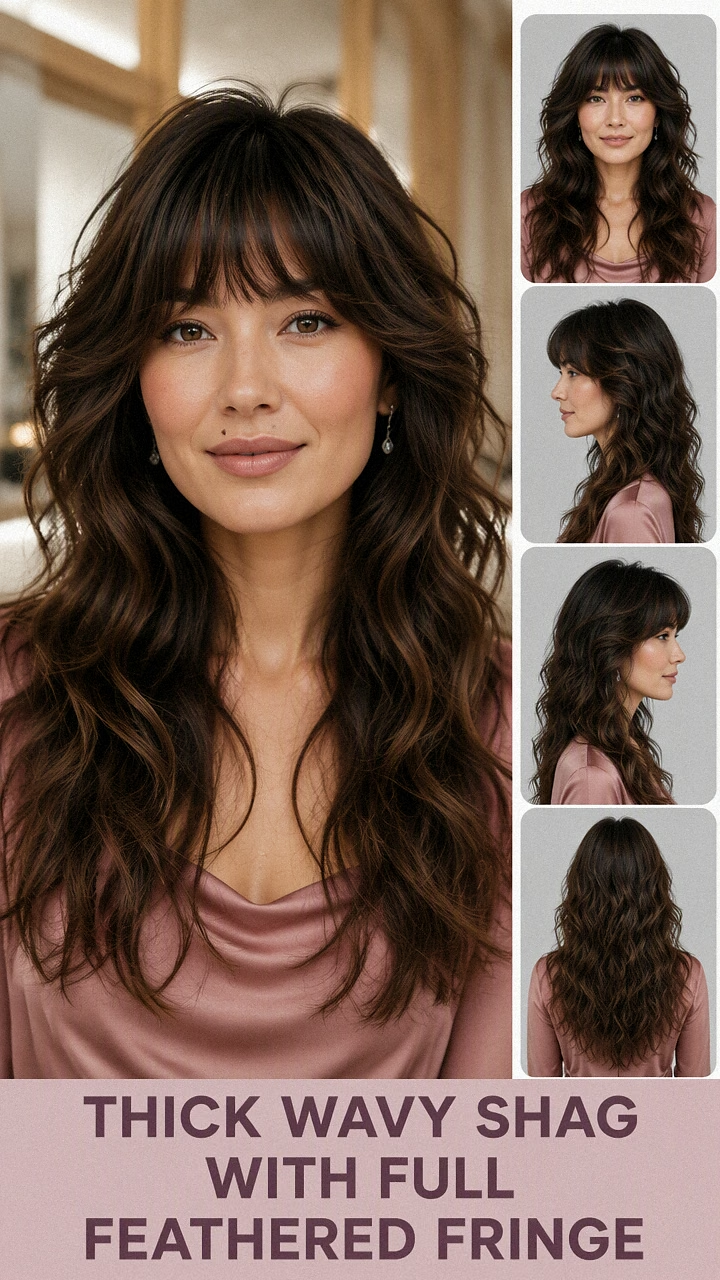
This full-bodied version is shaped to remove weight without sacrificing the long, generous outline. Layers begin around the cheekbones and continue through the back, with a substantial fringe softened at the edges and feathered into the sides. The result feels bold but not blocky.
Natural waves give the cut its relaxed, lived-in character, while deep chocolate, chestnut, or copper tones show off the shifting layers. It can flatter oval and longer face shapes, though the fringe can be adjusted to balance broader features. Scrunch curl cream into damp hair and diffuse, or smooth the bangs with a round brush while leaving the lengths loose. Thick hair may need careful internal layering to avoid a bulky shape. Ask for weight removal through the interior and a fringe that can be worn full or parted; plan on periodic shaping to keep the layers balanced.
Long Fine Hair Shag With Lifted Crown Layers
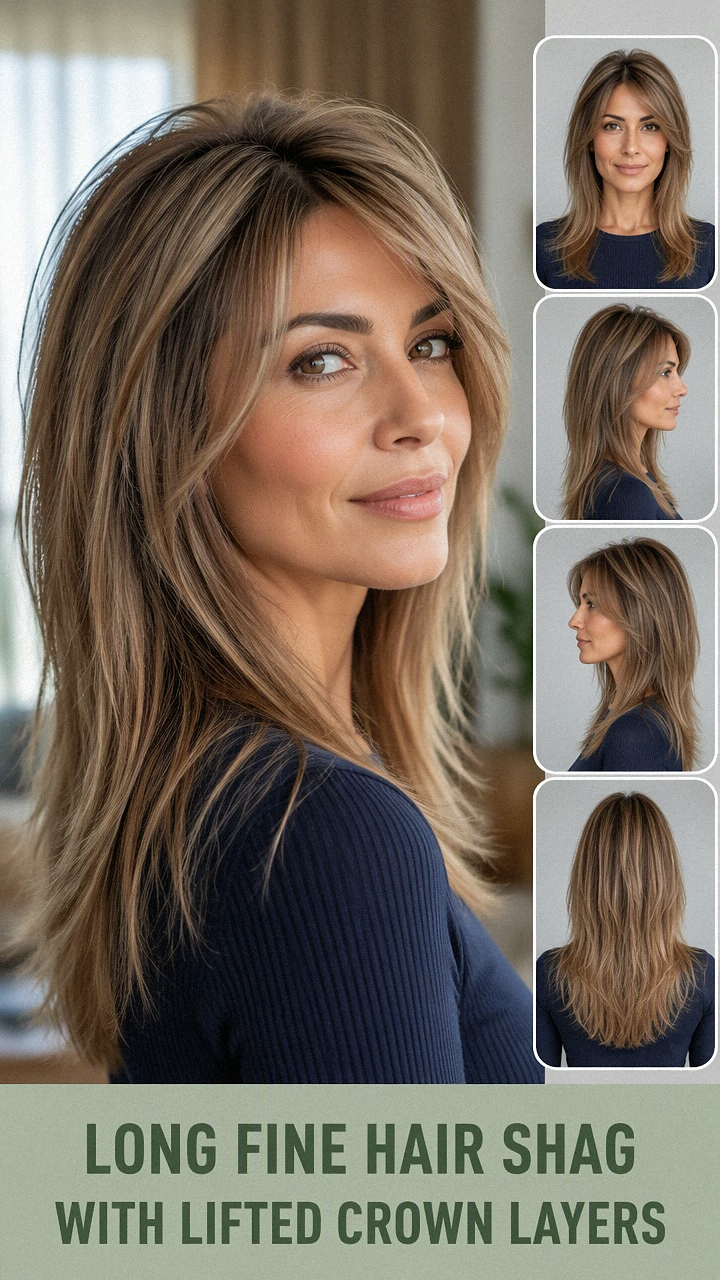
For fine hair, a shag can create the impression of movement without thinning the ends too aggressively. Keep the length around the upper back, add shorter crown layers for lift, and use delicate face-framing pieces rather than many disconnected layers. A light, side-swept fringe can add shape without overwhelming the front.
Soft honey highlights or a dimensional bronde can emphasize the cut, while a single rich shade keeps the finish understated. This approach suits straight or softly wavy hair and can complement oval, heart, and round faces when the front pieces are tailored. Apply root-lifting mousse sparingly, then blow-dry with a vent brush or flip your head briefly for extra height. Fine ends can look sparse if over-layered, so ask for a solid-looking perimeter and restrained layering. Refresh every eight to ten weeks, or sooner if the fringe loses its shape.
Long Curly Shag With Rounded Curly Bangs
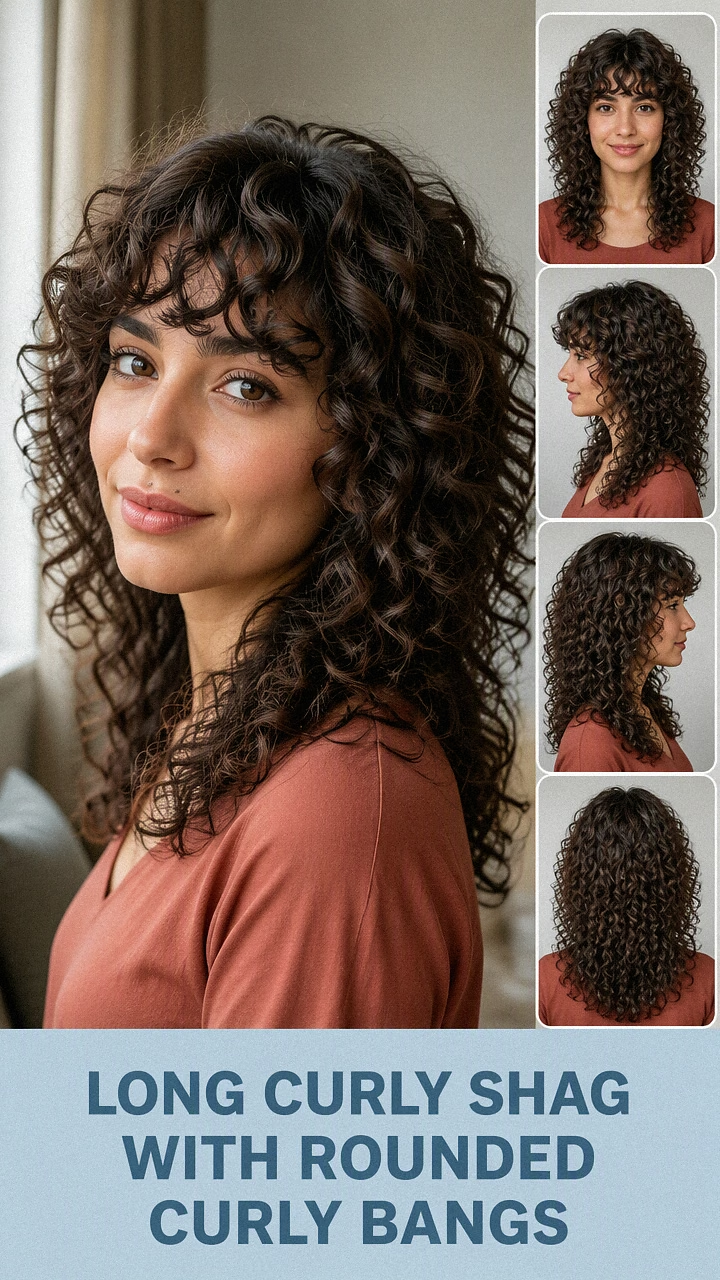
A curly shag is shaped to let curls stack into a soft, rounded silhouette instead of falling as one heavy curtain. Layers are placed with the curl pattern in mind, building gentle lift at the crown and keeping longer curls around the shoulders and back. Curly bangs sit above the eyes when dry and blend outward into the sides.
Defined curls make the texture the focal point; dark espresso, warm auburn, or subtle highlights can reveal dimension without changing the shape. This works best for naturally curly hair and can suit oval, heart, and angular faces, with fringe length adjusted for shrinkage. Apply leave-in conditioner and curl cream to soaking-wet hair, then diffuse on low or air-dry. Curly bangs may need more frequent trims. Ask your stylist to shape the hair in its natural curl pattern and avoid cutting the fringe too short while wet.
Straight Long Shag With Choppy Midshaft Layers
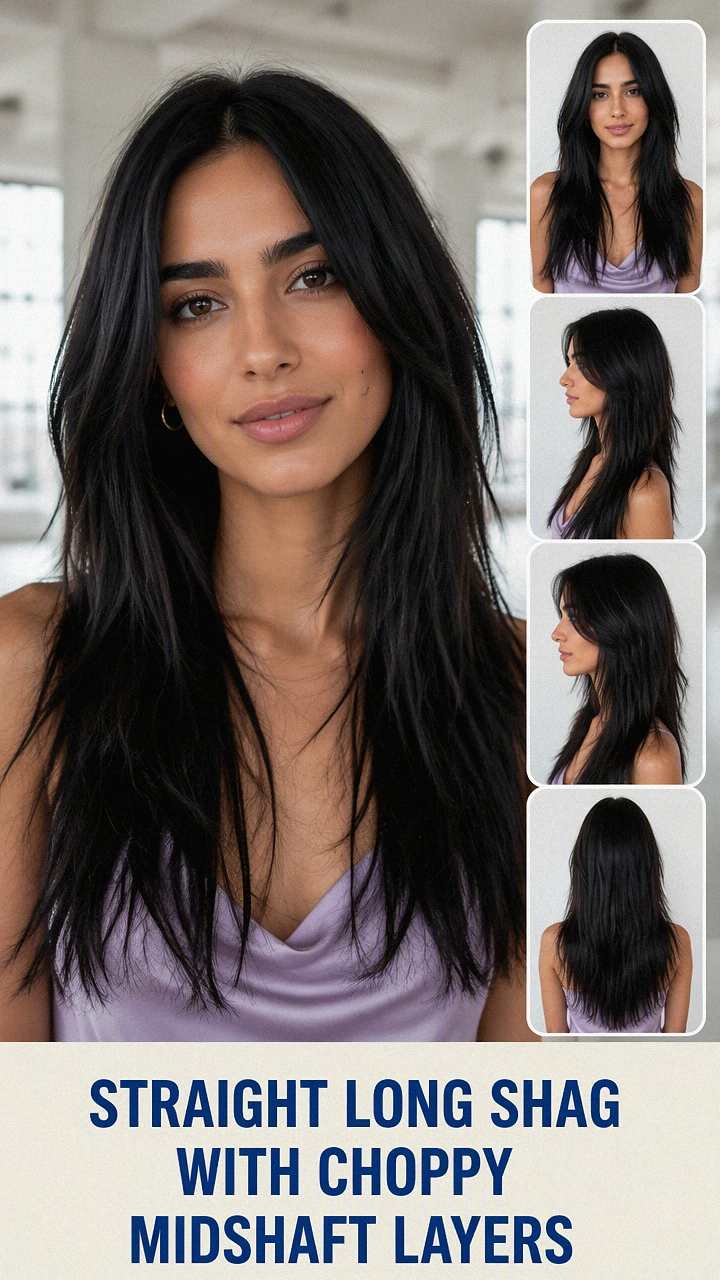
On straight hair, the key is visible texture rather than relying on natural waves. This cut keeps the length long and the ends slightly irregular, with choppy layers beginning around the midshaft and shorter pieces near the face. A center or soft off-center part gives the shape an easy, undone balance.
The cut looks crisp in glossy black, cool brown, or softly highlighted blonde, where light catches the separated layers. It suits fine to medium straight hair and oval or heart-shaped faces; very dense hair may need internal weight removal. Mist with a light texture spray and bend a few sections away from the face using a large-barrel iron, leaving the ends straighter. The shape can be refreshed every eight to twelve weeks. Ask for choppy but blended layers, not a heavily thinned perimeter, so the ends still look full when worn straight.
Beachy Long Shag With Center Part And No Bangs
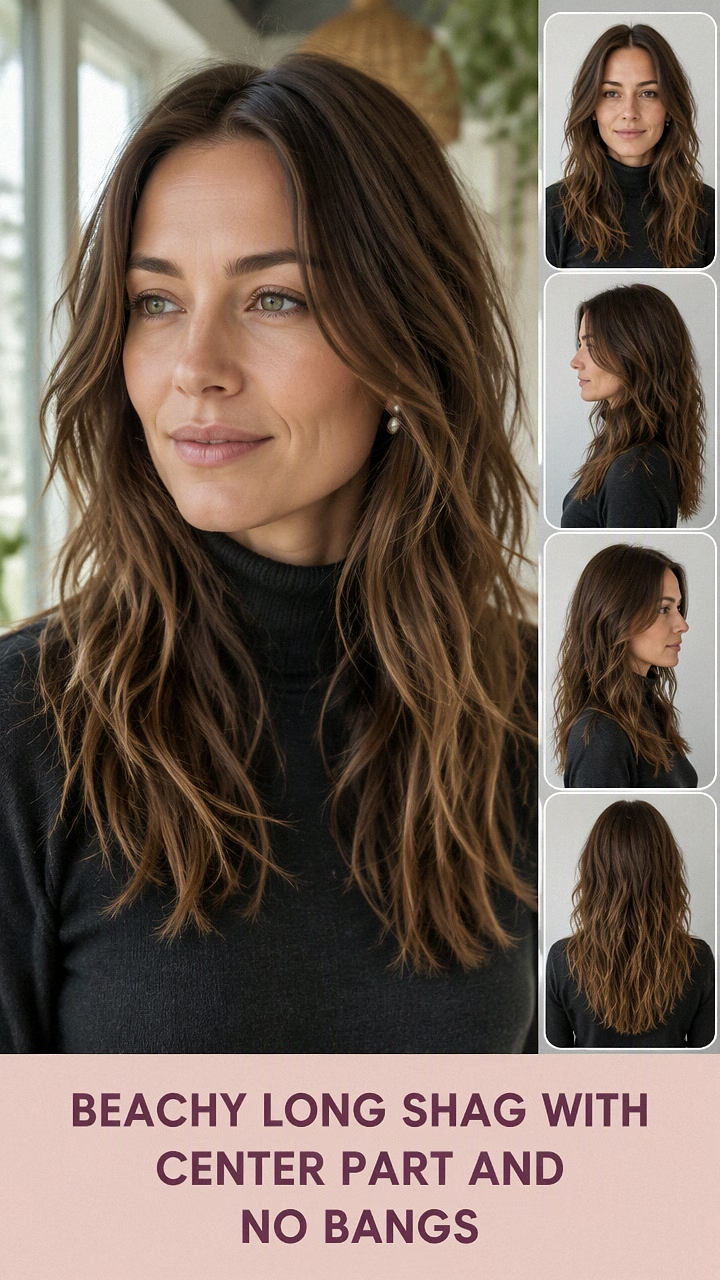
If you love your forehead open and want to keep fringe out of your routine, try a long shag with no bangs. A center part leads into long face-framing layers that begin around the jaw, while the back stays full enough to preserve length. Choppy ends give the silhouette its beachy, imperfect finish.
Read more : 21 long layered hairstyles for fine hair to inspire your next cut
Natural waves are ideal, but straight hair can take on the look with a few loose bends. Sunlit brunette, sandy blonde, or lived-in balayage brings out the movement. This shape flatters many face types; adjust where the shortest front layer begins to suit your features. Scrunch salt spray or lightweight mousse into damp hair and let it air-dry, or use a diffuser. It is relatively easy to grow out, though layers still benefit from regular trims. Ask for long, blended face-framing pieces and a center part that feels natural on your hair.
Copper Long Shag With Side-Swept Fringe
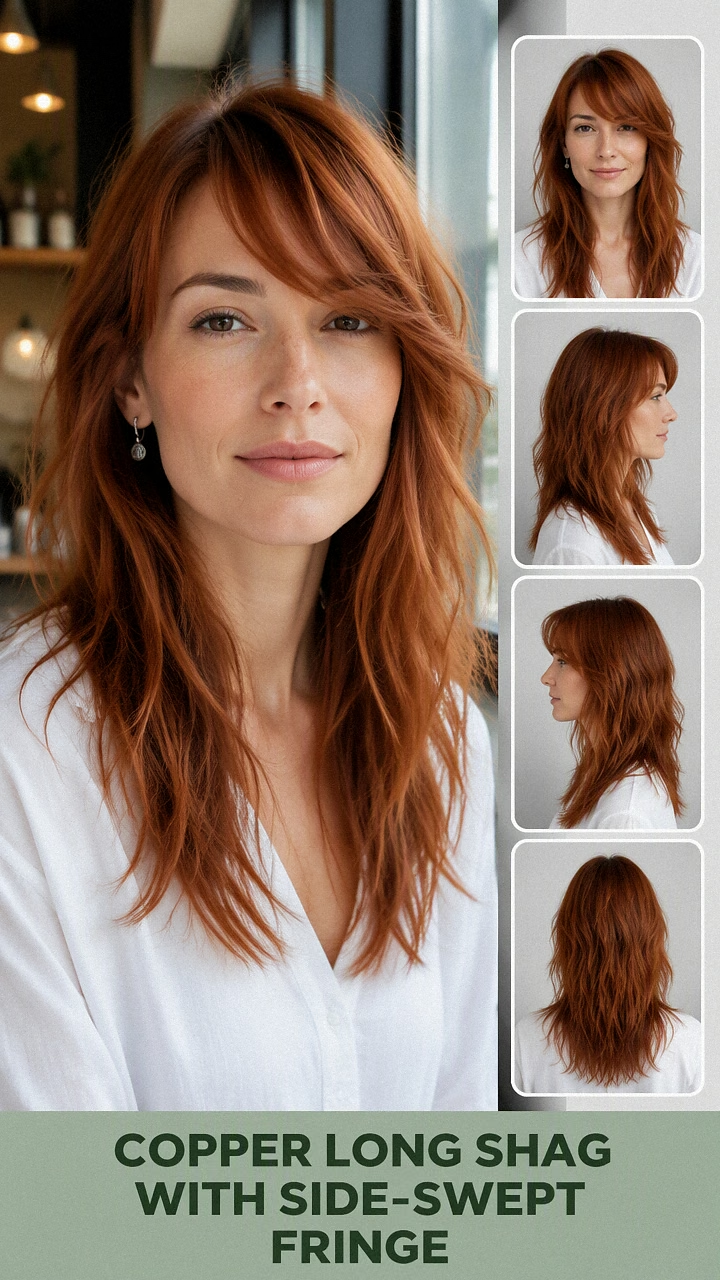
A copper shag makes the layers feel expressive without requiring an extreme cut. Keep the length below the shoulders, add choppy layers around the crown and through the sides, and sweep the fringe diagonally across the forehead. The longer front pieces curve toward the jaw, softening the transition into the rest of the hair.
Copper, auburn, or cinnamon tones make the texture glow, while a natural root keeps regrowth less conspicuous than an all-over bright shade. This shape suits medium or thick straight-to-wavy hair and can balance square or heart-shaped features. Work a dab of styling cream through damp hair, then rough-dry with fingers and direct the fringe into place. Color-treated hair may need more care to preserve its tone. Ask your colorist for a copper family that complements your natural coloring and your stylist for a fringe that can also tuck aside.
Brunette Wolf Shag With Disconnected Crown Layers
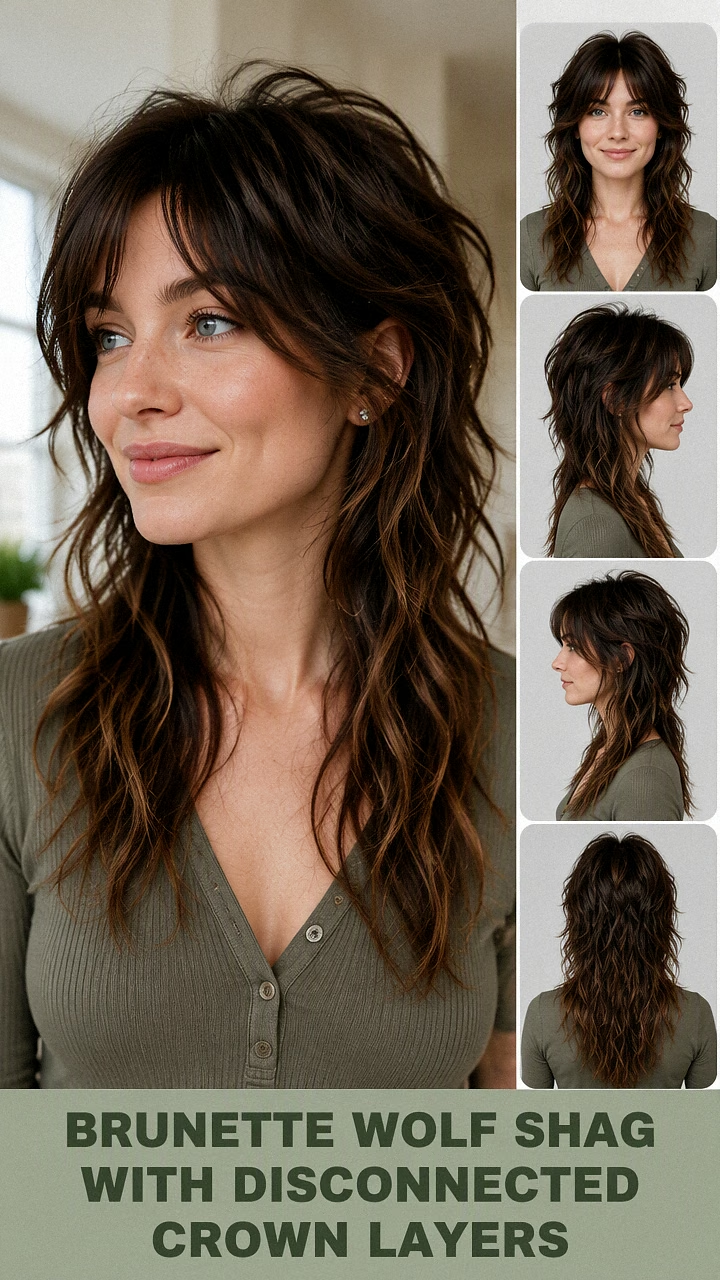
This wolf-inspired shag has a fuller, shorter crown that gradually releases into long, wispy lengths. The layers are more disconnected than in a classic feathered shag, giving the top extra volume and the back a flowing, almost mullet-like outline. A long fringe or curtain bang ties the front into the shape.
Deep brunette with subtle caramel or honey pieces helps distinguish the stacked layers without making the color look striped. Medium and thick wavy hair gives this cut its most natural movement; straighter hair may need deliberate styling. Scrunch mousse at the crown and diffuse, or use a curling wand on a few mid-length sections. The dramatic shape may need more frequent reshaping than a blended shag as the crown grows. Ask for a soft wolf silhouette that keeps the back long and describe how much crown contrast you feel comfortable wearing.
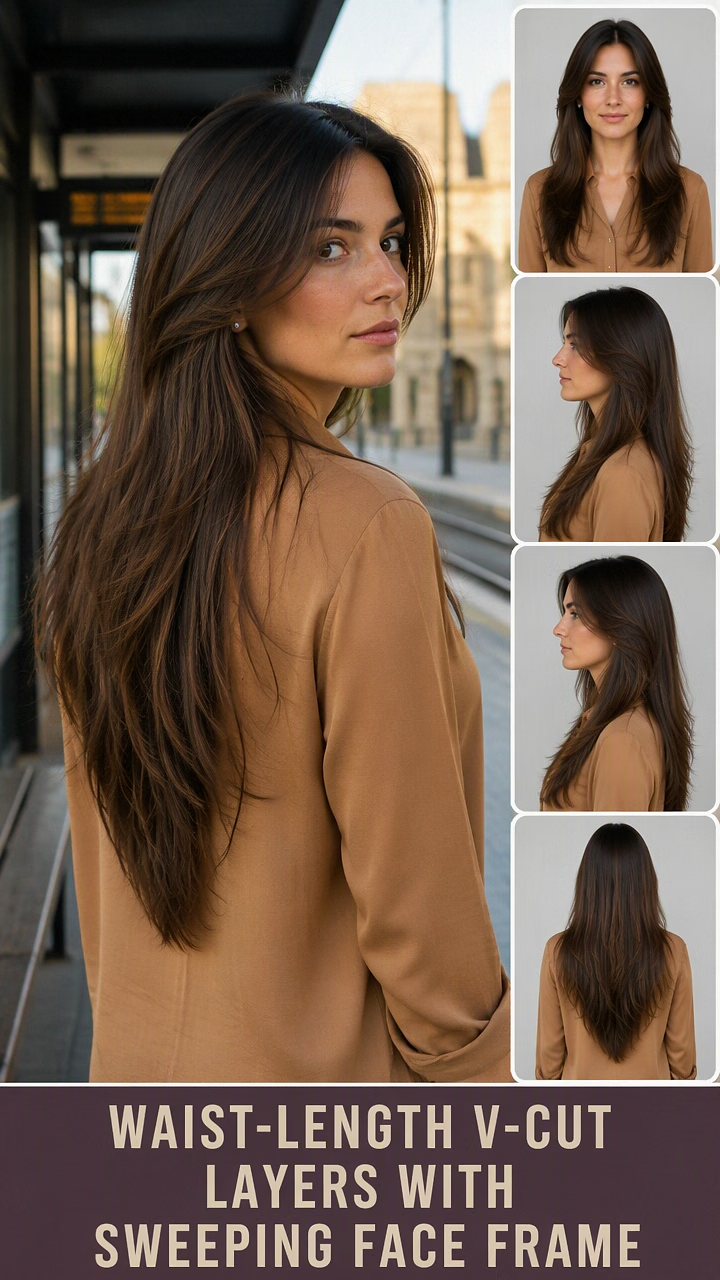
Waist-Length V-Cut Shag With Butterfly Layers
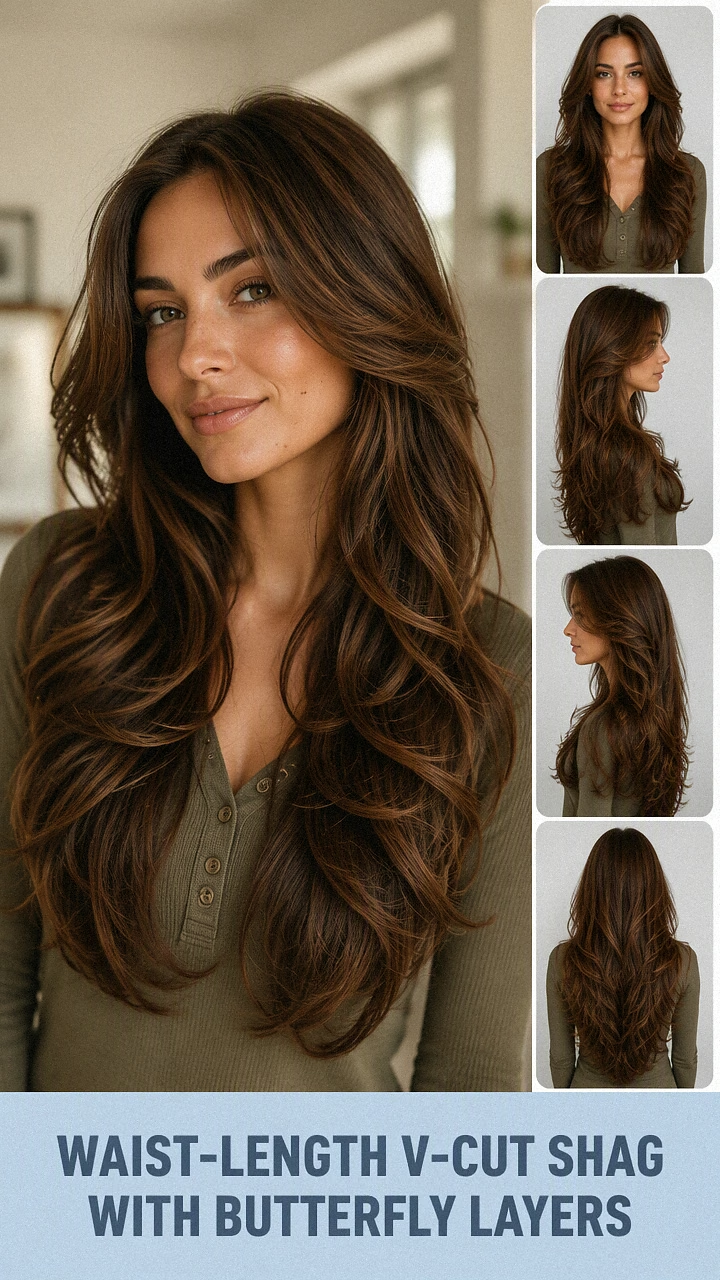
For anyone attached to very long hair, a waist-length shag can still feel airy when the layers are shaped carefully. A gentle V at the back preserves length in the center, while long butterfly layers curve away from the face and cascade through the sides. The crown stays blended rather than dramatically short.
This shape is especially useful for thick hair, where strategic layering can reduce a heavy, one-length feel. It also works on medium-density wavy hair, though fine hair may need a less pronounced V to protect fullness. Warm brunette, soft blonde ribbons, or a subtle balayage highlights the sweeping layers. Use a round brush or large curling iron to flick the front pieces outward. Long cuts can take time to grow back if you change your mind, so ask for a conservative first shaping and a perimeter that remains full.
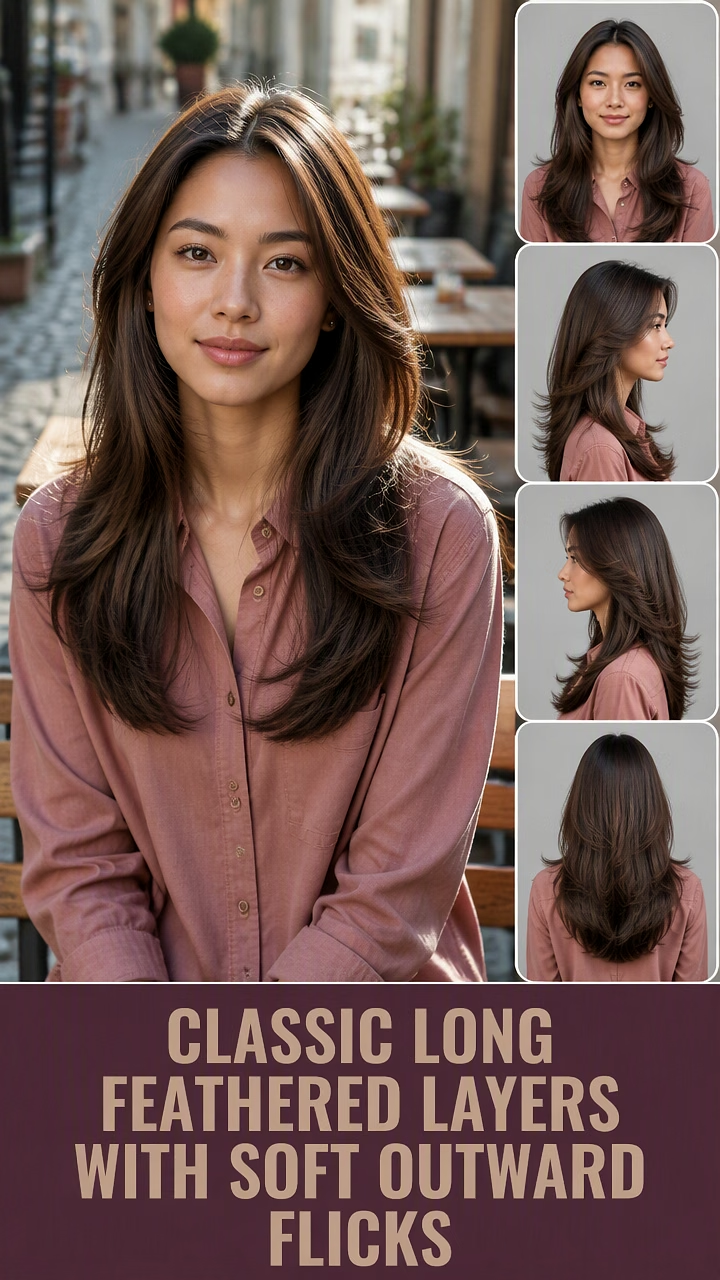
Polished Long Shag With Salon-Soft Feathered Waves
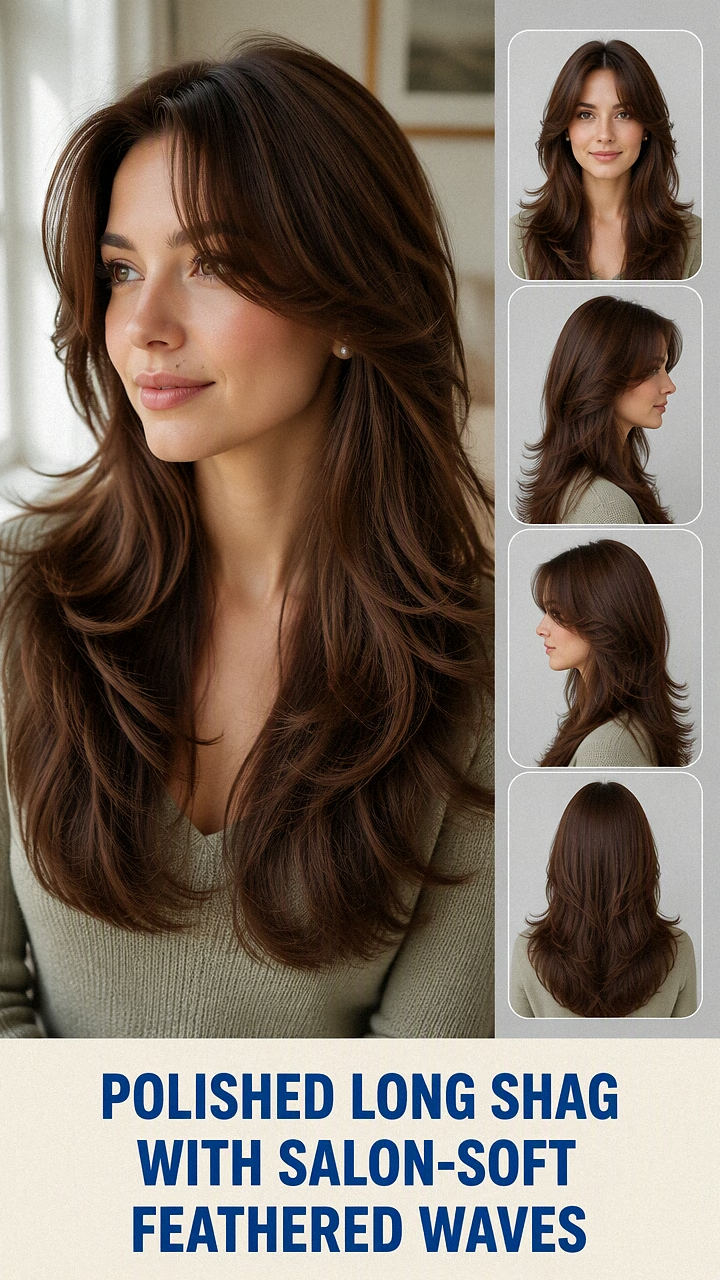
A shag does not have to look deliberately wild. This softer version keeps long, blended layers and face-framing pieces but styles them into smooth, feathered waves. The ends turn gently outward rather than appearing sharply choppy, and a curtain fringe or long side part keeps the front romantic.
It suits straight or wavy hair in fine-to-medium density, especially when you want movement with a more finished feel. Glossy chestnut, espresso, or dimensional blonde works well because the polished surface reflects light. Use heat protectant, then blow-dry with a round brush and add a few loose bends with a large iron. This look takes more styling time than an air-dried shag and benefits from smoothing products. Ask for blended layers that still move when blown out, and request guidance on how to style the ends without making them overly curled.
Air-Dried Long Shag With Natural Loose Waves
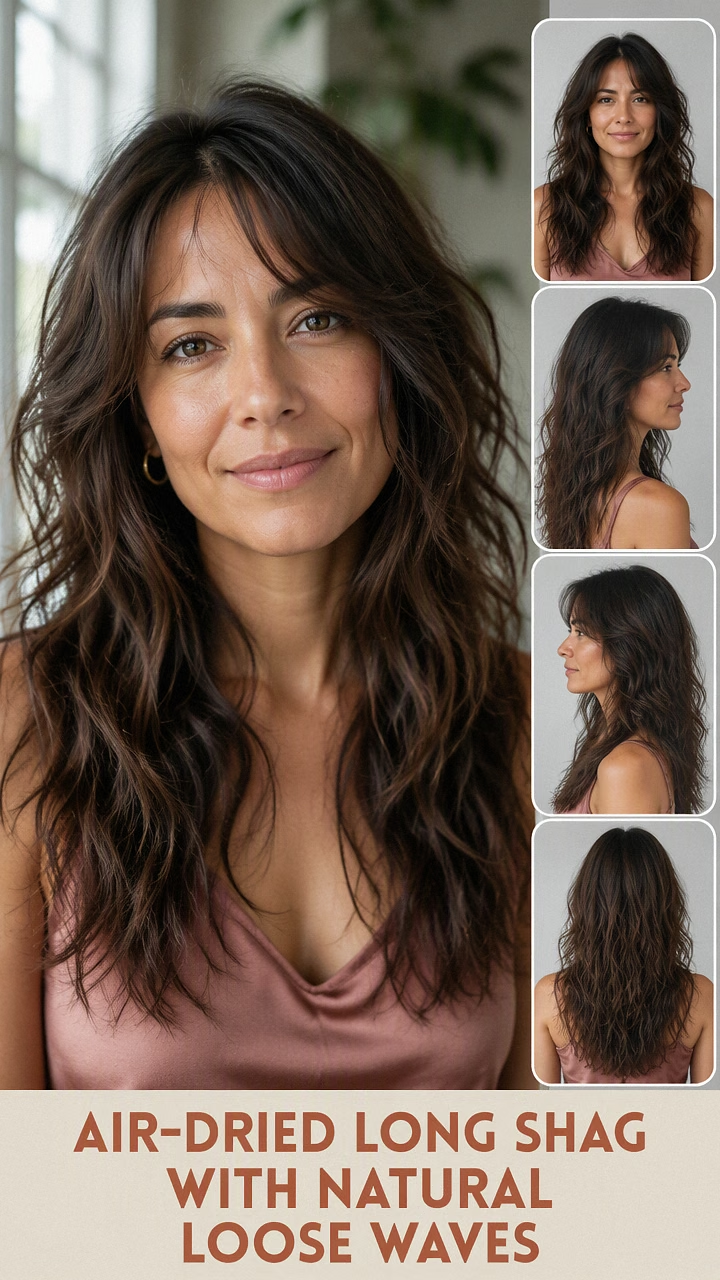
This is the relaxed option for anyone who wants the cut to work with, not against, natural texture. Long layers start below the cheekbones and continue softly through the back, while a light fringe or no-bang front keeps styling flexible. The ends are left uneven enough to move but not so shredded that they look thin.
It is a natural fit for loose waves and medium-density hair, and can suit oval, heart, or square faces with personalized front layers. A natural brunette, dark blonde, or gentle balayage keeps upkeep simple. Apply leave-in conditioner or lightweight mousse to damp hair, scrunch, and let it dry; refresh flattened waves with a little water and scrunching. The result depends on your natural pattern, so very straight hair may need a few added bends. Ask your stylist to cut for air-drying and show your usual part and natural texture during the consultation.
Long Shag With Bottleneck Fringe And Face Framing
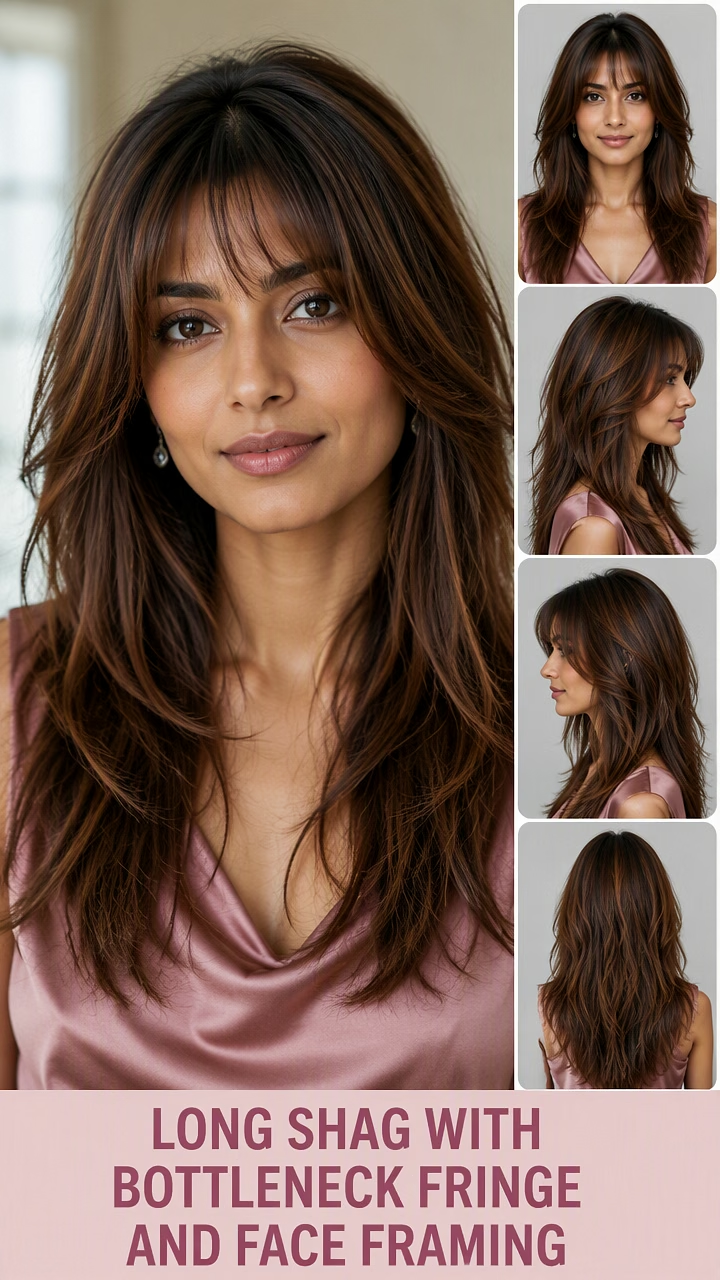
Bottleneck fringe begins shorter and gently rounded in the center, then lengthens toward the cheekbones, blending into the shag’s face-framing layers. Keep the overall cut long with soft, choppy movement through the sides and back. The fringe feels more shaped than wispy bangs but less dense than a full straight-across fringe.
This look is especially flattering on straight and wavy hair, and the longer outer fringe can soften angular features or emphasize cheekbones. Neutral brown, soft auburn, and highlighted blonde all show off the curved outline. Blow-dry the fringe forward, then sweep the sides outward with a small round brush; texture spray loosens the lengths. Bangs require regular attention and can take time to grow out. Ask for a bottleneck shape that transitions gradually into your layers, with the shortest point chosen to suit your forehead and preferred styling effort.
Side-Parted Long Shag With Asymmetric Face Layers
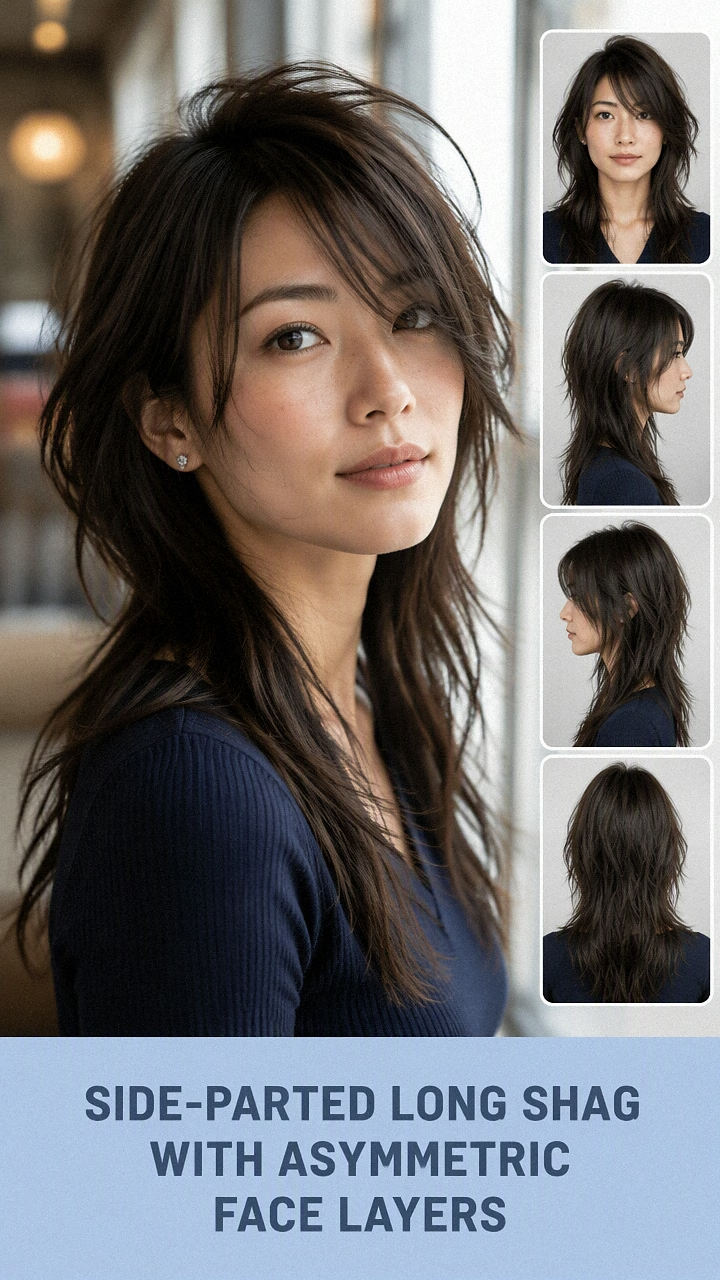
A deep or relaxed side part brings a little asymmetry to long, messy layers. The heavier side sweeps across the forehead, while graduated face-framing pieces on either side keep the look balanced. Choppy lengths through the back add movement without making the cut feel overly short at the crown.
This can be especially appealing for straight or wavy hair that naturally falls to one side, and it suits oval, square, and heart-shaped faces. Deep brunette, cool brown, or blended highlights add depth beneath the sweep. Blow-dry the roots in the opposite direction first for lift, then settle the part and tousle the ends with a texture cream. A side part may need a little daily resetting if your hair strongly prefers a center part. Ask for layers that look intentional from both sides and a fringe length that can be pinned back on busy days.
Long Shag With Jagged Baby Bangs And Choppy Ends
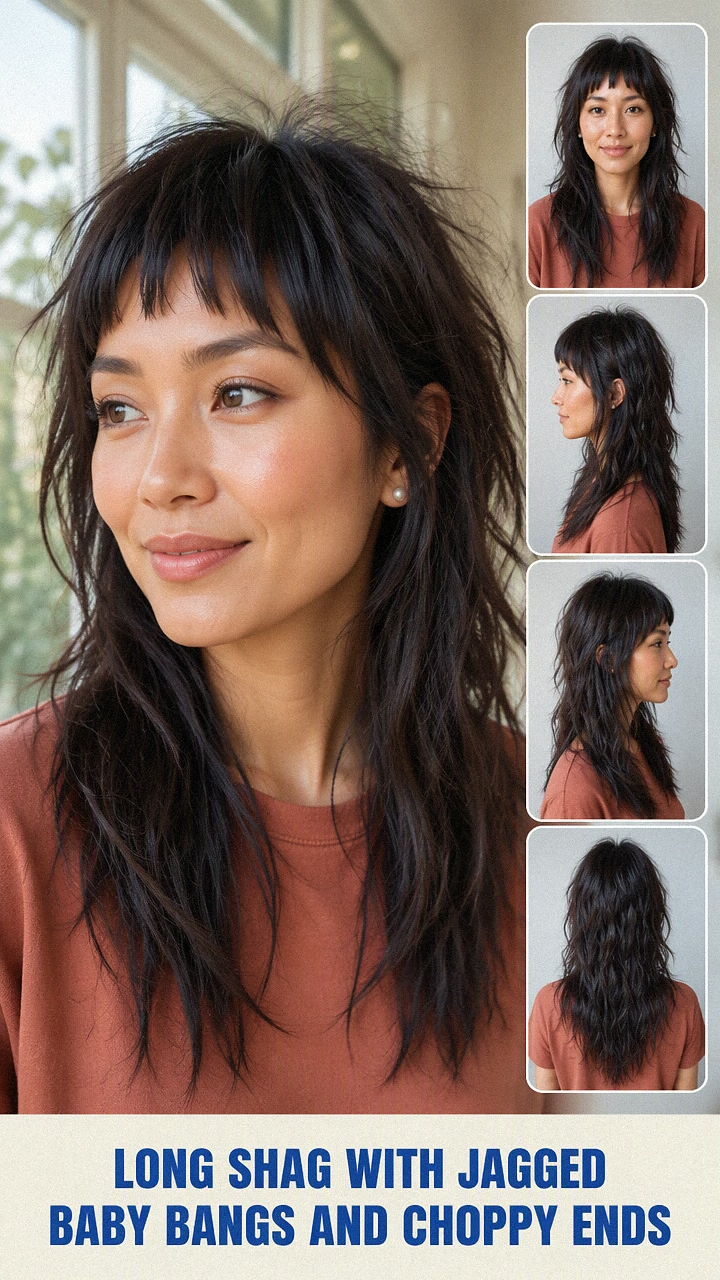
For a bolder, more alternative take, pair long shaggy lengths with short, irregular baby bangs. The fringe sits well above the brows, while choppy crown layers and uneven ends create a lively, rock-inspired outline. Keeping the back long gives the look movement and makes the contrast feel playful rather than severe.
The cut works best when you enjoy a statement fringe and have straight or gently wavy hair that shows its shape clearly. Dark brown, vivid copper, or a natural shade all let the cut lead. Use a tiny amount of paste to separate the bangs and scrunch texture spray through the lengths; a quick fringe blow-dry helps control cowlicks. This is a higher-commitment choice because short bangs need frequent trims and take time to grow out. Ask your stylist to start slightly longer and make the fringe choppy rather than blunt.
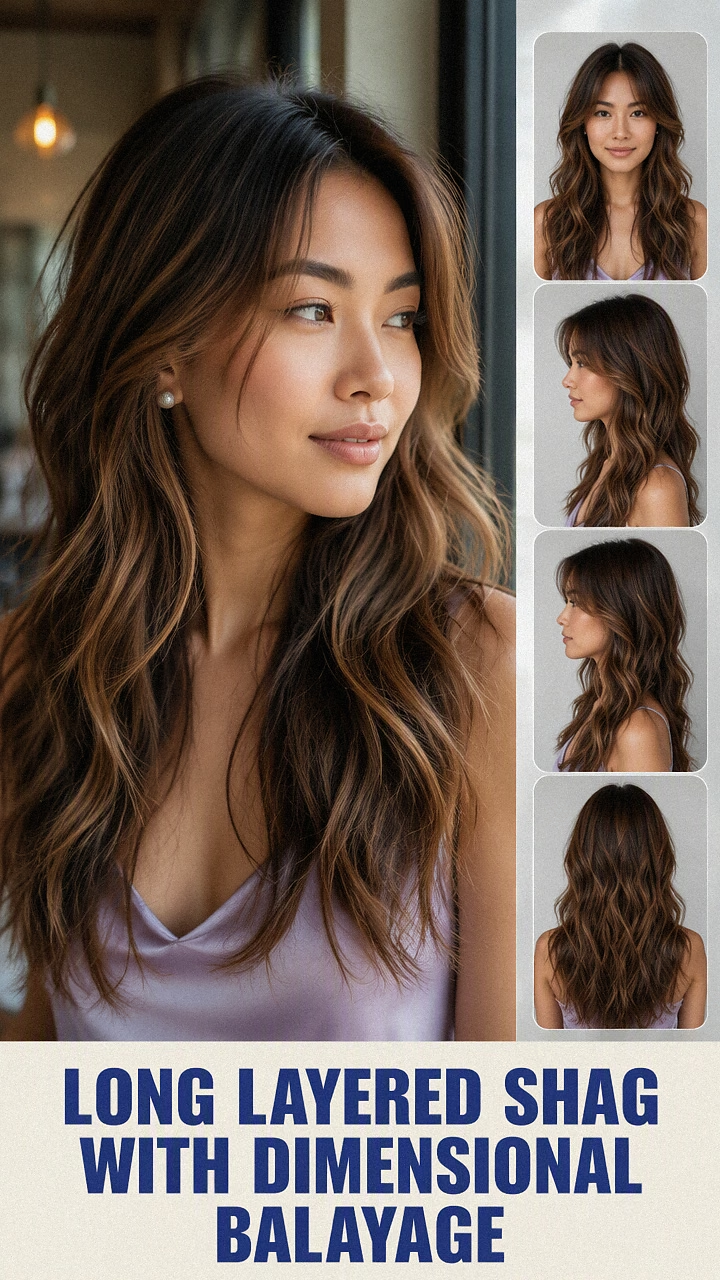
Long Layered Shag With Dimensional Balayage
Read more : 22 Long Hairstyles With Front Layers That Feel Fresh And Flattering
Here, the silhouette stays the focus: long, softly disconnected layers, a loose fringe or face-framing pieces, and a gently tousled finish. Balayage adds ribbons of light through the mid-lengths and ends, making the layers easier to see without creating a hard line at the roots.
Choose honey or caramel pieces for a warm brunette base, or beige and cool blonde tones for a softer, sunlit effect. The style suits straight, wavy, and loosely curly textures; placement can be customized to highlight your face and movement. Apply a heat protectant before adding loose bends, or use a texture spray for a more casual finish. Lightened hair may call for extra conditioning and mindful heat styling. Ask your colorist for blended placement that works with your shag’s layers, and schedule color refreshes according to your desired contrast and regrowth.
Long Shag With Cheekbone Layers For Round Faces
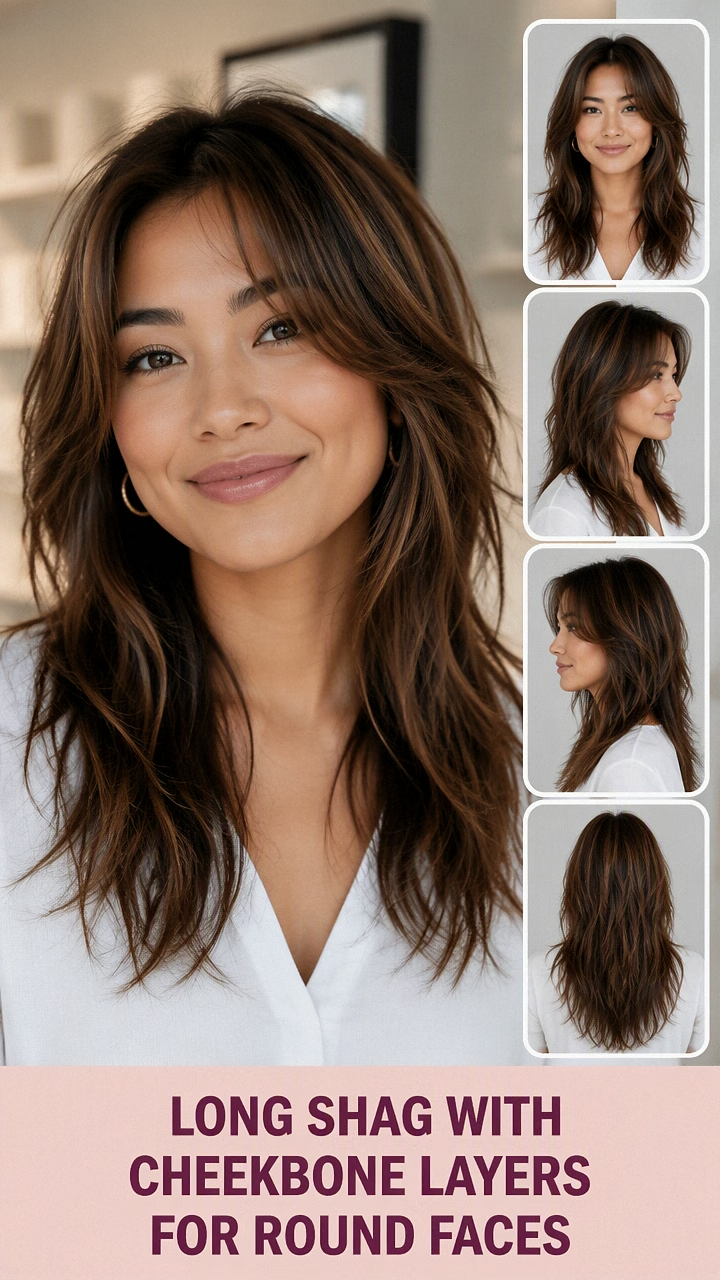
Longer, vertically moving layers can create a lovely frame without hiding the face. This shag keeps the length below the shoulders and begins its shortest face-framing pieces around the cheekbones or slightly lower, rather than cutting a wide, blunt line across the cheeks. Soft waves and a center or off-center part extend the relaxed shape.
It can be flattering on round faces, while the exact layer placement should reflect your features and preferences. Medium brown, soft black, or subtle highlights keep the focus on the silhouette. Use a large-barrel iron to add bends from mid-length down, leaving the ends relaxed, then loosen them with your fingers. A fringe is optional; curtain pieces can be swept away from the face. Ask for length in the front and movement below the cheekbones. The cut still requires periodic trims to keep its framing balanced.
Soft Wavy Long Shag For Square Face Shapes
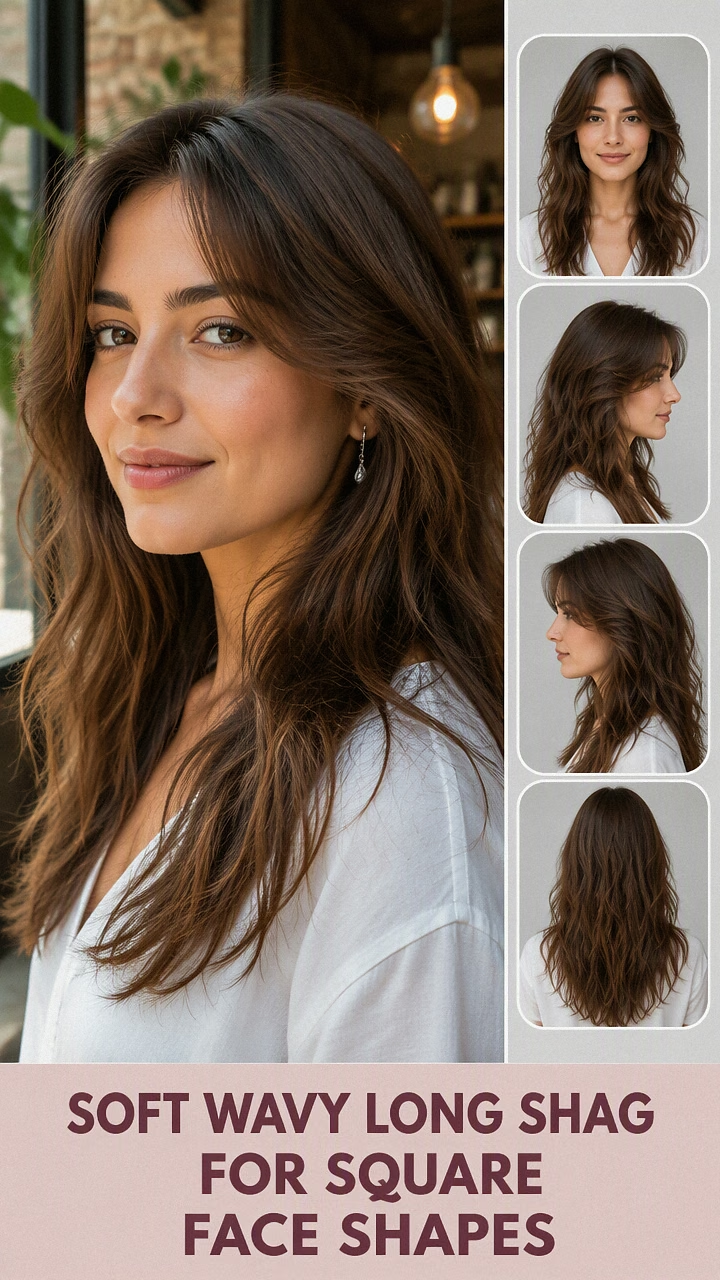
This shag uses curved movement to soften a strong jawline while keeping the overall look easy and long. Layers begin around the temples and cheekbones, then blend down into shoulder-grazing or longer lengths. A wispy curtain fringe or side-swept front avoids a hard horizontal edge, and the ends are feathered rather than blunt.
Natural waves make the shape effortless, but straight hair can be styled with a few loose bends around the face. Chestnut, warm brunette, or muted copper tones complement the softness. Scrunch in mousse and diffuse, or use a curling iron just on the front and mid-lengths. It flatters square and angular faces while remaining adaptable to other shapes through layer placement. Ask your stylist to keep the shortest pieces soft and rounded, not sharply cut at the jaw. Regular trims help maintain the curve, though the blended fringe can grow out gracefully.
Armpit-Length Shaggy Lob With Tousled Ends
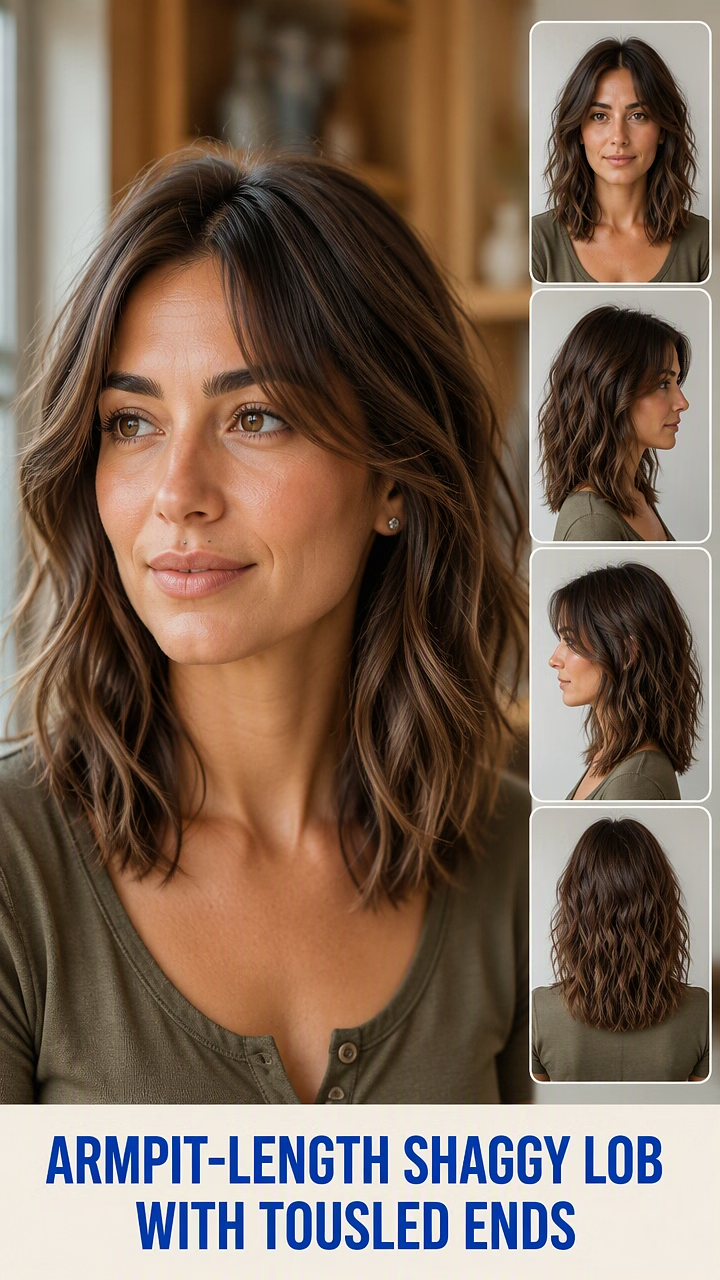
If you want to keep long-hair energy but reduce the weight, an armpit-length shaggy lob is a comfortable in-between. The cut falls below the shoulders, with a softly rounded perimeter, choppy ends, and layers around the crown and face. A center part keeps it casual; long curtain bangs add a little extra shape.
It works particularly well for wavy and medium-density hair, and can give fine hair a fuller outline if the ends are not over-layered. Bronde, dark blonde, or a natural brunette shade enhances its easy texture. Scrunch a small amount of salt spray into damp hair and air-dry, or make a few loose bends with an iron. The shorter length can feel easier to manage, but it may need shaping sooner to preserve the lob outline. Ask for a below-shoulder length that still ties back comfortably if that matters to your routine.
Long Shag With Heavy Side Bangs And Flipped Ends
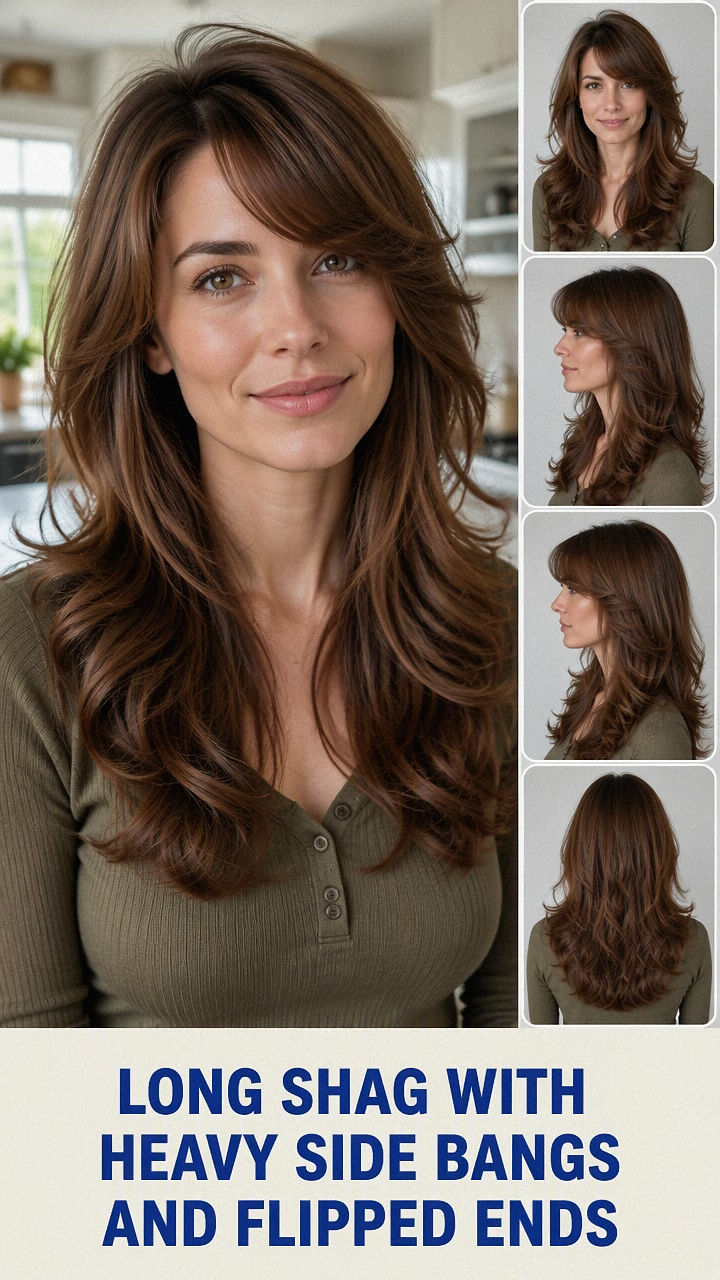
This retro-leaning style pairs a sweeping, substantial side bang with long layers that flip outward at the ends. The crown has soft lift, while the lengths retain enough fullness to make the flicks visible. The finish is intentionally tousled rather than perfectly uniform, giving the cut a playful, vintage-inspired character.
Straight and softly wavy medium or thick hair hold the shape well. Rich brunette, golden blonde, or copper tones suit the nostalgic mood. Blow-dry the fringe with a round brush, then use a large brush or iron to turn a few ends outward; finish with flexible-hold spray rather than a stiff coating. This requires more hands-on styling than an air-dried shag, especially if your hair is very straight. Ask for long layers that support flipped ends and a side bang that can also be pinned back as it grows.
Long Messy Shag With Subtle Root Lift And No Fringe
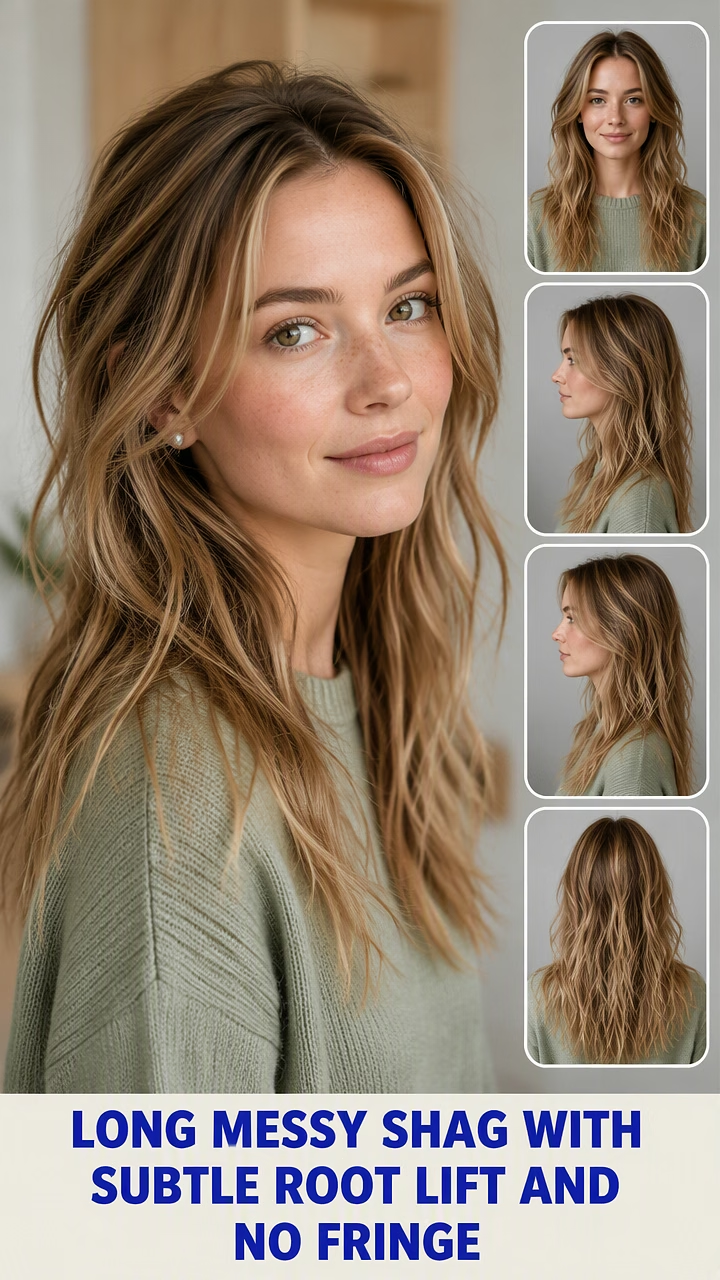
A no-fringe shag with gentle crown lift is an uncomplicated way to add shape while keeping the front open. Long layers begin around the cheekbones and travel through the back, while slightly choppy ends prevent the length from looking heavy. The part can be centered or shifted naturally, with no short bangs to maintain.
This works on straight, wavy, and loosely curly hair, especially when you prefer to tuck the front behind your ears. A rooted blonde, dimensional brunette, or natural shade pairs well with the unfussy finish. Apply lightweight volumizing mousse near the roots and a texturizing spray through the ends, then rough-dry with fingers or air-dry. It is relatively low commitment, though crown layers may need refreshing as they grow. Ask for lift through the top without excessive short layers, and show your stylist how you usually part your hair.
Long Curly Wolf Shag With Shaggy Curly Fringe
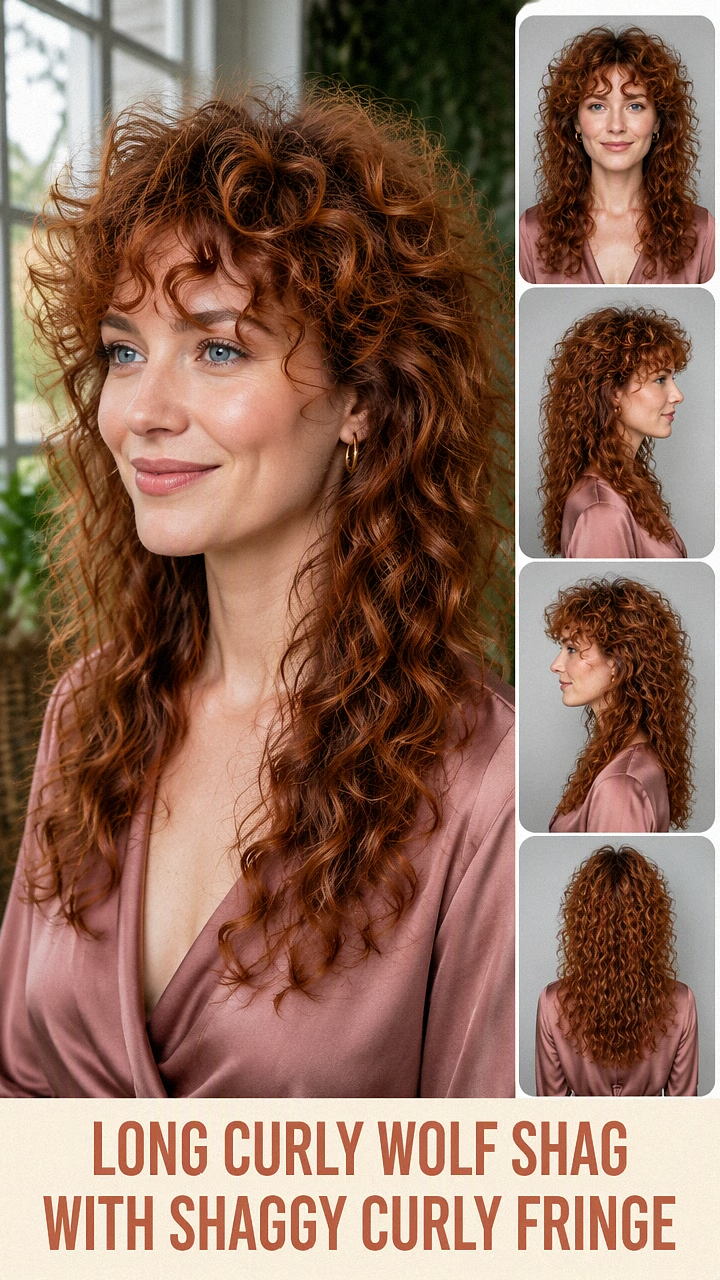
This more dramatic curly shape combines a lifted, layered crown with long, springy lengths at the back. The shaggy curly fringe blends into rounded side pieces, creating a full silhouette that celebrates natural volume instead of trying to flatten it. The cut should be shaped around how the curls form when dry.
It is best suited to medium or thick curly hair, while looser waves can wear a softer version. Deep brown, rich auburn, or a few carefully placed lighter curls bring out dimension. Apply leave-in conditioner and curl cream in sections, then diffuse gently or air-dry without disturbing the curl pattern. The extra crown layers can expand in humid weather, so styling may take some trial and error. Ask for a curl-by-curl consultation and specify how much height you want at the crown. Regular shaping maintains the silhouette, while a longer fringe gives more room between trims.
Long Shag With Soft Swoopy Layers And Bronde Ribbons
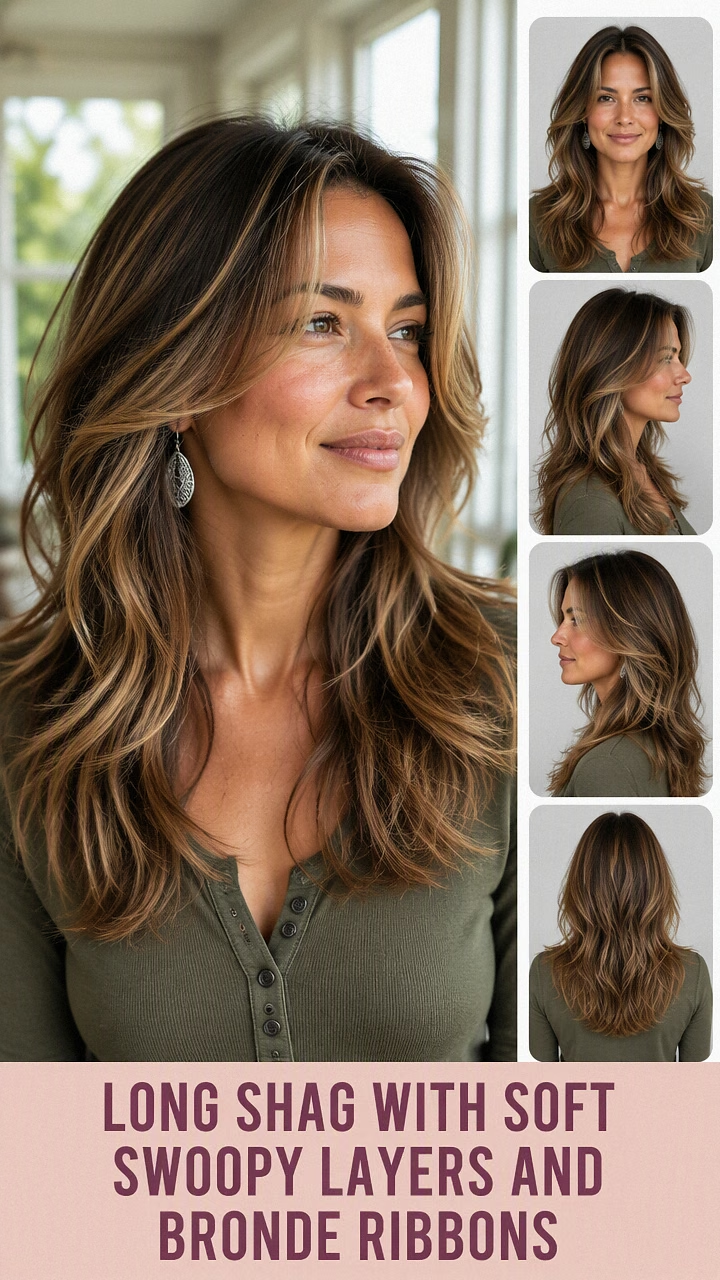
For a gentler take on messy texture, choose long swoopy layers that cascade rather than break into sharply disconnected pieces. Face-framing sections curve away from the cheeks, with soft choppiness through the ends and enough length at the back to preserve a flowing outline. The overall effect feels airy but still polished.
Bronde ribbons add dimension to brown or dark blonde hair, especially when placed around the face and through the mid-lengths. This style suits straight or wavy hair and can be adjusted for fine hair by keeping the bottom fuller. A round brush or large curling iron creates the swoop; finger-comb afterward for a softer finish. It takes a little more effort than a purely air-dried shag. Ask for layers that move when styled but blend smoothly into the ends, and discuss a color placement that looks natural between salon visits.
Choosing Your Best Long Messy Shag
The most flattering shag is the one that works with your real texture, face shape, and day-to-day routine. Bring your favorite reference to your stylist, talk through how much fringe and styling you want, and ask for a shape that can grow out comfortably. A few thoughtful layers can make long hair feel lighter, more expressive, and unmistakably yours.
Sources: https://www.hairstyleeditor.com
Category: Long