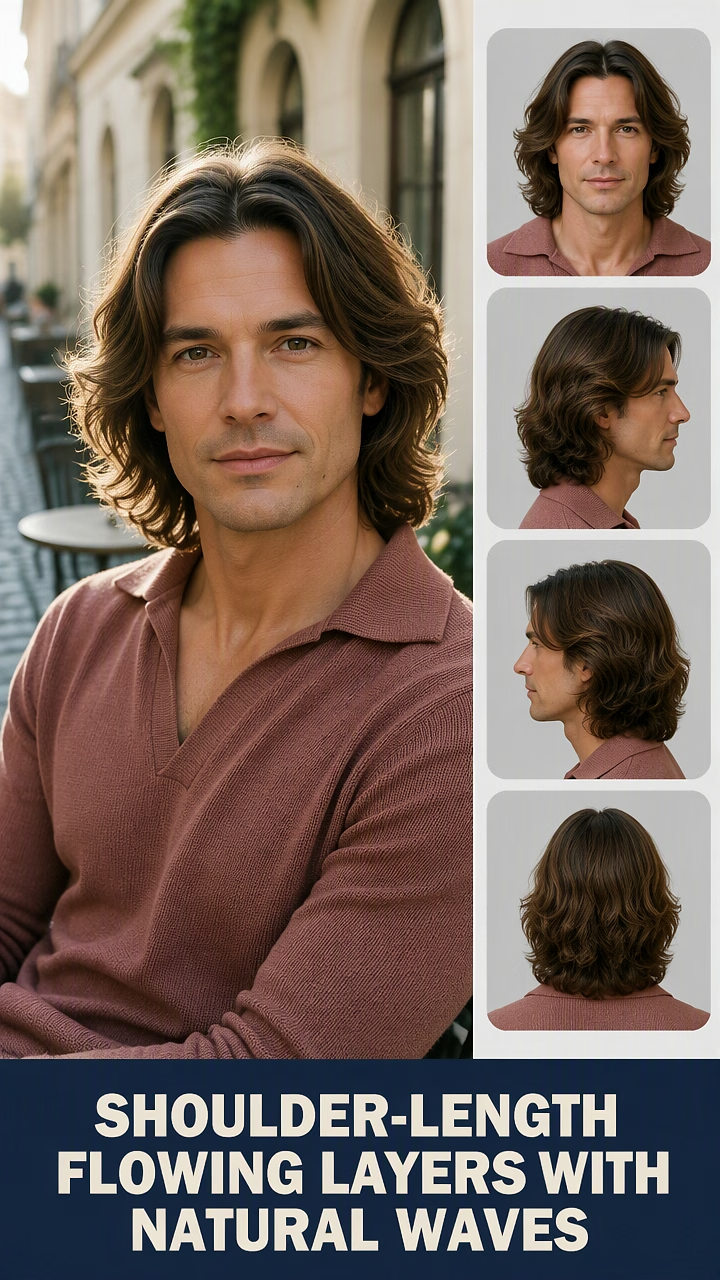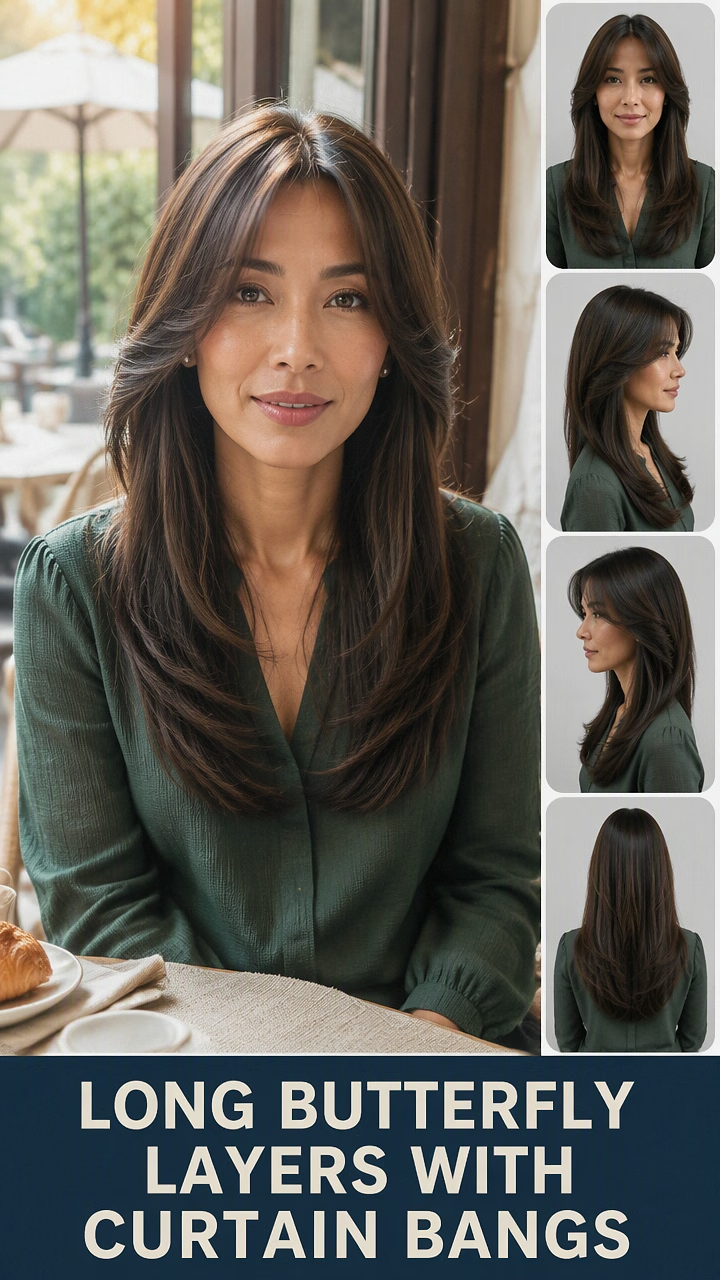
- 27 Prom Hairstyles For Long Hair Ideas
- 28 Long Bob Hairstyles For Thick Hair Shoulder Length Wavy Lob Ideas That Look Fresh, Soft, And Easy To Style
- 22 Long Hairstyles With Short Layers For Soft, Flattering Movement
- 20 mens hairstyles medium wavy thick hair long layered Looks To Wear With Confidence
- 23 shag hairstyles long curtain bangs for Soft, Lively Length
Thick, long hair has a gorgeous presence, but when it feels heavy or falls into one solid shape, styling can become a daily negotiation. The right layers make all the difference: they let your length swing, give your natural texture room to show, and frame your features without taking away the fullness you love.
You Are Watching: 22 Long Layered Hairstyles For Thick Hair That Feel Light And Beautiful
From polished, barely-there shaping to airy shags and defined curls, these long layered hairstyles for thick hair offer a fresh look for different textures, face shapes, and routines. Bring a favorite idea to your stylist, then tailor the starting point of the layers and the amount of weight removed to how your hair actually behaves.
Long Layered Hairstyles For Thick Hair To Inspire Your Next Cut
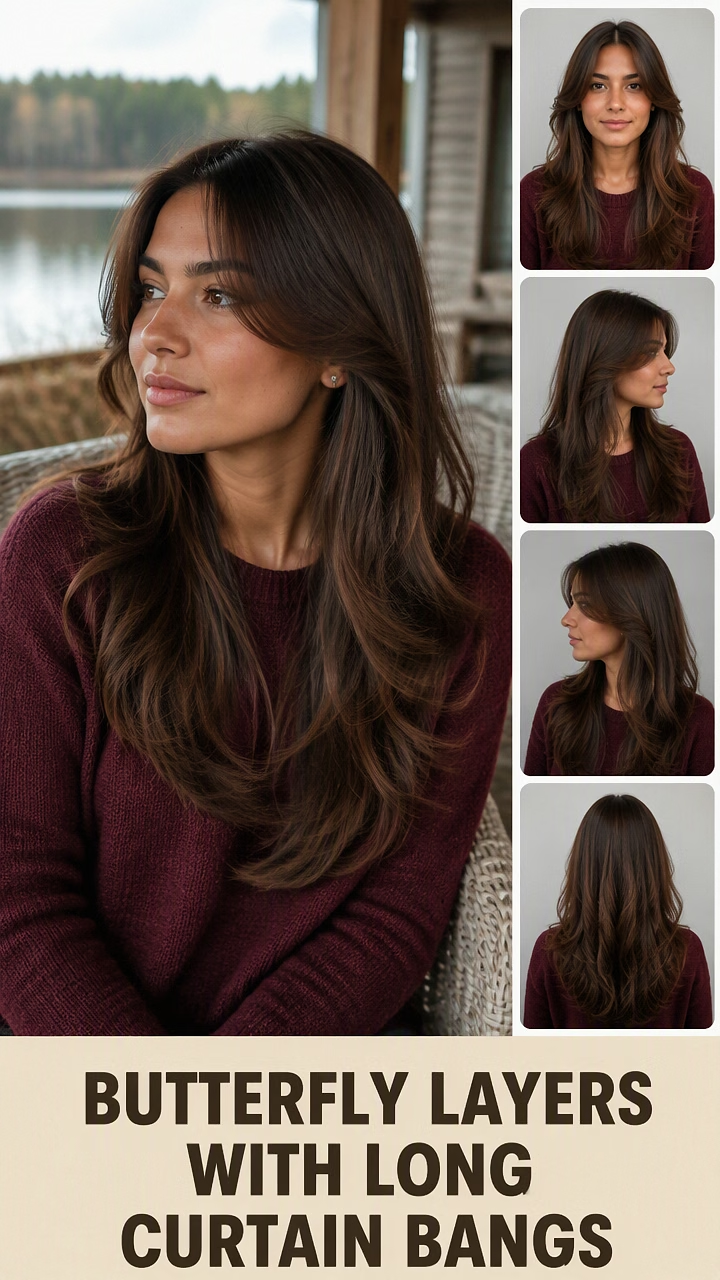
Long Butterfly Layers With Soft Curtain Bangs
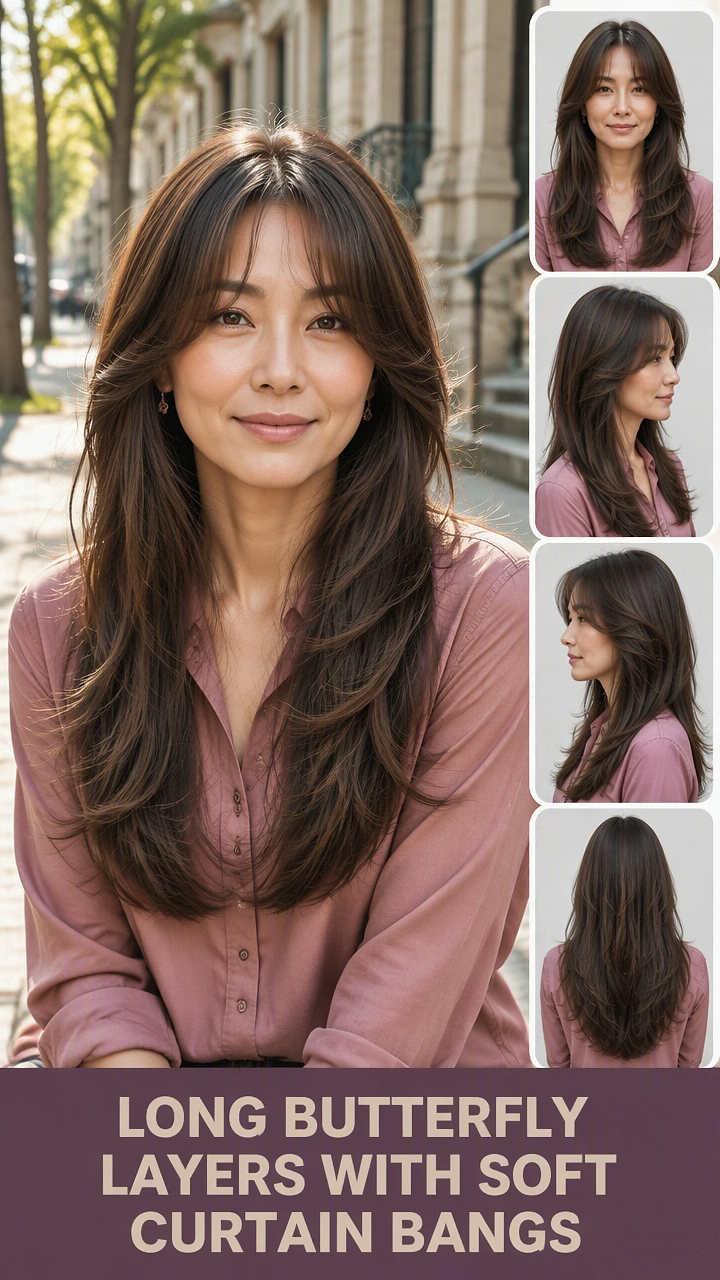
This flowing butterfly cut keeps the longest pieces well below the shoulders while shorter, blended layers lift the crown and sweep outward around the face. Curtain bangs part softly in the middle, then melt into cheekbone-to-jaw framing for that airy, face-opening finish.
It suits thick straight or wavy hair especially well, and the lifted shape can balance longer or oval faces. Ask your stylist to preserve plenty of length in the back and avoid making the front layers too short if you prefer an easy ponytail. A round brush or large rollers bring out the signature swoop; a light mousse helps hold it. Expect some blow-dry styling for the full effect, and refresh the fringe and shape every eight to ten weeks. Request long, connected butterfly layers, not a disconnected short top tier.
Invisible Long Layers With A Full Blunt Perimeter
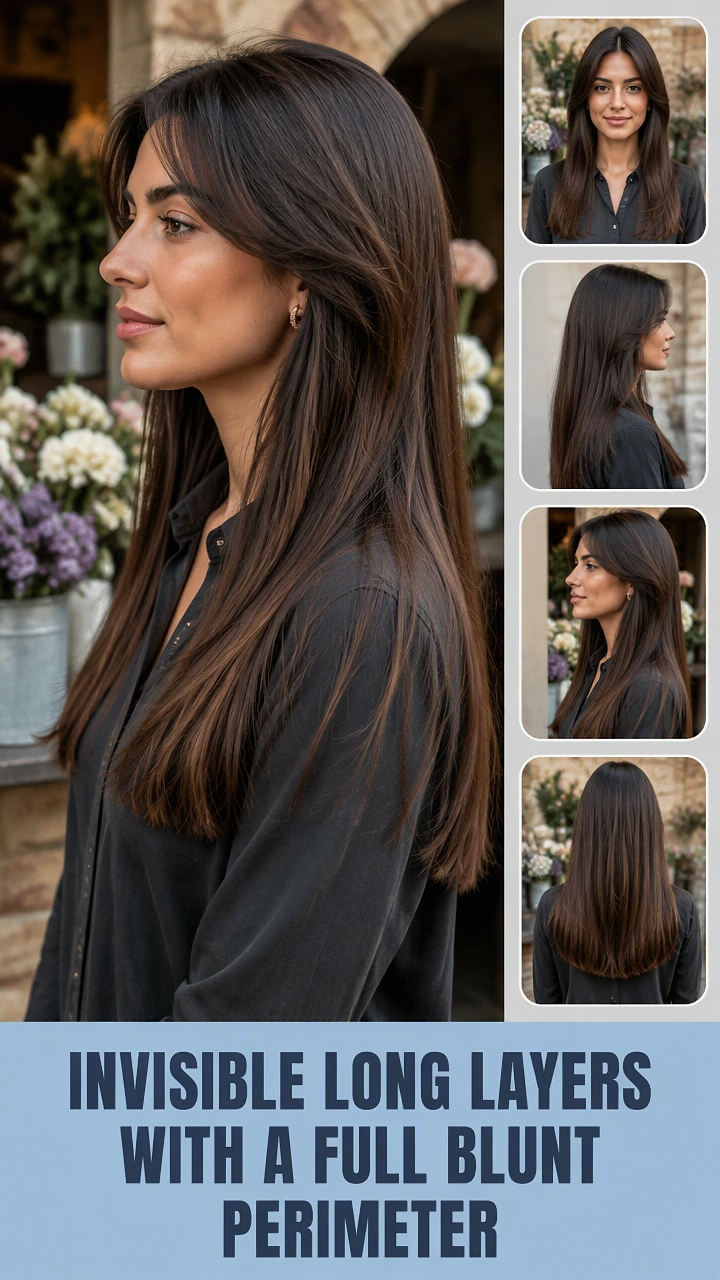
For a sleek silhouette that still moves, invisible layers are cut within the hair rather than displayed as obvious steps. The outside edge stays strong and mostly blunt, while subtle interior shaping releases bulk through the mid-lengths. The result looks glossy and full but feels less dense when it swings.
This is a lovely option for thick straight or softly wavy hair and works with a center or side part. It can suit most face shapes because the outline remains simple; add a little face framing if you want more softness near the cheeks. Smooth with a paddle brush and heat protectant, or air-dry with a leave-in cream for a relaxed finish. Ask for internal weight removal while keeping the perimeter full. The subtlety is the point, so choose a stylist comfortable with restrained layering. A trim every ten to twelve weeks helps retain the crisp outline.
Long V-Cut Layers With Sunkissed Balayage
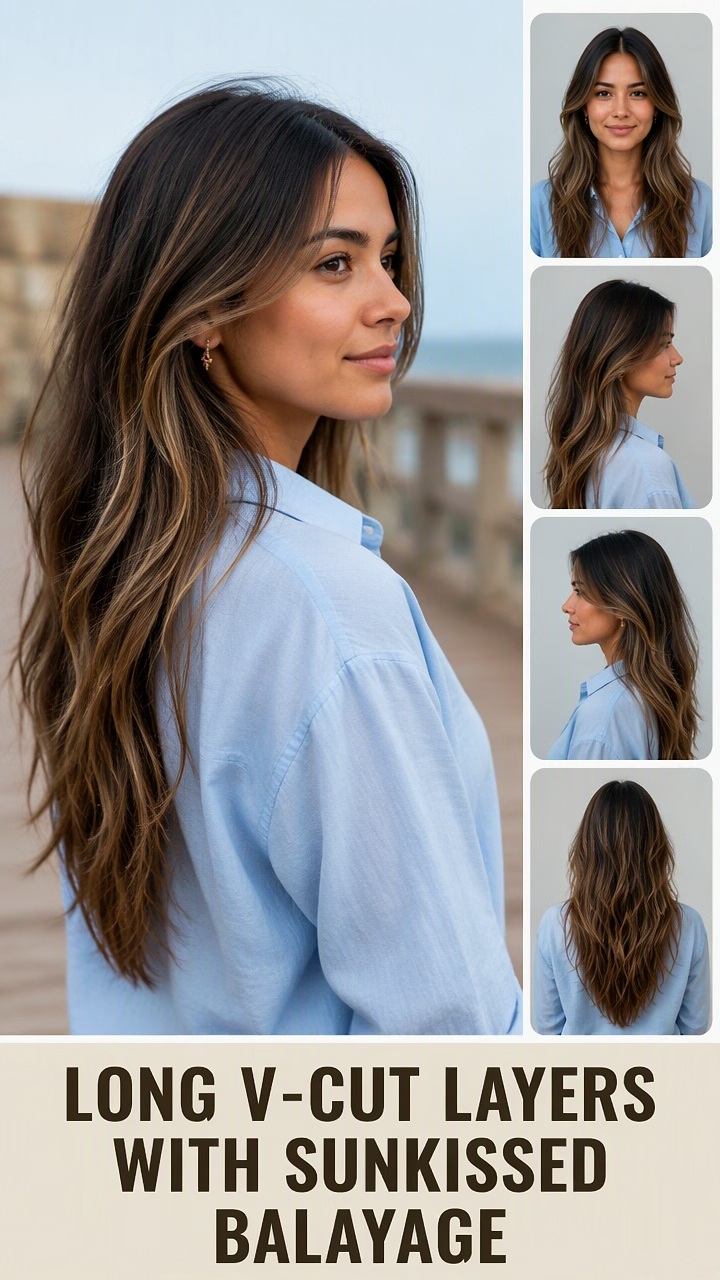
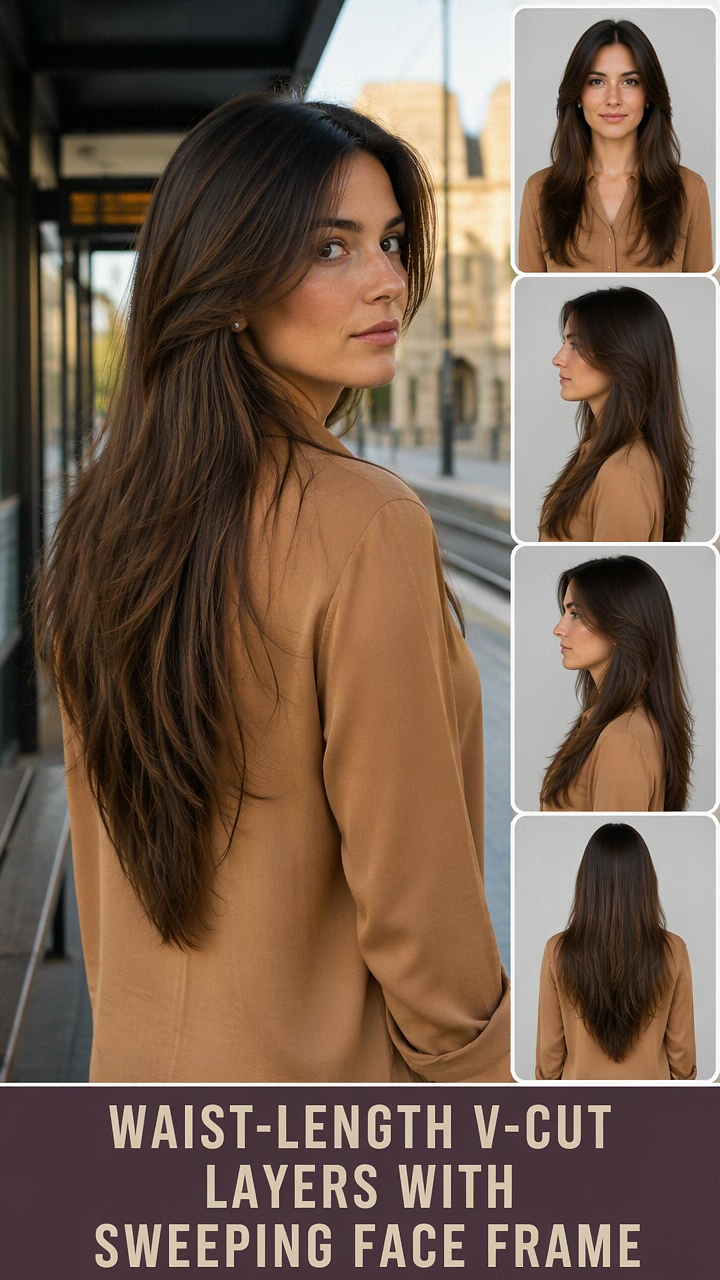
A V-shaped perimeter creates a dramatic, tapered point at the back, with long layers flowing toward it from the sides. On thick hair, that angled outline reduces the feeling of a heavy curtain while keeping a generous amount of length. Soft balayage through the mid-lengths and ends can make the layers easier to see without looking stripey.
This shape is particularly striking on straight and wavy textures, and the elongating lines can complement round or heart-shaped faces. Wear it smooth for a polished look or add loose waves to show off the cascading pieces. A large-barrel iron and a little texture spray are enough for an easy dressed-up finish. Ask your stylist to keep the V gentle if you want a fuller hemline. The sharper the point, the more noticeable the shape as it grows out; book a trim every ten to twelve weeks.
Rounded U-Cut With Easy Long Layers
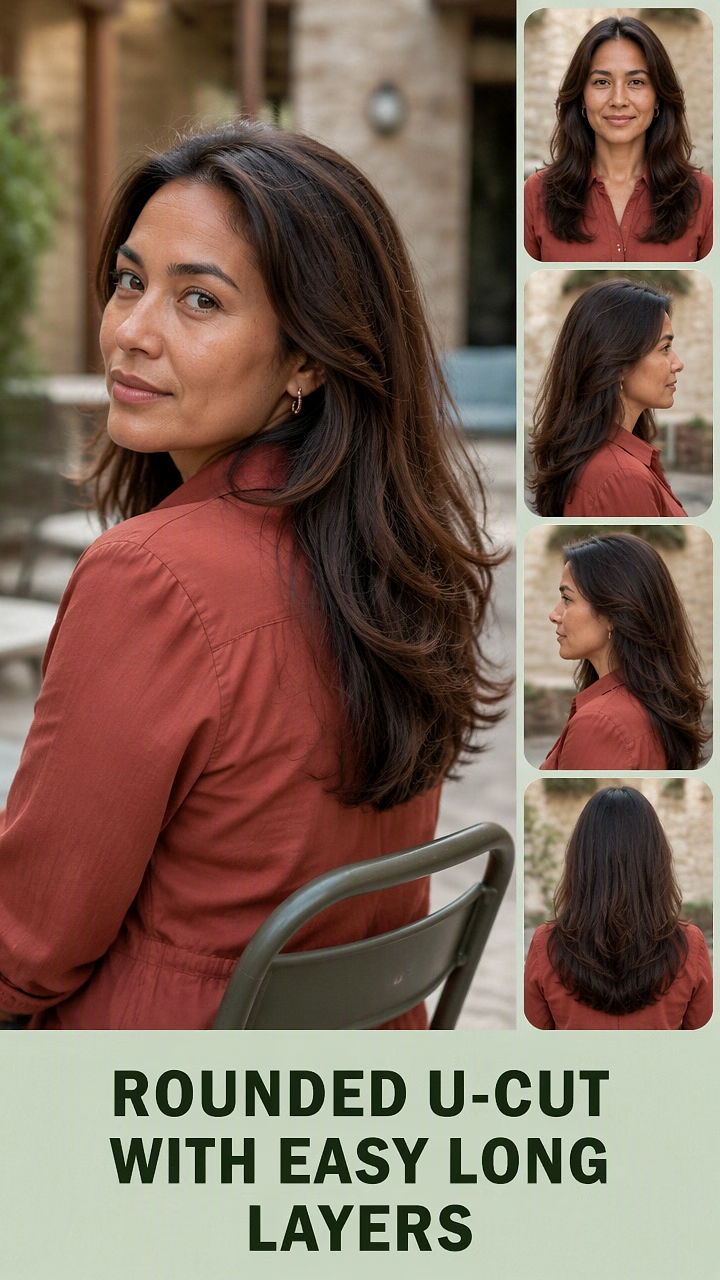
The U-cut has a softly curved hemline: the hair at the center back sits longest, while the sides curve upward in a gradual arc. Paired with long, blended layers, it gives thick hair a neat outline without the pointed drama of a V. The shape stays full at the ends but feels less blocky than a one-length cut.
It works beautifully on straight, wavy, and loose-curly hair, especially if you like a balanced look that can be worn down or tied back. The rounded perimeter can soften angular features and complements oval faces. For everyday styling, smooth with a blow-dryer and paddle brush or scrunch in curl cream and air-dry. Ask for a soft U shape and conservative layers through the back. This is a relatively low-fuss choice, though long hair still benefits from regular detangling and trims around every ten to twelve weeks.
Long Shag With Airy Curtain Fringe
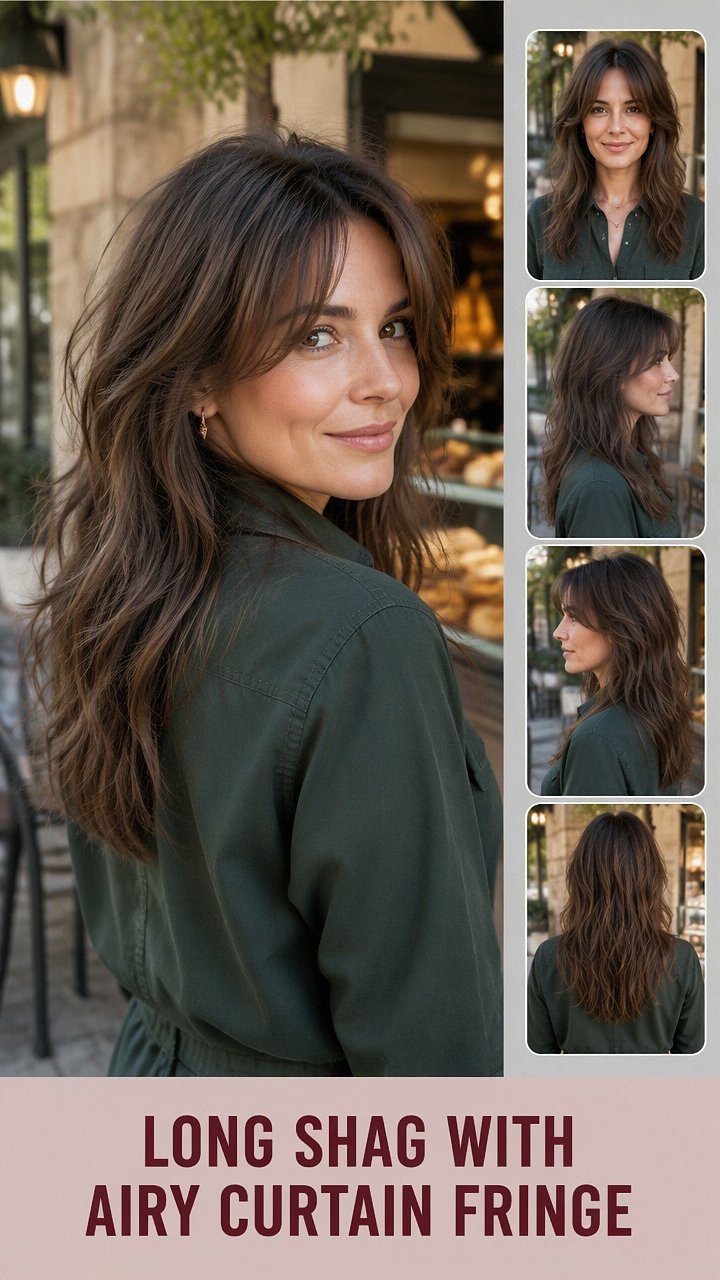
This long shag layers the hair from the crown through the ends, creating a relaxed, piecey outline rather than a smooth cascade. A wispy curtain fringe adds movement around the eyes, while the longest layers keep the overall length distinctly long. On thick hair, the texture helps break up density and encourages natural waves to separate.
Ask for the shape to follow your own texture: wavy hair can take more visible layering, while straighter hair may need a little styling to show the shaggy finish. It suits oval and heart-shaped faces particularly well, but the fringe can be adjusted to soften a wider forehead. Use mousse or a light curl cream, then diffuse or air-dry without repeatedly touching the hair. The lived-in effect is easygoing, but fringe needs more frequent shaping. Ask for airy layers, not excessive thinning, and expect a refresh every eight to ten weeks.
Feathered Long Layers With Flipped Ends
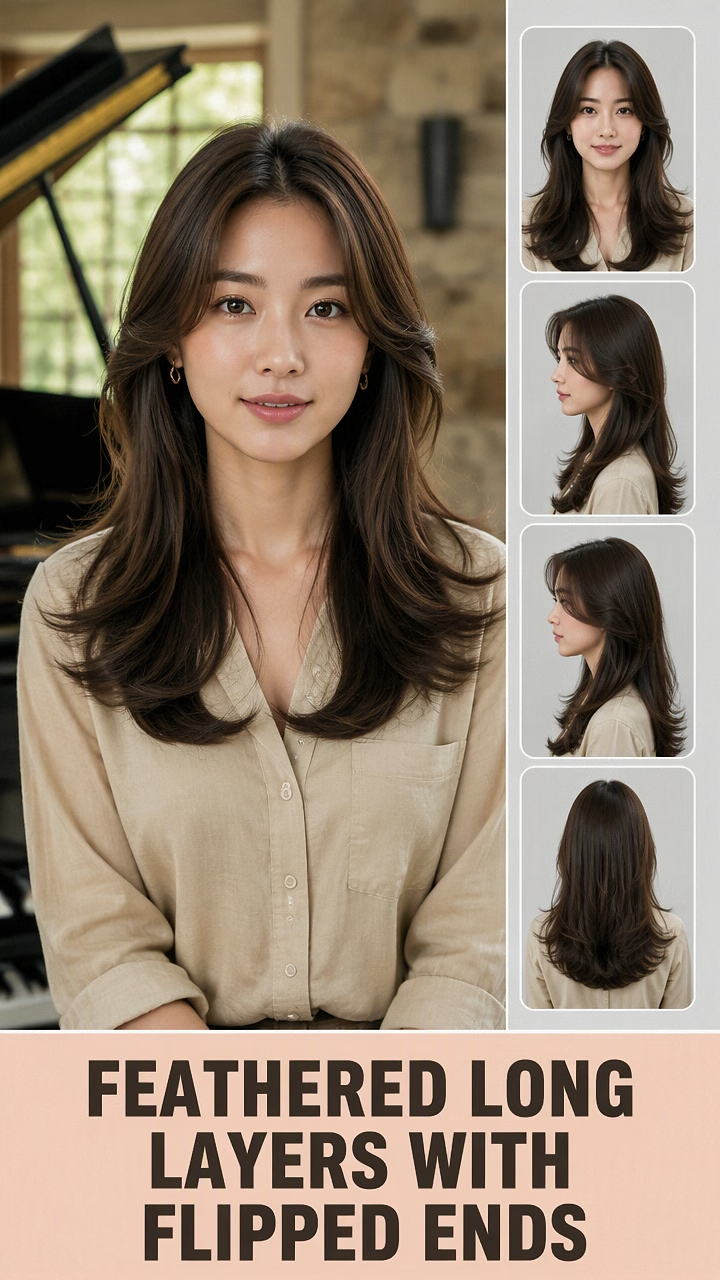
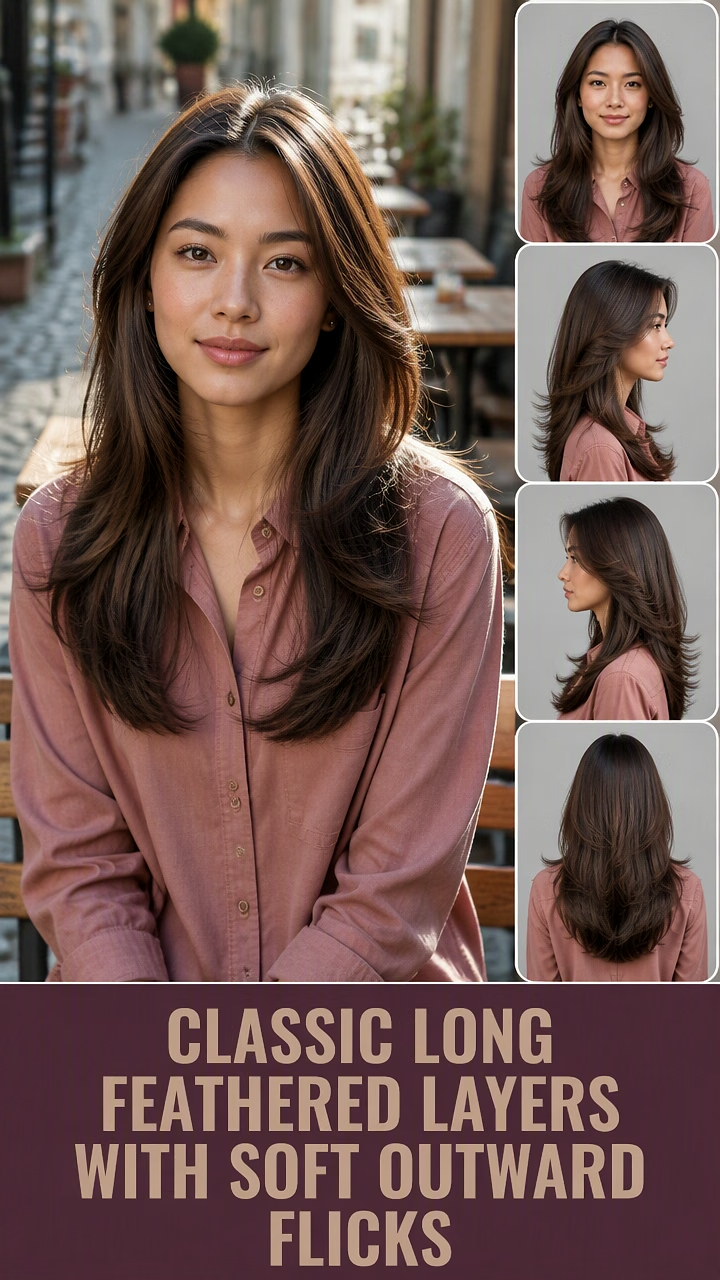
Feathered layers have softly tapered edges that fan away from the face and through the lengths. The cut keeps the hair long but gives thick strands a lighter, more buoyant finish, while flipped ends add a distinctly retro, brushed-out shape. The feathering should blend rather than look like separate shelves.
This style is a natural match for thick straight or gently wavy hair and looks especially graceful with a side part. The sweep around the cheekbones can soften square features, while the volume through the sides balances a longer face. Blow-dry with a round brush, directing the shorter pieces away from the face; large rollers can help set the flip. Ask your stylist to keep the layers rounded and long enough to tuck behind your ears. The ends need some styling to hold their shape, and trims every eight to ten weeks preserve the feathered outline.
Long Curly Layers With A Rounded Shape
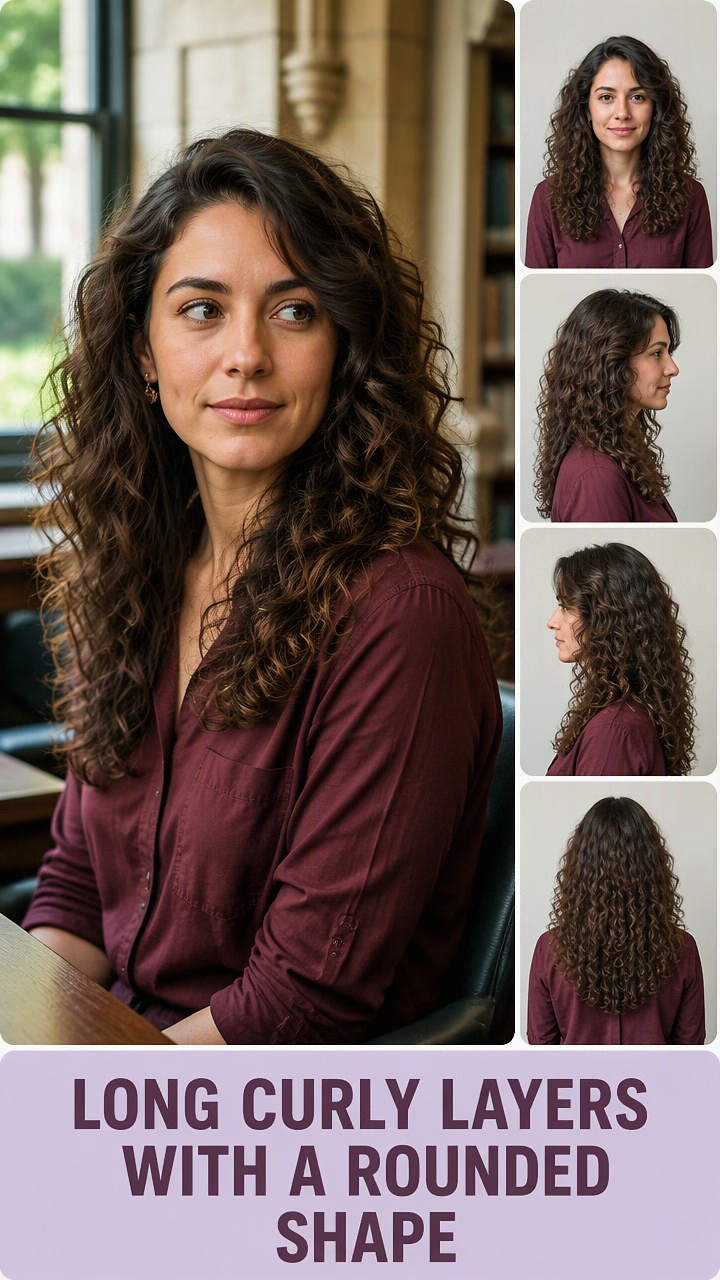
A rounded layered cut gives long curls lift around the crown and a balanced outline through the sides and back. Rather than removing length everywhere, the stylist places long layers to help curls spring and separate, reducing the bulky triangle shape that can develop as thick curls grow. The ends remain soft and defined, not heavily thinned.
Read more : 26 Long Pixie Hairstyles for Round Faces Ideas That Feel Fresh and Flattering
This is designed for naturally curly hair, with the layer placement adjusted for curl size and shrinkage. It can flatter many face shapes; a little extra framing around the cheekbones can open the face without sacrificing length. Style on damp hair with leave-in conditioner and curl cream, then diffuse on low or let it air-dry with minimal touching. Ask for a curl-aware cut that respects how your hair dries. Curls may need more frequent reshaping than straight hair, often around eight to twelve weeks, and daily definition takes time.
Long Wavy Layers With A Center Part
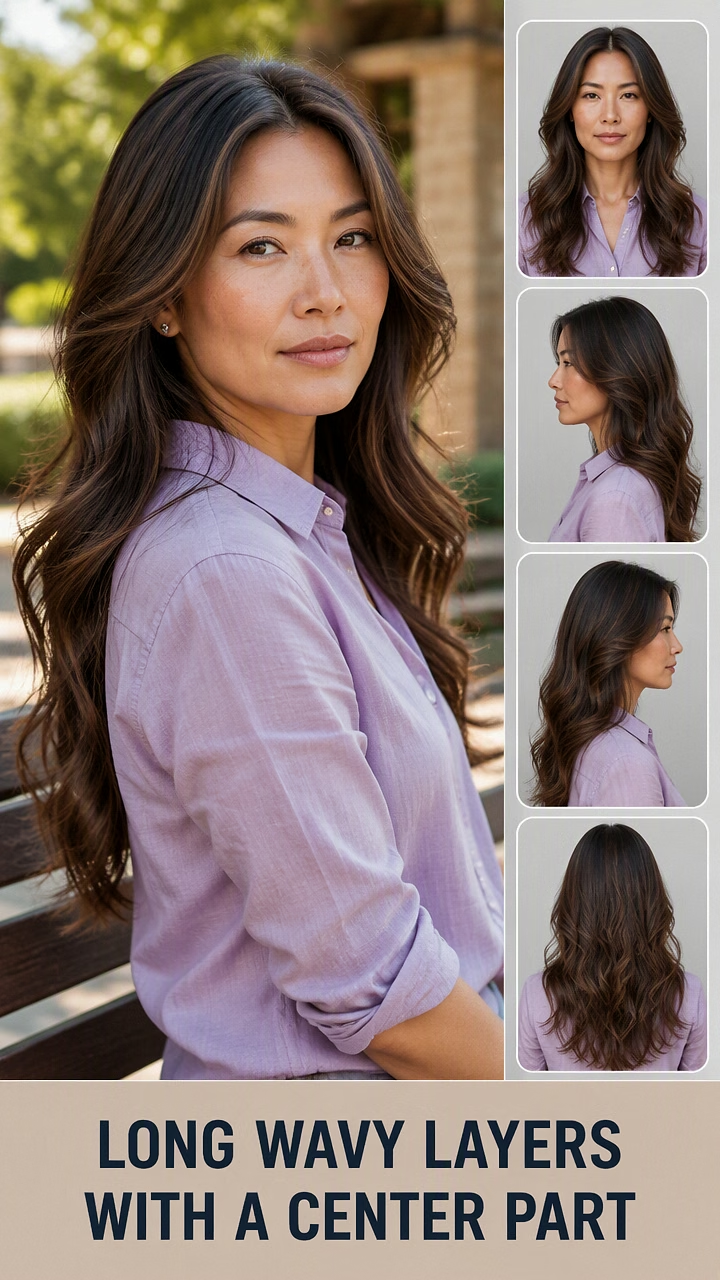
A center part and long, seamless layers let thick waves fall in a balanced, face-framing curtain. The layers begin below the chin and continue through the mid-lengths, with enough length left at the back to keep the silhouette flowing. This approach helps waves show their natural bends without turning the ends into a thin, choppy fringe.
It is ideal for naturally wavy hair and can work on straight hair that enjoys a loose-wave styling routine. The symmetry pairs well with oval and heart-shaped faces; a stylist can soften the framing for a wider jaw. Apply a lightweight leave-in or wave cream to damp lengths, then scrunch and air-dry or use a diffuser. A few loose bends from a wand can polish the shape. Ask for long layers connected to the face frame. It is easy to wear casually, though a crisp center part may need a quick reset each morning.
Long Angled Layers Starting At The Collarbone
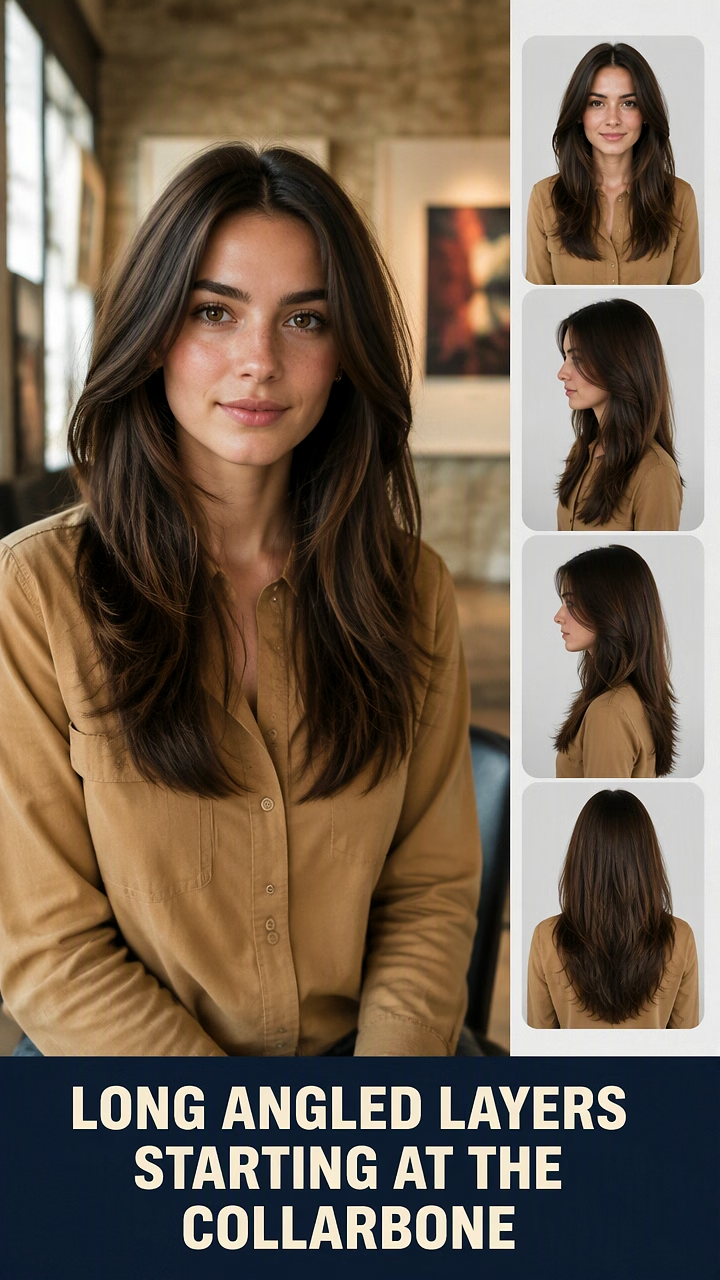
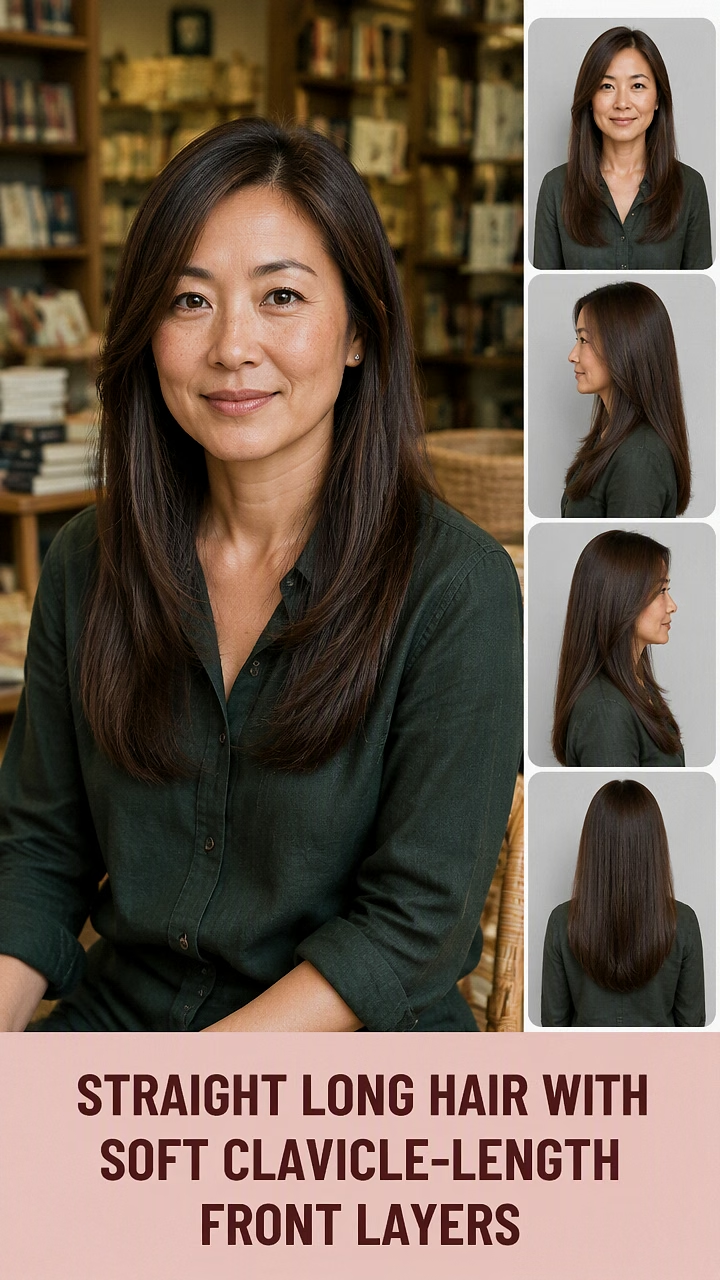
In this understated cut, the front layers begin around the collarbone and angle gradually into the long back sections. The overall length stays intact, while the soft diagonal gives thick hair a sense of direction and keeps the front from feeling like a solid wall. The ends remain blended and full rather than sharply stepped.
It suits straight or wavy hair that feels bulky through the back but needs gentler shaping around the face. The long front angle can lengthen a round face or soften a square jaw, depending on where the first pieces begin. For an uncomplicated routine, blow-dry with a paddle brush or apply smoothing cream and air-dry. Ask for a gradual collarbone-starting frame and minimal short layers at the crown. This shape grows out gracefully, but face-framing pieces may lose their intended angle over time. A trim every ten to twelve weeks keeps the sweep intentional.
Long Layers With Cheekbone Curtain Bangs
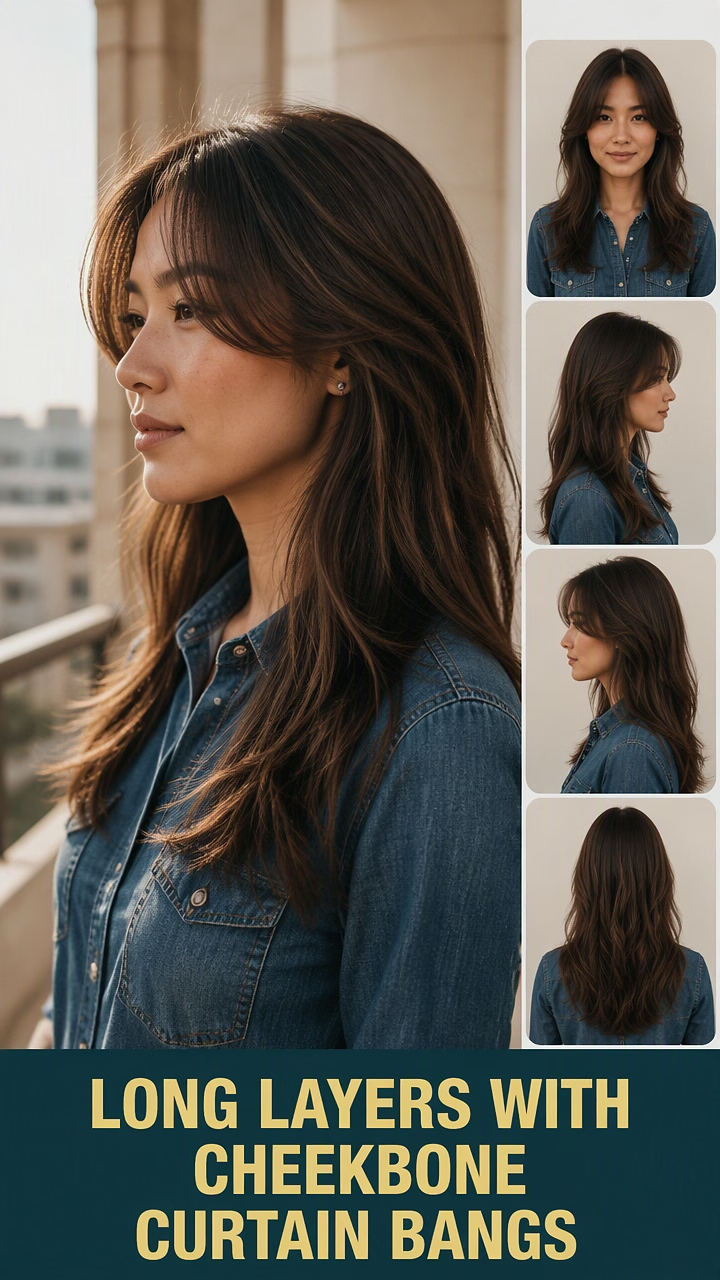
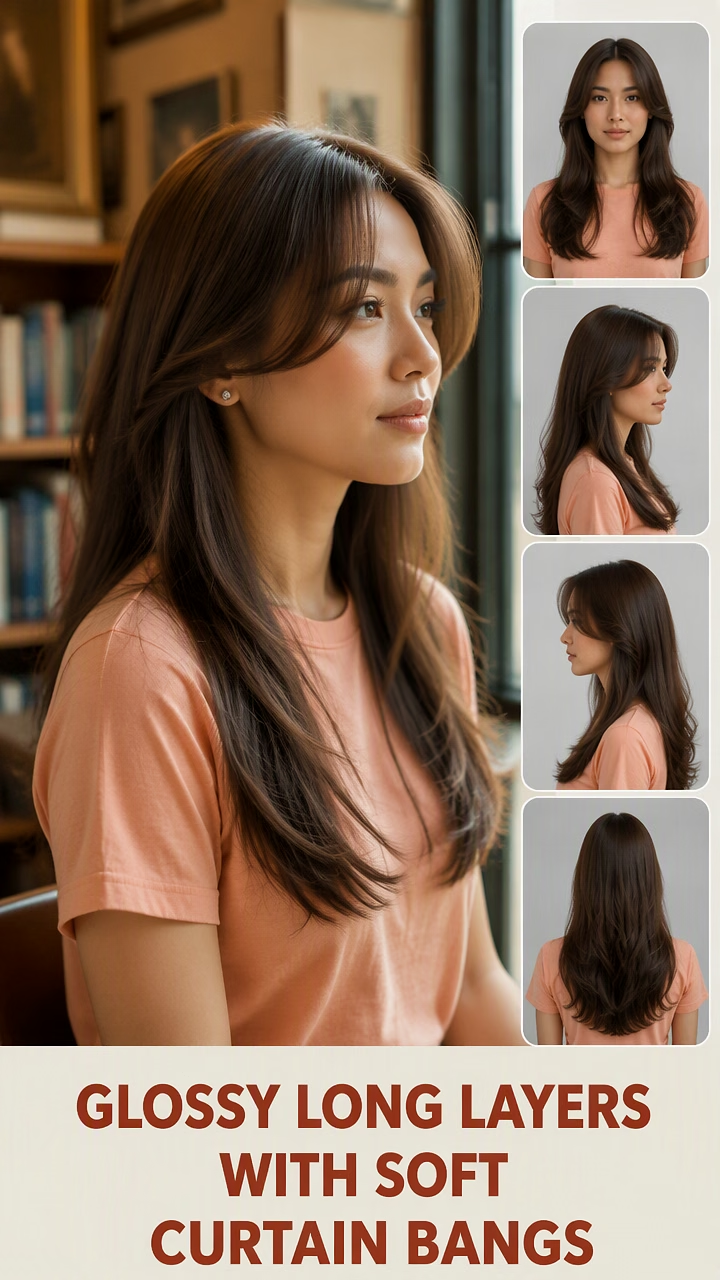
Cheekbone-length curtain bangs open around the forehead and connect to long, cascading layers. The rest of the hair keeps its length, with blended shaping through the sides and lower lengths to loosen the heaviness of thick strands. The overall look is romantic and face-framing, but less dramatic than a full shag.
It works on straight, wavy, or loosely curly hair, though curls may need the fringe cut longer to allow for spring. The parted fringe draws attention to the eyes and cheekbones and can be tailored to suit most face shapes. Style the front with a small round brush, directing each side away from the face; use a light cream on the lengths. Ask for bangs that blend into the first long layers. The fringe takes daily attention and needs more frequent trims than the rest, so consider longer, grown-out curtain pieces if you prefer low maintenance.
Long Choppy Layers With Lived-In Texture
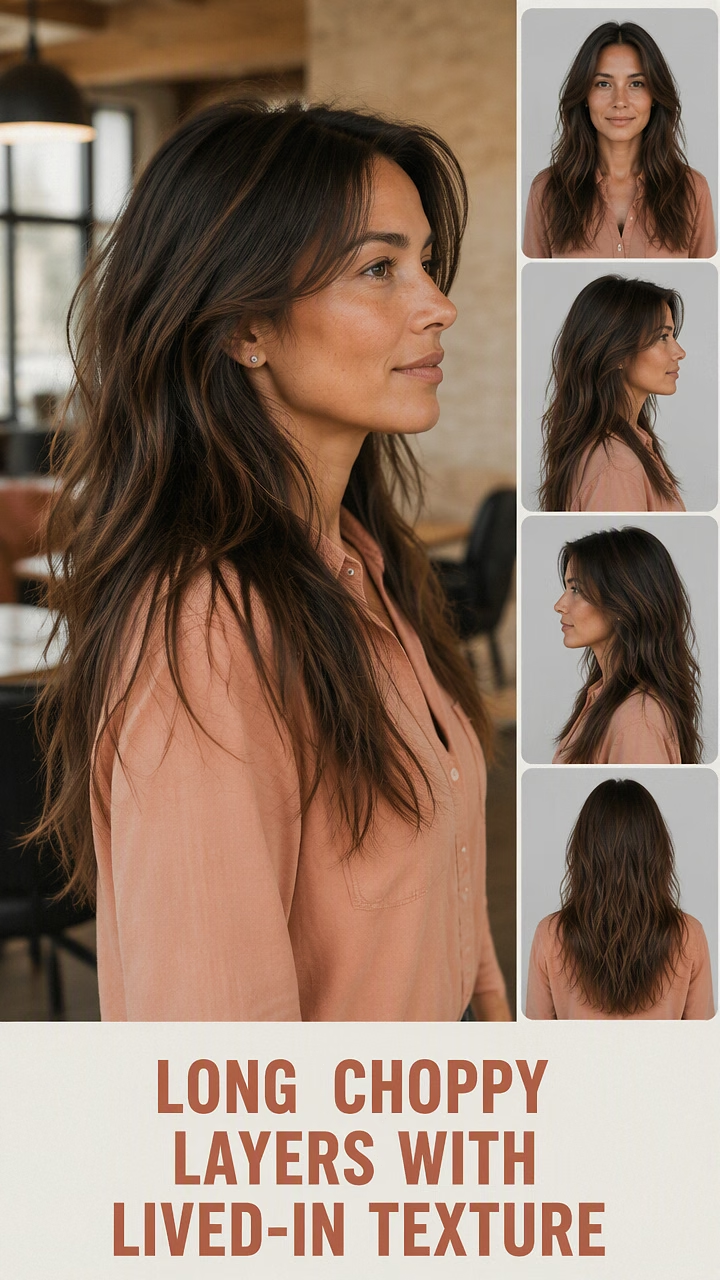
Choppy layers create more visible separation than a classic long-layer cut, with irregular, softened pieces breaking up the density through the mid-lengths and ends. The overall perimeter stays long, but the surface looks textured and slightly tousled rather than perfectly smooth. On thick hair, the key is controlled choppiness so the finish feels airy rather than puffy.
This cut suits dense straight or wavy hair and is especially easy to wear if your natural texture already has movement. It can bring softness to a broad jawline and add dimension around the sides of an oval face. Work a small amount of texturizing cream through damp hair, then air-dry or rough-dry with a diffuser. Ask for deliberate, blended texture rather than aggressive thinning. The style is casual and forgiving, but shorter pieces may escape a tight ponytail. A shape refresh every eight to ten weeks keeps the ends from looking overly ragged.
Long C-Shaped Layers With Soft Face Framing
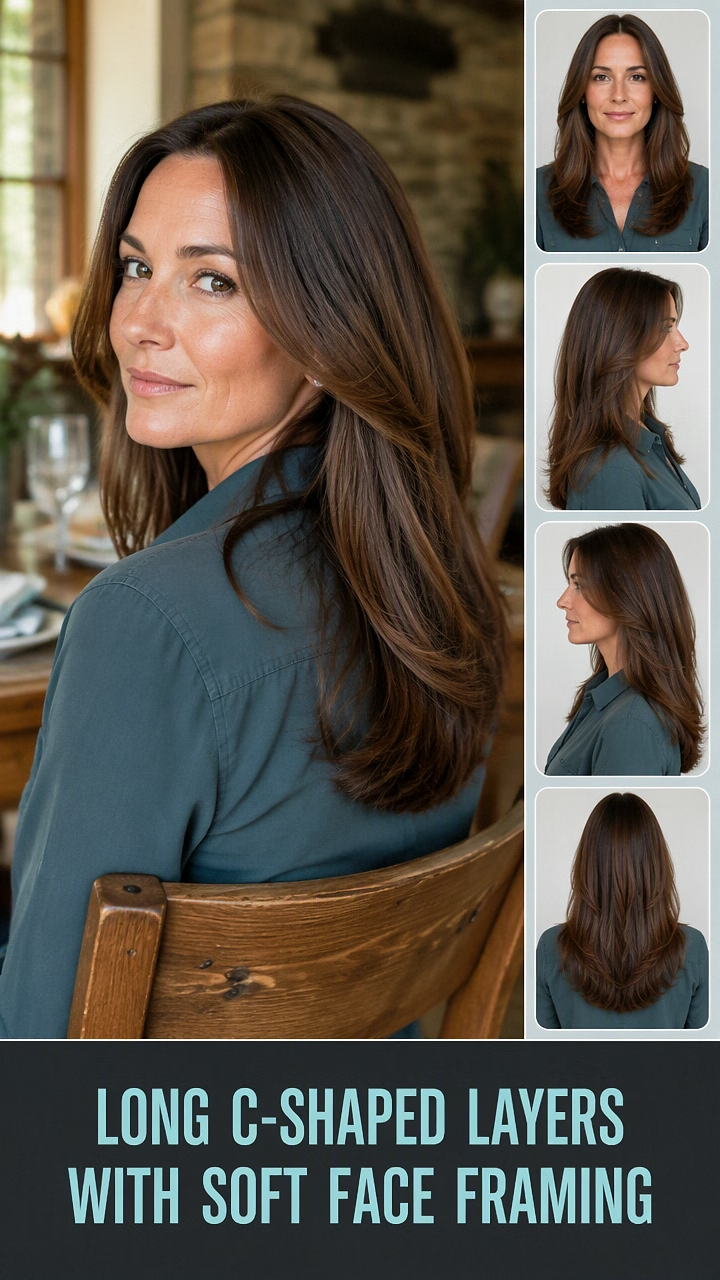
C-shaped layers curve inward around the face and shoulders, then blend into a mostly long back. That curved finish gives thick hair a soft, enveloping shape and helps the front fall into place instead of spreading outward. The layering can be concentrated around the face, leaving the back fuller for a smooth, elegant outline.
It is flattering on straight and wavy textures and can be tailored to frame the cheekbones or jaw. The gentle inward curve often complements round or heart-shaped faces, though the starting point should match your features. Use a round brush to turn the front pieces softly inward, or tuck them behind the ears for a more relaxed look. Ask for long face-framing layers with a rounded, connected finish and restrained layering in the back. It is less dramatic than a shag, but the curve shows best with some blow-drying. Plan on a trim every ten to twelve weeks.
Long Layers With A Deep Side Part
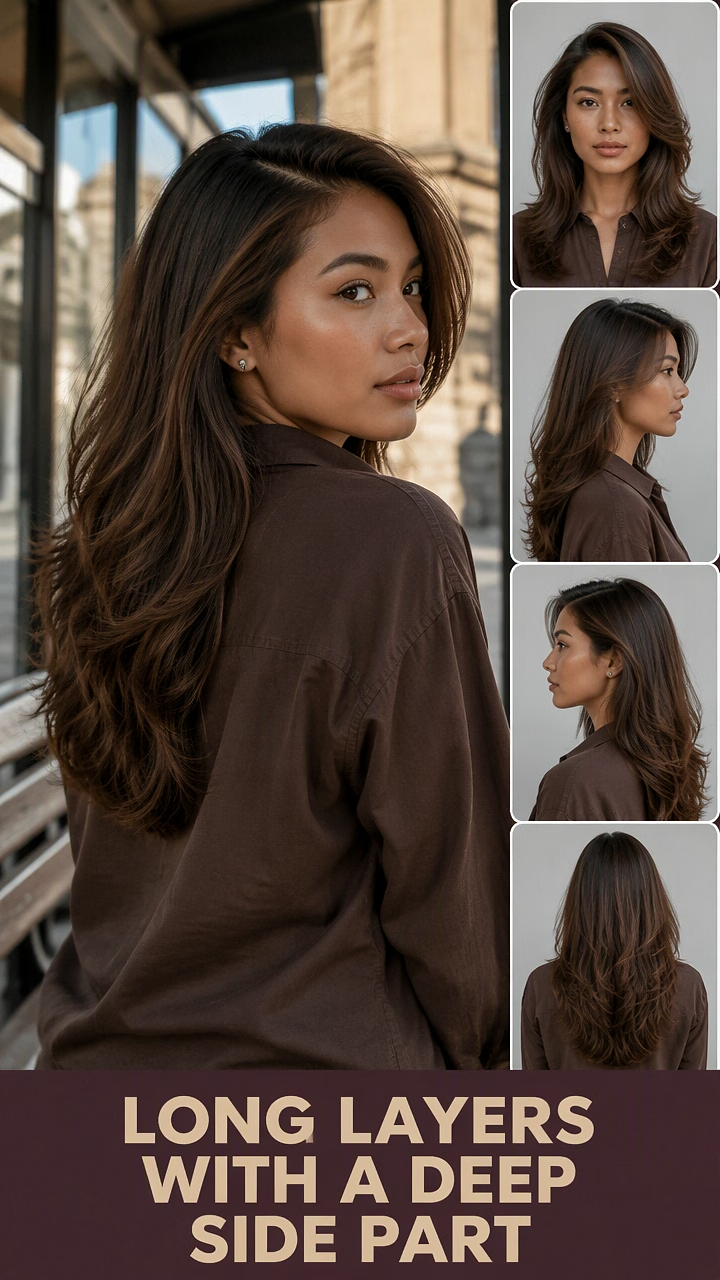
A deep side part changes the balance of a long layered cut without changing its length. Long layers sweep across the forehead and cascade over one shoulder, while subtly tapered ends keep thick hair from looking too weighty. The result feels polished, a little glamorous, and easy to switch back to a center part when you want a different mood.
This shape works on straight and wavy hair, and the side sweep can add softness around a square or angular face. Thick hair holds the dramatic part well, though cowlicks may affect where it sits most comfortably. Apply mousse at the roots and blow-dry the top in the opposite direction before setting the part; a large-barrel iron can add loose movement. Ask your stylist to preserve a strong, blended length with a face frame that supports a side sweep. The volume needs a little styling, but the layers grow out smoothly.
Long Butterfly Layers Without Short Front Pieces
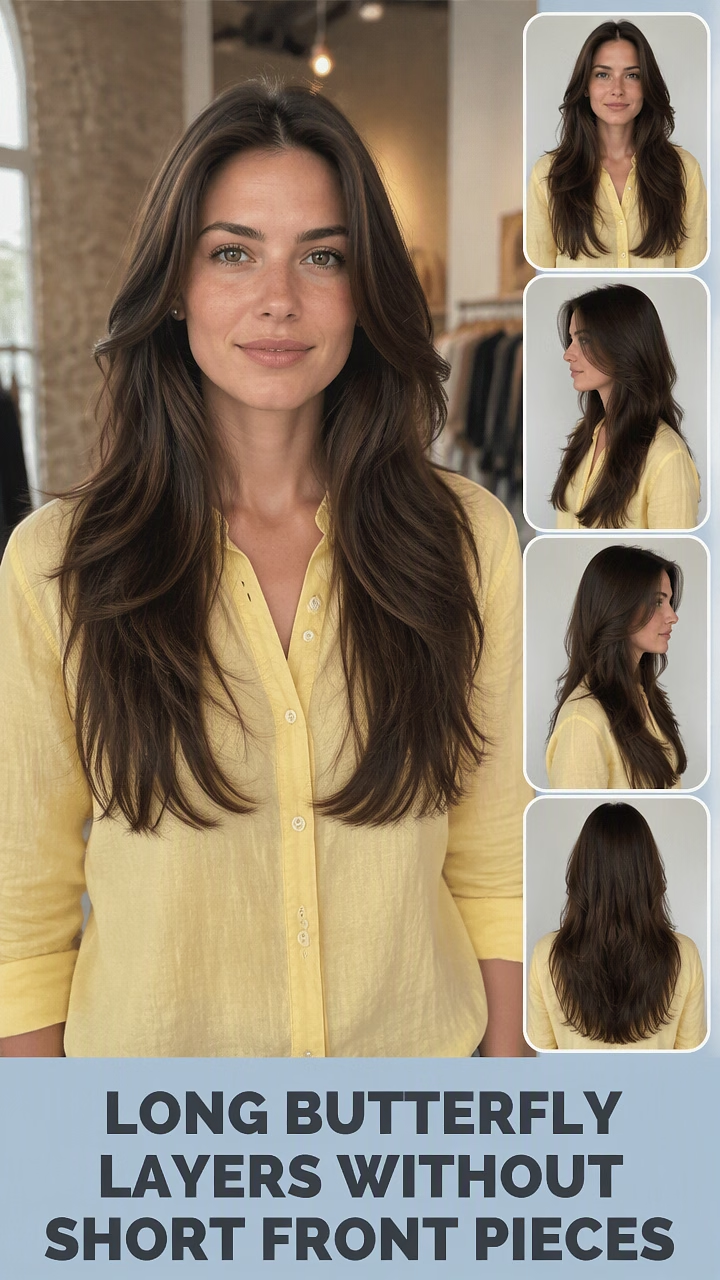
This softer butterfly variation keeps the face-framing pieces long, beginning around the collarbone instead of at the cheekbones. The lifted, shorter upper tier adds movement around the crown, while the back stays long and connected. It gives thick hair a light, bouncy impression without committing to short layers that may feel difficult to tie back.
It suits thick straight or wavy hair, especially when the roots fall flat but the ends feel dense. Longer front pieces work well for anyone who likes to tuck hair behind the ears or wear a ponytail. Blow-dry with a large round brush, lifting at the roots and turning the front away from the face. Ask for butterfly-inspired layers that start at or below the collarbone and keep the front length substantial. The shape looks most dramatic when styled, so allow a little extra time on wash days. Refresh the layers every eight to twelve weeks.
Long Natural Waves With Soft Internal Layers
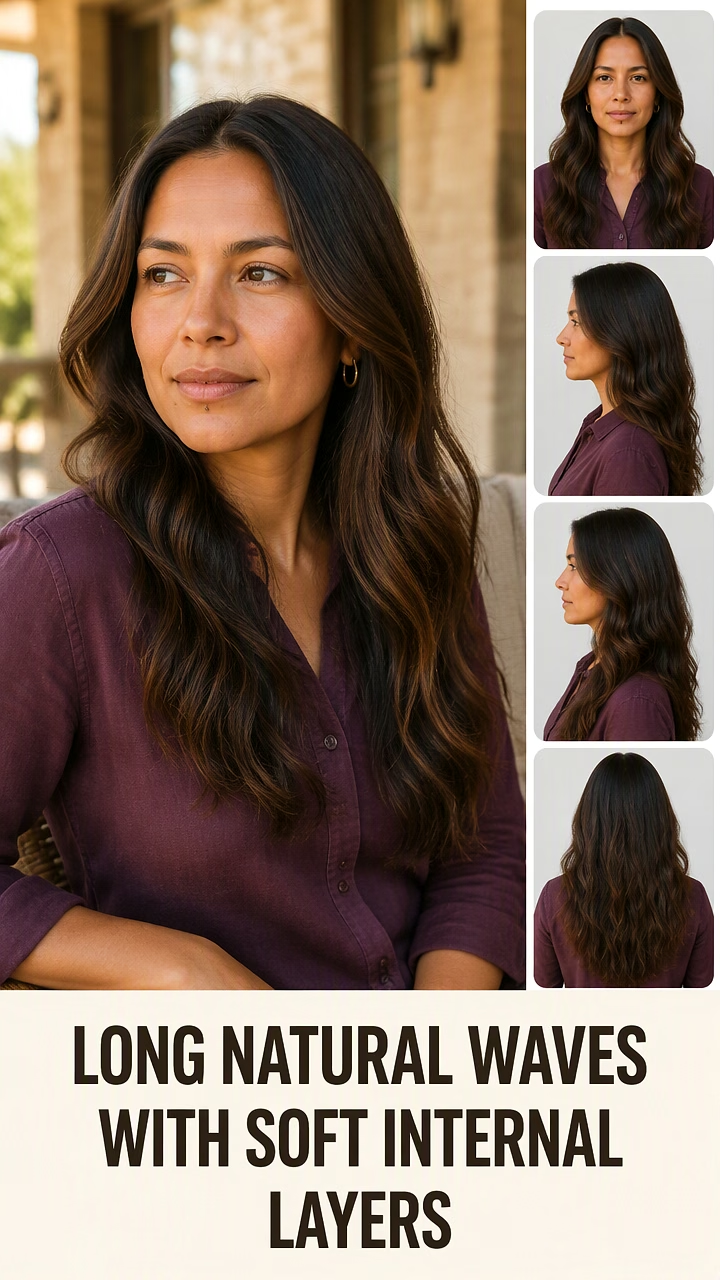
Internal layers remove some weight from within the hair while leaving the outside outline soft and full. On long natural waves, this creates more separation and movement without making the ends appear sparse. The surface stays relatively smooth, so the look is relaxed and natural rather than obviously layered.
Read more : 22 Long Hairstyles With Layers For Over 50 That Feel Fresh And Flattering
This cut is especially useful for thick wavy hair, though a stylist can adapt it for straight hair that needs subtle motion. It suits most face shapes because the perimeter remains gentle; add light framing around the chin if you want more definition. Apply leave-in conditioner or a wave cream to damp hair, scrunch, and let it dry undisturbed for better wave grouping. Ask for internal weight removal and a shape that preserves your natural pattern, not thinning throughout the ends. It is low-key to style, but waves may need refreshing with water or a little product between washes. A trim every ten to twelve weeks maintains the outline.
Long Curly Shag With A Wispy Fringe
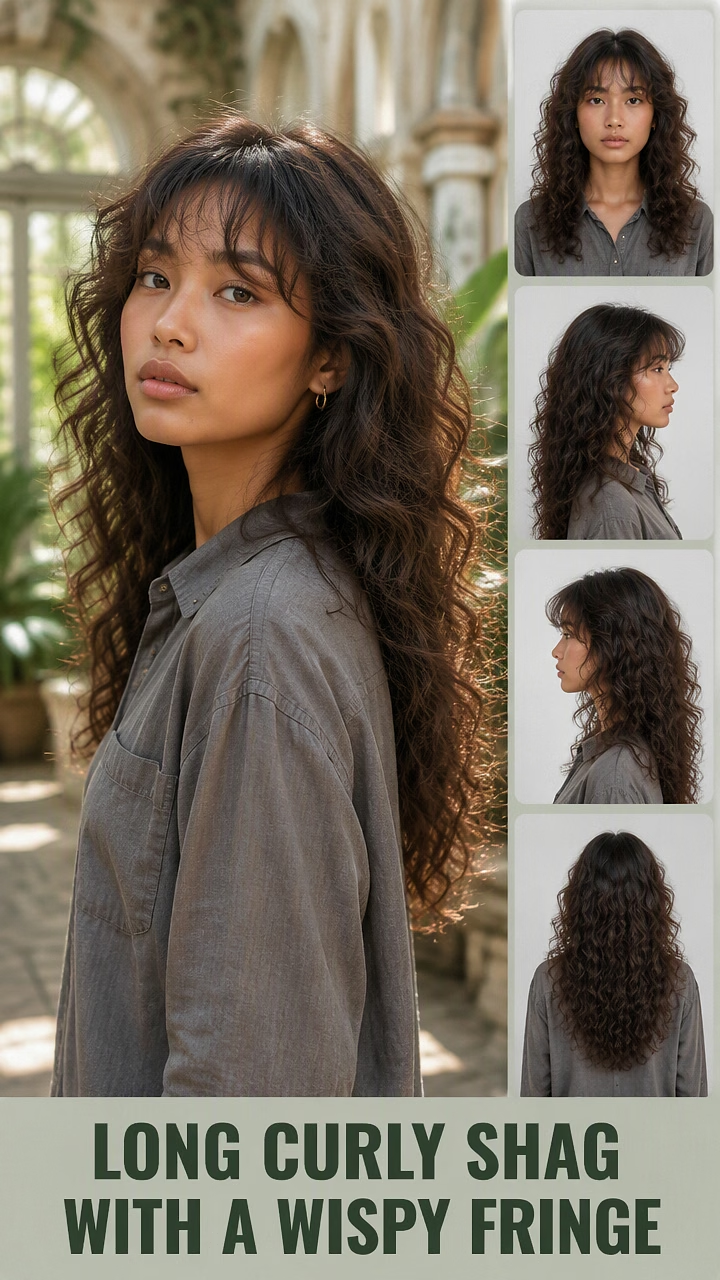
A curly shag places shorter, feathered layers around the crown and blends them into longer curls at the back. A light, wispy fringe adds personality, while the layered shape lets dense curls lift instead of collecting into one heavy mass. The outline is deliberately soft and a little undone, with curl definition taking center stage.
It works best for thick naturally curly hair that enjoys volume and movement. The fringe can be customized to suit forehead height and curl shrinkage, and the cheek-level framing can soften a longer face. Apply curl cream or mousse to soaking-wet hair, shape the fringe with fingers, and diffuse gently or air-dry. Ask for a curly shag cut based on your dry curl pattern and avoid over-thinning. This look is less suited to someone who wants a sleek, smooth finish every day. The fringe needs regular attention, and a shape refresh every eight to ten weeks keeps the crown balanced.
Long Sleek Layers With Tapered Ends
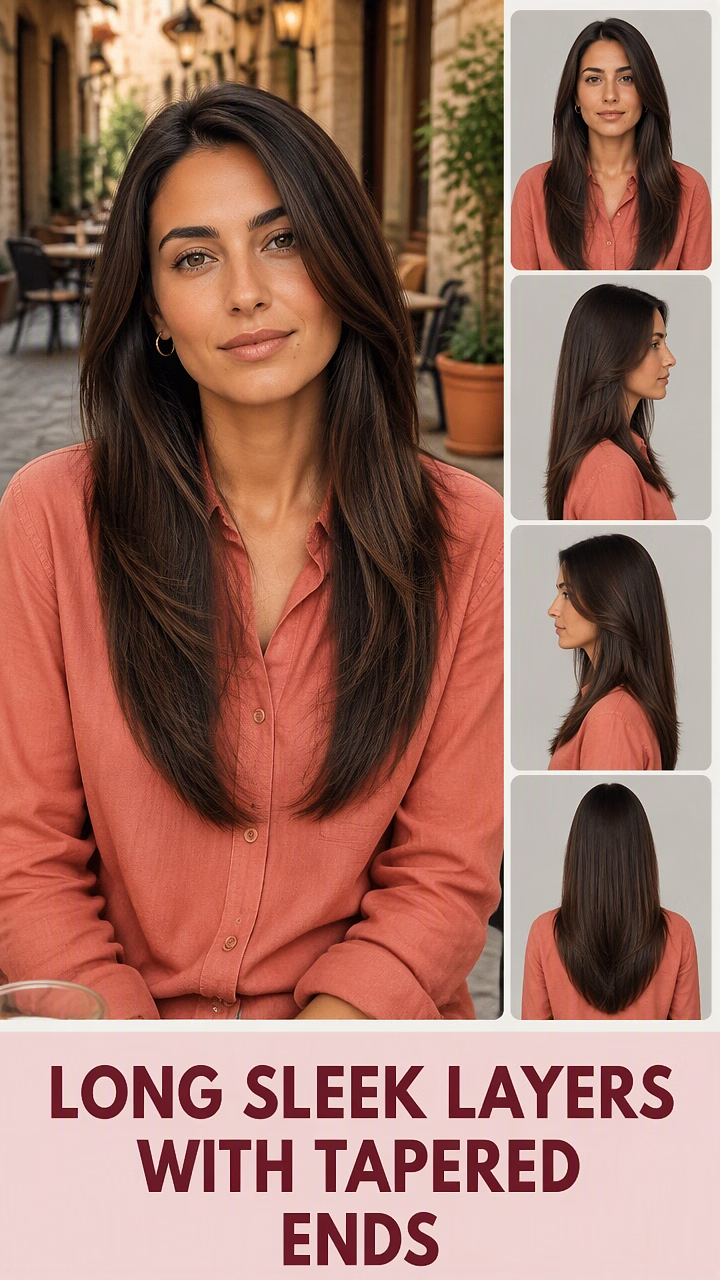
This refined cut keeps the top and mid-lengths smooth, with long layers gradually narrowing into tapered ends. The perimeter is not blunt, but it still feels substantial; the taper simply removes excess density where thick hair can gather into a heavy edge. It creates a clean, glossy line with a little movement when the hair turns.
Straight and softly wavy textures show the shape most clearly, and a center or side part both work. The long vertical lines can flatter rounder faces, while a small amount of cheekbone framing softens the look for angular features. Blow-dry with a paddle brush and finish with a light serum or shine cream on the ends. Ask for a subtle taper, not heavily thinned ends. It is one of the easier cuts to wear straight, though the sleek finish may require heat styling. Trim every ten to twelve weeks to prevent the perimeter from losing its shape.
Long Waterfall Layers With Loose S-Waves
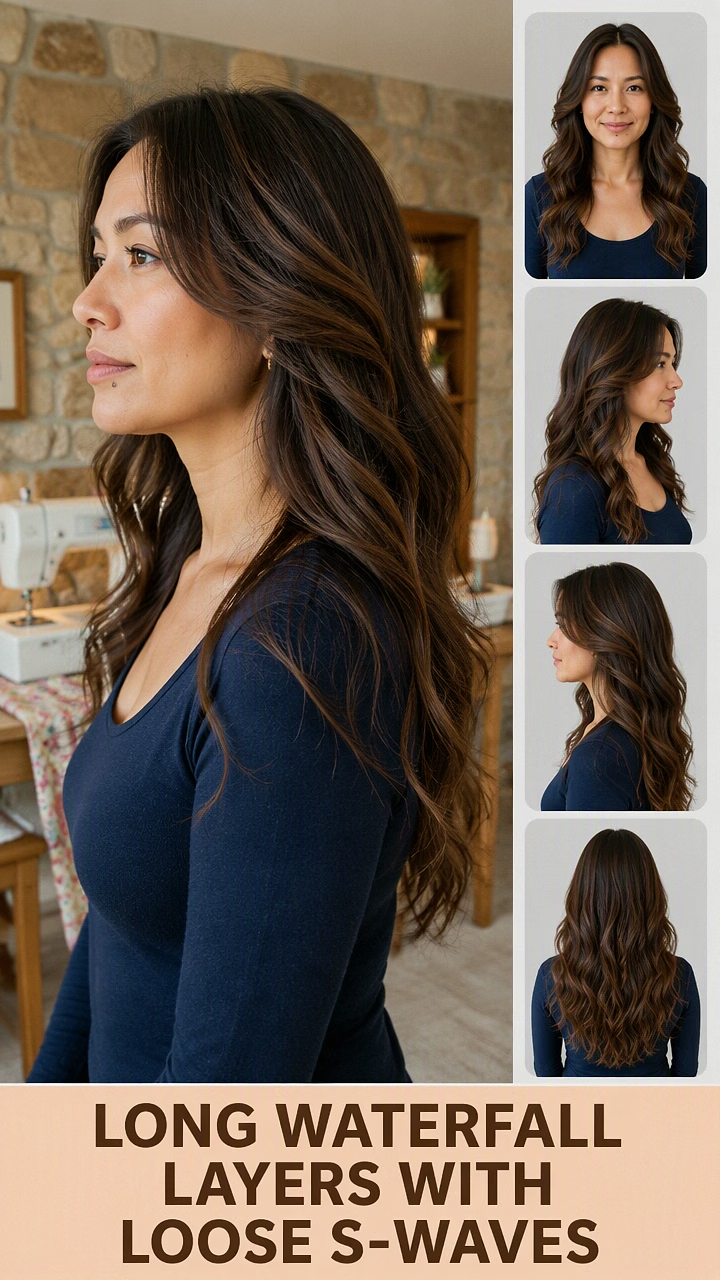
Waterfall layers flow from the upper sides into the lengths in a sequence of soft, connected curves. Styled as loose S-waves, the shorter pieces skim over longer sections, creating a cascading look that feels dimensional without looking overly curled. The cut preserves length but encourages thick hair to move instead of hanging as one dense sheet.
It suits medium-to-thick straight or wavy hair and is a lovely option when you enjoy a softly styled finish. The sweeping layers frame the face gently and can be adjusted for a center or side part. Use heat protectant, then wrap broad sections around a large curling iron, leaving the ends comparatively straight; brush through once cool. Ask for long, blended waterfall layers that start around the cheek or collarbone. The waves take styling time and may relax through the day, so this is less wash-and-go than a natural-wave cut. Refresh the layers every eight to twelve weeks.
Long Layered Curls With Defined Springy Ends
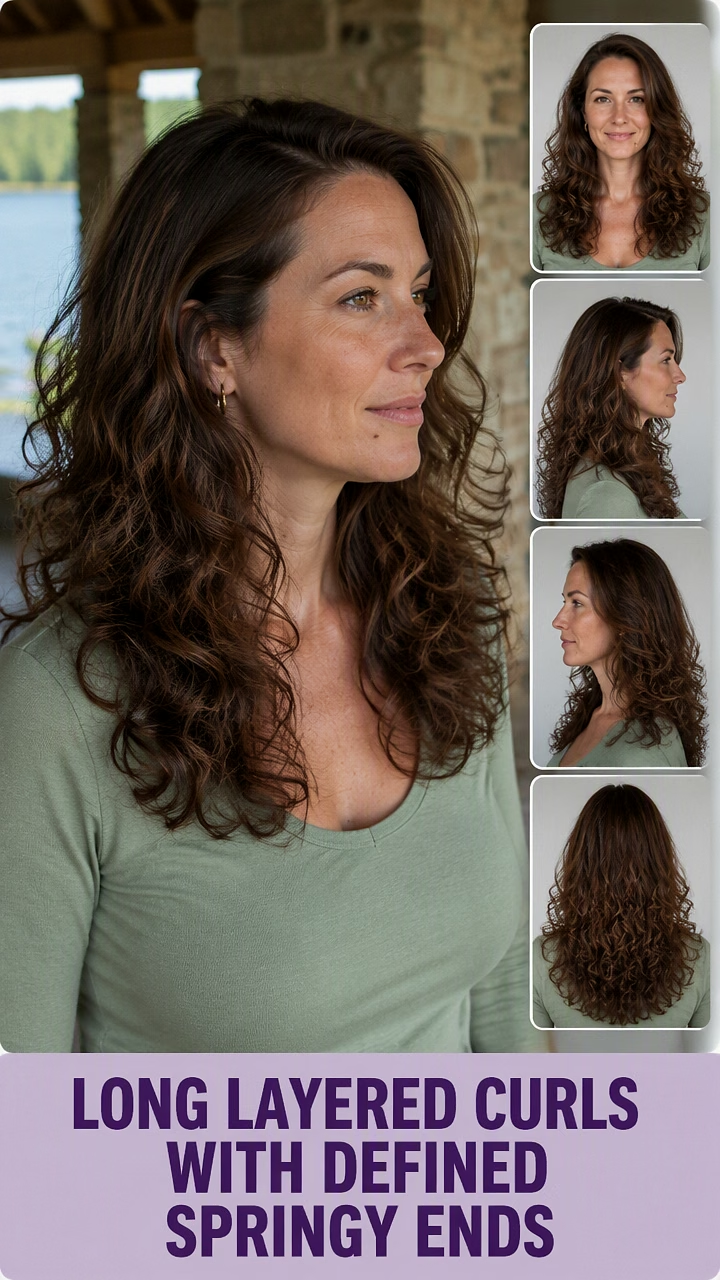
This curl-focused shape uses long, carefully placed layers to lift the crown and give the ends room to coil. The perimeter remains long, but the curls finish in a springy, rounded outline rather than a dense block. The emphasis is on preserving curl clumps and definition, with only enough shaping to help the thick hair feel balanced.
It is best for thick curly or coily textures, with the exact layer placement determined by curl pattern and shrinkage. A rounded outline can complement oval and heart-shaped faces, while additional side framing can soften a wider forehead. Style in sections with a leave-in conditioner and curl gel or cream, then diffuse on low or air-dry. Ask for a curl-by-curl shape that removes weight without over-thinning the ends. Defined curls often need a thoughtful wash-and-style routine, and trims around every eight to twelve weeks help maintain the shape. Bring photos of your hair dry, not only stretched or wet.
Long Layers With Wispy Brow-Grazing Bangs
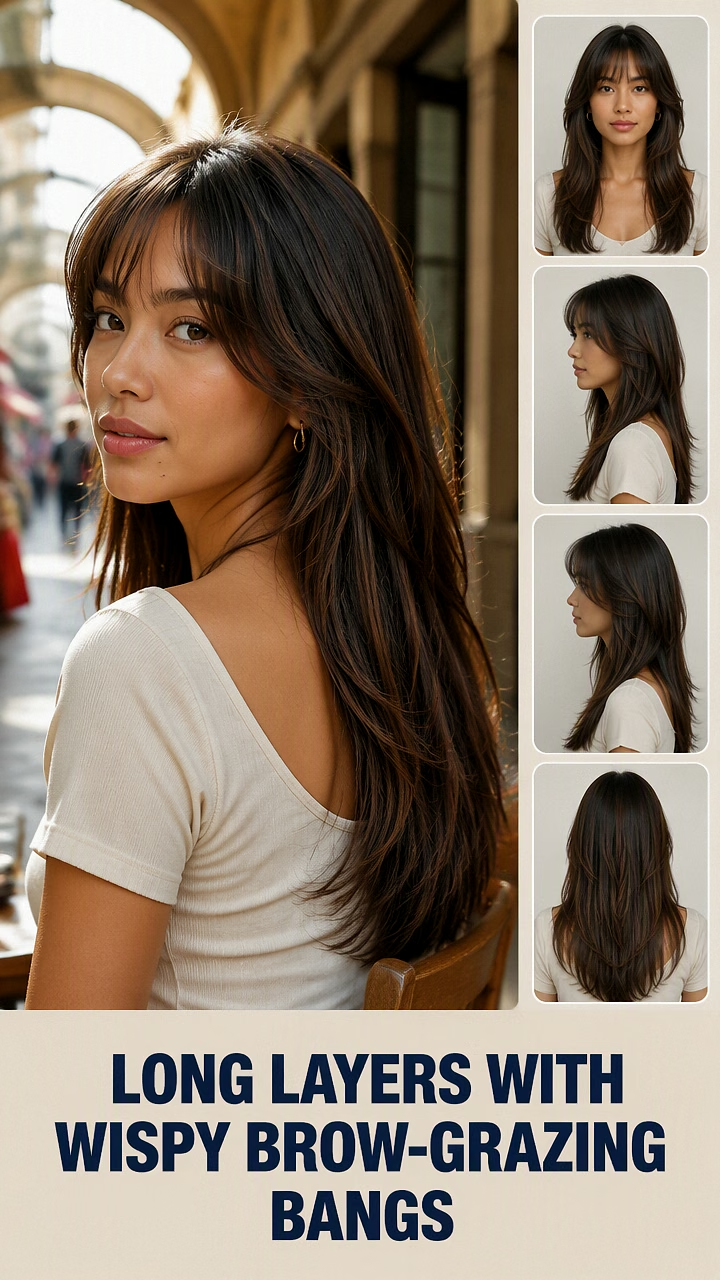
Wispy bangs that skim the brows bring focus to the eyes, while long blended layers keep the rest of the cut light and flowing. The fringe is airy rather than dense, helping thick hair feel softer across the forehead. Layers through the sides connect the bangs to the length so the transition looks intentional rather than abrupt.
This style suits straight or wavy hair that can be smoothed or gently bent around the face. Brow-grazing bangs can balance a longer face, while a stylist may leave them slightly longer for a rounder face. Use a small round brush to dry the fringe first, then style the lengths as usual. Ask for a light, piecey bang with long layers that blend from the temples. The fringe requires frequent trims and may need daily attention, especially in humid weather. If you want less upkeep, ask for a longer, curtain-like version that can grow out gracefully.
Long Layered Waves With Honey Bronde Dimension
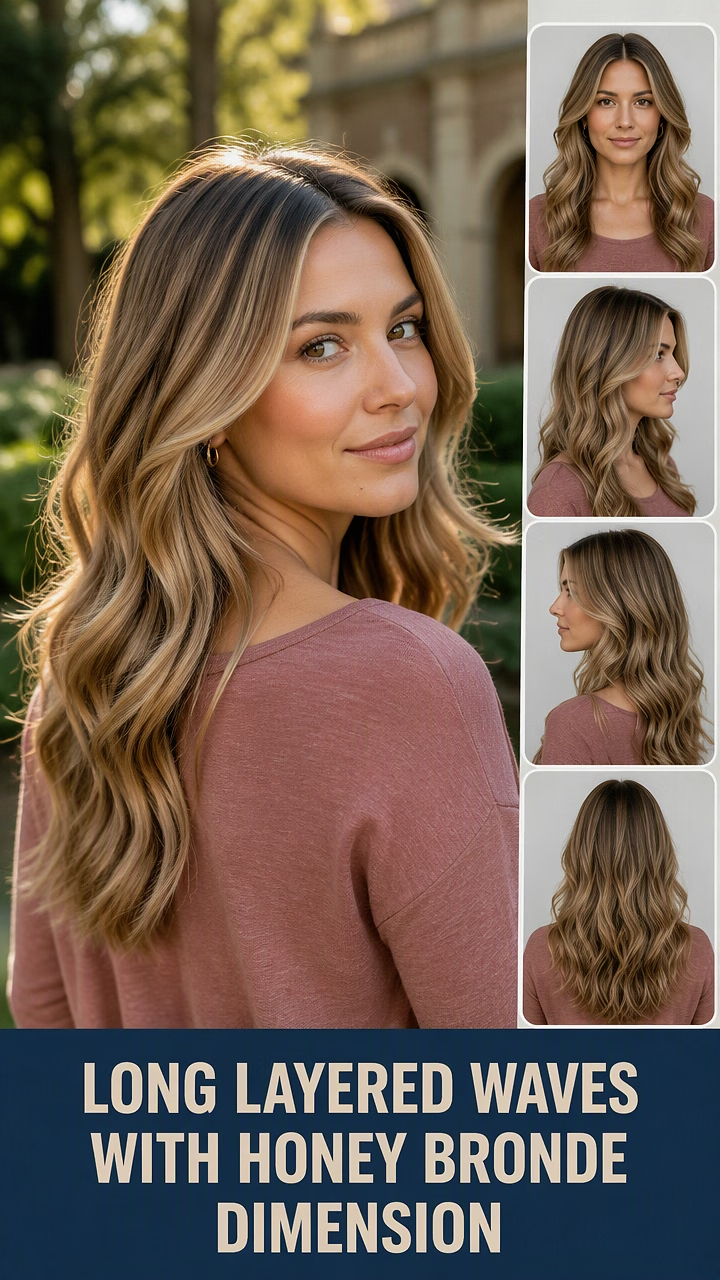
Honey-bronde ribbons bring warmth and contrast to long, blended layers, emphasizing movement without changing the overall silhouette. The cut uses soft layers through the mid-lengths and ends, with gentle face framing to keep thick hair from appearing too solid. A dimensional, softly blended color placement adds depth as the waves curve and catch the light.
The look suits naturally wavy hair or straight hair styled with loose bends, and warmer tones can be tailored to your complexion. It works across face shapes because the framing can begin wherever you want emphasis. Use a heat protectant and a medium-to-large barrel iron for loose waves, then separate them with fingers. Ask your stylist to coordinate the layer placement with subtle balayage or highlights, rather than relying on bold stripes. Lightening may mean additional color upkeep and careful conditioning; the cut itself can be refreshed every ten to twelve weeks.
Long Thick Hair With A Soft Side-Swept Fringe
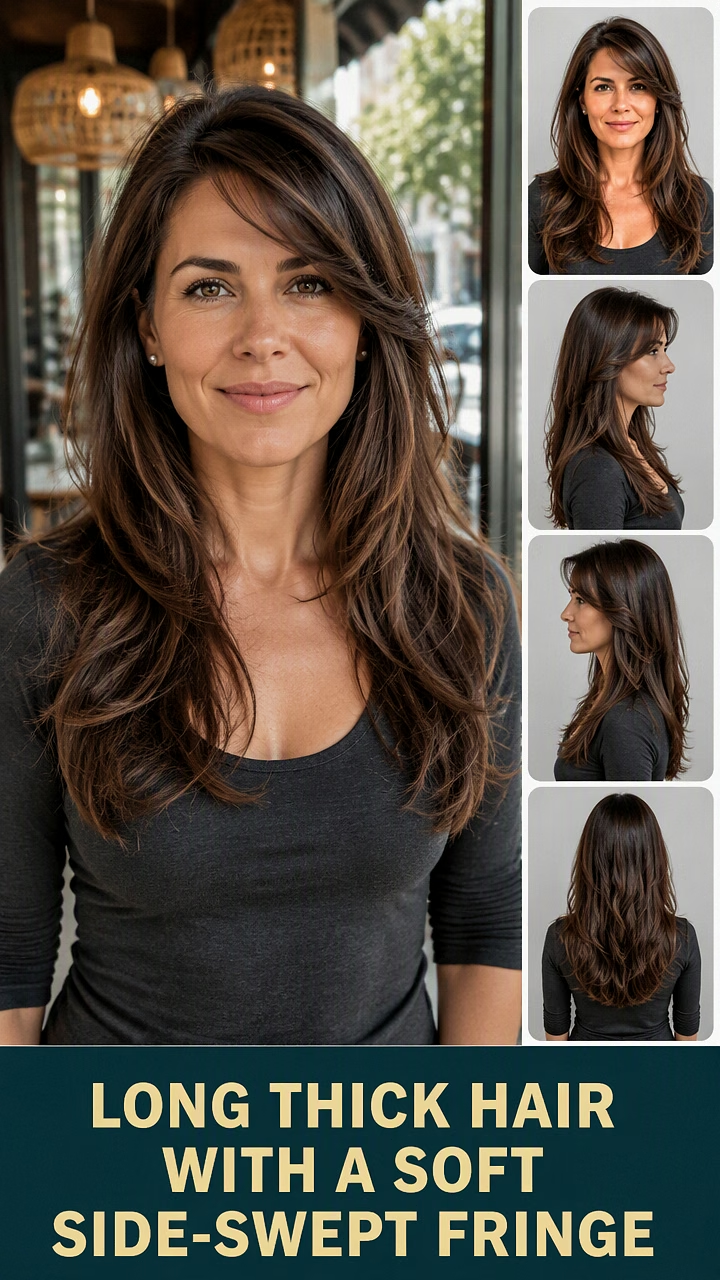
A side-swept fringe brings a polished diagonal line across the forehead, while long layers soften the density through the sides and back. The fringe can be kept long enough to tuck behind an ear, and the remaining layers taper gently toward the ends. It gives a classic long haircut a fresh focal point without committing to a full curtain bang.
This is a versatile choice for thick straight or wavy hair. The diagonal sweep can soften a square jaw or add visual balance to a longer face, depending on where it begins. Blow-dry the fringe across the forehead with a small round brush, then part it where it naturally falls. Ask for a side fringe that blends into long face-framing pieces, not a heavy disconnected section. It is easy to pin back, but needs regular trims to keep it out of the eyes. The long layers themselves can be refreshed every ten to twelve weeks.
Choose Layers That Move With Your Hair
The most flattering long layered cut is one that works with your natural texture, feels comfortable around your face, and suits the way you like to get ready. Show your stylist what you love, explain how much styling time you want to spend, and ask how the shape will look both air-dried and styled. Thoughtful layer placement can help thick hair feel lighter while keeping the length and fullness that make it yours.
Sources: https://www.hairstyleeditor.com
Category: Long