Quick Comparison Table
| Product | Best For | Key Ingredient(s) | Price Tier | Hair Type |
|---|---|---|---|---|
| Malibu C Hard Water Wellness Shampoo + Conditioner | Daily hard water maintenance, all hair types | Disodium EDTA, Sodium Gluconate, Panthenol | Budget / Mid-range | All |
| ion Hard Water Shampoo + Conditioner | Budget-friendly well water and city water use | Citric Acid, Provitamin B5, Flax Protein | Budget | All |
| Olaplex No. 4C Bond Maintenance Clarifying Shampoo | Color-treated hair with product and mineral buildup | EDTA chelators, Bond Builder (Bis-Aminopropyl Diglycol Dimaleate) | Premium | All, especially color-treated |
| Act+Acre Clarifying Hard Water Shampoo | Sensitive scalps, fine hair, scalp-focused care | Fulvic Acid, 3% Coconut Cleanser | Mid-range / Premium | Fine to Medium |
| L’Oreal Professionnel Metal Detox Shampoo | Highlighted, bleached, or metal-damaged hair | Glicoamine (metal-targeting agent), Citric Acid | Premium | Color-treated, Highlighted |
| Joico K-PAK Clarifying Shampoo | Swimmers, heavy product users with hard water | Chelating Agents, Hydrolyzed Keratin | Mid-range | All |
| K18 Peptide Prep Detox Shampoo | Damaged, over-processed hair with mineral buildup | K18Peptide, Plant-Derived Surfactants | Premium | All, especially damaged |
Introduction
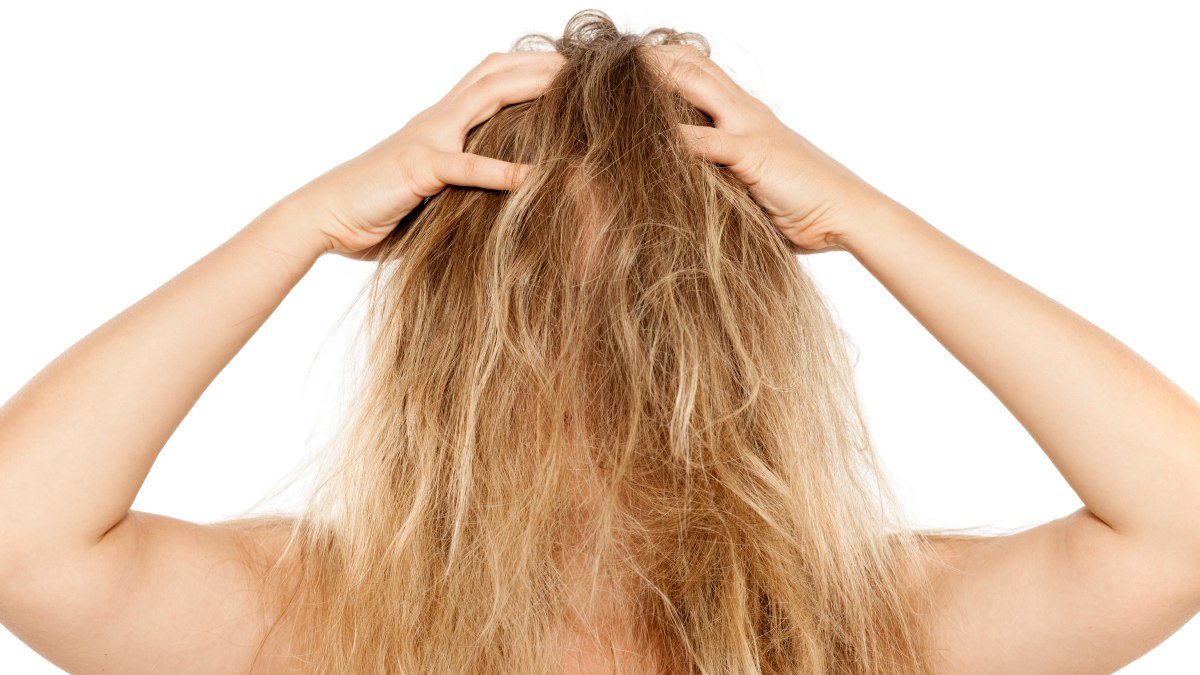
You have tried three different shampoos in the past two months, and your hair still looks like it was washed in a kiddie pool. It feels rough when wet, sits flat when dry, and no amount of conditioner seems to fix it. Your color fades faster than your colorist said it would. Products that used to work beautifully now sit on top of your hair like a coat of film. If any of that sounds familiar, your shampoo is not the problem. Your water is.
You Are Watching: 7 Best Shampoo and Conditioner for Hard Water
Hard water, which contains elevated concentrations of calcium, magnesium, and sometimes iron, affects roughly 85 percent of American households according to industry estimates, yet most “best shampoo” lists completely ignore it as a variable. The result is a category full of generic recommendations that won’t work if your water is the underlying issue. Shopping for hair products without accounting for water hardness is like buying the best possible windshield wipers for a car with no windshield.
This list was built on a specific foundation: ingredient analysis of chelating and mineral-removing compounds, real user feedback sourced from Amazon, Sephora, Ulta, and Reddit, published peer-reviewed research on hard water’s effects on hair, and recommendations from board-certified dermatologists and trichologists. Every product here made the cut because it addresses the actual chemistry of mineral buildup, not because it lathers well and smells nice.
Selection Criteria
How We Chose These Products
Hard water shampoos are not the same as clarifying shampoos, and the distinction matters when you are selecting one. A clarifying shampoo uses stronger surfactants to remove oil and product residue from the surface of the hair shaft. A chelating shampoo uses compounds that chemically bond to calcium, magnesium, and iron ions and lift them off the hair at a molecular level. Only chelating formulas can actually address mineral buildup from hard water.
Every product on this list was evaluated against the following criteria:
Chelating agent presence: We looked for disodium EDTA, tetrasodium EDTA, sodium gluconate, citric acid, phytic acid, or glicoamine in the ingredient list. Products without at least one of these did not make the list, regardless of marketing language.
Conditioner pairing: For products sold as sets, we evaluated the conditioner for its ability to replenish moisture without contributing to mineral re-deposition. Heavy silicones (dimethicone high on the ingredient list) are acceptable in conditioners for some hair types but can exacerbate buildup for fine hair over time; we note this where relevant.
Hair type fit: Some chelating shampoos are too stripping for daily use on dry or color-treated hair. We flagged frequency of use recommendations and whether a product is better as a weekly reset or a daily driver.
Price range logic: We included options across three tiers: budget (under $15), mid-range ($15 to $30), and premium (over $30). Budget options should be judged by how frequently they can be used without causing dryness, not just by cost per bottle.
What we ruled out: Products that list “clarifying” on the label but contain no true chelating agents in the ingredient list. Products making vague “detox” claims without disclosing active chelating chemistry. Formulas with no moisturizing counterpart for post-chelation hydration.
What to Look for in Shampoo and Conditioner for Hard Water
Hard water leaves calcium and magnesium ions bonded to the hair’s protein structure. Standard shampoos, even good ones, are not formulated to break that ionic bond. Research published in the International Journal of Trichology found that hair washed repeatedly in hard water showed measurably decreased tensile strength compared to hair washed in distilled water, which is a concrete way of saying hard water makes hair more fragile over time.
The ingredients worth actively seeking out include:
EDTA (Disodium EDTA or Tetrasodium EDTA): This is the most well-researched chelating agent in hair care formulation. A scanning electron microscopy study published in the Journal of Clinical and Aesthetic Dermatology confirmed that hard water significantly increases mineral deposition on the hair shaft surface and reduces hair thickness compared to distilled water washing. EDTA is specifically designed to form stable complexes with calcium and magnesium ions so they can be rinsed away. It is the gold standard for hard water shampoo formulation.
Sodium Gluconate: A gentler secondary chelating agent often used alongside EDTA. It is less aggressive on the hair’s natural oils and functions well in daily-use formulations.
Citric Acid: A naturally derived chelating agent that is gentler than EDTA and also helps lower the pH of the formula to close the cuticle after washing, which adds shine and reduces frizz. Useful for color-treated or sensitive scalps that cannot tolerate stronger chelators frequently.
Panthenol (Provitamin B5): Not a chelating agent, but critical as a moisture-binding ingredient in any hard water shampoo formula. Hard water strips more moisture than standard washing, and panthenol helps offset that by drawing water into the hair shaft and forming a light protective film.
Fulvic Acid: A newer ingredient gaining traction in scalp-focused formulas. It functions as both an antioxidant and a chelator, binding to mineral deposits and supporting scalp microbiome health. Used notably by Act+Acre.
Hydrolyzed Proteins (Rice, Keratin, Silk): Not chelating agents, but important co-ingredients. Hard water damage weakens the hair’s protein structure, so products that combine chelation with hydrolyzed protein can help address both the buildup and the structural consequence of long-term exposure.
For conditioners specifically, look for lightweight humectants (glycerin, panthenol, aloe vera) and light oils (argan, jojoba, macadamia) rather than heavy, occlusive silicone-heavy formulas when you are dealing with ongoing hard water use. A conditioner applied after chelation should seal the cuticle and restore moisture without re-depositing a new layer of buildup.
What to Avoid
Heavy silicones in shampoos: Dimethicone and cyclopentasiloxane in the first five ingredients of a shampoo will coat the hair shaft and make it harder for chelating agents to access the mineral deposits underneath. In conditioners they are generally fine in moderation, but in your chelating shampoo formula they are counterproductive.
Chelating-only formulas with no moisturizing ingredients: Some older hard water shampoo formulas are essentially stripping agents. If the ingredient list is primarily surfactants and EDTA with nothing to counterbalance the dryness, using it more than once or twice a week will leave hair feeling like straw. Always follow with a rich conditioner or mask.
Products labeled “clarifying” without actual chelating agents: Clarifying and chelating are different mechanisms. A clarifying shampoo can remove product buildup and surface oils effectively, but as one hair chemistry resource notes: “A clarifying shampoo cannot chelate.” After a clarifying wash, the mineral film largely remains on the hair. If you are only using a standard clarifying shampoo for hard water problems, you are not solving the core issue.
Apple cider vinegar as a primary solution: ACV rinses and ACV-based shampoos can dissolve some calcium carbonate deposits (because acid breaks down those mineral bonds) and are a reasonable supportive measure, but they are not a substitute for a properly formulated chelating shampoo for severe or chronic hard water buildup. Think of ACV as a useful supplemental rinse, not a first-line chelating treatment.
Color-stripping formulas marketed for hard water: Some older chelating formulas use aggressive surfactant concentrations that are genuinely hard on color-treated hair. If your hair is color-treated or bleached, specifically look for “color-safe” on the label and verify the conditioner included is moisturizing enough to compensate.
Our Top Picks
1. Malibu C Hard Water Wellness Shampoo and Conditioner
Best for: Daily or frequent hard water maintenance across all hair types, including color-treated hair.
Bottom line: This is the most consistently recommended chelating shampoo in its price range and the one dermatologists and hairstylists most frequently cite by name. It is not perfect, but it does the job it promises at a price that makes regular use realistic.
Key ingredients and what they do:
- Disodium EDTA: The active chelating agent that binds to calcium, magnesium, and iron ions and removes them during rinsing.
- Sodium Gluconate: A secondary chelator that is gentler on the hair and supports the EDTA’s mineral-binding action.
- Hydrolyzed Rice Protein: Deposits on damaged areas of the hair shaft to temporarily fill gaps and add shine.
- Panthenol: A humectant that draws moisture into the hair cortex to counterbalance the drying effect of chelation.
- Citric Acid: Helps lower the pH of the formula to close the cuticle after cleansing, which reduces frizz and adds reflectivity.
Board-certified dermatologist Marisa Garshick, M.D., of Manhattan Dermatology and Cosmetic Surgery in New York City has noted that the Malibu C Hard Water Wellness Shampoo “removes mineral buildup and discoloration, restores moisture, and protects against future mineral deposits and impurities,” and is “gentle on the hair while containing antioxidants that help protect the skin against environmental stressors.”
What real users say: On Amazon, where it holds a 4.5 out of 5 star rating, one verified reviewer wrote: “I have been using this for years. We have well water with high iron content, and we do have a water softener, but this shampoo makes your hair feel clean and soft.” On Ulta, users with color-treated hair frequently note improved vibrancy and reduced brassiness after regular use.
Drawbacks: The formula does contain Sodium C14-16 Olefin Sulfonate, a surfactant that provides lather but is stronger than sulfate-free alternatives. This is one reason the brand recommends using it daily or as needed but pairing it consistently with the matching conditioner. For extremely dry, fine, or chemically damaged hair, daily use may feel drying without a hydrating mask used weekly.
Price tier: Budget to Mid-range (~$15 to $18 for 9 oz; larger sizes available at better cost-per-oz)
2. ion Hard Water Shampoo and Conditioner
Best for: Budget-conscious shoppers on well water or city water with significant mineral buildup; also a practical everyday option for those who cannot afford to use a premium chelating shampoo daily.
Read more : 7 Best Sulfate Free Shampoo For Color-Treated Hair
Bottom line: This is the workhorse choice at Sally Beauty and one of the most reviewed hard water-specific shampoos in its category. The formula is vegan, cruelty-free, and paraben-free, and at under $10 per bottle for the shampoo it is the most accessible chelating product on this list.
Key ingredients and what they do:
- Citric Acid: The primary chelating agent, gentler than EDTA and effective for mild to moderate mineral buildup.
- Provitamin B5 (Panthenol): Moisture retention and cuticle smoothing.
- Flax Protein: A lightweight protein that provides minor structural support to hair weakened by mineral deposits.
On Influenster, one verified reviewer wrote: “We have very hard water, and my hair was so dull, frizzy, and just wasn’t happy. After just one use, I noticed a difference in shine, less frizz, fewer tangles, smooth, light weight, and just overall healthier looking.”
A verified Amazon purchaser noted in early 2025: “We are on well water and my hair was becoming dry. I bought this shampoo and conditioner hoping it would help soften my hair. I love it. I use it twice a week and my hair is softer and healthier. I have been using this product for the past year.”
What real users say: The consistent feedback from Sally Beauty and Amazon reviews points to noticeable improvement in dullness and tangling, particularly for well water users. Critics note it works best when used two to three times per week rather than daily, especially for dry hair types.
Drawbacks: Citric acid is gentler but also less powerful than EDTA for severe mineral buildup. If your water tests very hard (above 200 ppm of CaCO3) or if you have significant iron or copper deposits, you may need to supplement with a stronger chelating treatment monthly. The conditioner from the same line is lightweight, which is ideal for fine hair but may feel insufficient for thick, coarse, or very dry hair.
Price tier: Budget (~$8 to $10 for 10.5 oz; 33.8 oz available at Sally Beauty)
3. Olaplex No. 4C Bond Maintenance Clarifying Shampoo
Best for: Color-treated hair with simultaneous product buildup and mineral buildup; anyone who has tried standard clarifying shampoos and found them too stripping.
Bottom line: This is not primarily marketed as a hard water shampoo, but its formula includes chelating and sequestering agents specifically targeting mineral deposits, and its bond-building technology means it is gentler on compromised hair during the chelating process than most dedicated hard water formulas. It is the one to reach for if you have color, balayage, or bleached hair and hard water is your problem.
Key ingredients and what they do:
- Chelating and Sequestering Agents: Bind to hard water minerals and lift them from the hair, similar to EDTA-class chelators.
- Bis-Aminopropyl Diglycol Dimaleate (the Olaplex active): Works on disulfide bonds in the hair cortex, helping to protect structural integrity during a potentially stripping wash.
- Sulfate-Free Surfactant Blend: Provides effective cleansing without the more aggressive lather that older clarifying shampoos use, which is important for color retention.
According to Olaplex, No. 4C is color-safe and “formulated to cleanse hair thoroughly without stripping or fading color-treated hair,” and the brand recommends using it once every one to two weeks or as needed.
One review noted: “No. 4C includes chelating and sequestering helpers that make a visible difference in tone and feel, especially for blondes who pick up a dingy cast. Severe cases of copper, iron, or swimmer’s green may still need a dedicated chelating session, but for weekly maintenance, No. 4C is effective and more comfortable to use.”
What real users say: On K18’s own review platform and on Sephora, users note that this shampoo is significantly less drying than other clarifying options. The consistent theme in positive reviews is that hair feels genuinely clean without the rough, straw-like texture that cheaper clarifying shampoos often produce. Critical reviews are mostly from people with extreme mineral buildup who needed something more powerful.
Drawbacks: It is a clarifying shampoo first, with chelating support. For very hard water (well water, desert Southwest city water), it works best as a weekly maintenance wash rather than a full mineral-removal treatment. Pair with Olaplex No. 5 conditioner or a hydrating mask immediately after every use.
Price tier: Premium (~$30 for 8.5 oz)
4. Act+Acre Clarifying Hard Water Shampoo
Best for: Scalp-focused care, fine hair, those with a sensitive scalp dealing with hard water irritation; also an excellent option if your primary symptom is an itchy, irritated scalp rather than visible dullness.
Bottom line: Act+Acre built this shampoo specifically around the hard water problem, formulated it with fragrance-free ingredients (unusual in this category), and it sits at Sephora with credibility from the brand’s trichologist founder Helen Reavey. The use of fulvic acid as a chelating and scalp-supportive ingredient is genuinely different from anything else on this list.
Key ingredients and what they do:
- Fulvic Acid: A humic substance that binds to mineral deposits and heavy metals while simultaneously delivering trace minerals to the scalp microbiome. It is both a chelator and a scalp-supportive antioxidant.
- 3% Coconut Cleanser: A mild, plant-derived surfactant that removes buildup without stripping the scalp’s natural barrier. At 3% it is gentler than the surfactant concentrations used in most clarifying formulas.
- Carrot Seed Oil: Provides nourishment and antioxidant protection to the scalp, counterbalancing the slight drying effect of the chelating wash.
Helen Reavey, the celebrity trichologist and founder of Act+Acre, recommends specifically looking for “a clarifying shampoo that gently breaks down mineral buildup without stripping the scalp,” adding that for anyone washing daily in hard water, the formula should be “gentle enough for regular use.”
At Sephora, the product description notes that “about 85 percent of the U.S. lives in hard water areas, which is one of the biggest causes of scalp irritation,” and user feedback highlights the fragrance-free formulation as a significant advantage for those with scalp sensitivity.
What real users say: One Act+Acre reviewer wrote: “Since I moved to LA, my hair has been suffering from the hard water here. Even though my hair is clean and doesn’t feel oily, it looks like it. It becomes limp and straggly looking no matter how often I wash it. The only thing that has helped has been installing a shower head with a filter, using the Act+Acre hard water shampoo, and then using the clarifying treatment at least once a month.” Fine-haired users consistently note that it does not leave hair weighed down, which is a real differentiator.
Drawbacks: One reviewer noted wishing there was a matching conditioner from the brand, a gap that is genuinely there. The clarifying shampoo pairs well with Act+Acre’s Conditioning Hair Mask, but the brand does not make a dedicated matching conditioner for this line. The price point is on the higher end of mid-range, and the bottle size is modest.
Price tier: Mid-range to Premium (~$32 to $38 for 8 oz)
5. L’Oreal Professionnel Metal Detox Sulfate-Free Shampoo
Best for: Hair that has been highlighted, lightened, or bleached and is showing brassiness, discoloration, or accelerated color fading specifically because of metal or mineral exposure. Also excellent for anyone in an area with high copper or iron content in water.
Bottom line: This is the most targeted formula on the list for metal ion removal (copper, iron) as opposed to the more common calcium and magnesium focus. If your hair has gone brassy faster than expected post-color, if you have reddish or orange discoloration appearing in lighter hair, or if you know your water supply has elevated iron or copper, this is the product to reach for.
Key ingredients and what they do:
- Glicoamine: L’Oreal’s proprietary metal-targeting agent. Unlike EDTA which broadly chelates multiple minerals, glicoamine is specifically engineered to bind to copper and iron ions inside and on the surface of the hair shaft.
- Citric Acid: A secondary chelator and pH adjuster.
- Amino Acids: Support the hair’s protein structure while the chelating action occurs.
- Sulfate-Free Surfactants: Allow regular use without the aggressive color fade associated with sulfate-based formulas.
Min Kim, a colorist and L’Oreal Professionnel global ambassador, notes that when shopping for hard water shampoos consumers should specifically look for products “using keywords like chelating, mineral removal, clarifying, and buildup control,” and that sulfate-free options are available for those with color-treated hair who are concerned about ingredient safety.
A Sephora reviewer described the experience: “Very, very good shampoo if you have long, fragile, damaged, color-treated hair. My hair feels silky all the time. I’ve tried close to 50 shampoos, and this is in my top three. It’s better than most products that cost three times as much and has a nice, unobtrusive scent.”
What real users say: Colorists recommend it more than any other product on this list. The most consistent praise comes from users with blonde, silver, or lightened hair who were experiencing unusual brassiness or greenish discoloration not explained by their color formula. It is less commonly cited by users with naturally dark hair dealing with hard water dullness, where the EDTA-forward formulas tend to perform equally well at lower cost.
Drawbacks: The price is high relative to its bottle size. For mild to moderate hard water with primarily calcium and magnesium (rather than metal) content, it is not a meaningfully better product than Malibu C at roughly half the price. Its differentiation is clearest in metal-heavy water situations or for highlighted hair.
Price tier: Premium (~$32 to $40 for 10.1 oz)
6. Joico K-PAK Clarifying Shampoo
Best for: Swimmers, people with significant chlorine and mineral buildup simultaneously, or anyone who needs a harder reset after heavy product use combined with hard water exposure.
Bottom line: Joico’s K-PAK line has been a professional salon staple for over two decades. The clarifying shampoo earns its place in a hard water context because it uses chelating agents alongside hydrolyzed keratin, addressing both the mineral buildup and the protein degradation that long-term hard water exposure causes. It is not the most cutting-edge formula here, but it delivers a thorough, reliable result that professionals trust.
Key ingredients and what they do:
- Chelating Agents (EDTA class): Bind to and remove calcium, magnesium, and chlorine deposits.
- Hydrolyzed Keratin: Deposits on gaps in the hair cuticle and cortex, temporarily reinforcing weakened areas caused by mineral buildup and chemical processing.
- Conditioning Agents: Built-in to mitigate the stripping effect of a strong clarifying wash.
What real users say: On Amazon and at Sally Beauty, consistent feedback notes that hair feels substantially lighter after use, meaning the mineral and product film has been removed. Swimmers in particular cite improved texture and reduced chlorine smell. Some users with fine hair note it can feel slightly drying if used more than once per week.
Read more : Best Brand of Biotin for Hair Growth
Drawbacks: It is not sulfate-free, which matters for some color-treated hair types. The formula is also not the most moisturizing on rinse-out; following with a generous conditioner or mask is essential. For daily hard water maintenance this is not the right choice; it functions better as a biweekly or monthly reset.
Price tier: Mid-range (~$14 to $18 for 10.1 oz)
7. K18 Peptide Prep Detox Shampoo
Best for: Over-processed, chemically damaged hair with accumulated mineral, product, and environmental buildup; particularly those whose hair has stopped responding to moisture treatments because of buildup blocking absorption.
Bottom line: K18 built its reputation on the patented K18Peptide, which works on the hair’s polypeptide chains rather than its disulfide bonds. The Peptide Prep Detox Shampoo is designed as a pre-treatment reset, and what makes it relevant for hard water is that its clarifying surfactants are strong enough to lift mineral deposits while the peptide actively works to repair damage during the wash. It is the most multi-functional product on this list.
Key ingredients and what they do:
- K18Peptide: Penetrates the hair cortex to reconnect broken polypeptide chains, repairing from within during the clarifying process.
- Plant-Derived Surfactants: Provide deep cleansing action without synthetic sulfates.
- Chelating Agents: Lift mineral and environmental deposits from the surface and shaft of the hair.
At K18’s own platform, where the product holds a 4.8 out of 5 star rating, one reviewer wrote: “The peptide detox shampoo is the truth. It cleansed my hair and scalp squeaky clean. It allows my hair to accept moisture products and helps with dryness and makes my hair feel so soft.”
What real users say: The most common theme in K18 Peptide Prep reviews is that moisture treatments start working better immediately after use, which confirms the mechanism the brand describes: buildup from minerals and products was blocking hydration absorption, and the detox wash removed that barrier. This is particularly relevant for people who have been layering conditioners and masks on top of hard water buildup and wondering why nothing seems to penetrate.
Drawbacks: This is genuinely a reset shampoo, not a daily driver. Using it more than once a week on already-damaged hair will be drying without the K18 leave-in treatment or another intensive mask to follow. It is also the most expensive option on this list on a per-wash basis. If your hair is in good shape and you simply need mineral removal, it is more shampoo than the situation calls for.
Price tier: Premium (~$38 for 8.5 oz)
How We Selected These Products
Our research process for this article included the following steps:
We conducted ingredient analysis on the top 20 hard water shampoos currently available on Amazon, Sephora, Ulta, and Sally Beauty, specifically looking for the presence of chelating agents (EDTA compounds, sodium gluconate, citric acid, fulvic acid, glicoamine) at meaningful positions in the ingredient list. Products whose primary “active” was apple cider vinegar alone, or whose chelating claim was buried at the end of a 40-ingredient list, were excluded from further consideration.
We cross-referenced product recommendations from published interviews with board-certified dermatologists and trichologists, specifically looking for quotes addressing formulation requirements rather than brand endorsements. Sources including Prevention, Who What Wear, and Elle (via their cited expert interviews) were used for expert input.
We reviewed user feedback on Amazon (filtered to verified purchase reviews within the last 18 months), Sephora, Ulta, Act+Acre’s own website, and Influenster, looking for patterns in positive and negative experience.
We referenced two peer-reviewed studies on hard water’s effects on hair (linked in the ingredient guidance section above) to ground our ingredient claims in published research rather than manufacturer copy.
Limitations: These products were not independently laboratory tested. Our chelating claims are based on ingredient list analysis and published cosmetic chemistry principles, not in-house trials. Conditioner pairings are evaluated on ingredient profiles; we did not trial every combination on every hair type. Community feedback from Reddit is referenced by subreddit and topic rather than by specific post, as community discussions on hard water are ongoing threads rather than single reviews.
Expert Perspective
“When evaluating shampoos for hard water, I look for the presence of chelating agents specifically, not just clarifying surfactants. Ingredients like EDTA or EDDS are what actually bind to calcium, magnesium, and metal ions and allow them to be rinsed out of the hair. Without a chelating compound, you are cleaning the hair’s surface but leaving the mineral deposits that cause dullness, brittleness, and color fading in place. I also want to see a conditioner or mask with panthenol, lightweight oils, or amino acids in the pairing, because chelation is inherently drying and the two steps need to work as a system.”
This reflects the formulation perspective widely shared by board-certified dermatologists and trichologists, including Marisa Garshick, M.D., of Manhattan Dermatology and Cosmetic Surgery, who specifically highlights EDTA-containing formulas and antioxidant-protective ingredients when recommending hard water products.
Real Talk from the Community
From r/HaircareScience:
“Okay I finally figured out why my hair went from great to completely destroyed after I moved. I posted a few months ago about my hair feeling like hay despite using the same routine I’d been doing for two years. Somebody in the comments mentioned testing my water. I bought strips from Amazon and turns out my water is 380 ppm. That’s considered ‘very hard.’ I switched to Malibu C weekly and kept my regular routine for everything else. Four weeks later my hair looks normal again. It’s wild that I wasted hundreds of dollars on new conditioners and masks when all I needed was something to actually remove the minerals. The minerals were blocking everything from working.”
Editorial note: This is one of the most common experiences reported in r/HaircareScience discussions about hard water, and it illustrates exactly why product selection needs to account for water type before assuming the shampoo or conditioner is failing. Mineral buildup creates a physical barrier that prevents conditioners, masks, and styling products from penetrating the hair shaft, which can make even well-formulated routines appear to stop working. A chelating shampoo used weekly alongside an otherwise consistent routine typically resolves this within a few wash cycles.
From r/curlyhair:
“I have 3b hair and I have been co-washing for three years. Everything was fine until we moved to Phoenix. My curls went from defined and bouncy to just… sad. Stringy. Weighed down. I kept adding more gel, more leave-in, more everything. Someone finally told me to stop and just do a proper chelating shampoo first. I was afraid it would destroy my curl pattern but honestly it was the opposite. After the first chelating wash my curls bounced back to what they were before. I use Act+Acre now about once every two weeks and then go right back to co-wash. The curls are back.”
Editorial note: This experience points to a specific tension in the curly hair community, where sulfates and frequent shampooing are often avoided to preserve moisture and curl definition. Hard water creates a particular conflict because co-washing and sulfate-free routines do not contain the surfactant power or chelating chemistry to remove mineral buildup, meaning mineral deposits accumulate faster in curl patterns that are washed less aggressively. For curly hair in hard water areas, a periodic chelating wash (biweekly or monthly) using a gentler chelating formula followed immediately by a rich conditioner or mask tends to produce better results than avoiding shampoo entirely.
Frequently Asked Questions
What is the difference between a chelating shampoo and a clarifying shampoo? A clarifying shampoo uses stronger surfactants to remove oil and product buildup from the hair’s surface. A chelating shampoo contains compounds, most commonly EDTA, sodium gluconate, or citric acid, that chemically bind to mineral ions like calcium and magnesium and remove them from the hair shaft. Standard clarifying shampoos leave mineral deposits behind; chelating shampoos are specifically formulated to remove them. If you have hard water, you need a chelating formula, not just a clarifying one.
How often should I use a hard water shampoo? It depends on the formula and your water hardness. Gentler chelating shampoos like Malibu C Hard Water Wellness and ion Hard Water Shampoo can be used daily to three times per week. More aggressive formulas like Joico K-PAK and K18 Peptide Prep work best as biweekly or monthly resets. If your water is moderately hard, once a week is typically sufficient. If you have very hard well water, more frequent use (two to three times per week) with a rich conditioner every time is a reasonable approach.
Can I use a hard water shampoo on color-treated hair? Yes, but verify that the formula is labeled color-safe and ideally sulfate-free if you have recently colored or highlighted hair. Olaplex No. 4C and L’Oreal Metal Detox are both specifically formulated to be color-safe. Act+Acre and Malibu C are also color-safe. Joico K-PAK contains sulfates and is better used as an occasional reset rather than a frequent wash on freshly colored hair.
My conditioner is not working the way it used to. Is hard water the reason? It is a very common reason. Mineral deposits create a film on the hair shaft that prevents conditioners and masks from penetrating, making them appear less effective even when the formula has not changed. A chelating shampoo wash that removes the mineral layer is often all that is needed to restore the responsiveness of your existing conditioner. Try a single chelating wash before concluding your conditioner formula is no longer working.
Is hard water the same as having iron or copper in my water? Not exactly. Hard water specifically refers to high calcium and magnesium content. Iron and copper are separate mineral concerns, typically associated with well water, old plumbing, or certain municipal water supplies. Products with EDTA chelate both hard water minerals and some metals, but L’Oreal Metal Detox with its glicoamine complex is specifically engineered for copper and iron removal and may be more effective for those with high metal content in their water.
Do I need to buy both the shampoo and conditioner from the same hard water line? Not necessarily. The shampoo does the active mineral removal work. The conditioner’s job is to replenish moisture after that process, so a good hydrating conditioner from any brand works. That said, paired systems (like Malibu C’s shampoo and conditioner set) are formulated to work together, with the conditioner calibrated to replace the specific moisture the chelating shampoo removes. If you already have a conditioner you love and that works for your hair type, keep using it.
How do I know if my water is actually hard? The most reliable method is a water hardness test strip, available on Amazon for a few dollars. Your city’s annual Consumer Confidence Report (required by the EPA and typically available on your water utility’s website) also lists hardness. Visual signs include white residue on faucets and showerheads, soap that does not lather well, spots on dishes, and scaling in your kettle. Hair signs include persistent dullness, rough texture when wet, color that fades faster than expected, and products that appear to stop penetrating.
What if I have tried several hard water shampoos and nothing helps? If you have consistently used a properly formulated chelating shampoo (one with EDTA or a comparable chelating agent) for at least four to six weeks and have not seen improvement in hair texture, dullness, or breakage, the issue may not be hard water buildup alone. Scalp conditions, hormonal factors, nutritional deficiencies, and androgenetic alopecia can produce symptoms that overlap with hard water damage. At that point, a consultation with a board-certified dermatologist or trichologist is the appropriate next step, not another shampoo purchase.
Conclusion
If you are in a hard water area and have been spending money on premium conditioners and masks without seeing results, start with the shampoo. The two best starting points on this list are Malibu C Hard Water Wellness (the most accessible, most recommended, and formulated specifically for this problem at a price that makes consistent use realistic) and Act+Acre Clarifying Hard Water Shampoo (the better choice for fine hair, sensitive scalps, or anyone in Los Angeles, Phoenix, Las Vegas, or other high-hardness metro areas who needs something gentle enough for near-daily use). For color-treated or bleached hair specifically, substitute Olaplex No. 4C as your weekly reset.
Results from any product on this list will vary based on how hard your water actually is, your hair type, and whether you use it consistently rather than occasionally. A chelating shampoo used twice a month is a nice supplement; a chelating shampoo used weekly with a proper follow-up conditioner is an actual routine. If hard water is your problem, it requires a consistent solution.
Finally: if your scalp is persistently inflamed, if you are experiencing significant hair shedding that is not improving with routine changes, or if your symptoms do not resolve after six weeks of appropriate product use, please consult a board-certified dermatologist or trichologist. A product article is useful for identifying the right shampoo for your water type. It is not a substitute for professional evaluation of underlying scalp or hair health conditions.
Sources: https://www.hairstyleeditor.com
Category: Hair care